Tungsten Copper Alloy: High-Performance Composite Material for Electrical and Thermal Applications

Get a Free Quote

Our representative will contact you soon.
Email
Name
Country/Region
Mobile/WhatsApp
Product Name
Message
0/1000

tungsten copper alloy

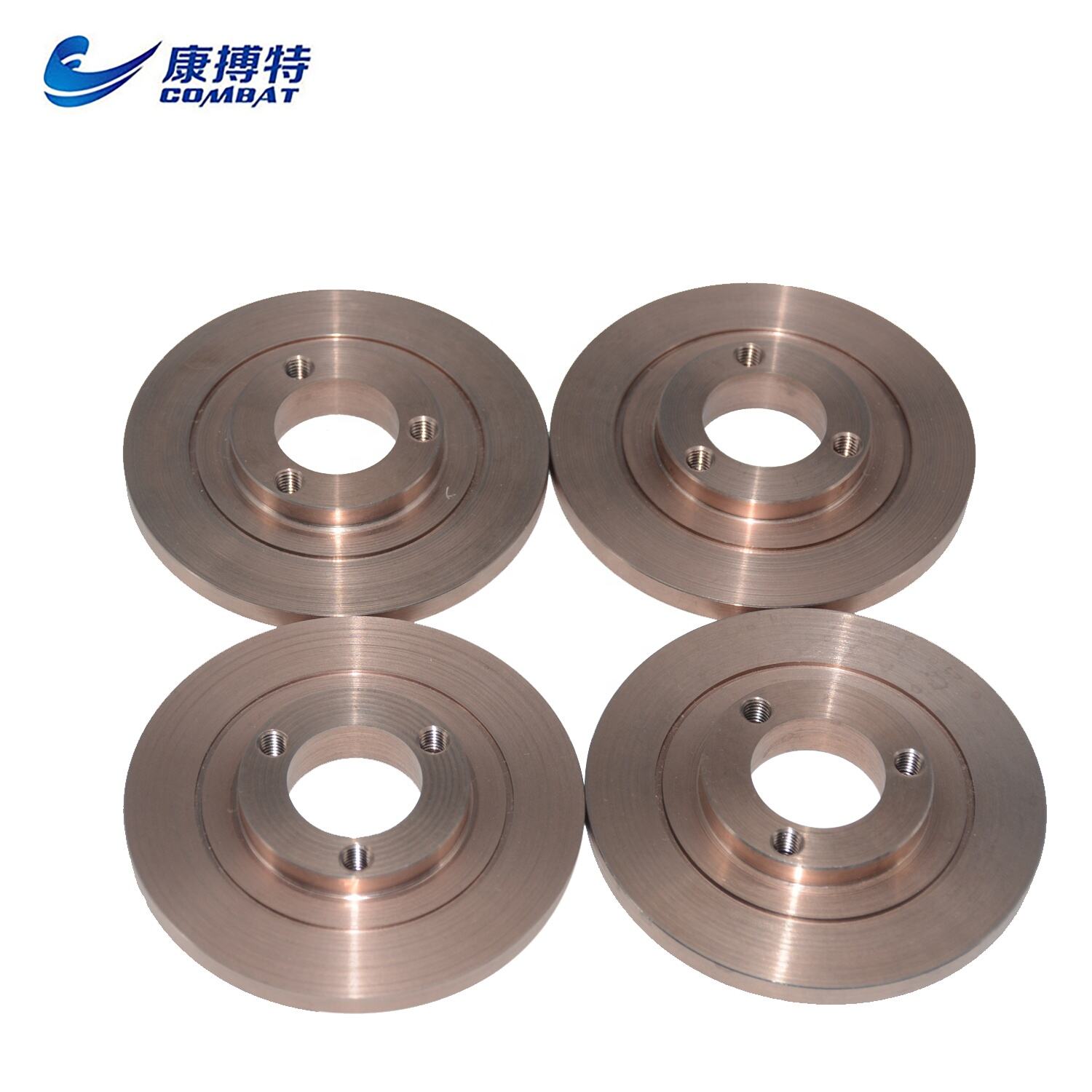
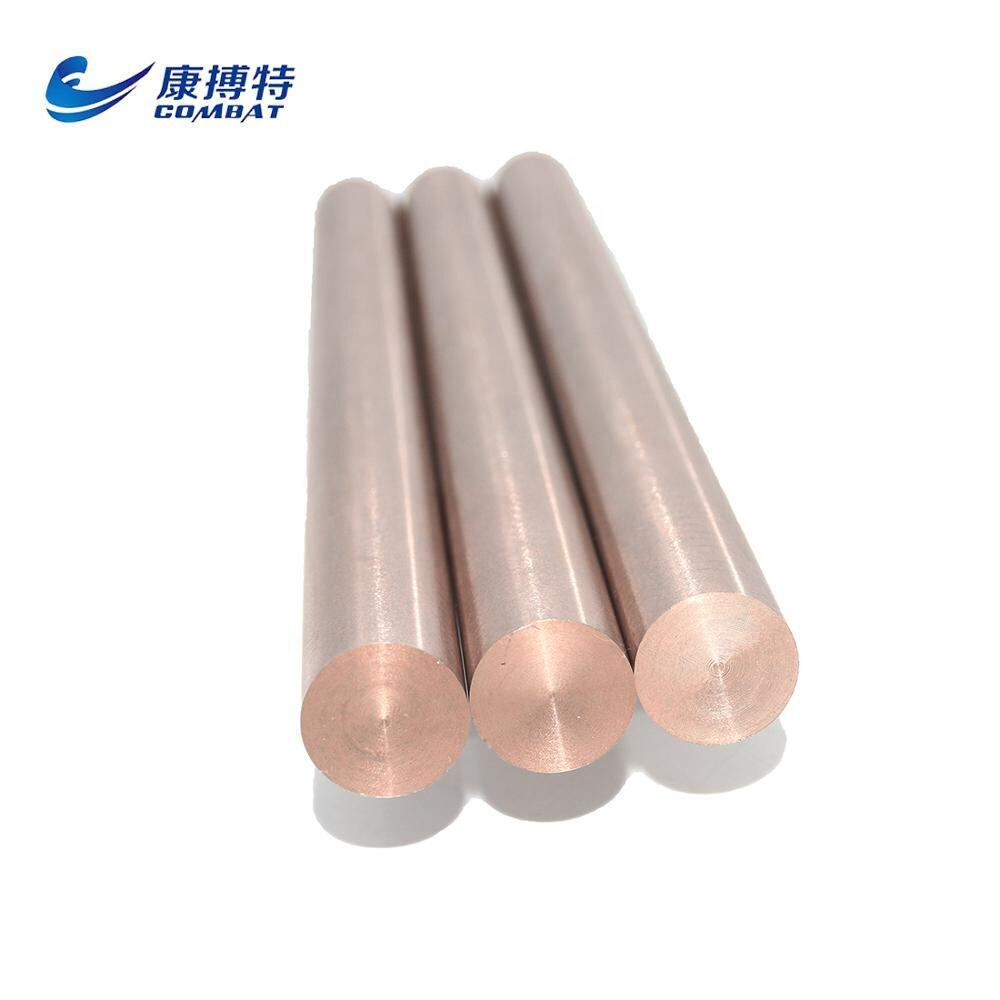
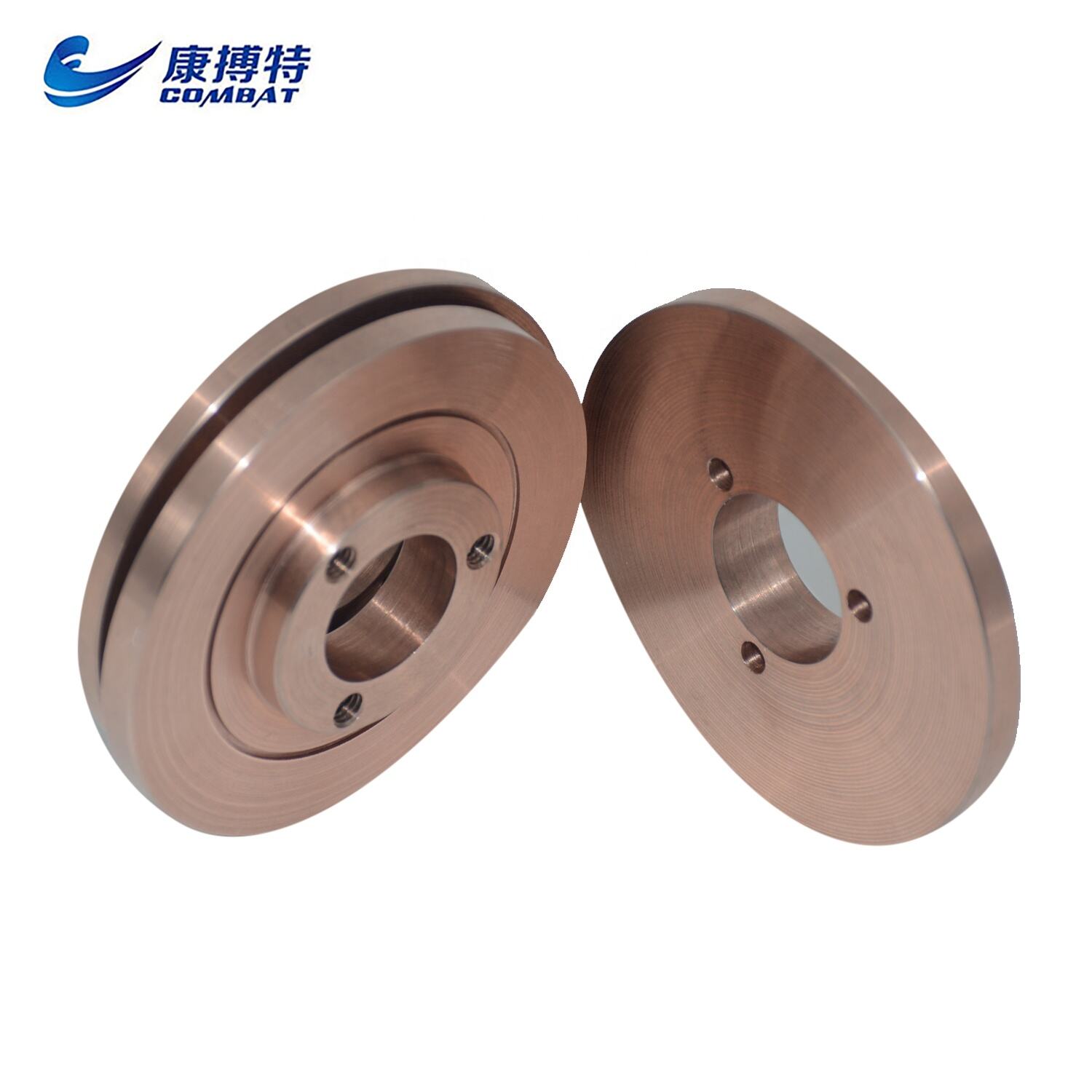
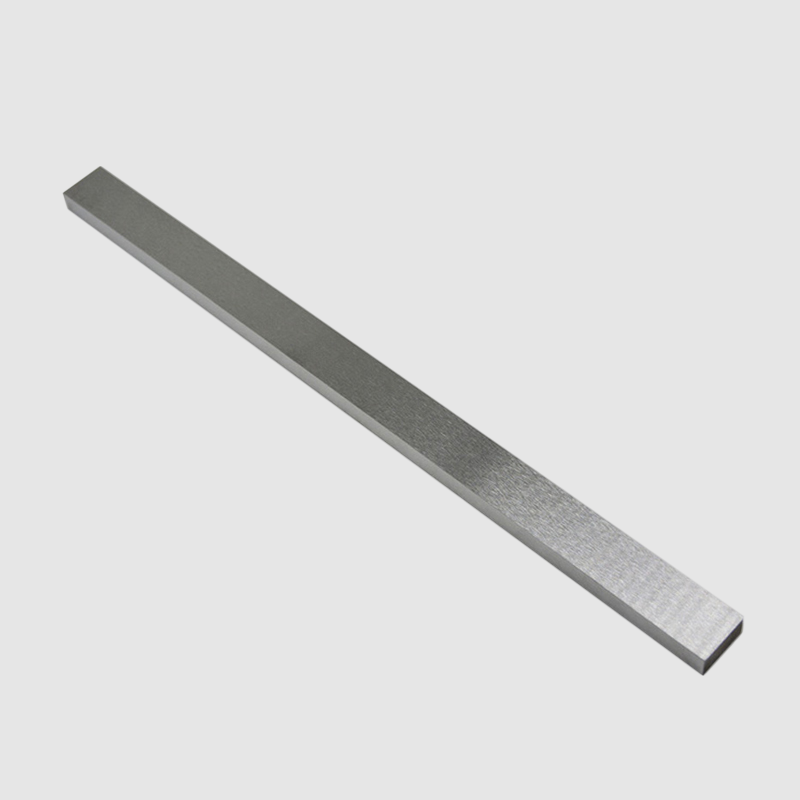
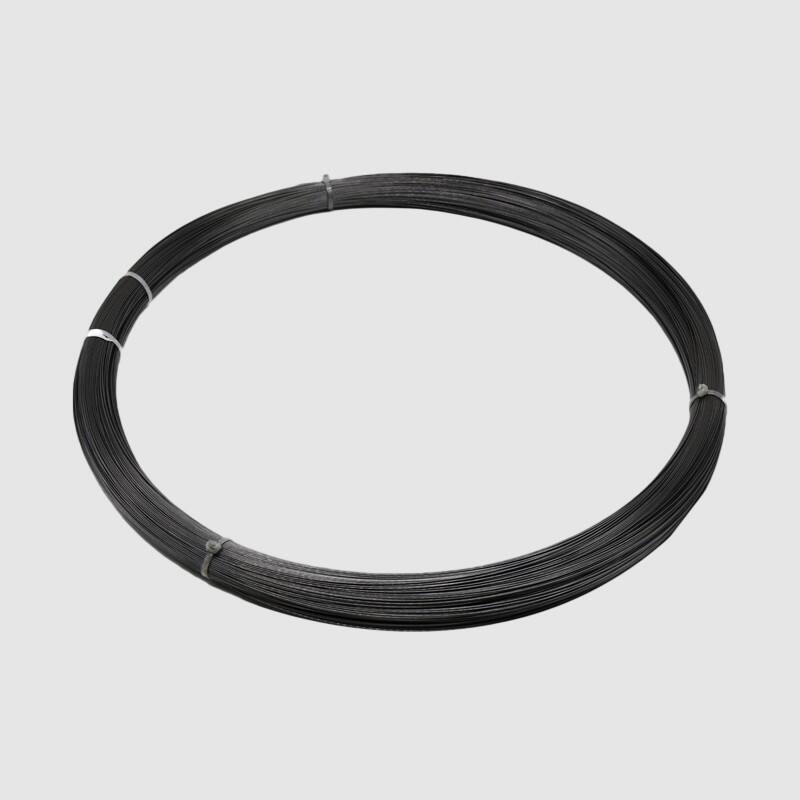
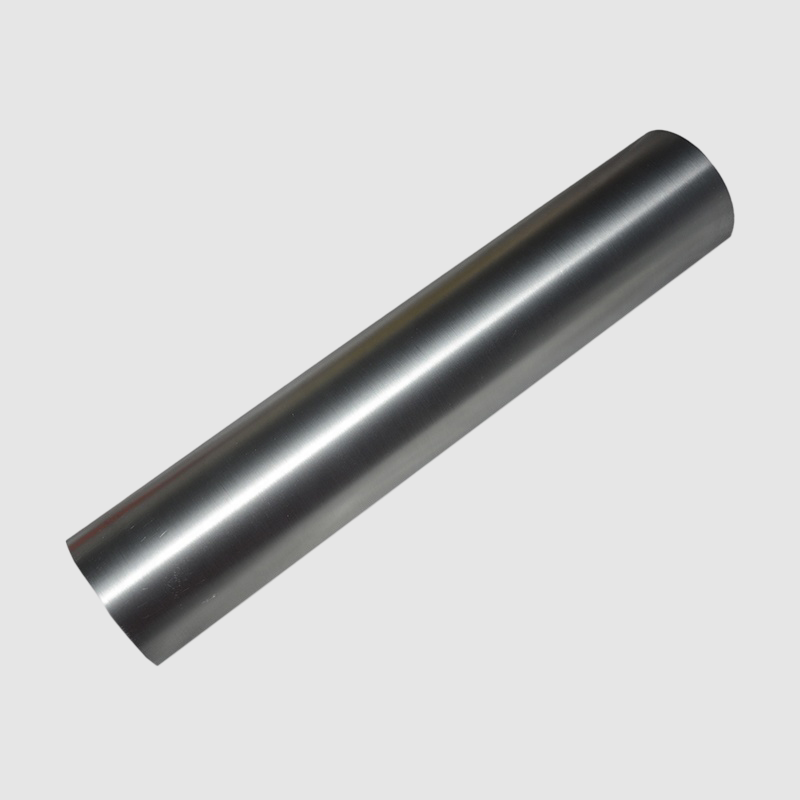
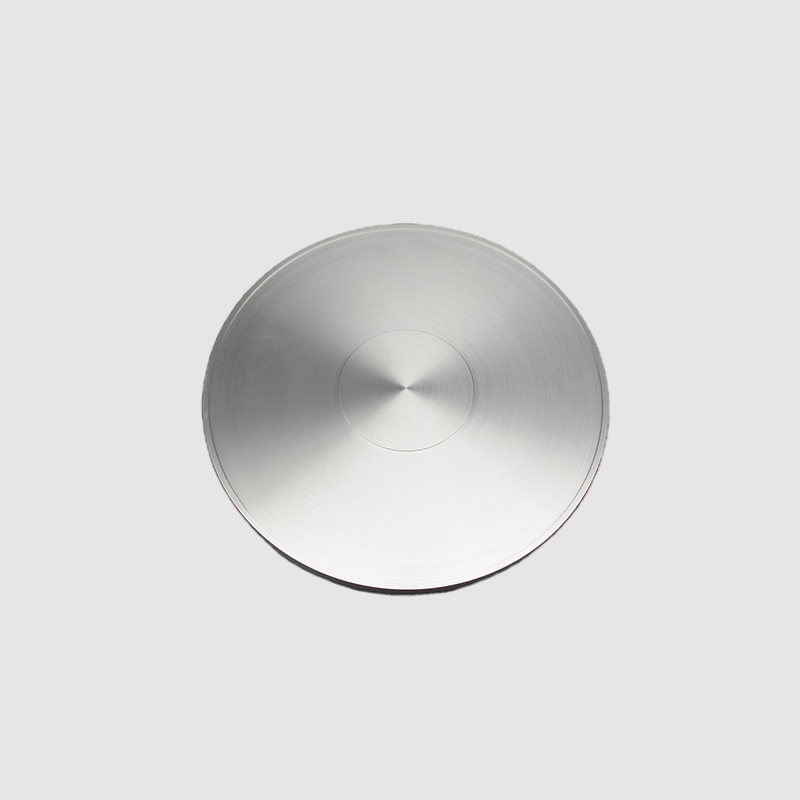
Tungsten copper alloy represents a sophisticated composite material that combines the exceptional properties of tungsten with the superior conductivity of copper. This engineered material delivers a unique balance of characteristics that neither metal can achieve independently. The alloy typically contains tungsten content ranging from 10 to 90 percent by weight, with copper filling the remaining composition. Manufacturing processes include powder metallurgy techniques, infiltration methods, and advanced sintering technologies that ensure uniform distribution of both metals throughout the material structure. The primary functions of tungsten copper alloy include electrical contact applications, heat dissipation solutions, and structural components requiring both thermal management and mechanical strength. Its technological features stem from tungsten's high melting point of 3422 degrees Celsius combined with copper's thermal conductivity of 401 watts per meter-kelvin. This combination creates a material that resists arc erosion, maintains dimensional stability under extreme temperatures, and efficiently transfers heat away from critical components. Applications span multiple industries including aerospace, electronics manufacturing, automotive systems, welding equipment, and military defense technologies. In electrical switching devices, tungsten copper alloy serves as contact points that endure millions of operations without significant degradation. The material functions effectively in high-voltage circuit breakers, vacuum interrupters, and electromagnetic relays where conventional materials would fail prematurely. For thermal management applications, the alloy acts as heat sinks and spreaders in power electronics, laser diodes, and microwave devices. The aerospace sector utilizes tungsten copper alloy for rocket nozzle throats, leading edges of hypersonic vehicles, and plasma-facing components where materials must withstand extreme thermal loads while maintaining structural integrity. Defense applications include kinetic energy penetrators, radiation shielding, and electrical discharge machining electrodes that require precise material removal capabilities combined with wear resistance.
New Product Recommendations

Tungsten copper alloy delivers measurable performance improvements that directly impact operational efficiency and equipment longevity. The material withstands temperatures exceeding 1000 degrees Celsius without softening or deforming, which means your equipment maintains precision and reliability even under punishing thermal conditions. This temperature resistance translates to fewer replacements, reduced downtime, and lower maintenance costs over the equipment lifecycle. The electrical conductivity of tungsten copper alloy reaches 45 to 60 percent of pure copper's conductivity, depending on composition ratios. This level of conductivity ensures efficient current transfer while the tungsten component provides the mechanical strength needed to resist contact welding and erosion. Your electrical systems benefit from stable contact resistance, minimal voltage drop, and consistent performance across millions of switching cycles. The thermal expansion coefficient of tungsten copper alloy closely matches semiconductor materials and ceramics, which prevents stress-induced failures in electronic assemblies. When components heat and cool during operation, matched thermal expansion rates eliminate the cracking, delamination, and connection failures that plague mismatched material combinations. This compatibility extends product lifespans and improves reliability in mission-critical applications. Arc erosion resistance stands as another practical advantage. During electrical switching operations, arcs form between contacts and gradually erode material surfaces. Tungsten copper alloy resists this erosion far better than pure copper or silver-based contacts, maintaining contact geometry and electrical performance throughout extended service periods. You see this advantage as stable contact resistance measurements and predictable equipment behavior over time. The material machines cleanly using electrical discharge machining processes, allowing fabrication of complex geometries with tight tolerances. Manufacturers can produce intricate cooling channels, precise contact surfaces, and optimized shapes that enhance performance without the tool wear and processing difficulties associated with pure tungsten. This machinability reduces production costs and enables design flexibility. Density control represents another benefit. By adjusting tungsten content, engineers tailor the alloy density from 11 to 17 grams per cubic centimeter. Applications requiring compact mass benefit from higher tungsten percentages, while thermal management applications optimize the copper content for maximum heat transfer. This adjustability lets you specify material properties that match your exact requirements rather than compromising with standard materials. The non-magnetic properties of tungsten copper alloy prevent interference with sensitive electronic equipment and measurement devices. In applications where magnetic fields would disrupt operations or corrupt data, this alloy provides structural support and thermal management without introducing magnetic complications. Corrosion resistance in many environments exceeds that of pure copper, particularly in applications involving electrical arcing where copper oxide formation would degrade performance. The tungsten component stabilizes the surface and maintains electrical contact quality throughout the service life.

Tips And Tricks

The 31st Russia International Metal and Metallurgy Industry Exhibition 2025 (Metal-Expo)

24

Apr

The 31st Russia International Metal and Metallurgy Industry Exhibition 2025 (Metal-Expo)

View More
Indian Delegation Visits Youbo, Signs Molybdenum Bar and Tungsten Alloy Procurement Agreement​​

24

Apr

Indian Delegation Visits Youbo, Signs Molybdenum Bar and Tungsten Alloy Procurement Agreement​​

View More
International Ferroalloys 2025

24

Apr

International Ferroalloys 2025

View More
Luoyang Combat Tungsten & Molybdenum Materials Co., Ltd. Shines at Asia Ferroalloys 2025 Conference to Forge Global Collaboration Opportunities

24

Apr

Luoyang Combat Tungsten & Molybdenum Materials Co., Ltd. Shines at Asia Ferroalloys 2025 Conference to Forge Global Collaboration Opportunities

View More

Get a Free Quote

Our representative will contact you soon.
Email
Name
Country/Region
Mobile/WhatsApp
Product Name
Message
0/1000

tungsten copper alloy

Superior Thermal Management Capabilities for High-Power Applications

Superior Thermal Management Capabilities for High-Power Applications

Tungsten copper alloy excels in thermal management applications where conventional materials cannot meet the simultaneous demands of heat dissipation, mechanical strength, and thermal expansion matching. The material's thermal conductivity ranges from 180 to 230 watts per meter-kelvin depending on composition, which represents 45 to 58 percent of pure copper's conductivity. While this seems lower than pure copper, the addition of tungsten provides critical benefits that pure copper cannot deliver. The tungsten component increases the material's strength by a factor of three to five compared to pure copper, allowing thinner heat sink designs that reduce weight and volume. In power electronics applications, semiconductor devices generate intense heat in small areas. Tungsten copper alloy heat sinks spread this concentrated thermal load across larger surface areas while maintaining flatness and dimensional stability. The coefficient of thermal expansion for tungsten copper alloy measures 6 to 8 parts per million per degree Celsius, closely matching silicon at 2.6, gallium arsenide at 5.8, and aluminum nitride at 4.5 parts per million per degree Celsius. This thermal expansion matching prevents the mechanical stresses that cause solder joint failures, substrate cracking, and delamination in electronic assemblies. During thermal cycling, components expand and contract at similar rates, maintaining mechanical integrity through thousands of heating and cooling cycles. High-power laser diodes demonstrate the practical value of these thermal properties. Laser diodes convert electrical energy to light with efficiencies around 50 percent, meaning half the input power becomes waste heat in a component measuring just a few millimeters. Tungsten copper alloy submounts efficiently extract this heat while providing a stable mounting platform that maintains the precise alignment required for optical coupling. The material's low thermal expansion prevents focal point drift as temperatures change during operation. Microwave and radio frequency power amplifiers face similar thermal challenges. Transistors handling hundreds of watts in compact packages require heat sinks that remove thermal energy quickly while providing electrical grounding and mechanical support. Tungsten copper alloy fulfills all three requirements simultaneously. The material conducts heat away from junction areas, provides low-resistance electrical paths to ground, and maintains structural rigidity under thermal and mechanical loads. Electric vehicle inverters represent an emerging application where tungsten copper alloy thermal management capabilities deliver significant advantages. Silicon carbide and gallium nitride power semiconductors operate at higher temperatures and power densities than previous silicon devices. These advanced semiconductors require heat sinks that handle increased thermal loads in smaller spaces while surviving automotive temperature extremes and vibration environments. Tungsten copper alloy meets these requirements, enabling compact inverter designs that improve vehicle efficiency and range.
Exceptional Arc Erosion Resistance Extending Contact Life

Exceptional Arc Erosion Resistance Extending Contact Life

Electrical contacts face destructive forces every time they open or close under load. Arcs form between separating contacts, creating temperatures exceeding 3000 degrees Celsius in microseconds. These arcs vaporize contact material, creating pits and craters that increase contact resistance and eventually cause failure. Tungsten copper alloy resists arc erosion through mechanisms that pure copper, silver, and gold contacts cannot match. The tungsten component provides a refractory skeleton that maintains structural integrity even when copper melts and vaporizes. During arcing, surface temperatures exceed copper's melting point of 1085 degrees Celsius but remain below tungsten's melting point of 3422 degrees Celsius. The tungsten particles form a stable framework that limits material loss and prevents the catastrophic erosion that destroys conventional contacts. After the arc extinguishes and the contact cools, the copper re-solidifies around the tungsten structure, maintaining electrical conductivity while the tungsten provides mechanical strength. This self-healing mechanism allows tungsten copper alloy contacts to survive millions of switching operations in applications where other materials fail after thousands of cycles. High-voltage circuit breakers demonstrate the practical impact of this arc resistance. These devices protect electrical distribution systems by interrupting fault currents that can reach tens of thousands of amperes. Each interruption generates intense arcs that would quickly destroy contacts made from conventional materials. Tungsten copper alloy contacts maintain their geometry and electrical properties through thousands of interruptions, providing reliable protection throughout decades of service. The material's arc erosion resistance translates directly to reduced maintenance costs and improved system reliability. Vacuum interrupters used in medium-voltage switchgear rely on tungsten copper alloy contacts to achieve their exceptional performance and longevity. In vacuum environments, arcs behave differently than in air, creating metal vapor that conducts current between contacts. The tungsten copper alloy composition controls this metal vapor formation, optimizing the interruption process while minimizing contact erosion. Properly designed tungsten copper alloy contacts in vacuum interrupters survive 30,000 to 100,000 full-load interruptions, far exceeding the capabilities of air-break contacts. Welding equipment electrodes represent another application where arc erosion resistance provides measurable benefits. Resistance welding processes pass high currents through electrodes to heat and join metal parts. The electrodes must conduct current efficiently while resisting the erosion caused by repeated thermal cycles and occasional arcing. Tungsten copper alloy electrodes maintain their tip geometry longer than pure copper electrodes, producing consistent weld quality through extended production runs. Manufacturers see this advantage as reduced electrode replacement frequency, less downtime for electrode changes, and improved part quality from stable welding parameters. The economic benefits of arc erosion resistance compound over equipment lifetimes. Initial material costs for tungsten copper alloy contacts exceed those of conventional materials, but the extended service life reduces the total cost of ownership. Fewer replacements mean less labor expense, reduced spare parts inventory, and decreased equipment downtime. In critical applications where unexpected failures cause production losses or safety hazards, the reliability of tungsten copper alloy contacts provides value far exceeding the material cost difference.
Precision Machinability Enabling Complex Component Geometries

Precision Machinability Enabling Complex Component Geometries

Manufacturing complex components from refractory materials traditionally involves significant challenges. Pure tungsten's extreme hardness and brittleness make conventional machining impractical, while its high melting point complicates casting and forming processes. Tungsten copper alloy solves these manufacturing challenges through its excellent electrical discharge machining characteristics, enabling production of intricate geometries with precise tolerances. Electrical discharge machining removes material by generating controlled electrical sparks between an electrode and the workpiece. The process works exceptionally well with tungsten copper alloy because both constituent metals conduct electricity and erode predictably under spark erosion. The copper component provides electrical conductivity that maintains stable machining conditions, while the tungsten component ensures uniform material removal without the preferential erosion that occurs in some composite materials. Manufacturers achieve surface finishes of 0.4 to 0.8 micrometers and dimensional tolerances within 0.01 millimeters using electrical discharge machining processes. These precision capabilities enable production of components that would be impossible or economically impractical using conventional machining methods. Complex cooling channels, intricate contact surfaces, and optimized geometries that enhance performance become feasible when tungsten copper alloy's machinability is properly exploited. Heat sink applications benefit significantly from this machinability. Engineers design cooling channels that follow optimal paths for heat extraction, creating geometries that maximize thermal performance within space constraints. Electrical discharge machining produces these channels with smooth surfaces that promote efficient coolant flow and heat transfer. The process creates sharp corners, varying cross-sections, and three-dimensional paths that conventional drilling and milling cannot achieve in refractory materials. Electrical contact applications utilize the precision machining capabilities to create contact surfaces with specific geometries that optimize electrical and mechanical performance. Contoured surfaces distribute contact forces evenly, reducing stress concentrations that cause premature failure. Precisely machined contact tips maintain consistent geometry through manufacturing, ensuring predictable electrical resistance and mechanical behavior across production quantities. The ability to machine tungsten copper alloy after sintering provides manufacturing flexibility that reduces costs and improves quality. Components can be sintered to near-net shape, then finish-machined to final dimensions. This approach minimizes material waste compared to machining from solid stock while achieving the tight tolerances required for demanding applications. Secondary operations like threading, grooving, and surface texturing integrate seamlessly into production processes. Prototype development and small-batch production benefit from electrical discharge machining's tooling simplicity. Unlike conventional machining that requires expensive carbide or ceramic cutting tools, electrical discharge machining uses graphite or copper electrodes that are easily fabricated and modified. Design iterations proceed quickly because electrode changes implement geometry modifications without the lead times and costs associated with conventional tooling. This flexibility accelerates product development and enables economical production of specialized components in quantities too small for investment casting or powder metallurgy tooling. Quality control and inspection processes verify that machined tungsten copper alloy components meet specifications. The material's uniform composition and stable properties ensure consistent machining results across production runs. Dimensional measurements, surface finish evaluations, and electrical resistance testing confirm that components perform as designed, providing the reliability that critical applications demand.

Get a Free Quote

Our representative will contact you soon.
Email
Name
Country/Region
Mobile/WhatsApp
Product Name
Message
0/1000