Outstanding Arc Erosion Resistance for Long-Life Electrical Contacts
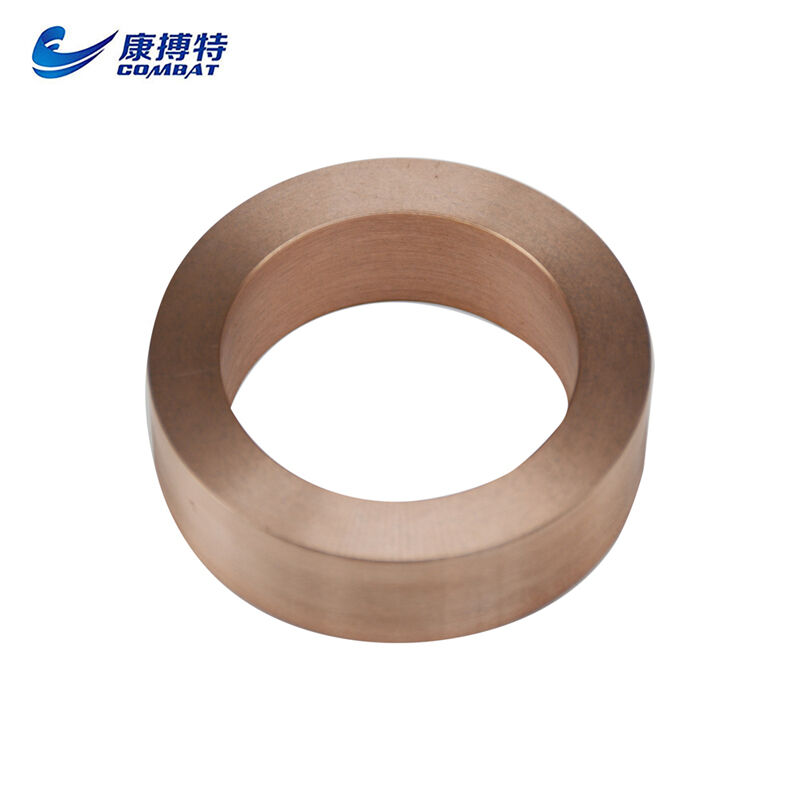
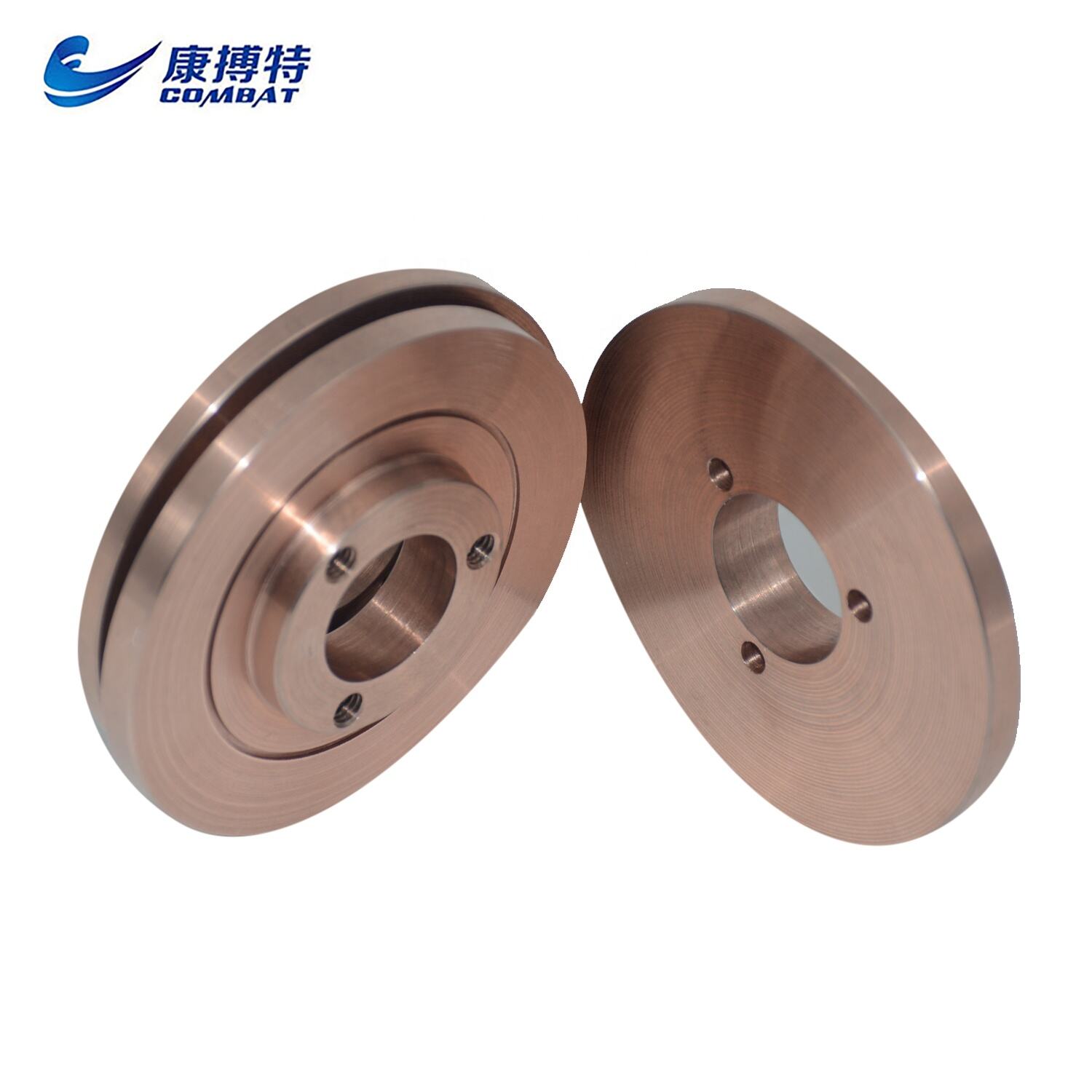
Tungsten nickel copper alloy demonstrates superior resistance to arc erosion, a critical property that determines the service life and reliability of electrical contacts in switching devices, circuit breakers, and relay systems. When electrical contacts separate under load, an arc forms between the separating surfaces, creating a plasma channel with temperatures exceeding 3000°C that vaporizes material from the contact surfaces. Over repeated switching cycles, this erosion degrades contact geometry, increases resistance, and eventually leads to failure. The tungsten component of the alloy provides the high melting point and refractory characteristics that resist vaporization, while the copper content ensures good electrical conductivity and helps extinguish the arc quickly by conducting heat away from the arc root. The nickel binder creates a tough, cohesive matrix that prevents material chunking or spalling under the mechanical and thermal stresses of arcing. This combination results in contacts that maintain their shape, surface finish, and electrical properties through hundreds of thousands of switching operations, far exceeding the performance of pure copper, silver, or conventional contact materials. In industrial motor starters, contactors, and power distribution switches that cycle frequently under heavy loads, tungsten nickel copper alloy contacts reduce maintenance requirements and extend equipment service life significantly. The material resists welding when contacts close under high inrush currents, preventing the stuck-contact failures that can disable equipment or create safety hazards. In automotive applications, where relays and switches must operate reliably in harsh environments with temperature extremes, vibration, and electrical noise, tungsten nickel copper alloy provides the durability needed for long vehicle service life. The aerospace industry specifies this material for critical switching applications where failure is not acceptable and replacement is difficult or impossible, such as in satellites and deep-space probes. Resistance welding electrodes made from tungsten nickel copper alloy deliver consistent weld quality through extended production runs because the electrode tips resist mushrooming and pitting that would alter current density distribution and weld nugget formation. Manufacturers achieve higher productivity with fewer electrode changes and more consistent weld strength, reducing scrap and rework. The arc erosion resistance also benefits EDM applications where controlled electrical discharges remove material from workpieces, with the electrode needing to maintain its shape and dimensions throughout the machining process to ensure accurate reproduction of the desired geometry. Power generation facilities use tungsten nickel copper alloy in high-voltage switchgear where the consequences of contact failure could include equipment damage, power outages, or safety incidents, making the superior arc erosion resistance a critical reliability factor.



 EN