Machining Copper Tungsten: Precision Components for High-Performance Applications

Get a Free Quote

Our representative will contact you soon.
Email
Name
Country/Region
Mobile/WhatsApp
Product Name
Message
0/1000

machining copper tungsten

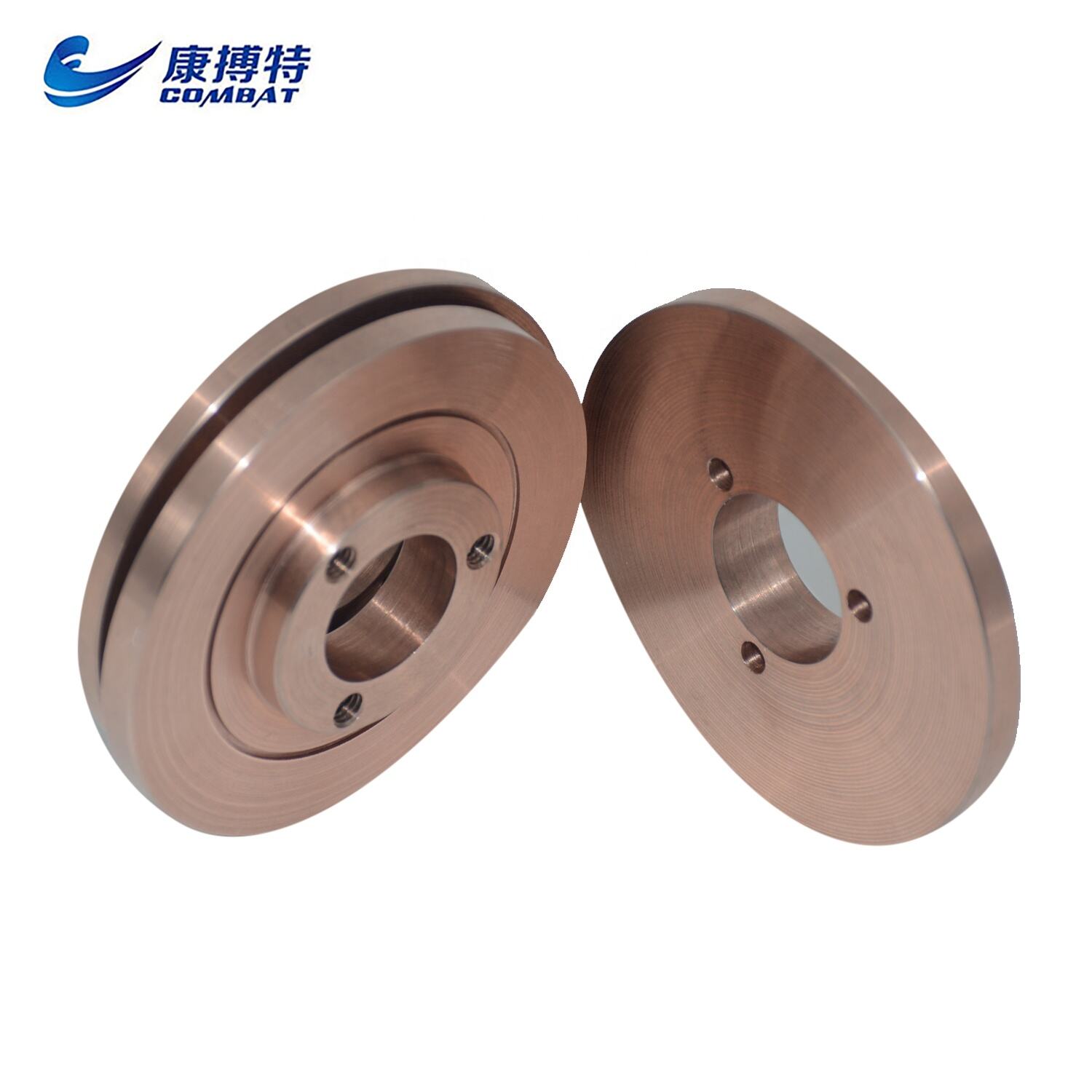
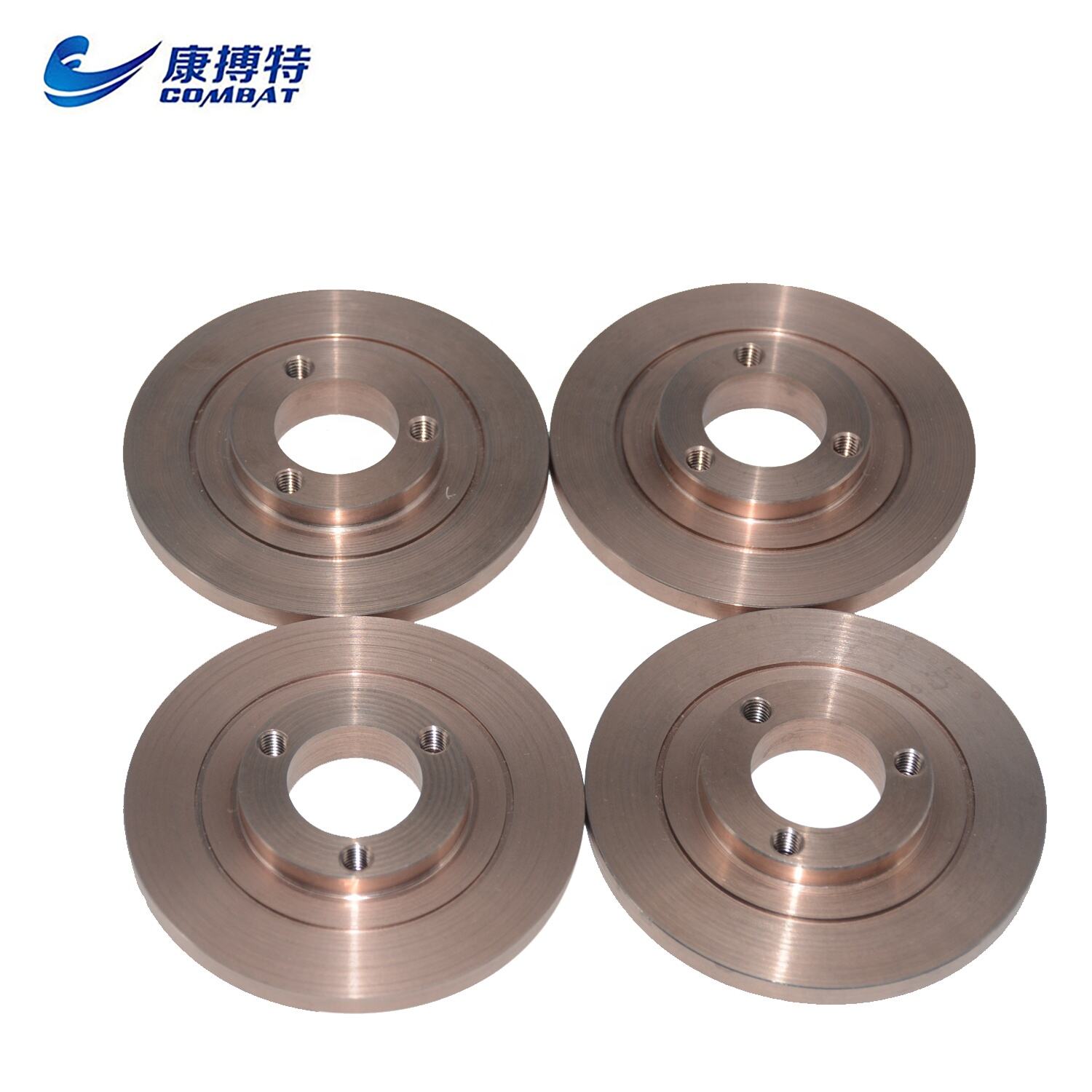
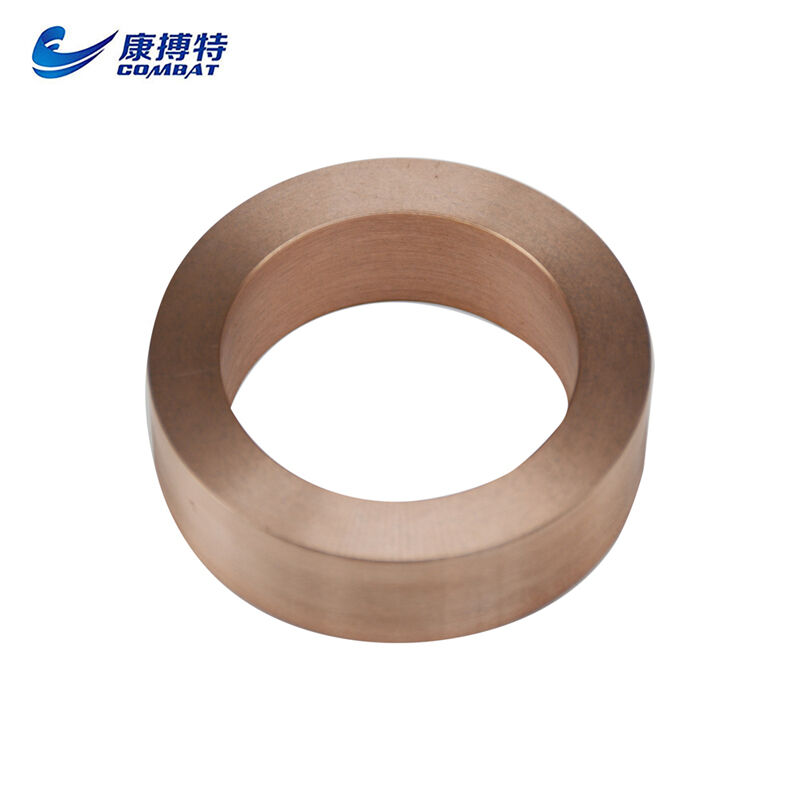
Machining copper tungsten represents a specialized metalworking process that transforms copper tungsten composite materials into precision components for demanding industrial applications. This advanced material combines copper's excellent electrical and thermal conductivity with tungsten's exceptional hardness and high-temperature resistance, creating a unique alloy that serves critical functions across multiple industries. The machining process involves cutting, drilling, milling, grinding, and shaping copper tungsten blanks into finished parts with tight tolerances and specific geometries. Copper tungsten typically contains 10 to 40 percent copper by weight, with the remainder being tungsten, though exact compositions vary based on intended applications. The material's heterogeneous structure presents unique challenges during fabrication, requiring specialized tooling, cutting parameters, and expertise to achieve optimal results. Machining copper tungsten enables manufacturers to produce electrical contacts, heat sinks, electrode materials, and resistance welding components that must withstand extreme operating conditions. The process accommodates various production volumes, from prototype development to mass manufacturing, making it accessible for diverse business needs. Modern CNC machining centers equipped with appropriate tooling can achieve surface finishes and dimensional accuracies that meet stringent quality standards. The technological features of machining copper tungsten include the ability to create complex geometries, maintain consistent material properties throughout the component, and produce parts with minimal porosity or defects. Applications span aerospace, electronics, automotive, energy generation, and defense sectors where component failure is not an option. The material's thermal management capabilities make it invaluable for high-power electronic devices, while its arc resistance properties prove essential in electrical switching applications. Understanding the machining process helps engineers and procurement specialists select appropriate manufacturing partners and specify realistic tolerances for their copper tungsten components.
New Product Recommendations

Choosing machining copper tungsten for your components delivers tangible benefits that directly impact product performance and operational costs. The material withstands temperatures exceeding 3000 degrees Celsius without losing structural integrity, ensuring your components continue functioning when other materials would fail catastrophically. This temperature resistance translates to longer service life in high-heat environments, reducing replacement frequency and minimizing downtime costs. The combination of copper and tungsten creates a material that conducts electricity efficiently while resisting erosion from electrical arcing, making it ideal for electrical contacts that must operate reliably through millions of switching cycles. Your products gain competitive advantages through improved durability and reduced maintenance requirements. The thermal conductivity of machined copper tungsten components enables effective heat dissipation in electronic assemblies, preventing thermal damage to sensitive circuits and extending overall system lifespan. This heat management capability becomes increasingly valuable as electronic devices grow more powerful and compact. Machining allows you to specify exact dimensions and surface finishes, ensuring components integrate seamlessly into your assemblies without costly modifications or adjustments. The process produces parts with consistent material properties throughout, eliminating weak points that could lead to premature failure. You benefit from design flexibility since machining accommodates complex shapes and features that would be difficult or impossible to achieve through other manufacturing methods. The material's density provides excellent radiation shielding properties, offering protection in nuclear and medical applications without requiring additional shielding layers. Machined copper tungsten resists wear and deformation under mechanical stress, maintaining precise tolerances throughout extended service periods. This dimensional stability proves critical in applications where component alignment affects performance. The material's low coefficient of thermal expansion minimizes dimensional changes across temperature variations, ensuring reliable operation in environments with fluctuating thermal conditions. You can specify surface treatments and coatings that further enhance performance characteristics for specific applications. The established supply chain for copper tungsten materials and machining services provides reliable access to components when you need them, supporting both scheduled production and urgent replacement requirements. Machining copper tungsten delivers measurable improvements in component reliability, operational efficiency, and total cost of ownership compared to alternative materials and processes.

Latest News

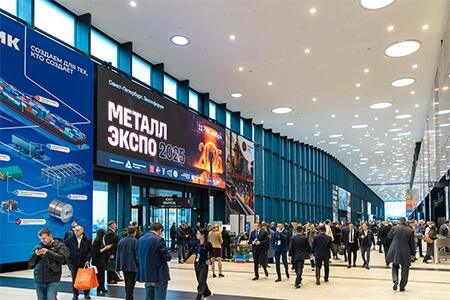
The 31st Russia International Metal and Metallurgy Industry Exhibition 2025 (Metal-Expo)

24

Apr

The 31st Russia International Metal and Metallurgy Industry Exhibition 2025 (Metal-Expo)

View More
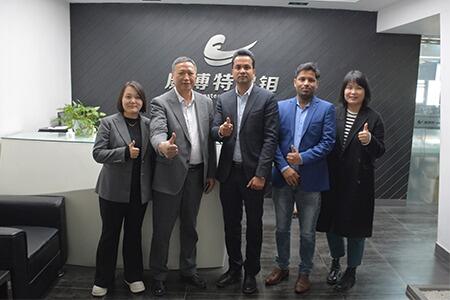
Indian Delegation Visits Youbo, Signs Molybdenum Bar and Tungsten Alloy Procurement Agreement​​

24

Apr

Indian Delegation Visits Youbo, Signs Molybdenum Bar and Tungsten Alloy Procurement Agreement​​

View More
International Ferroalloys 2025

24

Apr

International Ferroalloys 2025

View More
The Grand Opening Of The 2025 China International Powder Metallurgy, Hard Alloy And Advanced Ceramics Exhibition

24

Apr

The Grand Opening Of The 2025 China International Powder Metallurgy, Hard Alloy And Advanced Ceramics Exhibition

View More

Get a Free Quote

Our representative will contact you soon.
Email
Name
Country/Region
Mobile/WhatsApp
Product Name
Message
0/1000

machining copper tungsten

Superior Thermal Management for High-Power Applications

Superior Thermal Management for High-Power Applications

Machining copper tungsten creates components with exceptional thermal management capabilities that solve critical heat dissipation challenges in high-power electronic and electrical systems. The material's unique composition combines copper's outstanding thermal conductivity with tungsten's ability to maintain structural integrity at elevated temperatures, resulting in heat sinks and thermal management components that outperform pure copper or aluminum alternatives in demanding environments. When electronic devices generate significant heat during operation, that thermal energy must be efficiently transferred away from sensitive components to prevent performance degradation or catastrophic failure. Machined copper tungsten components accomplish this heat transfer more effectively than conventional materials while occupying less space and withstanding harsher operating conditions. The tungsten content provides a stable structural matrix that prevents softening or deformation at temperatures where pure copper would lose mechanical strength, ensuring your thermal management components maintain their shape and contact pressure throughout their service life. This stability becomes particularly important in applications where thermal cycling occurs repeatedly, as dimensional changes could compromise thermal interfaces and reduce heat transfer efficiency. The machining process allows engineers to optimize component geometry for maximum heat dissipation, incorporating fins, channels, and surface features that increase effective surface area without adding excessive weight or volume. These geometric optimizations, combined with the material's inherent thermal properties, enable compact thermal solutions for space-constrained applications in aerospace, telecommunications, and power electronics sectors. Machined copper tungsten heat sinks maintain consistent performance across wide temperature ranges, from cryogenic conditions to extreme heat, providing reliable thermal management regardless of environmental variations. The material's thermal expansion coefficient closely matches many semiconductor materials, minimizing thermal stress at component interfaces and reducing the risk of solder joint failure or delamination. This thermal compatibility extends component lifespan and improves overall system reliability. Manufacturing precision achieved through machining ensures flat, smooth mounting surfaces that maximize thermal contact area and minimize interface resistance, critical factors in achieving optimal heat transfer. The combination of material properties and manufacturing precision delivers thermal management solutions that enable higher power densities, smaller form factors, and improved reliability in next-generation electronic systems.
Exceptional Electrical Contact Performance and Longevity

Exceptional Electrical Contact Performance and Longevity

Machining copper tungsten produces electrical contacts and electrodes that deliver superior performance and extended service life in switching applications, welding equipment, and electrical discharge machining systems. The material's unique properties address the fundamental challenges faced by electrical contacts: maintaining low electrical resistance while resisting erosion from electrical arcing and mechanical wear. Pure copper offers excellent conductivity but erodes quickly under arcing conditions, while pure tungsten resists erosion but conducts electricity poorly. Machined copper tungsten components combine the best attributes of both elements, creating contacts that conduct current efficiently while withstanding the destructive effects of repeated arcing events. This balanced performance translates directly to reduced maintenance costs and improved system uptime for equipment operators. In circuit breakers, contactors, and switches, machined copper tungsten contacts maintain stable contact resistance throughout millions of operating cycles, ensuring consistent electrical performance and preventing the voltage drops that could affect connected equipment. The material's arc resistance prevents the material transfer and surface degradation that plague contacts made from softer materials, maintaining smooth contact surfaces that close reliably and minimize contact bounce. This reliability proves essential in safety-critical applications where contact failure could have serious consequences. The machining process enables precise control over contact geometry, including radius, thickness, and surface finish, allowing engineers to optimize contact design for specific voltage, current, and switching frequency requirements. Machined copper tungsten electrodes for resistance welding applications deliver consistent weld quality through extended production runs, reducing electrode dressing frequency and minimizing production interruptions. The material's thermal conductivity efficiently removes heat from the weld zone while its hardness resists mushrooming and deformation under the mechanical forces involved in welding operations. In electrical discharge machining applications, machined copper tungsten electrodes maintain sharp edges and fine details through extended machining cycles, producing more parts per electrode and reducing tooling costs. The material's erosion resistance ensures dimensional accuracy throughout the EDM process, maintaining tight tolerances on machined workpieces. Machining copper tungsten contacts and electrodes to precise specifications ensures optimal electrical and mechanical performance, maximizing the return on investment for equipment owners and operators across industrial, commercial, and utility applications.
Versatile Manufacturing Capabilities for Custom Solutions

Versatile Manufacturing Capabilities for Custom Solutions

Machining copper tungsten offers unparalleled versatility in producing custom components that meet specific application requirements across diverse industries and operating conditions. Unlike casting or powder metallurgy processes that may limit geometric complexity or require expensive tooling for each design variation, machining starts with standard copper tungsten stock material and removes material to create the desired shape, enabling rapid prototyping and cost-effective small-batch production. This manufacturing flexibility empowers engineers to iterate designs quickly, testing multiple configurations to optimize performance before committing to large production volumes. The process accommodates components ranging from miniature electrical contacts weighing grams to substantial heat sinks and structural elements weighing kilograms, serving applications from consumer electronics to industrial power systems. Modern CNC machining centers execute complex tool paths with micron-level precision, creating intricate features like cooling channels, mounting holes, and contoured surfaces that enhance component functionality. Machining copper tungsten allows manufacturers to hold tight tolerances on critical dimensions, ensuring components fit precisely into assemblies and maintain proper alignment with mating parts. This dimensional accuracy eliminates the need for hand-fitting or secondary operations that add cost and time to production schedules. The process produces excellent surface finishes that may eliminate or reduce subsequent polishing operations, depending on application requirements. Surface finish directly affects electrical contact resistance, thermal interface performance, and aesthetic appearance, making it a critical specification for many copper tungsten components. Machining accommodates various copper tungsten compositions, from copper-rich formulations optimized for thermal and electrical conductivity to tungsten-rich compositions that prioritize hardness and erosion resistance. This compositional flexibility allows material selection to be tailored to specific performance requirements rather than forcing designs to accommodate available materials. The established infrastructure for machining copper tungsten includes specialized cutting tools, optimized machining parameters, and quality control procedures that ensure consistent results across production batches. Manufacturers can specify post-machining treatments like plating, coating, or heat treatment to further customize component properties for specific environments or performance requirements. The ability to machine complex geometries enables integration of multiple functions into single components, reducing assembly complexity and potential failure points. Machining copper tungsten supports both subtractive features like pockets and holes and additive processes when components are machined from oversized blanks, providing design freedom that enhances product innovation and differentiation in competitive markets.

Get a Free Quote

Our representative will contact you soon.
Email
Name
Country/Region
Mobile/WhatsApp
Product Name
Message
0/1000