Unmatched Corrosion Resistance for Extreme Chemical Environments
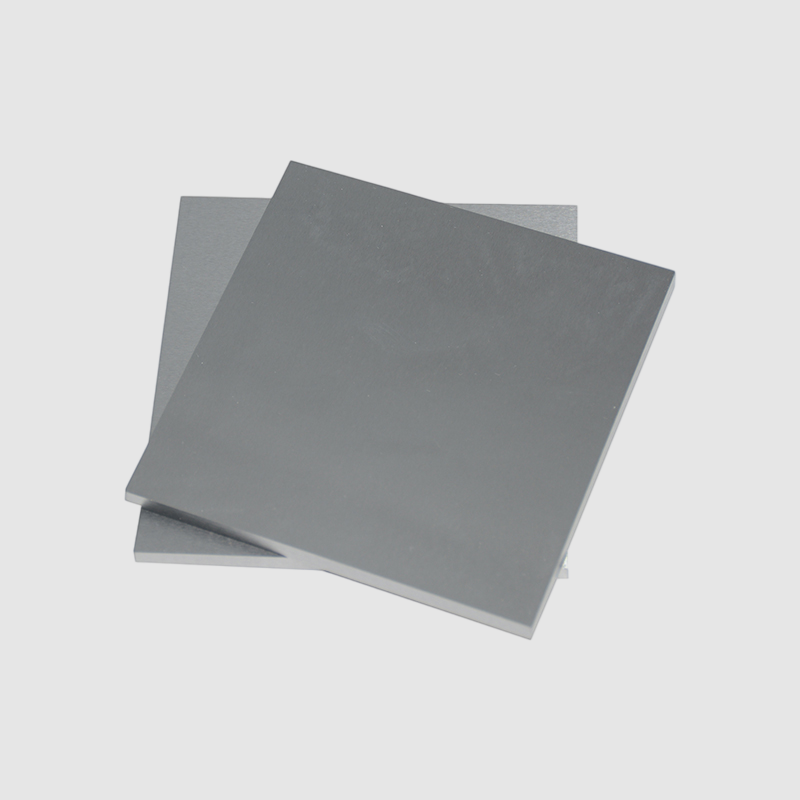
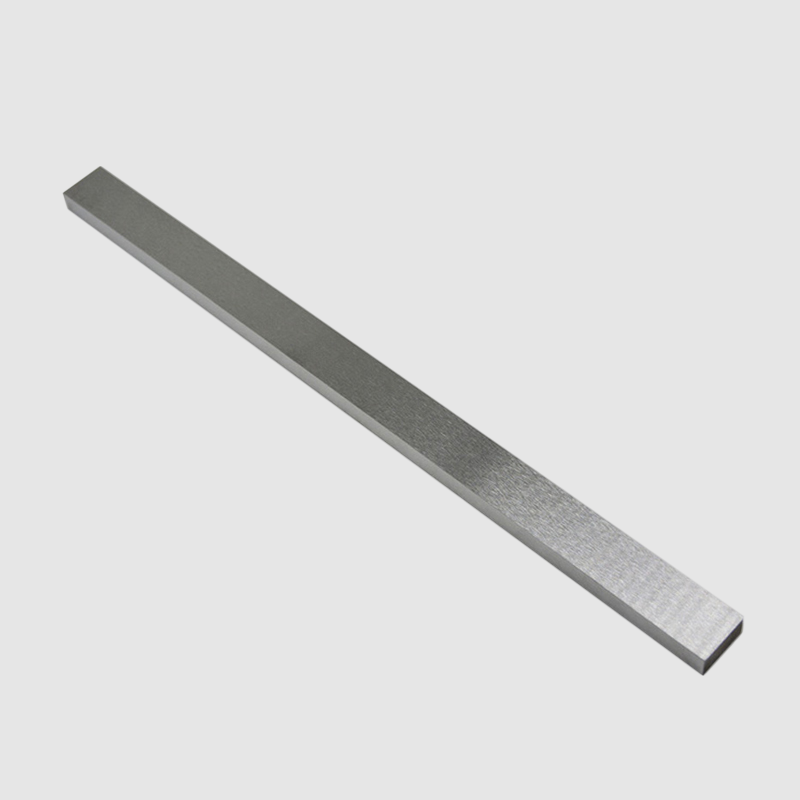
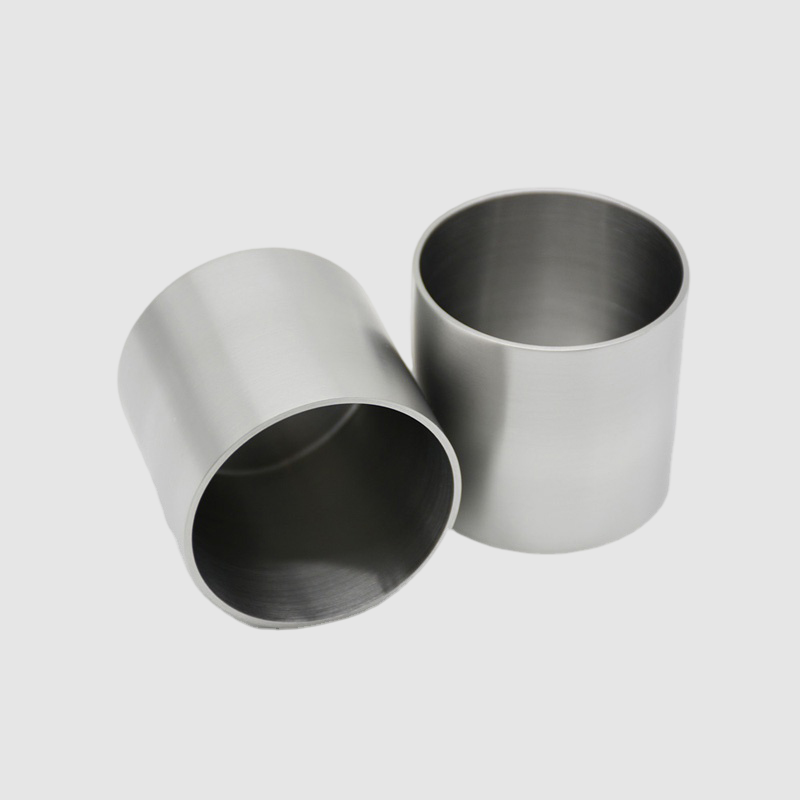
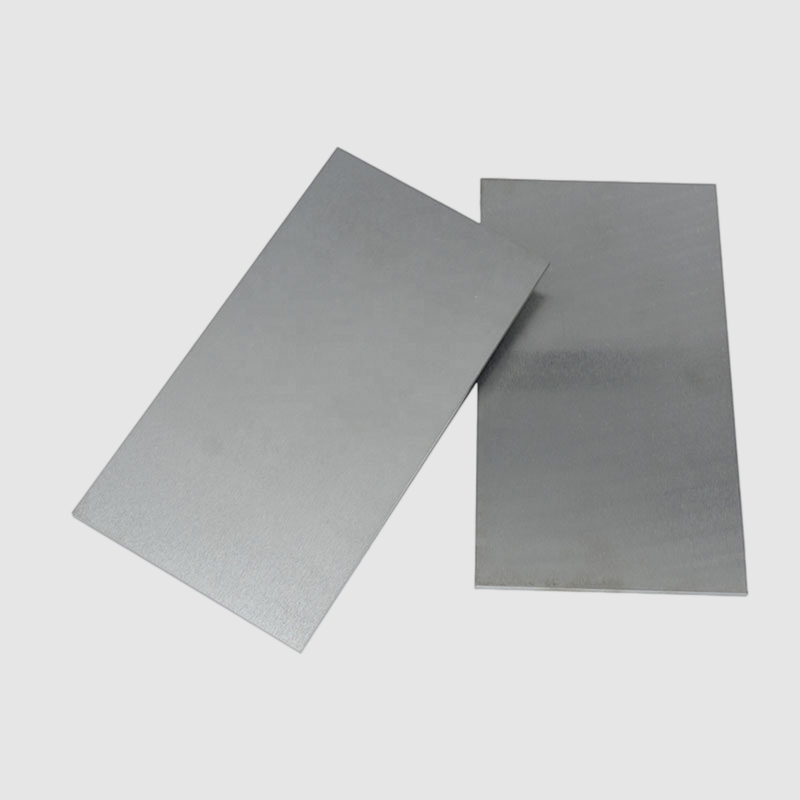
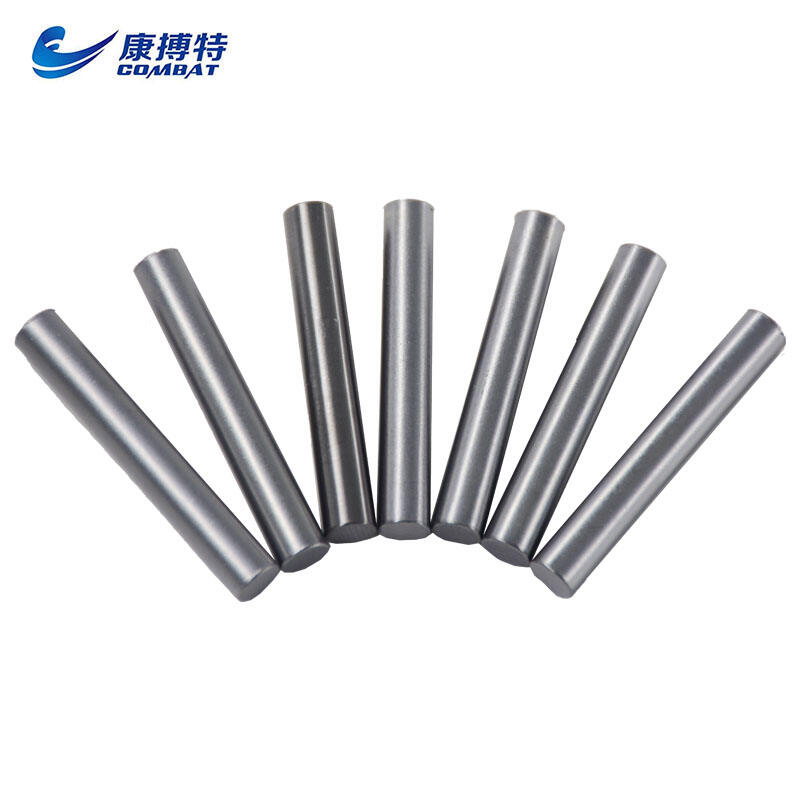
The corrosion resistance of tantalum bar sets it apart as the premier choice for chemical processing industries facing the most aggressive substances. This metal withstands concentrated sulfuric acid, hydrochloric acid, nitric acid, and even aqua regia at temperatures where other materials rapidly deteriorate. The protective oxide layer that forms naturally on tantalum bar surfaces creates an impermeable barrier against chemical attack, self-healing when damaged and maintaining protection throughout the material's service life. Industries processing pharmaceuticals, petrochemicals, and specialty chemicals rely on this resistance to ensure product purity and prevent contamination from equipment degradation. The economic impact of this corrosion resistance extends beyond material longevity to include reduced downtime, lower maintenance costs, and elimination of product losses from contaminated batches. Tantalum bar maintains dimensional stability in corrosive environments, preventing the gradual thinning and weakening that compromises structural integrity in reactive metals. This stability ensures that pressure vessels, piping systems, and reactor components maintain their design specifications throughout extended service periods, supporting safety compliance and operational reliability. The material's resistance extends to alkaline environments as well, making tantalum bar versatile across the pH spectrum where few materials perform adequately. Manufacturing facilities benefit from simplified material selection processes, as tantalum bar provides a universal solution for diverse chemical handling requirements within a single plant. The absence of corrosion products means cleaner processes, reduced filtration requirements, and lower disposal costs for contaminated materials. Quality assurance teams appreciate the predictability that tantalum bar brings to production, as material performance remains consistent regardless of process variations or chemical composition changes. The investment in tantalum bar for critical applications pays dividends through extended equipment lifecycles that can span decades rather than years, fundamentally changing the economics of chemical processing operations and allowing more accurate long-term financial planning for facility managers and corporate decision-makers.


 EN