Unmatched Corrosion Resistance for Harsh Chemical Environments
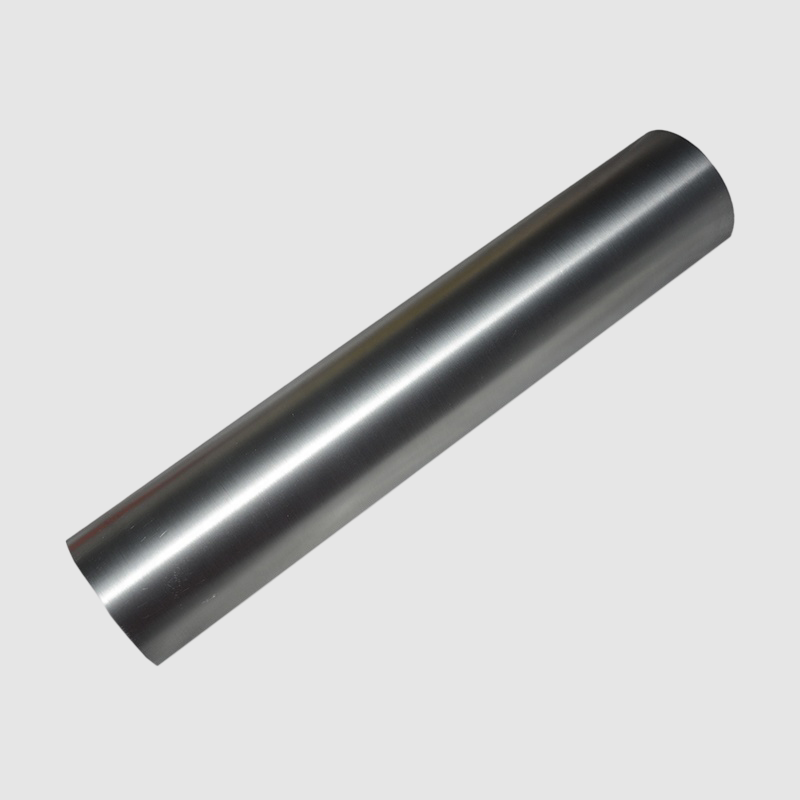
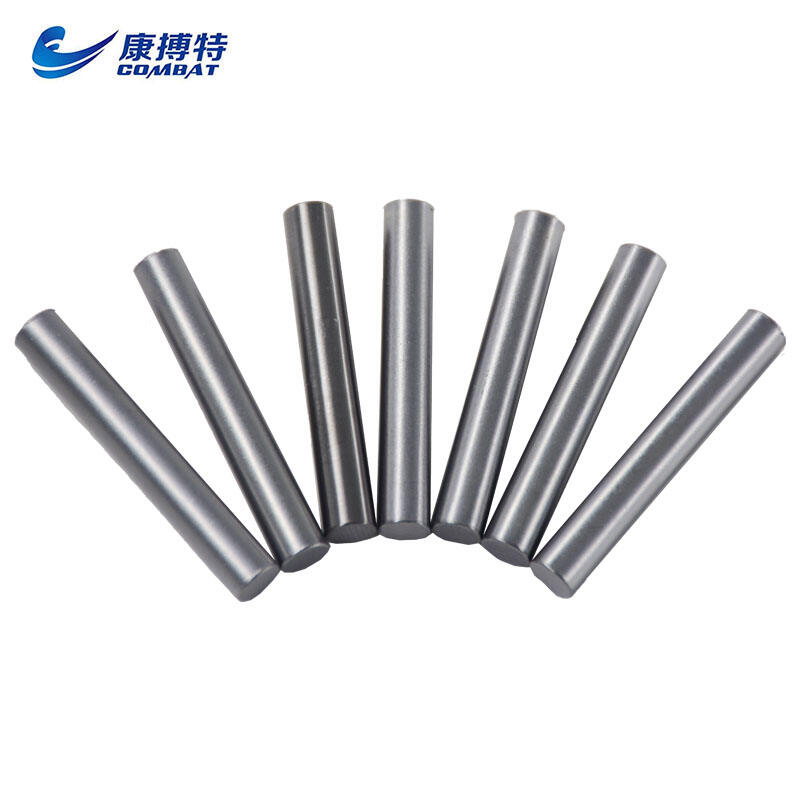
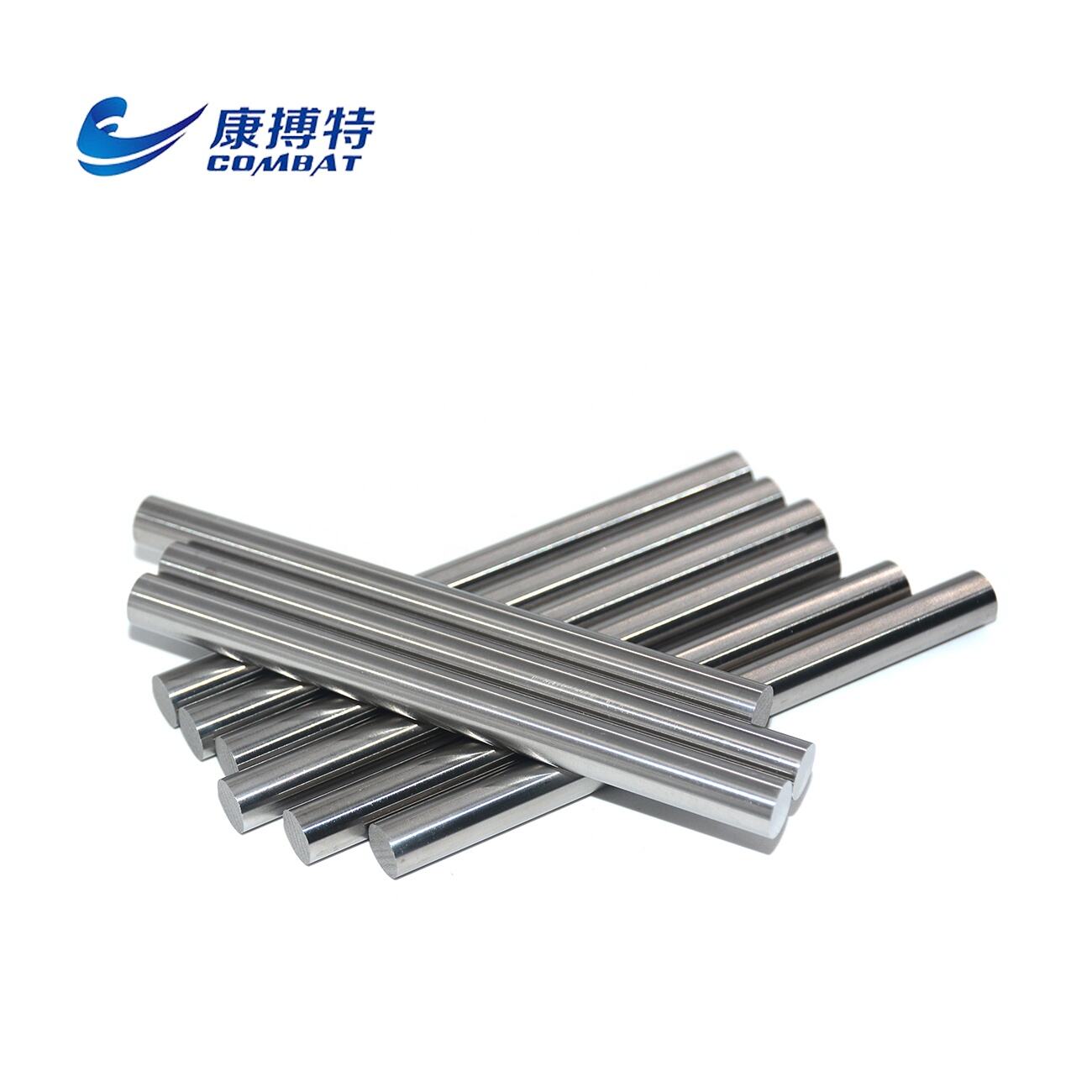
The corrosion resistance of tantalum round bar stands as its most compelling feature, providing unparalleled protection in chemical processing environments where material degradation poses constant challenges. This metal forms a stable, self-healing oxide layer that protects the underlying material from attack by acids, alkalis, and other aggressive chemicals. Unlike stainless steel or other common metals that show vulnerability to specific corrosive agents, tantalum round bar demonstrates broad-spectrum resistance across nearly all chemical environments encountered in industrial settings. When exposed to concentrated sulfuric acid at elevated temperatures, conditions that rapidly destroy most metals, tantalum round bar maintains its structural integrity and surface finish. This exceptional resistance extends to hydrochloric acid, nitric acid, and aqua regia, making it the material of choice for reaction vessels, heat exchangers, and piping systems in chemical plants. The economic value of this corrosion resistance becomes apparent when calculating total cost of ownership. While the initial material cost of tantalum round bar exceeds that of conventional metals, the elimination of frequent replacements, reduced downtime, and lower maintenance requirements result in substantial savings over the equipment's operational life. Manufacturing facilities that switch to tantalum round bar for critical components report dramatic reductions in unplanned maintenance events and extended intervals between scheduled overhauls. The material's resistance to pitting and crevice corrosion ensures that components maintain their dimensional accuracy and surface quality throughout their service life, critical factors in applications requiring precise flow control or sealing surfaces. In pharmaceutical manufacturing, where product contamination from corroding equipment can result in batch losses and regulatory issues, tantalum round bar provides peace of mind through its inert behavior. The material does not leach ions into process streams, maintaining product purity and meeting stringent quality standards. Environmental benefits also emerge from using tantalum round bar, as the material's longevity reduces waste generation and the environmental impact associated with manufacturing and disposing of replacement components.



 EN