Superior Chemical Resistance for Demanding Industrial Environments
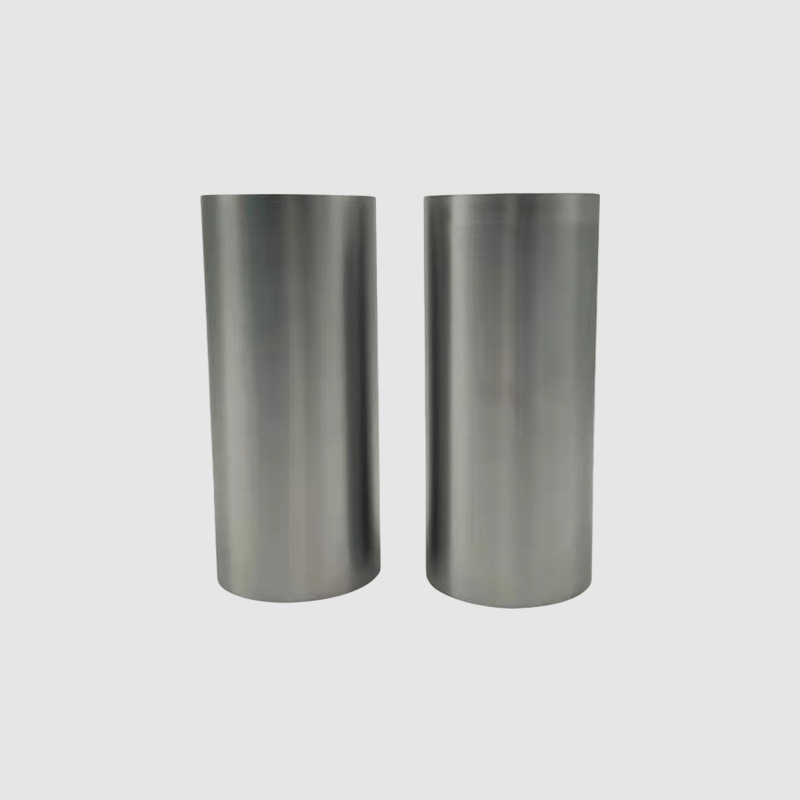
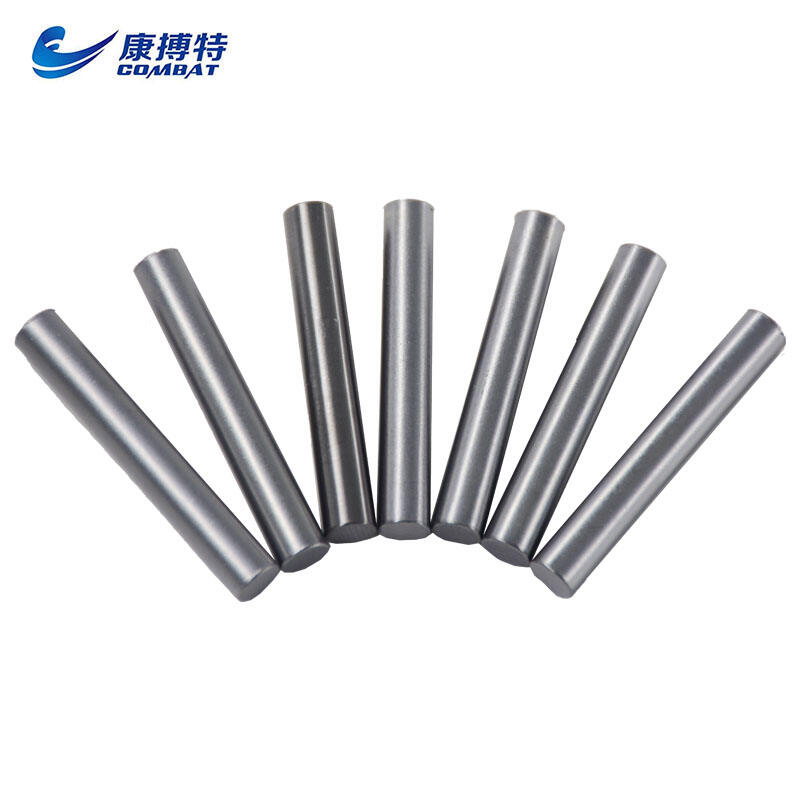
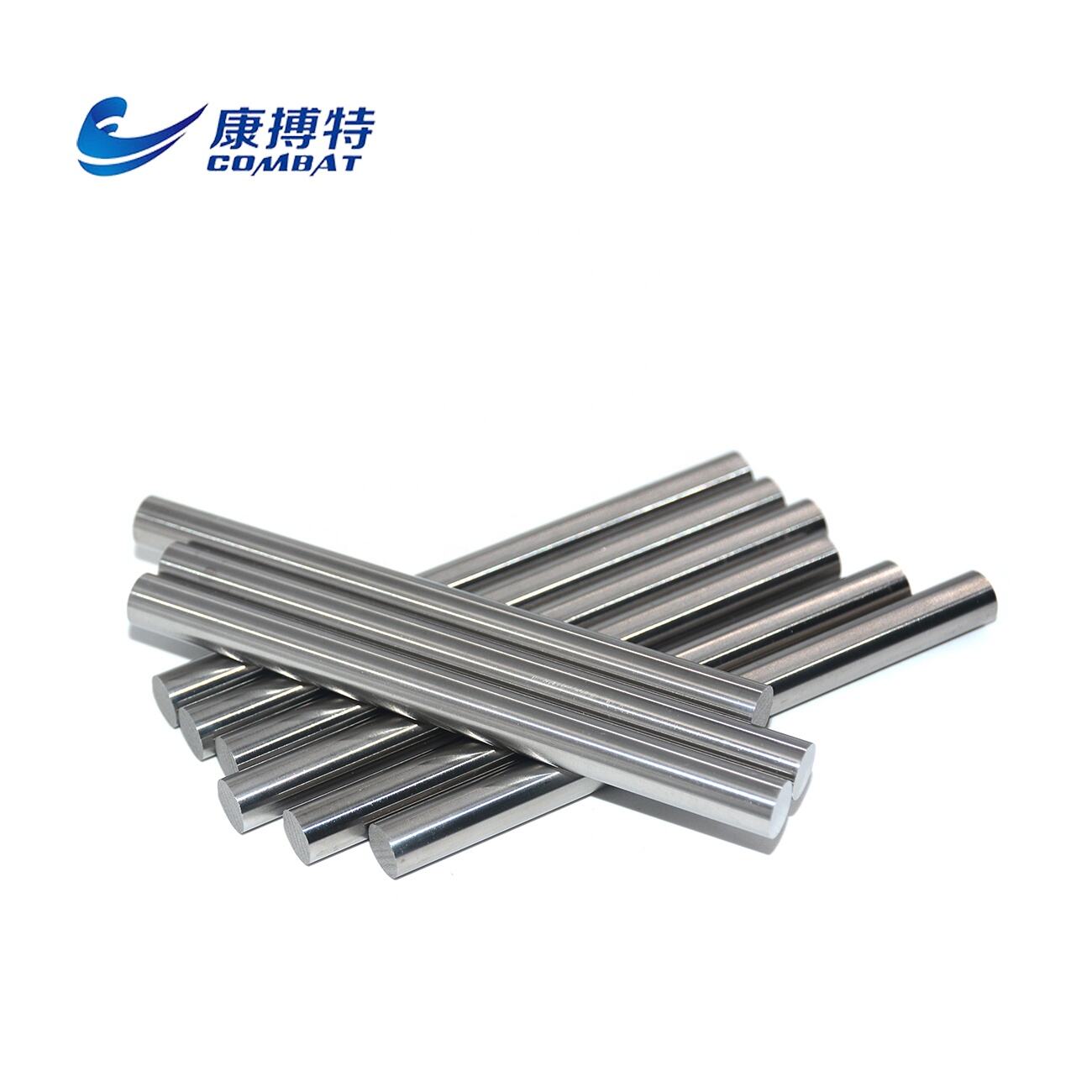
The chemical resistance of tantalum rod stands as its most celebrated attribute, providing unparalleled protection against corrosive attack in the harshest industrial settings. This remarkable property stems from the formation of a stable, self-healing oxide layer on the surface that acts as an impenetrable barrier against chemical penetration. Unlike stainless steel or other common alloys that suffer pitting, crevice corrosion, or stress corrosion cracking when exposed to aggressive media, tantalum rod maintains its smooth, intact surface indefinitely. Chemical processing plants handling concentrated sulfuric acid, hydrochloric acid, phosphoric acid, and other corrosive substances rely on tantalum rod for critical components such as heating coils, thermowell tubes, and agitator shafts. The material resists attack from both oxidizing and reducing acids, a combination that defeats most other metals. Pharmaceutical manufacturers processing active ingredients in acidic or alkaline solutions specify tantalum rod for reactor internals and transfer lines to prevent contamination and ensure product purity. The absence of corrosion products means no metallic ions leach into process streams, maintaining the integrity of sensitive formulations. Chlor-alkali plants producing chlorine and caustic soda incorporate tantalum rod into electrolytic cells where the simultaneous presence of chlorine gas and sodium hydroxide solution would rapidly destroy conventional materials. The economic impact of this corrosion resistance cannot be overstated, as equipment constructed with tantalum rod operates for decades without replacement, while alternative materials might require renewal every few years. The elimination of unplanned shutdowns for equipment repair or replacement keeps production lines running continuously, maximizing output and profitability. Environmental benefits also accrue from using tantalum rod, as the long service life reduces waste generation and the need for manufacturing replacement parts. The material's resistance extends to organic solvents, including chlorinated hydrocarbons, ketones, and esters, making it suitable for specialty chemical production and solvent recovery systems. Even in applications involving simultaneous exposure to multiple corrosive agents at elevated temperatures, tantalum rod performs reliably where material selection would otherwise present significant challenges.



 EN