Exceptional Chemical Resistance Delivers Unmatched Equipment Longevity
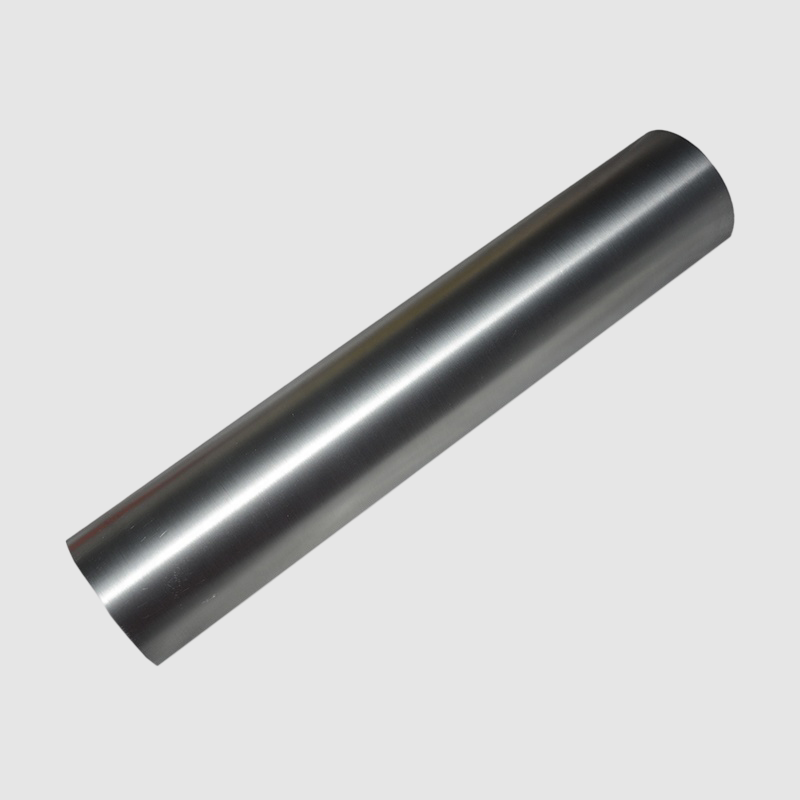
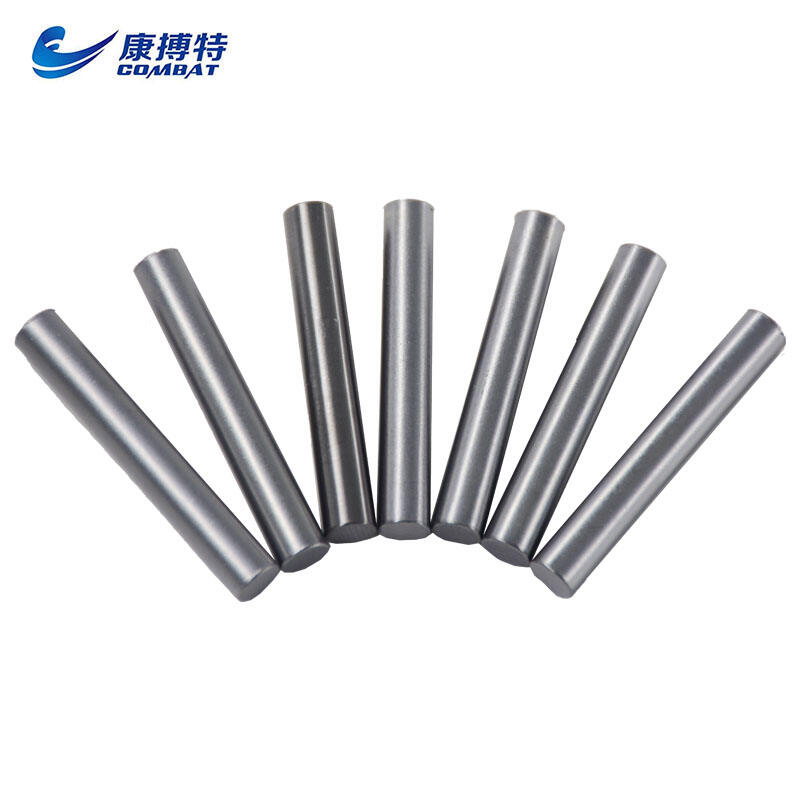
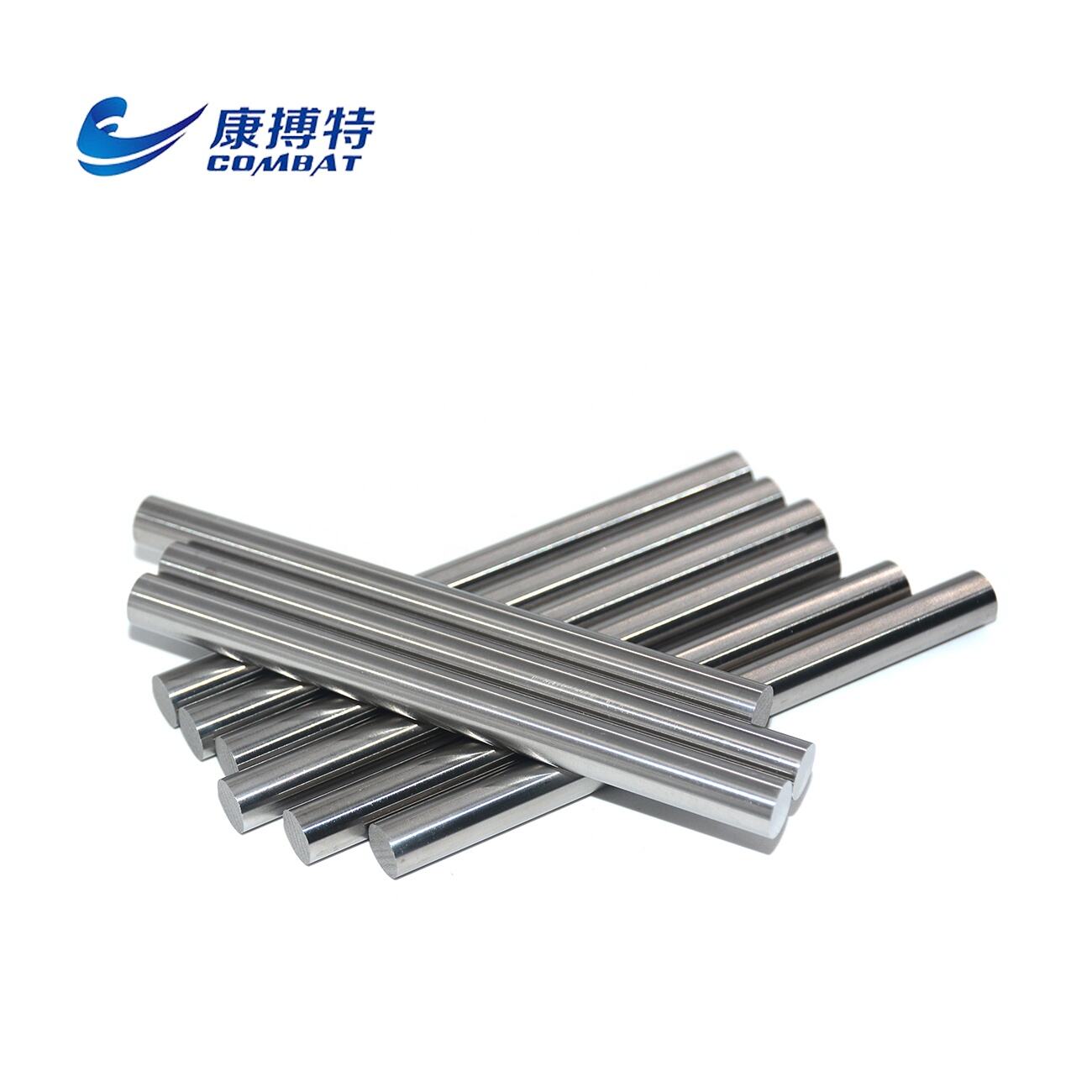
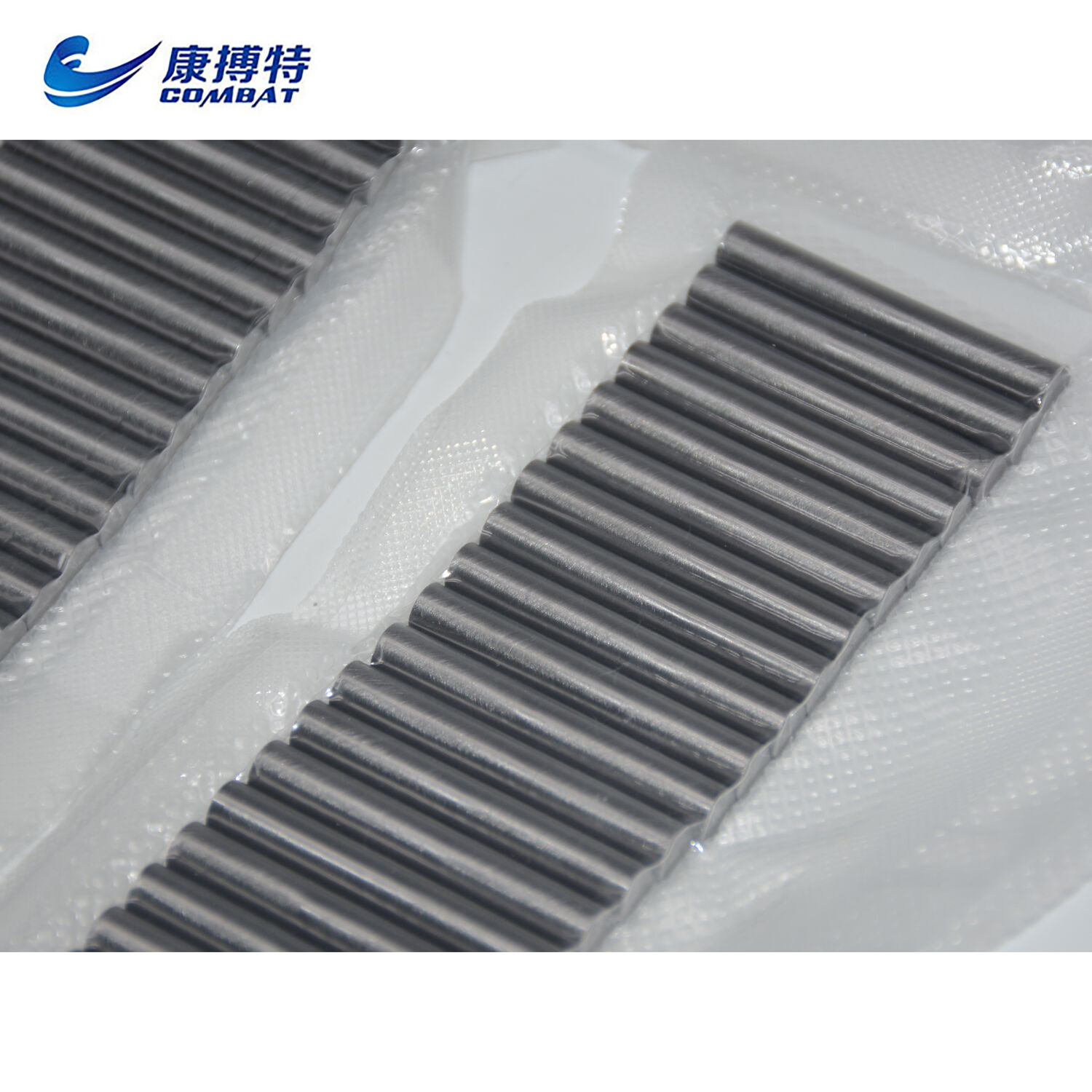
The tantalum rod price reflects one of the material's most valuable characteristics: its extraordinary resistance to chemical attack from virtually all acids, bases, and corrosive compounds at temperatures up to 150 degrees Celsius. Unlike stainless steel, titanium, or other common industrial metals that corrode when exposed to hydrochloric acid, sulfuric acid, nitric acid, or aqua regia, tantalum rods maintain their structural integrity and surface finish indefinitely in these aggressive environments. This exceptional corrosion resistance stems from tantalum's ability to form a dense, adherent oxide layer that self-heals when damaged, providing continuous protection without requiring external coatings or treatments. For chemical processing facilities, the tantalum rod price represents a strategic investment that eliminates the recurring costs of equipment replacement, unplanned downtime, and contamination issues associated with corroding metal components. Reactors, heat exchangers, and mixing vessels equipped with tantalum rods operate reliably for decades rather than requiring replacement every few years, dramatically reducing total cost of ownership despite the higher initial tantalum rod price. The material's inertness also prevents metal ion contamination of processed chemicals, ensuring product purity in pharmaceutical manufacturing, specialty chemical production, and high-purity solvent processing where even trace contamination causes batch failures and regulatory compliance issues. Industries handling bromine, chlorine, and other halogens particularly benefit from tantalum's resistance, as these aggressive chemicals rapidly destroy alternative materials. The tantalum rod price also reflects the material's stability in hot concentrated acids, enabling processes to operate at elevated temperatures that improve reaction kinetics and throughput without compromising equipment integrity. This temperature capability expands process design options and optimizes production efficiency in ways impossible with corrosion-prone materials. Additionally, tantalum rods resist stress corrosion cracking and hydrogen embrittlement, failure modes that cause sudden catastrophic failures in other metals under combined mechanical and chemical stress. This reliability enhances workplace safety and prevents environmental releases from equipment failures, protecting both personnel and surrounding communities while avoiding costly cleanup and regulatory penalties.


 EN