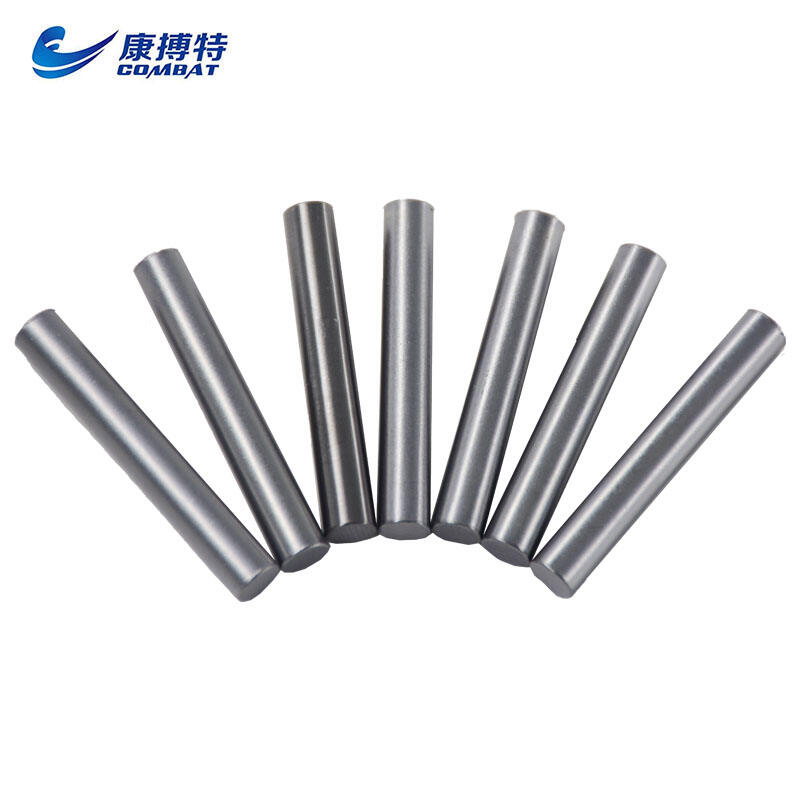
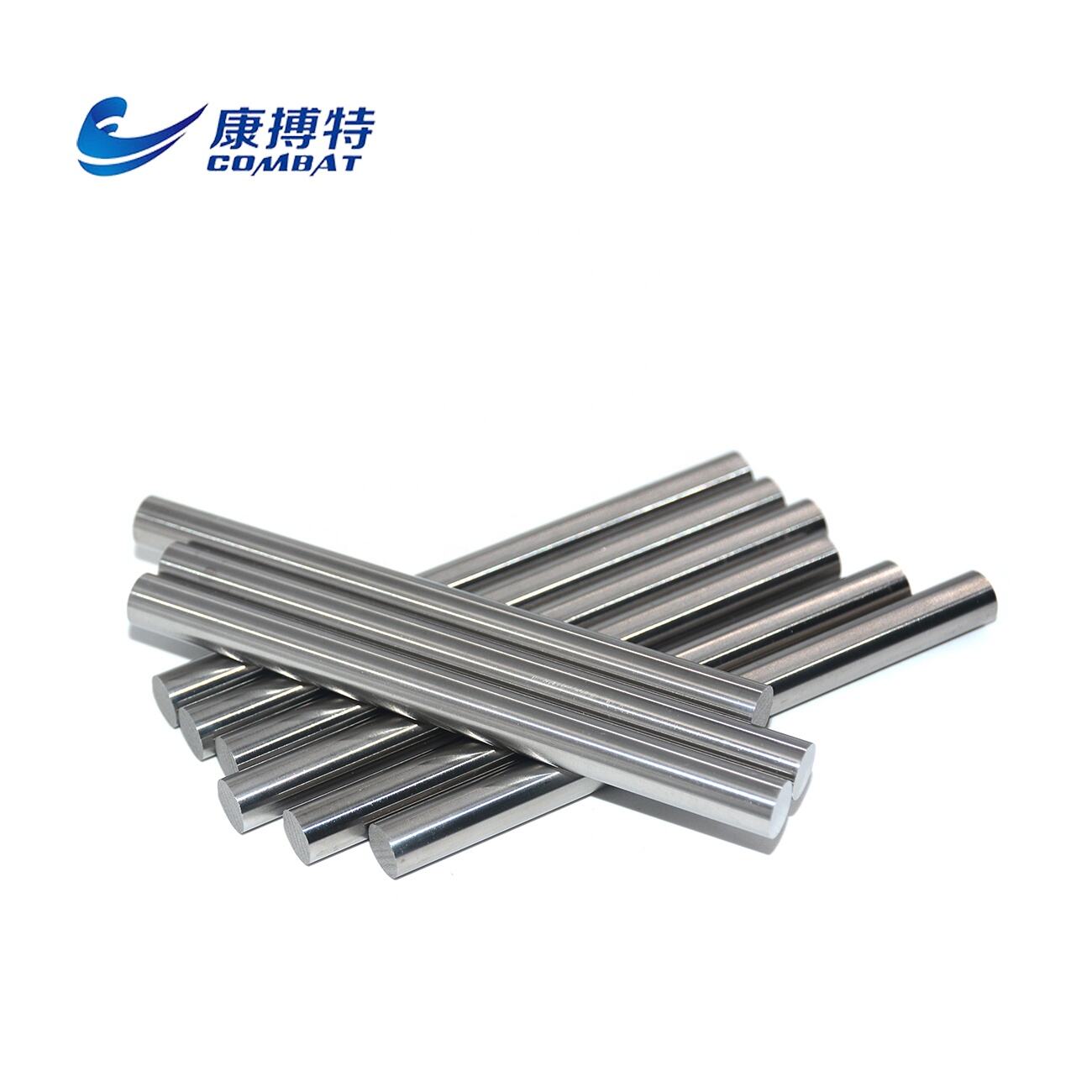
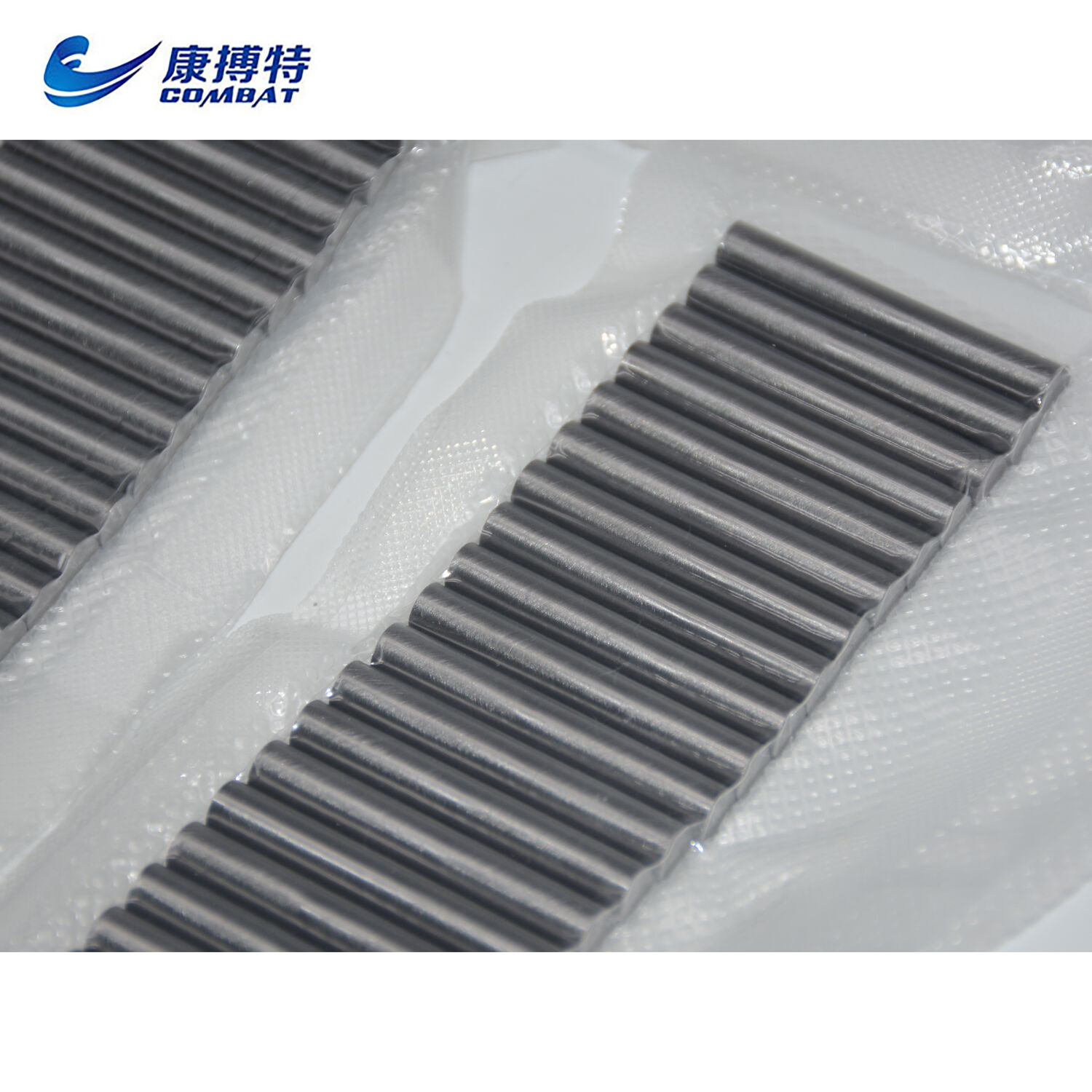
Premium Tantalum Bar Stock - Corrosion Resistant Metal Bars for Industrial Applications

Get a Free Quote

Our representative will contact you soon.
Email
Name
Country/Region
Mobile/WhatsApp
Product Name
Message
0/1000

tantalum bar stock

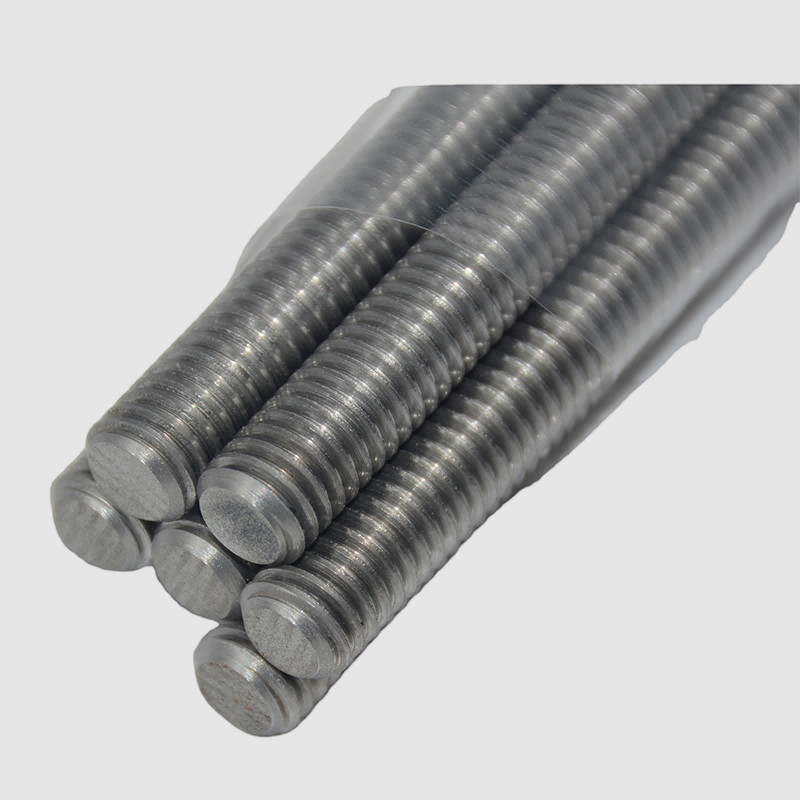
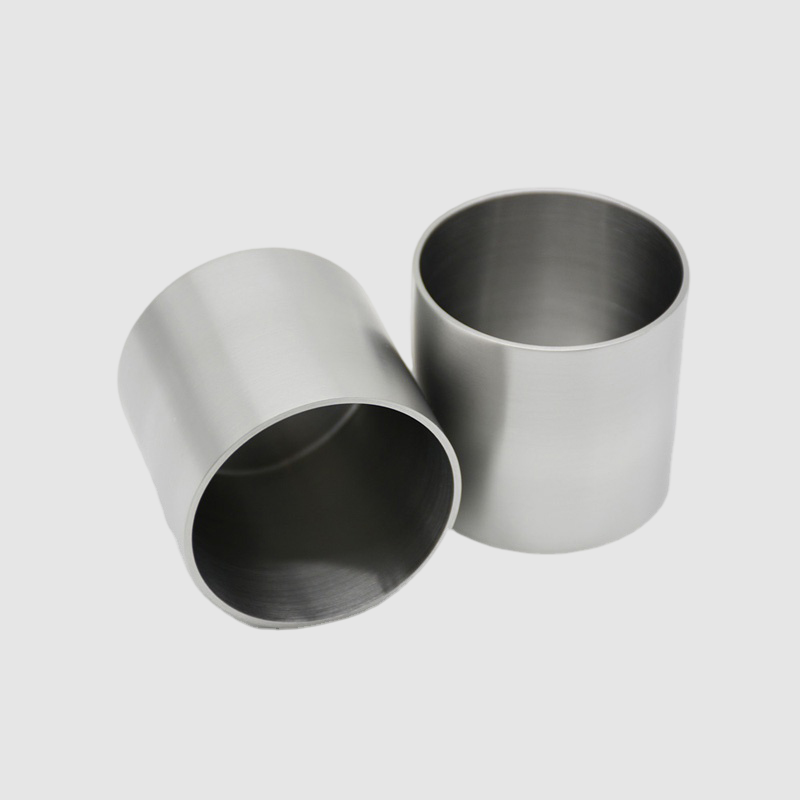
Tantalum bar stock represents a premium metallic material that delivers exceptional performance across demanding industrial applications. This specialized form of tantalum comes in solid bar configurations, manufactured through precise metallurgical processes to ensure consistent quality and reliable mechanical properties. Tantalum bar stock serves as a fundamental component in chemical processing equipment, aerospace engineering, medical device manufacturing, and electronics production. The material exhibits remarkable resistance to corrosion, maintaining structural integrity even when exposed to aggressive acids, alkalis, and high-temperature environments. Engineers and manufacturers select tantalum bar stock for applications where conventional metals would fail, particularly in systems handling corrosive substances or operating under extreme conditions. The bars are available in various diameters and lengths, allowing fabricators to machine custom components tailored to specific project requirements. Manufacturing processes for tantalum bar stock involve powder metallurgy or electron beam melting techniques, resulting in dense, uniform material with minimal impurities. This production method ensures that each bar maintains consistent chemical composition and mechanical characteristics throughout its entire length. The material's unique atomic structure provides natural resistance to chemical attack, eliminating the need for protective coatings or frequent replacements. Industries rely on tantalum bar stock when designing systems that demand long-term reliability and minimal maintenance. The bars can be machined using conventional metalworking equipment, though specialized tooling and techniques optimize results. Fabricators transform tantalum bar stock into fasteners, valve components, heat exchanger parts, crucibles, and specialized fittings. The material's biocompatibility makes it particularly valuable in medical implants and surgical instruments, where human tissue contact requires non-reactive materials. Tantalum bar stock maintains dimensional stability across wide temperature ranges, preventing warping or degradation that compromises system performance. This stability proves essential in precision applications where tight tolerances must be maintained throughout the component's service life.

New Product Releases

Choosing tantalum bar stock provides manufacturers with multiple practical benefits that directly impact operational efficiency and long-term cost management. The material resists corrosion from virtually all acids at temperatures below 150 degrees Celsius, including hydrochloric acid, sulfuric acid, and nitric acid. This resistance eliminates the frequent replacement cycles associated with stainless steel or other common metals in corrosive environments. Facilities using tantalum bar stock components experience reduced downtime, as the material maintains its integrity for decades rather than months. The extended service life translates to lower total ownership costs, even though initial material investment exceeds conventional alternatives. Tantalum bar stock machines cleanly without excessive tool wear, allowing fabricators to produce complex geometries with tight tolerances. The material's ductility permits forming operations, enabling manufacturers to create custom shapes that meet specific design requirements. Unlike brittle ceramics or fragile glass linings, tantalum bar stock withstands mechanical stress and thermal cycling without cracking or fracturing. This durability proves crucial in applications involving pressure fluctuations, vibration, or thermal expansion. The material's high melting point of 3017 degrees Celsius ensures stability in elevated temperature processes where other metals would soften or deform. Tantalum bar stock conducts heat efficiently, facilitating uniform temperature distribution in heat transfer applications. The material's density provides structural strength in compact designs, allowing engineers to minimize component size without sacrificing performance. Biocompatibility makes tantalum bar stock ideal for medical applications, as the human body does not reject or react negatively to the material. Surgeons use components made from these bars in orthopedic implants, dental fixtures, and surgical instruments with confidence in long-term patient safety. The material's radiopacity allows medical professionals to track implant positioning using standard imaging techniques. Tantalum bar stock maintains consistent electrical properties, supporting reliable performance in electronic applications. The material does not generate toxic byproducts when exposed to chemicals or biological fluids, ensuring environmental safety and regulatory compliance. Manufacturers appreciate that tantalum bar stock requires no protective coatings or surface treatments, simplifying production processes and reducing manufacturing steps. The material's natural oxide layer forms instantly when exposed to air, providing inherent passivation that prevents further oxidation. This self-protecting characteristic ensures that components maintain their corrosion resistance throughout their service life without additional maintenance. Tantalum bar stock performs reliably in vacuum environments, making it suitable for semiconductor manufacturing and research applications where contamination must be minimized.

Latest News

The 31st Russia International Metal and Metallurgy Industry Exhibition 2025 (Metal-Expo)

24

Apr

The 31st Russia International Metal and Metallurgy Industry Exhibition 2025 (Metal-Expo)

View More
Indian Delegation Visits Youbo, Signs Molybdenum Bar and Tungsten Alloy Procurement Agreement​​

24

Apr

Indian Delegation Visits Youbo, Signs Molybdenum Bar and Tungsten Alloy Procurement Agreement​​

View More
International Ferroalloys 2025

24

Apr

International Ferroalloys 2025

View More
Luoyang Combat Tungsten & Molybdenum Materials Co., Ltd. Shines at Asia Ferroalloys 2025 Conference to Forge Global Collaboration Opportunities

24

Apr

Luoyang Combat Tungsten & Molybdenum Materials Co., Ltd. Shines at Asia Ferroalloys 2025 Conference to Forge Global Collaboration Opportunities

View More

Get a Free Quote

Our representative will contact you soon.
Email
Name
Country/Region
Mobile/WhatsApp
Product Name
Message
0/1000

tantalum bar stock

Unmatched Corrosion Resistance for Harsh Chemical Environments

Unmatched Corrosion Resistance for Harsh Chemical Environments

Tantalum bar stock delivers superior corrosion resistance that outperforms virtually every other metallic material in aggressive chemical environments. The material withstands continuous exposure to concentrated acids, including hydrochloric acid, sulfuric acid, nitric acid, and phosphoric acid, without degradation or material loss. This exceptional resistance stems from tantalum's ability to form a stable, self-healing oxide layer that protects the underlying metal from chemical attack. Unlike stainless steel, which relies on chromium content for corrosion protection, tantalum bar stock maintains its integrity even when the surface is scratched or damaged, as the oxide layer reforms instantly upon exposure to oxygen. Chemical processing facilities benefit enormously from this characteristic, as equipment made from tantalum bar stock operates reliably for decades without the pitting, crevice corrosion, or stress corrosion cracking that plagues conventional materials. The material remains stable in both oxidizing and reducing environments, providing versatility across diverse chemical processes. Pharmaceutical manufacturers use tantalum bar stock components in reactors and mixing vessels where product purity cannot be compromised by metal contamination. The material does not leach ions into process streams, ensuring that final products meet stringent quality standards. Tantalum bar stock also resists alkaline solutions, including sodium hydroxide and potassium hydroxide, expanding its utility beyond acid-handling applications. This broad chemical compatibility allows engineers to design multi-purpose systems using a single material, simplifying inventory management and reducing spare parts requirements. The corrosion resistance remains effective across a wide temperature range, with tantalum bar stock maintaining its protective properties from cryogenic conditions to several hundred degrees Celsius. This temperature stability proves essential in processes involving heating, cooling, or thermal cycling. Facilities using tantalum bar stock components report dramatically reduced maintenance costs, as the material eliminates the need for frequent inspections, repairs, or replacements associated with corroding equipment. The long service life also reduces production interruptions, allowing continuous operation that maximizes throughput and profitability. Environmental benefits accompany the corrosion resistance, as tantalum bar stock components do not generate metal-contaminated waste streams that require special disposal procedures.
Exceptional Biocompatibility for Medical and Surgical Applications

Exceptional Biocompatibility for Medical and Surgical Applications

Tantalum bar stock has emerged as a preferred material in medical device manufacturing due to its outstanding biocompatibility and tissue integration properties. The human body accepts tantalum without triggering immune responses, inflammatory reactions, or rejection mechanisms that complicate other implant materials. Orthopedic surgeons rely on components machined from tantalum bar stock for hip replacements, knee implants, and spinal fusion devices, where long-term stability and bone integration are critical for patient outcomes. The material's porous structure, when processed appropriately, encourages bone ingrowth, creating a biological bond between the implant and surrounding tissue. This integration provides superior fixation compared to smooth-surfaced implants that rely solely on mechanical attachment. Tantalum bar stock components remain stable in the body's physiological environment indefinitely, resisting corrosion from bodily fluids, proteins, and cellular processes. The material does not degrade over time, eliminating concerns about implant failure or the release of metal particles that could cause systemic health issues. Dental professionals use tantalum bar stock for implant posts and reconstructive fixtures, appreciating the material's strength and compatibility with oral tissues. The material's radiopacity provides an additional advantage in medical applications, as tantalum appears clearly on X-rays, CT scans, and other imaging modalities. Surgeons can verify implant positioning and monitor integration progress without invasive procedures, improving patient care and reducing follow-up complications. Tantalum bar stock maintains its mechanical properties within the body, providing consistent support without softening, hardening, or becoming brittle over time. The material's elastic modulus more closely matches bone than titanium or stainless steel, reducing stress shielding effects that can lead to bone resorption around implants. Medical device manufacturers machine tantalum bar stock into surgical instruments, including forceps, retractors, and specialized tools that require sterilization resistance and long-term durability. The material withstands repeated autoclaving cycles without corrosion or dimensional changes, ensuring instrument reliability throughout years of clinical use. Tantalum bar stock components do not interfere with magnetic resonance imaging, allowing patients with tantalum implants to undergo MRI procedures safely. This MRI compatibility proves increasingly important as medical imaging becomes more prevalent in diagnostic and monitoring protocols.

Superior High-Temperature Performance and Thermal Stability

Superior High-Temperature Performance and Thermal Stability

Tantalum bar stock excels in high-temperature applications where conventional metals fail, offering exceptional thermal stability and mechanical strength at elevated temperatures. The material maintains its structural integrity at temperatures exceeding 2000 degrees Celsius, far surpassing the capabilities of stainless steel, nickel alloys, or titanium. This high-temperature performance makes tantalum bar stock indispensable in aerospace applications, vacuum furnace components, and specialized manufacturing processes. The material does not soften, creep, or deform under thermal stress, ensuring that components maintain precise dimensions and mechanical properties throughout temperature cycling. Engineers designing rocket nozzles, jet engine components, and spacecraft hardware specify tantalum bar stock for parts exposed to extreme heat during operation. The material's low vapor pressure at high temperatures prevents evaporation or sublimation that would compromise component integrity in vacuum environments. Semiconductor manufacturers use tantalum bar stock in sputtering targets and deposition equipment, where high temperatures and reactive atmospheres demand materials with exceptional stability. The bars can be machined into crucibles for melting reactive metals and growing single crystals, applications where contamination from the container material would ruin expensive processes. Tantalum bar stock resists oxidation at elevated temperatures when properly protected, though the material does form oxides in air above 300 degrees Celsius. In controlled atmospheres or vacuum conditions, tantalum bar stock operates reliably at temperatures approaching its melting point without degradation. The material's thermal conductivity facilitates efficient heat transfer in heat exchangers and thermal management systems, allowing compact designs that maximize performance. Tantalum bar stock components distribute heat uniformly, eliminating hot spots that could cause localized failure or reduced efficiency. The material's coefficient of thermal expansion remains relatively low and predictable, simplifying the design of assemblies that must accommodate temperature changes without binding or excessive stress. Glass manufacturing facilities use tantalum bar stock components in melting and forming equipment, where molten glass contact requires materials that resist both high temperatures and chemical attack. The material does not contaminate glass products, ensuring optical clarity and chemical purity in specialty glass applications. Research laboratories rely on tantalum bar stock for high-temperature experimental apparatus, including furnaces, sample holders, and reaction vessels used in materials science and chemistry studies.

Get a Free Quote

Our representative will contact you soon.
Email
Name
Country/Region
Mobile/WhatsApp
Product Name
Message
0/1000