Pure Tantalum Rod: High-Performance Corrosion-Resistant Material for Industrial and Medical Applications

Get a Free Quote

Our representative will contact you soon.
Email
Name
Country/Region
Mobile/WhatsApp
Product Name
Message
0/1000

pure tantalum rod

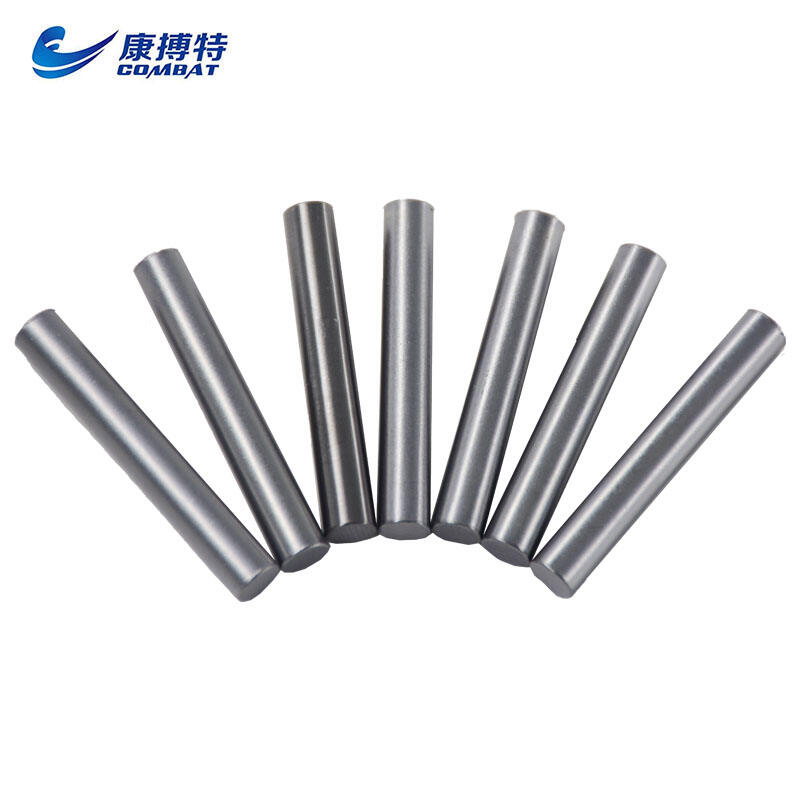
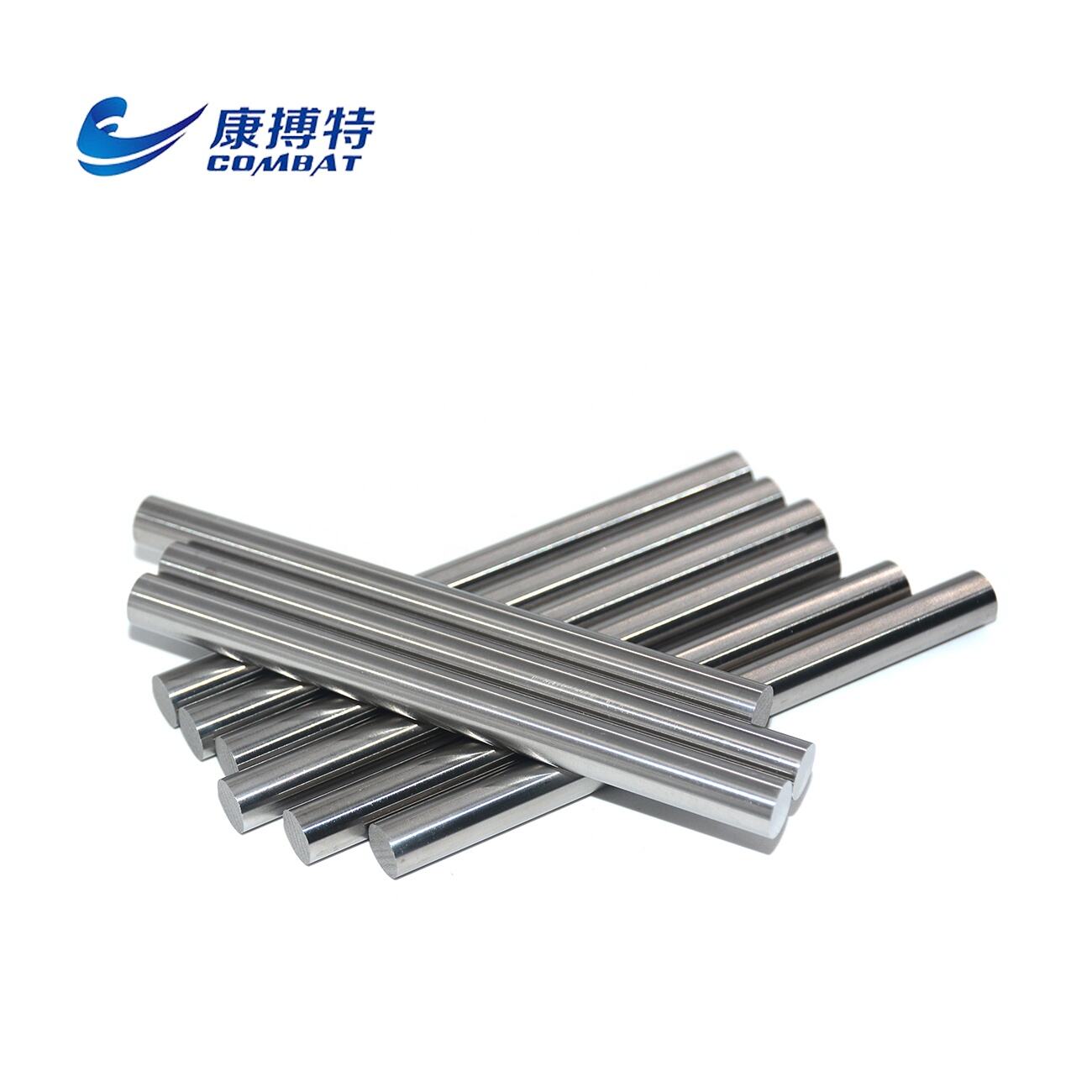
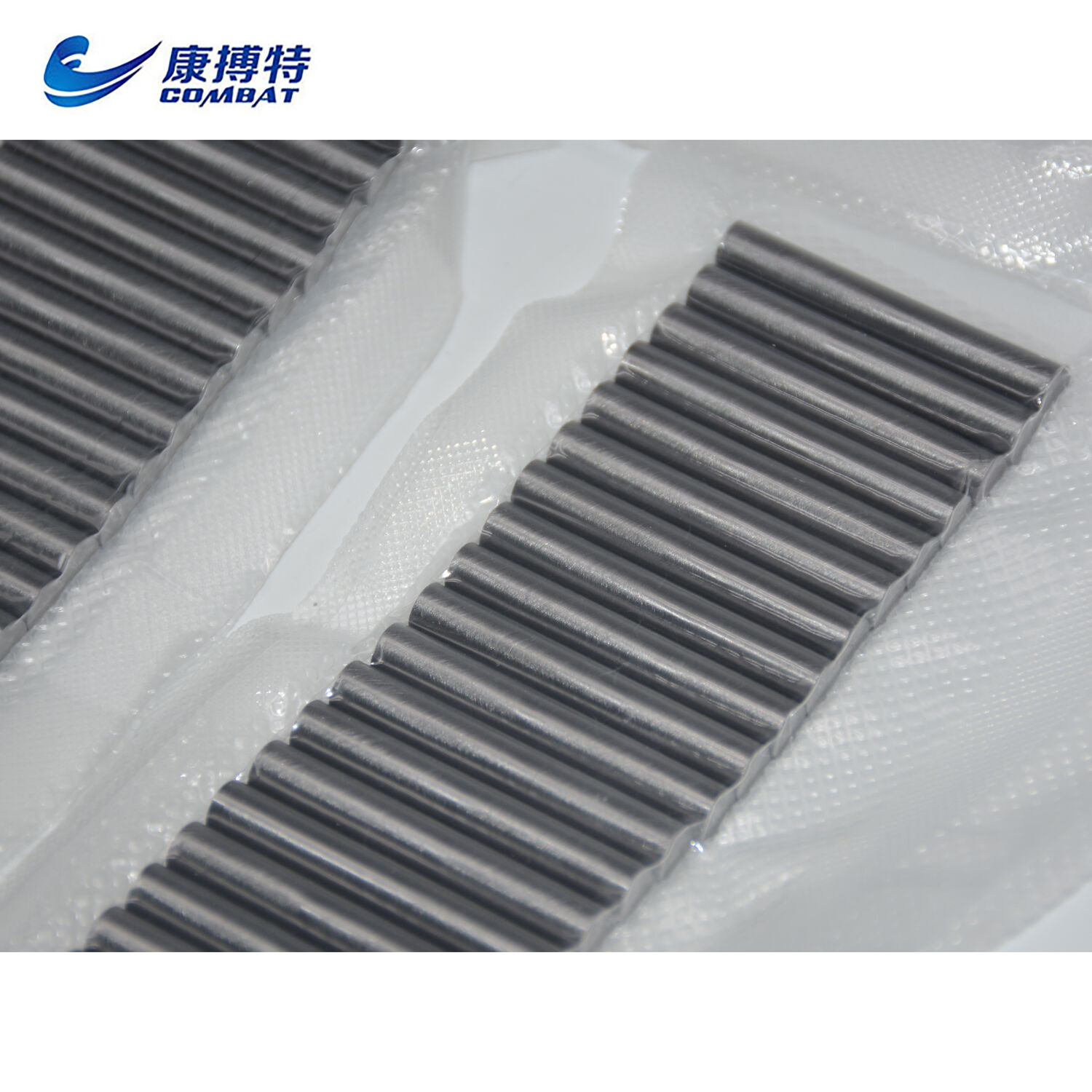
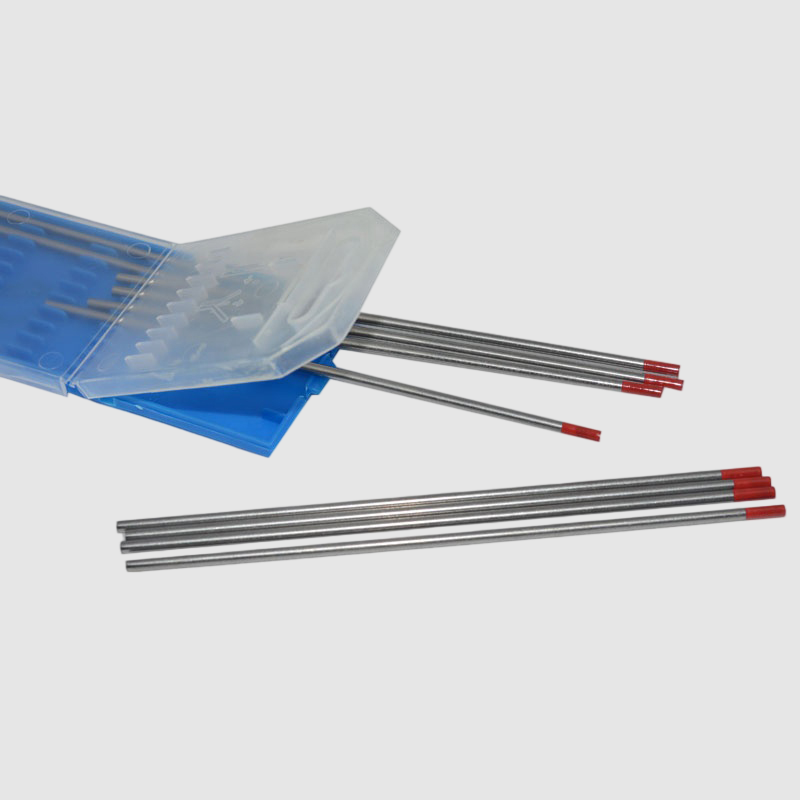
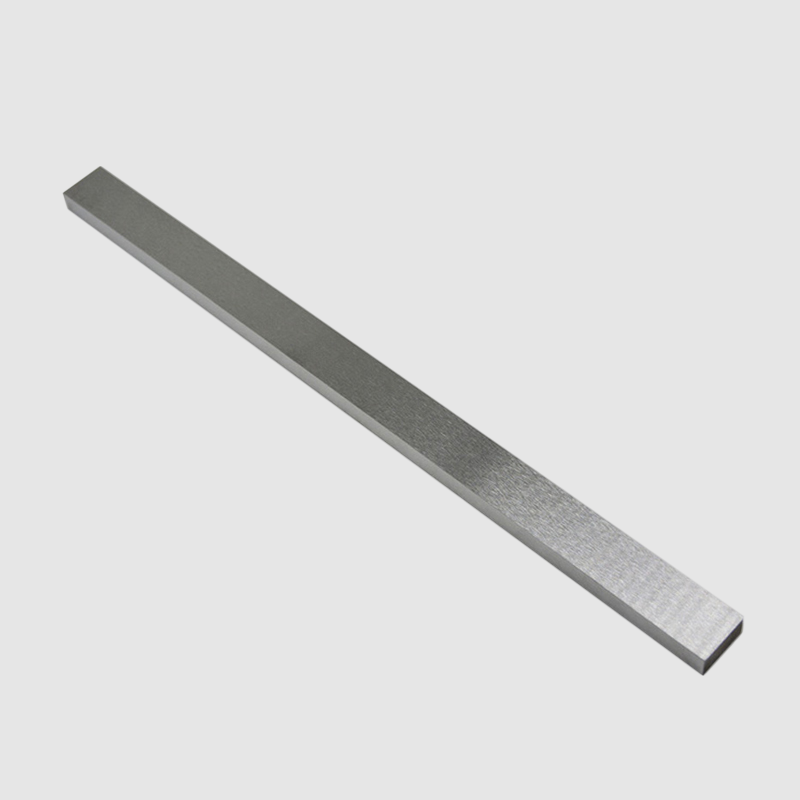
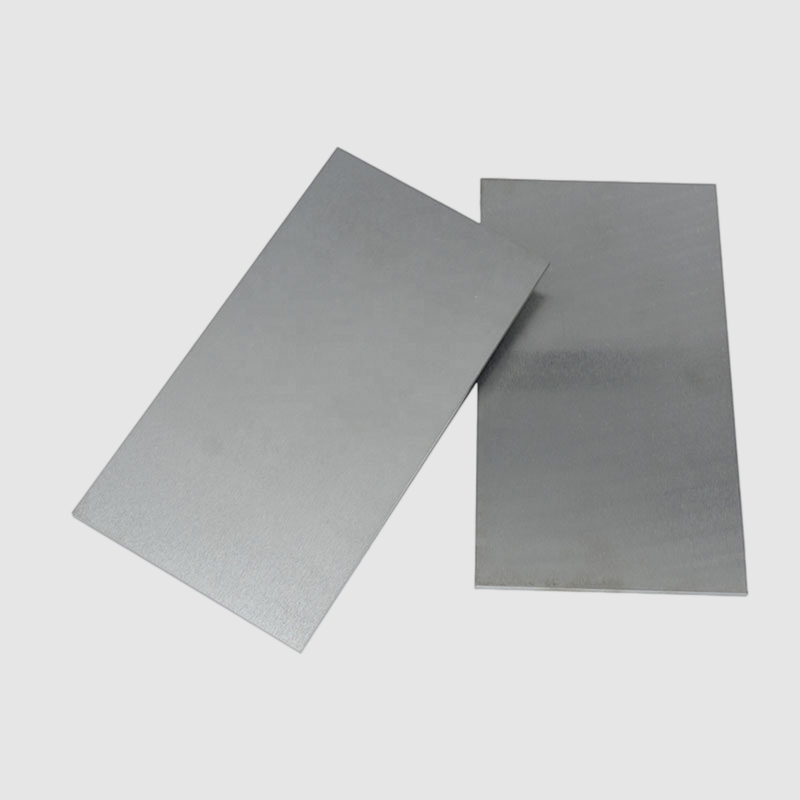
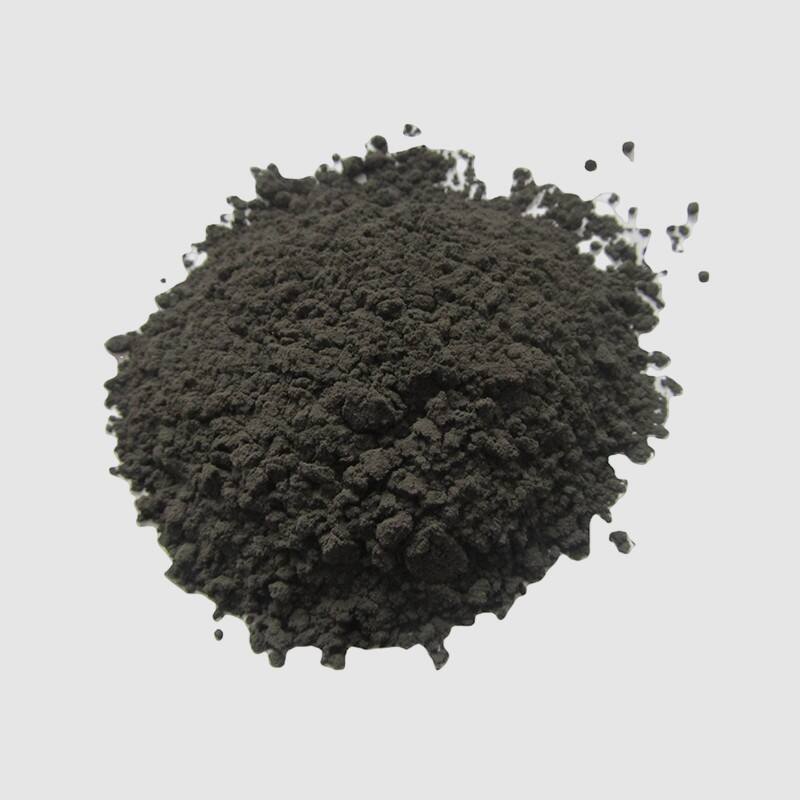
Pure tantalum rod represents a premium metallic material that delivers exceptional performance across demanding industrial applications. This specialized rod consists of tantalum metal with a purity level typically exceeding 99.95 percent, making it one of the most reliable materials for critical operations. The pure tantalum rod exhibits remarkable resistance to corrosion, maintaining its structural integrity even when exposed to aggressive chemical environments. Industries ranging from chemical processing to aerospace rely on this material for components that must withstand extreme conditions without degradation. The rod's unique properties stem from tantalum's position in the periodic table as a refractory metal, which means it maintains strength and stability at temperatures where many other materials would fail. Manufacturing processes for pure tantalum rod involve sophisticated techniques including vacuum arc melting and electron beam melting, ensuring consistent quality throughout the material. These rods come in various diameters and lengths to accommodate different application requirements, from small precision components to large structural elements. The material's biocompatibility makes pure tantalum rod particularly valuable in medical device manufacturing, where it can be safely implanted in the human body without causing adverse reactions. Chemical processing facilities utilize these rods for heating elements, stirring components, and reactor vessel parts because tantalum resists attack from acids, alkalis, and organic compounds. The electronics industry values pure tantalum rod for its excellent electrical conductivity and ability to form stable oxide layers, making it essential for capacitor production and semiconductor manufacturing equipment. High-temperature furnace applications benefit from the rod's ability to maintain mechanical properties at temperatures exceeding 2000 degrees Celsius. The aerospace sector incorporates pure tantalum rod into rocket nozzles, heat shields, and other components that face extreme thermal stress during operation. Research laboratories depend on this material for crucibles and sample holders when working with reactive substances that would contaminate or destroy lesser materials.

Popular Products

Choosing pure tantalum rod for your industrial applications brings multiple practical benefits that directly impact operational efficiency and long-term cost management. The material resists corrosion from virtually all acids except hydrofluoric acid and hot concentrated sulfuric acid, which means equipment made from pure tantalum rod lasts significantly longer than alternatives in harsh chemical environments. This extended service life translates to reduced replacement costs and less frequent production shutdowns for maintenance, keeping your operations running smoothly and profitably. The rod maintains its mechanical strength across an impressive temperature range, performing reliably from cryogenic conditions up to extreme heat, giving you flexibility in process design without worrying about material failure. Pure tantalum rod machines easily despite its strength, allowing fabricators to create complex shapes and precise dimensions without excessive tool wear or production difficulties. The material's ductility permits bending, forming, and welding operations, making it adaptable to custom component requirements specific to your application needs. When you invest in pure tantalum rod, you gain a material that performs consistently batch after batch, eliminating the quality variations that plague lesser materials and cause production headaches. The biocompatibility of this rod opens opportunities in medical device manufacturing, where regulatory approval depends on materials that interact safely with human tissue over extended periods. Pure tantalum rod conducts electricity efficiently while forming protective oxide layers, making it ideal for electronic components that require both conductivity and stability in demanding environments. The material's density provides excellent radiation shielding properties, valuable in nuclear applications and medical imaging equipment where protecting sensitive components or personnel from radiation exposure is critical. Unlike reactive metals that require special handling and storage, pure tantalum rod remains stable under normal atmospheric conditions, simplifying inventory management and reducing handling precautions. The rod's thermal conductivity allows efficient heat transfer in heating elements and heat exchangers, improving energy efficiency in your processes. When you need to join pure tantalum rod to other components, it welds cleanly using electron beam or TIG welding techniques, creating strong, leak-tight connections that maintain the material's corrosion resistance. The material's low vapor pressure at high temperatures makes pure tantalum rod suitable for vacuum furnace applications where contamination from evaporating materials would ruin sensitive processes. Environmental considerations favor pure tantalum rod because it contains no toxic elements and can be recycled at end of life, supporting sustainability goals while maintaining performance standards. The rod's resistance to work hardening during fabrication means you can perform multiple forming operations without intermediate annealing steps, streamlining manufacturing processes and reducing production time.

Latest News

The 31st Russia International Metal and Metallurgy Industry Exhibition 2025 (Metal-Expo)

24

Apr

The 31st Russia International Metal and Metallurgy Industry Exhibition 2025 (Metal-Expo)

View More
Indian Delegation Visits Youbo, Signs Molybdenum Bar and Tungsten Alloy Procurement Agreement​​

24

Apr

Indian Delegation Visits Youbo, Signs Molybdenum Bar and Tungsten Alloy Procurement Agreement​​

View More
International Ferroalloys 2025

24

Apr

International Ferroalloys 2025

View More
Luoyang Combat Tungsten & Molybdenum Materials Co., Ltd. Shines at Asia Ferroalloys 2025 Conference to Forge Global Collaboration Opportunities

24

Apr

Luoyang Combat Tungsten & Molybdenum Materials Co., Ltd. Shines at Asia Ferroalloys 2025 Conference to Forge Global Collaboration Opportunities

View More

Get a Free Quote

Our representative will contact you soon.
Email
Name
Country/Region
Mobile/WhatsApp
Product Name
Message
0/1000

pure tantalum rod

Unmatched Corrosion Resistance for Extended Equipment Life

Unmatched Corrosion Resistance for Extended Equipment Life

Pure tantalum rod stands out in industrial applications primarily because of its extraordinary resistance to chemical attack, a property that saves companies substantial money over equipment lifecycles. When you install components made from pure tantalum rod in chemical processing environments, you create systems that resist degradation from acids, bases, and organic solvents that would quickly destroy stainless steel, titanium, or other common materials. This resistance is not superficial but extends throughout the material, meaning that even if the surface experiences minor damage, the underlying metal continues to protect against corrosion. The mechanism behind this protection involves tantalum's ability to form a stable, self-healing oxide layer that prevents further chemical attack, essentially creating a barrier that regenerates if scratched or abraded. In pharmaceutical manufacturing, where product purity is paramount, pure tantalum rod ensures that no metallic contamination leaches into sensitive formulations, maintaining product quality and regulatory compliance. Chemical plants processing aggressive substances like bromine, chlorine, or concentrated acids rely on pure tantalum rod for critical components because equipment failures in these environments create safety hazards and expensive production interruptions. The financial impact of choosing pure tantalum rod becomes clear when you calculate the total cost of ownership rather than just initial purchase price, as the extended service life often makes it more economical than cheaper materials that require frequent replacement. Maintenance teams appreciate pure tantalum rod because components made from it rarely fail unexpectedly, allowing for predictable maintenance scheduling rather than emergency repairs that disrupt production schedules. The material performs reliably in both oxidizing and reducing environments, giving process engineers flexibility in designing chemical reactions without worrying about material compatibility issues. Pure tantalum rod maintains its corrosion resistance across a wide temperature range, protecting equipment in both ambient conditions and elevated temperature processes where many materials become more vulnerable to chemical attack. This comprehensive protection means that pure tantalum rod delivers value not just through longevity but also through consistent performance that keeps quality standards high and production running smoothly year after year.

Superior High-Temperature Performance for Demanding Applications

Superior High-Temperature Performance for Demanding Applications

The exceptional high-temperature capabilities of pure tantalum rod make it indispensable for applications where other materials simply cannot survive the thermal stress. This rod maintains structural integrity and mechanical strength at temperatures exceeding 2000 degrees Celsius, a performance level that opens possibilities for processes and equipment designs impossible with conventional materials. In vacuum furnace construction, pure tantalum rod serves as heating elements and structural supports because it resists sagging, creeping, or embrittlement even after thousands of thermal cycles between room temperature and extreme heat. The aerospace industry depends on pure tantalum rod for rocket engine components where combustion temperatures would melt or weaken alternative materials, making it essential for reliable propulsion systems. Crystal growing operations use pure tantalum rod for crucibles and support structures because the material does not contaminate the growing crystals even at the elevated temperatures required for producing high-purity semiconductor materials. The rod's low thermal expansion coefficient means components maintain dimensional stability across temperature changes, critical for precision equipment where thermal distortion would cause misalignment or performance degradation. Pure tantalum rod does not become brittle at cryogenic temperatures either, making it suitable for applications spanning the entire temperature spectrum from liquid helium temperatures to white-hot conditions. Metallurgical processing benefits from pure tantalum rod in applications like sintering furnaces and heat treatment equipment where the material must withstand repeated thermal cycling without degradation. The material's resistance to thermal shock allows rapid heating and cooling without cracking or failure, improving process flexibility and reducing cycle times in manufacturing operations. Energy efficiency improves when using pure tantalum rod in heating applications because the material's properties remain stable, maintaining consistent heat transfer characteristics throughout its service life rather than degrading over time like some alternatives. Research facilities conducting high-temperature experiments rely on pure tantalum rod for sample holders and reaction vessels because it does not introduce contamination or react with experimental materials even under extreme conditions. The combination of high melting point, strength retention at elevated temperatures, and oxidation resistance makes pure tantalum rod uniquely qualified for applications where failure is not an option and performance must remain consistent regardless of thermal stress.
Exceptional Biocompatibility for Medical Device Innovation

Exceptional Biocompatibility for Medical Device Innovation

Pure tantalum rod has emerged as a preferred material in medical device manufacturing because of its remarkable biocompatibility, opening new possibilities for implantable devices that improve patient outcomes. When surgeons implant devices made from pure tantalum rod into the human body, the material integrates safely with surrounding tissue without triggering inflammatory responses or rejection reactions that plague devices made from less compatible materials. This biocompatibility stems from tantalum's chemical inertness in biological environments, where body fluids and tissues cannot corrode or degrade the material even over decades of continuous exposure. Orthopedic applications utilize pure tantalum rod for bone implants and joint replacement components because the material's mechanical properties closely match those of natural bone, reducing stress shielding effects that can cause implant loosening or bone loss around the device. The porous structures that can be created from pure tantalum rod encourage bone ingrowth, creating biological fixation that integrates the implant securely without requiring cement or other bonding agents. Cardiovascular surgeons value pure tantalum rod for stents and other implantable devices because the material remains visible under X-ray imaging, allowing physicians to monitor device position and performance without additional invasive procedures. Dental applications benefit from pure tantalum rod's biocompatibility and strength, making it suitable for implant posts that must withstand chewing forces while remaining compatible with oral tissues and fluids. The material's resistance to corrosion in biological environments means that pure tantalum rod implants do not release metallic ions that could cause systemic toxicity or local tissue reactions, a critical safety consideration for long-term implants. Regulatory agencies worldwide recognize tantalum's safety profile, streamlining approval processes for medical devices incorporating pure tantalum rod compared to materials with less established biocompatibility records. Neurosurgical applications employ pure tantalum rod for cranial implants and electrode arrays because the material does not interfere with magnetic resonance imaging, allowing patients to undergo diagnostic scans without removing or avoiding the implanted device. The material's radiopacity provides clear visualization during surgical placement and follow-up imaging, helping surgeons position devices accurately and monitor healing progress without additional radiation exposure from CT scans. Pure tantalum rod's combination of strength, biocompatibility, and imaging characteristics makes it uniquely suited for minimally invasive devices that must perform reliably while minimizing patient trauma and recovery time.

Get a Free Quote

Our representative will contact you soon.
Email
Name
Country/Region
Mobile/WhatsApp
Product Name
Message
0/1000