Exceptional Radiation Shielding with Environmental Safety Advantages
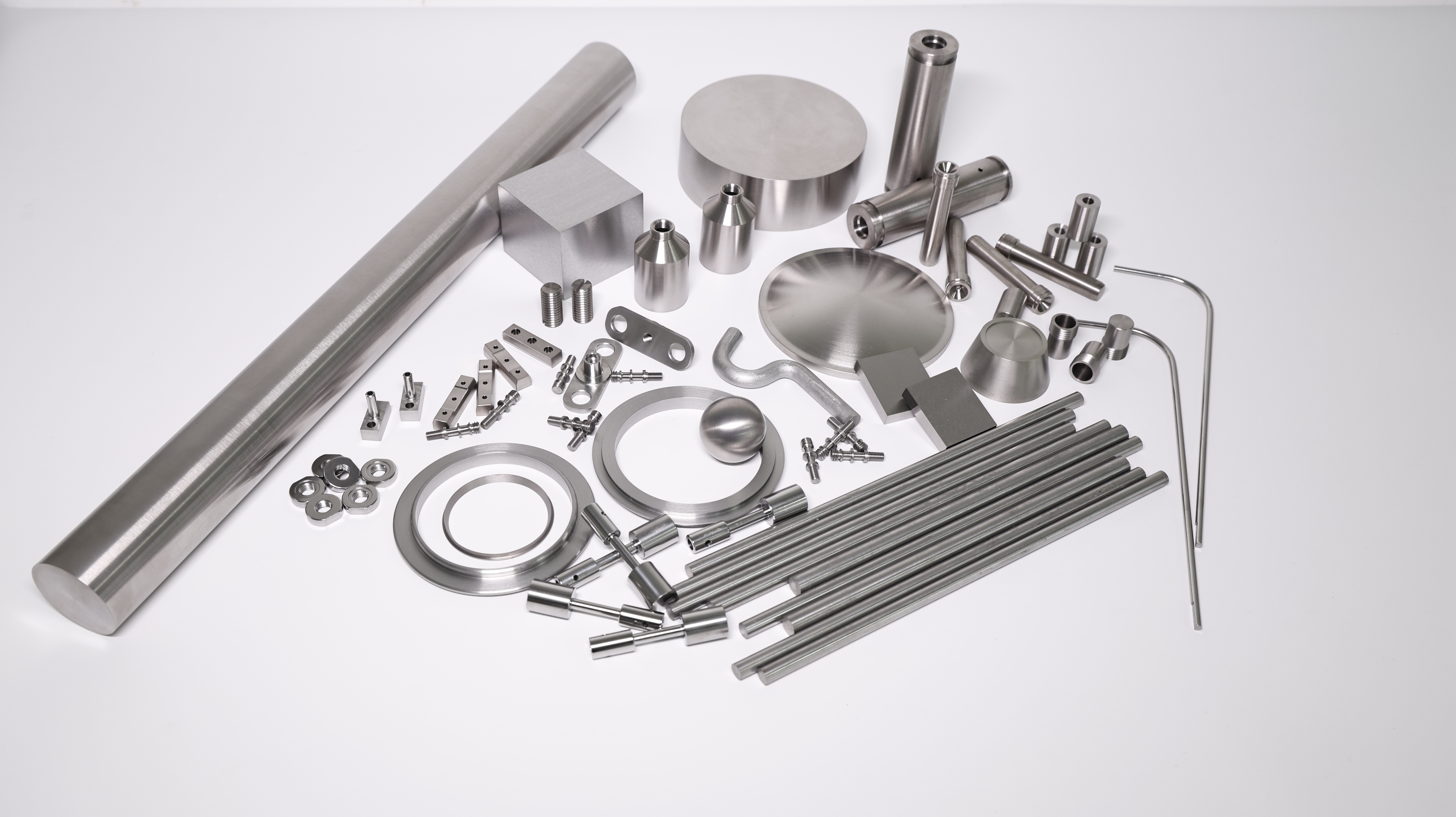
Among the most valuable tungsten heavy alloy properties is their exceptional effectiveness as radiation shielding materials, combined with environmental and health safety advantages that position them as superior alternatives to traditional lead-based shields. The high atomic number of tungsten (74) and the material's extreme density create powerful attenuation of gamma rays, X-rays, and other ionizing radiation, protecting sensitive equipment and personnel in medical, nuclear, aerospace, and industrial applications. The shielding effectiveness of tungsten heavy alloy properties exceeds lead on a volume basis, meaning thinner shields can achieve equivalent protection, reducing overall system weight and size in applications where space and mass budgets are constrained. This advantage proves critical in portable medical imaging equipment, satellite electronics protection, and industrial radiography devices where mobility and compactness directly impact usability and market competitiveness. The material's structural integrity under radiation exposure surpasses polymer-based or composite shielding alternatives, maintaining dimensional stability and mechanical properties throughout extended service in high-radiation environments. Unlike lead, which poses significant toxicity risks during manufacturing, handling, and disposal, tungsten heavy alloy properties include non-toxic characteristics that eliminate occupational health hazards and environmental contamination concerns. This safety advantage simplifies regulatory compliance, reduces liability exposure, and aligns with increasingly stringent environmental regulations governing hazardous materials. The manufacturing processes for tungsten heavy alloy components generate minimal hazardous waste compared to lead casting or forming operations, reducing environmental footprint and disposal costs. The material's corrosion resistance ensures that shielding effectiveness remains constant over decades of service without degradation or contamination of surrounding systems, a critical consideration in medical implants and long-duration space missions. Tungsten heavy alloy properties enable designers to create complex shielding geometries with precise apertures and collimation features that would be difficult or impossible to achieve with cast lead, improving radiation beam control in therapy and imaging systems. The material's compatibility with sterilization processes makes it ideal for medical applications requiring repeated cleaning and disinfection cycles. The recyclability of tungsten heavy alloys supports circular economy principles, allowing end-of-life components to be reclaimed and reprocessed without loss of material properties or generation of hazardous waste streams. These environmental and safety advantages, combined with superior shielding performance, make tungsten heavy alloy properties the responsible choice for radiation protection applications in an era of heightened environmental awareness and regulatory scrutiny.



 EN