Precision Engineering and High-Performance Machinery
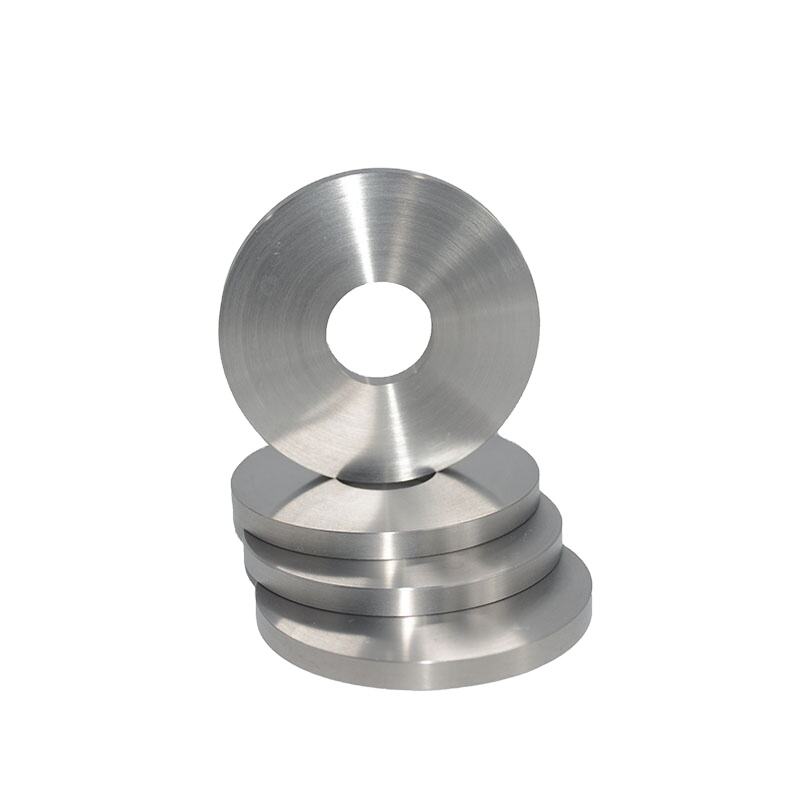
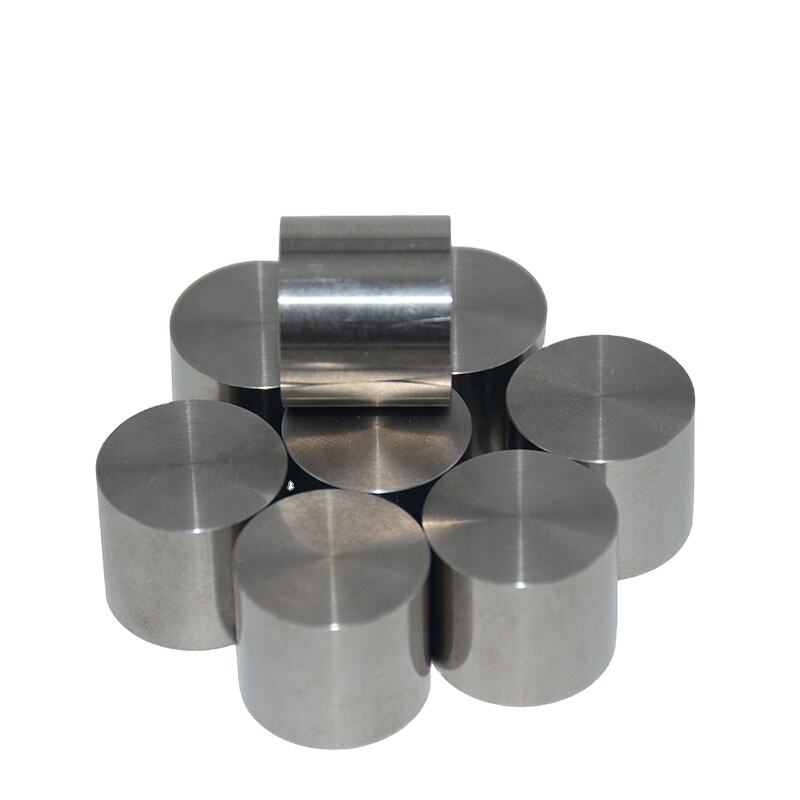
Heavy alloy delivers transformative benefits in precision engineering applications where dimensional stability, vibration control, and compact mass distribution determine system performance. The material's exceptional density allows engineers to concentrate significant mass in minimal volumes, creating counterweights and balance components that optimize machinery operation without consuming valuable space. In aerospace applications, this characteristic proves invaluable for aircraft control surfaces, helicopter rotor systems, and satellite attitude control mechanisms where every cubic centimeter matters and weight distribution directly affects performance. You achieve precise balance that enhances control responsiveness and reduces pilot workload while meeting strict weight and space allocations. The material's low thermal expansion coefficient ensures components maintain exact dimensions across the temperature extremes encountered during flight operations, from frigid high-altitude conditions to heat generated by aerodynamic friction and onboard systems. High-speed rotating machinery benefits enormously from heavy alloy's vibration damping properties. When incorporated into flywheels, gyroscope rotors, and precision spindles, the material's density and homogeneous structure absorb vibrational energy that would otherwise propagate through mechanical systems causing wear, noise, and accuracy degradation. Manufacturing equipment fitted with heavy alloy components produces parts with tighter tolerances and superior surface finishes because tool chatter and workpiece vibration are minimized. You improve product quality while extending tool life and reducing scrap rates, directly impacting profitability. The material's excellent machinability enables fabrication of complex geometries required in modern precision instruments. Unlike pure tungsten, which presents significant machining challenges, heavy alloy responds well to conventional cutting, drilling, and grinding operations. Your manufacturing teams can produce intricate features, tight tolerances, and fine surface finishes without specialized equipment or exotic tooling. This accessibility reduces production costs and lead times, allowing rapid prototyping and economical small-batch production for specialized applications. In oil and gas exploration, heavy alloy serves in drilling equipment where its density provides the downhole weight necessary to maintain bit pressure while its strength withstands the extreme forces encountered when penetrating rock formations thousands of meters below the surface. The material's corrosion resistance ensures reliable performance in harsh downhole environments containing corrosive fluids, abrasive particles, and elevated temperatures. You achieve consistent drilling performance that maximizes penetration rates and minimizes costly equipment failures that halt operations.





 EN