Tungsten Alloy Products: High-Density Solutions for Aerospace, Medical & Industrial Applications

Get a Free Quote

Our representative will contact you soon.
Email
Name
Country/Region
Mobile/WhatsApp
Product Name
Message
0/1000

tungsten alloy products

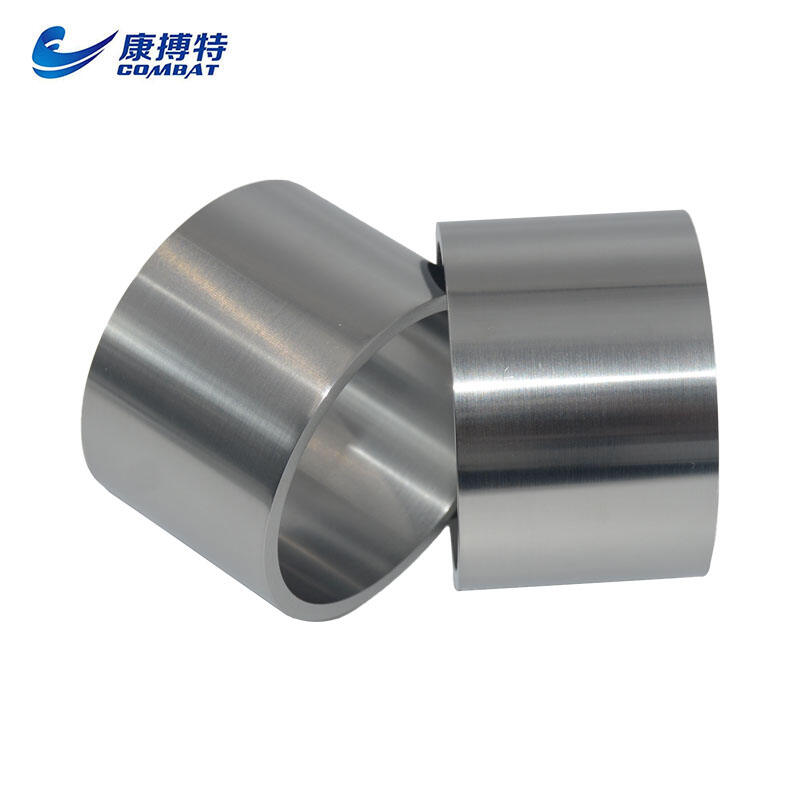
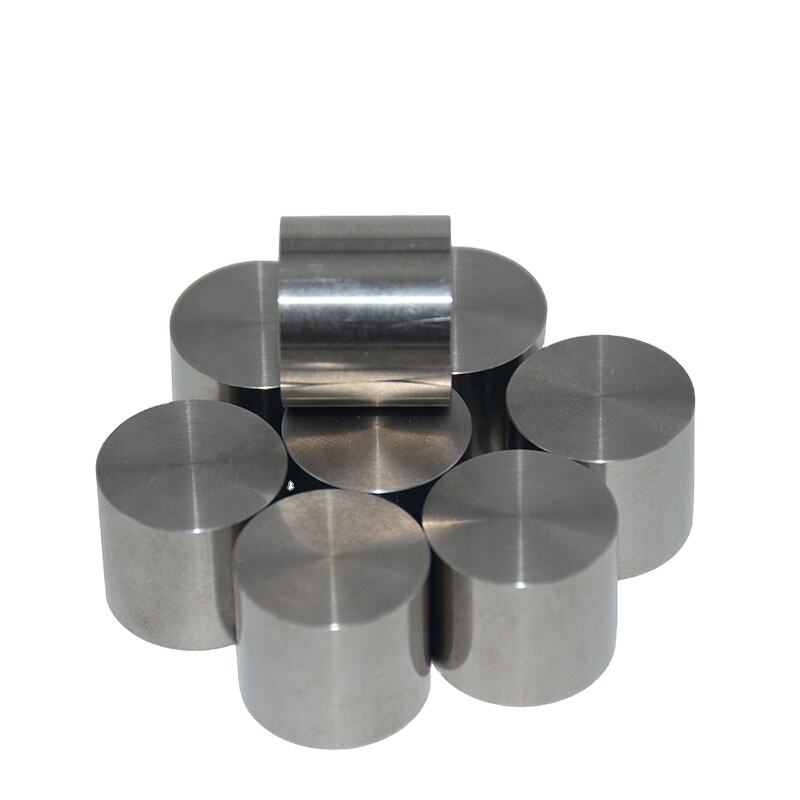
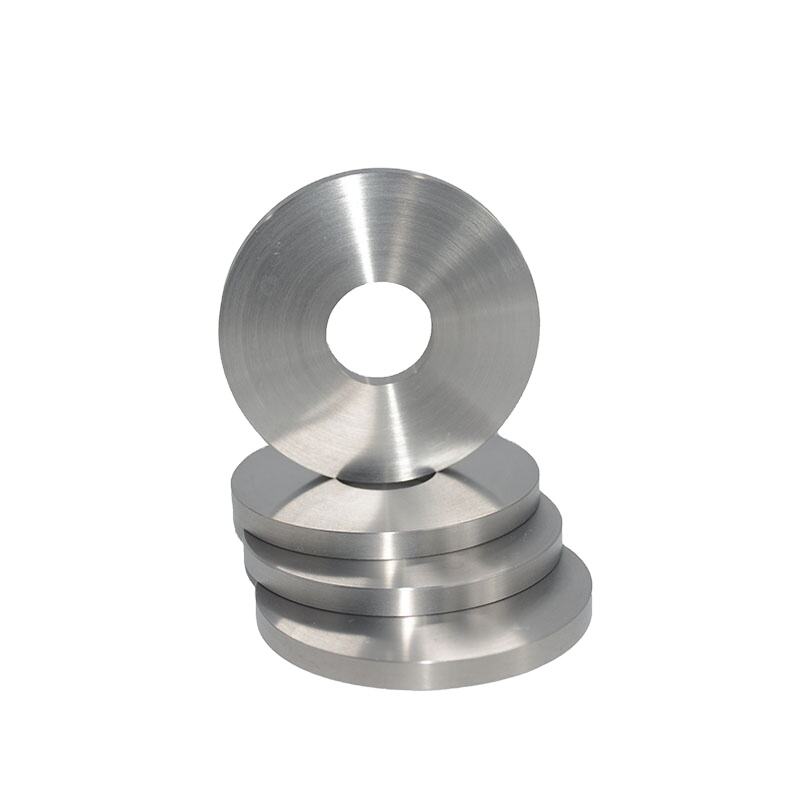
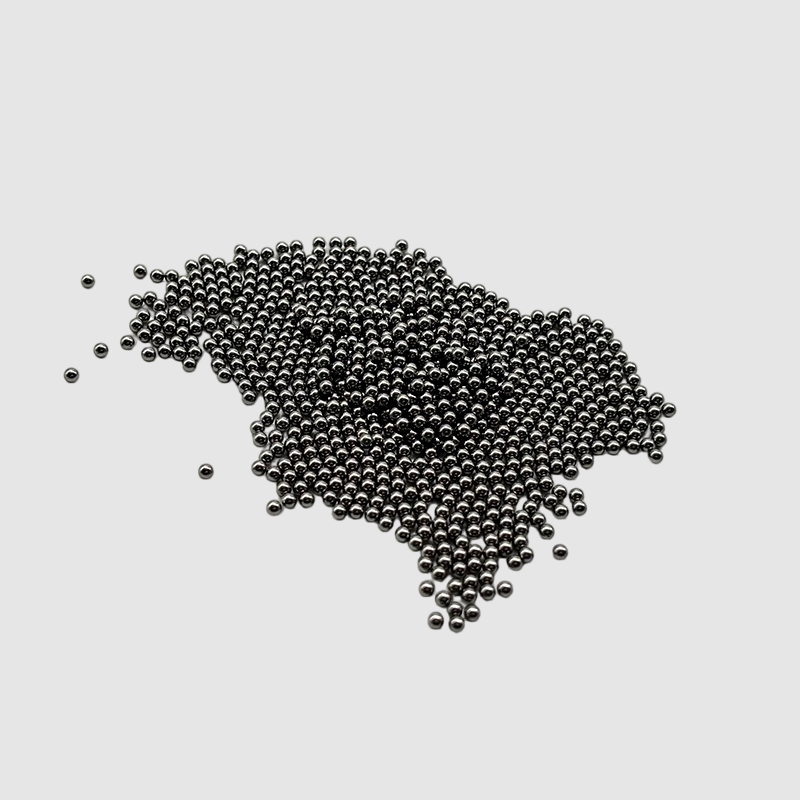
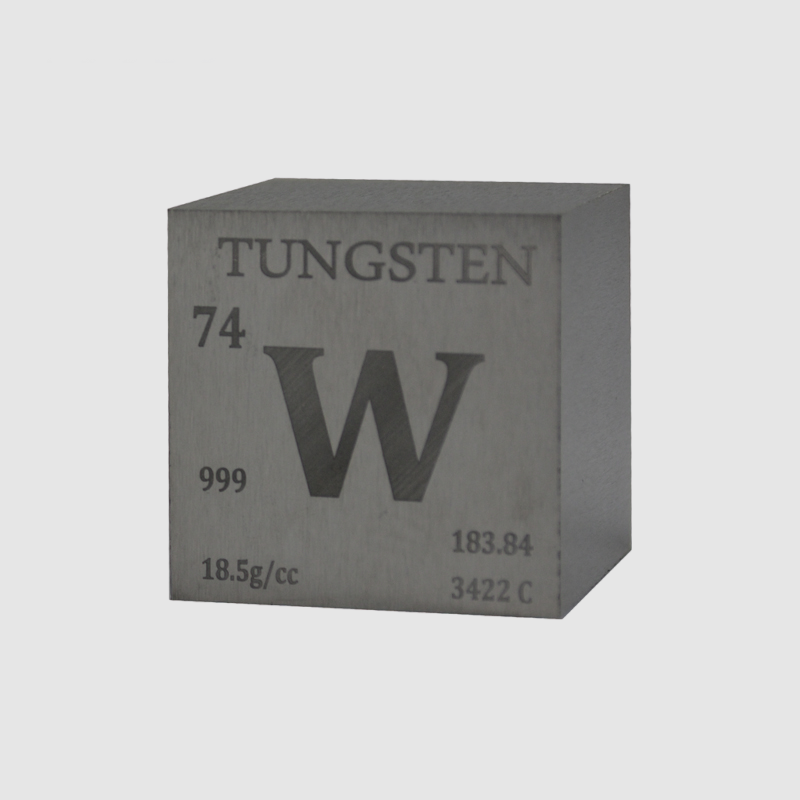
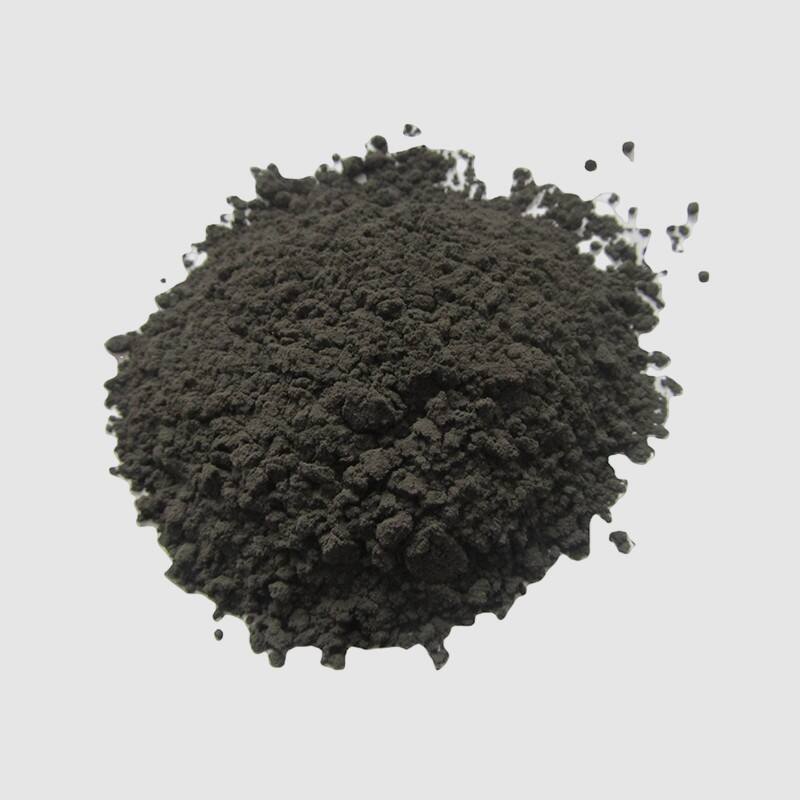
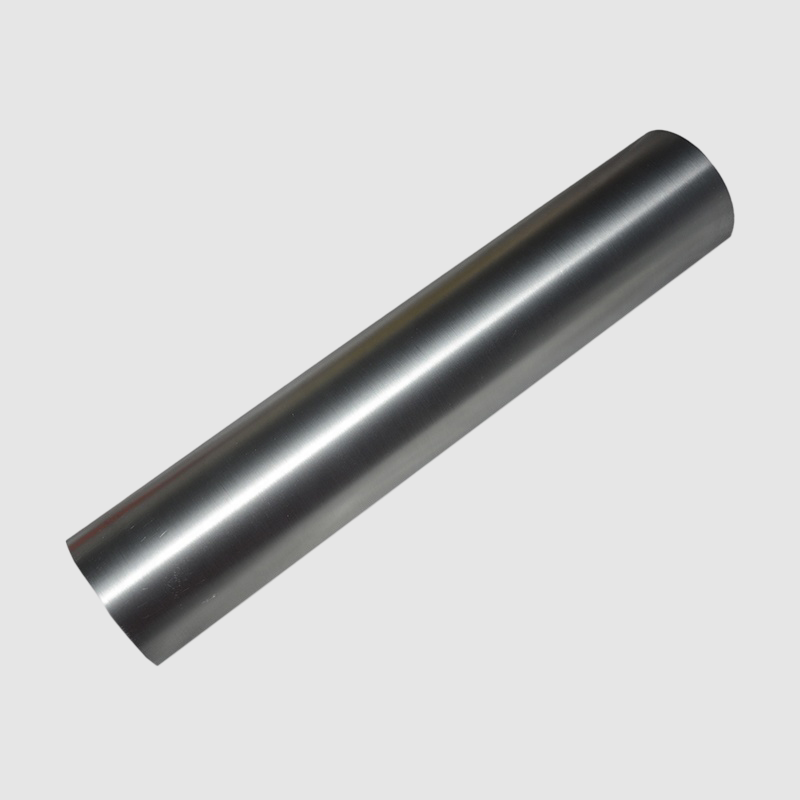
Tungsten alloy products represent a sophisticated class of engineered materials that combine tungsten with other metals such as nickel, copper, iron, or molybdenum to create components with exceptional performance characteristics. These advanced materials typically contain 90-97% tungsten content, resulting in products that deliver outstanding density, strength, and durability across demanding applications. The primary function of tungsten alloy products centers on providing maximum mass in minimal space, making them invaluable where weight concentration matters most. These materials exhibit density levels ranging from 16.5 to 19.0 g/cm³, nearly twice that of lead and significantly higher than steel or aluminum alternatives. This remarkable density enables tungsten alloy products to serve critical roles in aerospace, defense, medical, industrial, and sporting applications. Technologically, tungsten alloy products showcase superior radiation shielding capabilities, excellent machinability compared to pure tungsten, and remarkable resistance to extreme temperatures up to 1000°C without structural degradation. The alloying process enhances ductility while maintaining the inherent benefits of tungsten, allowing manufacturers to machine these materials into complex geometries that pure tungsten cannot achieve. Applications span counterweights in aircraft and helicopters, radiation shielding in medical equipment and nuclear facilities, kinetic energy penetrators for defense systems, vibration dampening components in automotive and industrial machinery, and high-performance sporting goods like golf club weights and fishing sinkers. The non-toxic nature of tungsten alloy products makes them environmentally preferable to lead-based alternatives, particularly in applications involving human contact or environmental exposure. Manufacturing processes for tungsten alloy products involve powder metallurgy techniques, where tungsten powder is blended with binding metals, pressed into desired shapes, and sintered at controlled temperatures to achieve optimal density and mechanical properties. This production method ensures consistent quality, precise dimensional control, and the ability to create both simple and intricate component designs that meet exacting specifications across industries.
New Product Recommendations

Tungsten alloy products deliver unmatched density that solves critical engineering challenges where space constraints demand maximum weight concentration. When you need the heaviest possible component in the smallest footprint, these materials outperform every conventional alternative. This density advantage translates directly into better performance for counterbalancing applications, allowing aircraft manufacturers to achieve proper weight distribution without sacrificing valuable space for other systems. The compact nature of tungsten alloy products means you can design smaller, more efficient assemblies while maintaining or improving functional performance. Beyond density, these materials offer exceptional radiation attenuation properties that protect personnel and sensitive equipment from harmful exposure. Medical facilities rely on tungsten alloy products for shielding in X-ray equipment, CT scanners, and radiation therapy devices because they block radiation more effectively than lead while occupying less space. This superior shielding capability means safer working environments for healthcare professionals and better protection for patients during diagnostic and therapeutic procedures. The environmental benefits of tungsten alloy products cannot be overstated, as they provide a non-toxic alternative to lead-based materials that have historically dominated high-density applications. You can specify these materials with confidence knowing they pose no health risks during handling, machining, or disposal, making them ideal for consumer products, medical devices, and applications where environmental regulations restrict lead usage. Machinability represents another significant advantage, as tungsten alloy products can be turned, milled, drilled, and threaded using conventional metalworking equipment and techniques. This processability allows you to create custom components with tight tolerances and complex features without specialized tooling or exotic manufacturing processes. The cost-effectiveness becomes apparent when you consider the total lifecycle value rather than just initial material costs. Tungsten alloy products resist corrosion, maintain dimensional stability across temperature extremes, and deliver decades of reliable service without degradation or replacement. This longevity reduces maintenance costs, minimizes downtime, and eliminates the recurring expenses associated with less durable alternatives. Thermal stability ensures these materials maintain their mechanical properties and dimensional accuracy even when exposed to elevated temperatures during operation or manufacturing processes. You can confidently specify tungsten alloy products for applications involving friction, heat generation, or thermal cycling without concern for warping, softening, or structural failure. The combination of high strength and ductility means components resist cracking and fracture under impact or vibration, providing reliability in demanding service conditions where other materials would fail prematurely.

Practical Tips

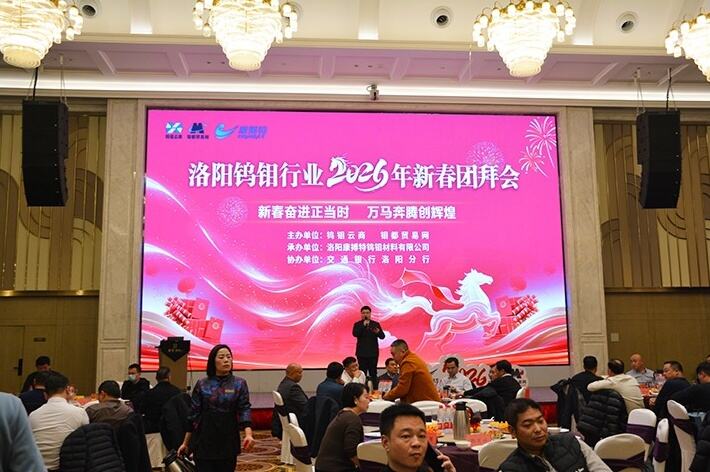
Gathering in Luoyang for Tungsten & Molybdenum, Uniting Hearts to Forge a New Dream Forward​

24

Apr

Gathering in Luoyang for Tungsten & Molybdenum, Uniting Hearts to Forge a New Dream Forward​

View More
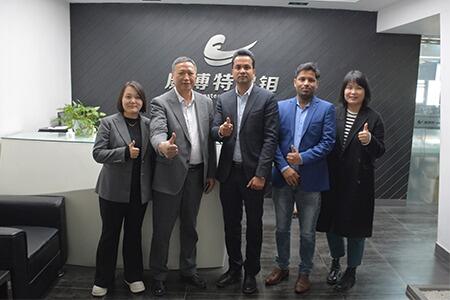
Indian Delegation Visits Youbo, Signs Molybdenum Bar and Tungsten Alloy Procurement Agreement​​

24

Apr

Indian Delegation Visits Youbo, Signs Molybdenum Bar and Tungsten Alloy Procurement Agreement​​

View More
International Ferroalloys 2025

24

Apr

International Ferroalloys 2025

View More
Luoyang Combat Tungsten & Molybdenum Materials Co., Ltd. Shines at Asia Ferroalloys 2025 Conference to Forge Global Collaboration Opportunities

24

Apr

Luoyang Combat Tungsten & Molybdenum Materials Co., Ltd. Shines at Asia Ferroalloys 2025 Conference to Forge Global Collaboration Opportunities

View More

Get a Free Quote

Our representative will contact you soon.
Email
Name
Country/Region
Mobile/WhatsApp
Product Name
Message
0/1000

tungsten alloy products

Superior Density for Space-Critical Applications

Superior Density for Space-Critical Applications

Tungsten alloy products deliver density levels that fundamentally change what engineers can achieve in weight-sensitive designs. With density values reaching 19.0 g/cm³, these materials pack nearly 2.5 times more mass into the same volume compared to steel and approximately twice the density of lead. This extraordinary characteristic becomes invaluable in aerospace applications where every cubic centimeter of space carries premium value. Aircraft and helicopter manufacturers integrate tungsten alloy products as counterweights to balance rotor systems, control surfaces, and engine components, achieving optimal weight distribution without consuming precious space needed for fuel, cargo, or passenger accommodations. The compact nature of these high-density materials allows designers to position ballast precisely where needed for ideal center-of-gravity placement, improving flight characteristics, fuel efficiency, and overall performance. In defense applications, the density advantage of tungsten alloy products enables kinetic energy penetrators to deliver maximum impact force in streamlined projectile designs, enhancing effectiveness while reducing aerodynamic drag. Industrial machinery benefits equally from this density characteristic, as manufacturers incorporate tungsten alloy products into vibration dampening systems, flywheels, and balancing weights that smooth operation, reduce wear, and extend equipment service life. The sporting goods industry leverages this same property to create golf club weights, fishing sinkers, and dart barrels that deliver superior performance through optimized mass distribution. What makes tungsten alloy products particularly valuable is how this density combines with machinability, allowing you to create precisely shaped components that position mass exactly where physics demands it. Unlike pure tungsten, which presents significant machining challenges, tungsten alloy products can be turned, milled, and finished using standard metalworking practices, enabling cost-effective production of custom geometries. This combination of maximum density and practical manufacturability means you can solve engineering problems that would be impossible or prohibitively expensive with alternative materials, making tungsten alloy products the definitive choice for applications where space limitations and weight requirements intersect.
Exceptional Radiation Shielding Performance

Exceptional Radiation Shielding Performance

Tungsten alloy products provide radiation shielding capabilities that protect people, equipment, and sensitive materials from harmful exposure across medical, nuclear, and industrial environments. The fundamental physics behind this protection lies in the high atomic number of tungsten, which effectively attenuates gamma rays and X-rays through photoelectric absorption and Compton scattering. When radiation encounters tungsten alloy products, the dense atomic structure blocks and absorbs energy that would otherwise pass through lighter materials, providing superior protection in compact shield designs. Medical facilities worldwide depend on tungsten alloy products for shielding in diagnostic imaging equipment, radiation therapy devices, and nuclear medicine applications where patient and staff safety demands reliable protection. The space efficiency of these materials becomes critical in modern medical centers where equipment must fit into existing rooms without extensive structural modifications. A tungsten alloy shield can provide equivalent protection to lead while occupying significantly less space and offering better mechanical properties for mounting and integration. Nuclear power facilities and research laboratories utilize tungsten alloy products for shielding in reactor components, spent fuel storage, and radioisotope handling equipment where long-term reliability and dimensional stability matter as much as immediate protection. The non-toxic nature of tungsten alloy products addresses growing environmental and health concerns associated with traditional lead shielding, particularly in applications involving frequent handling or potential for human contact. You can specify these materials knowing they meet stringent safety regulations without introducing secondary health hazards during installation, maintenance, or eventual disposal. Industrial radiography operations benefit from portable tungsten alloy shields that protect technicians performing non-destructive testing in field locations, where compact, lightweight shielding enables safer working conditions without compromising protection levels. The combination of superior attenuation, compact design, and environmental safety makes tungsten alloy products the preferred choice for next-generation shielding applications across industries. Manufacturing flexibility allows these materials to be formed into complex shield geometries that conform to equipment contours, maximize protected areas, and minimize shielding weight, delivering optimized protection that simpler shield designs cannot achieve.
Outstanding Durability and Environmental Advantages

Outstanding Durability and Environmental Advantages

Tungsten alloy products deliver exceptional longevity and environmental benefits that reduce total ownership costs while supporting sustainability initiatives across industries. The corrosion resistance of these materials ensures decades of reliable service in challenging environments where moisture, chemicals, or atmospheric exposure would degrade lesser alternatives. Unlike steel components that require protective coatings or regular maintenance to prevent rust, tungsten alloy products maintain their integrity and performance characteristics without special treatment or ongoing preservation efforts. This inherent durability translates directly into lower lifecycle costs, as components remain in service longer, require fewer replacements, and eliminate the recurring expenses associated with corrosion-related failures. The environmental advantages of tungsten alloy products extend beyond their durability to encompass their non-toxic composition, which addresses regulatory requirements and health concerns that increasingly restrict lead usage. Industries transitioning away from lead-based materials find tungsten alloy products provide equivalent or superior performance without introducing workplace hazards or environmental contamination risks. Manufacturing facilities can machine these materials without special ventilation systems or hazardous waste protocols required for lead processing, simplifying production and reducing compliance costs. End-of-life disposal becomes straightforward, as tungsten alloy products can be recycled or disposed of without the environmental remediation concerns that accompany lead-containing components. The thermal stability of these materials ensures consistent performance across temperature ranges that would compromise other high-density alternatives, maintaining dimensional accuracy and mechanical properties from cryogenic conditions to elevated operating temperatures. This temperature independence means you can specify tungsten alloy products for applications involving thermal cycling, friction heating, or process temperature variations without concern for warping, softening, or property degradation. The combination of mechanical strength and ductility provides impact resistance and vibration tolerance that prevents cracking or fracture in demanding service conditions, ensuring reliable operation in applications where shock loads or dynamic stresses would cause brittle materials to fail. Manufacturing processes for tungsten alloy products utilize powder metallurgy techniques that enable near-net-shape production, minimizing material waste and reducing machining requirements compared to wrought alternatives. This production efficiency contributes to cost-effectiveness while supporting environmental objectives through reduced material consumption and manufacturing energy requirements.

Get a Free Quote

Our representative will contact you soon.
Email
Name
Country/Region
Mobile/WhatsApp
Product Name
Message
0/1000