Tungsten Alloy Material: High-Density Solutions for Aerospace, Medical & Industrial Applications

Get a Free Quote

Our representative will contact you soon.
Email
Name
Country/Region
Mobile/WhatsApp
Product Name
Message
0/1000

tungsten alloy material

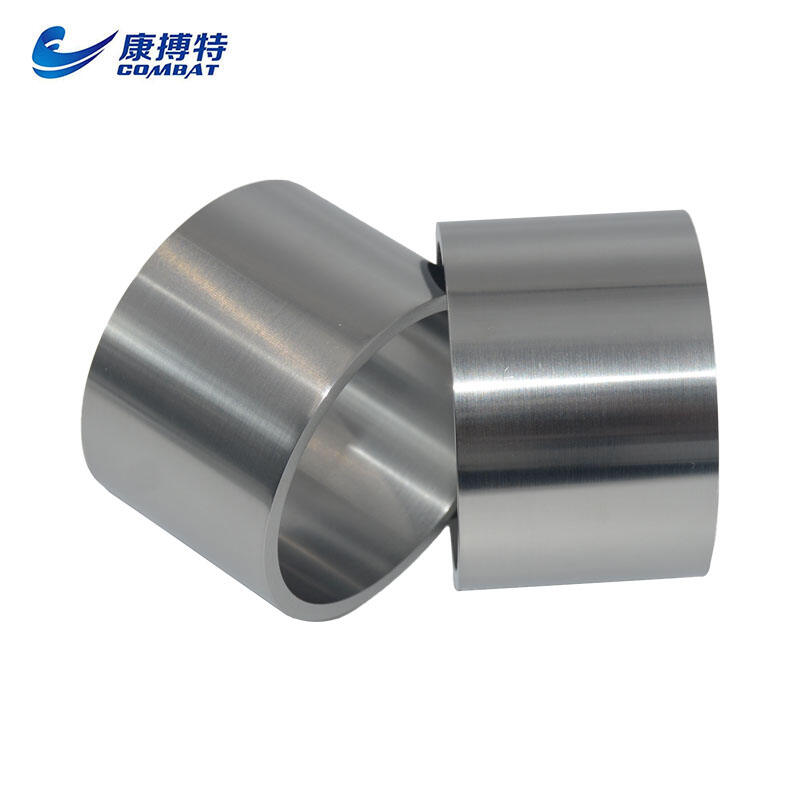
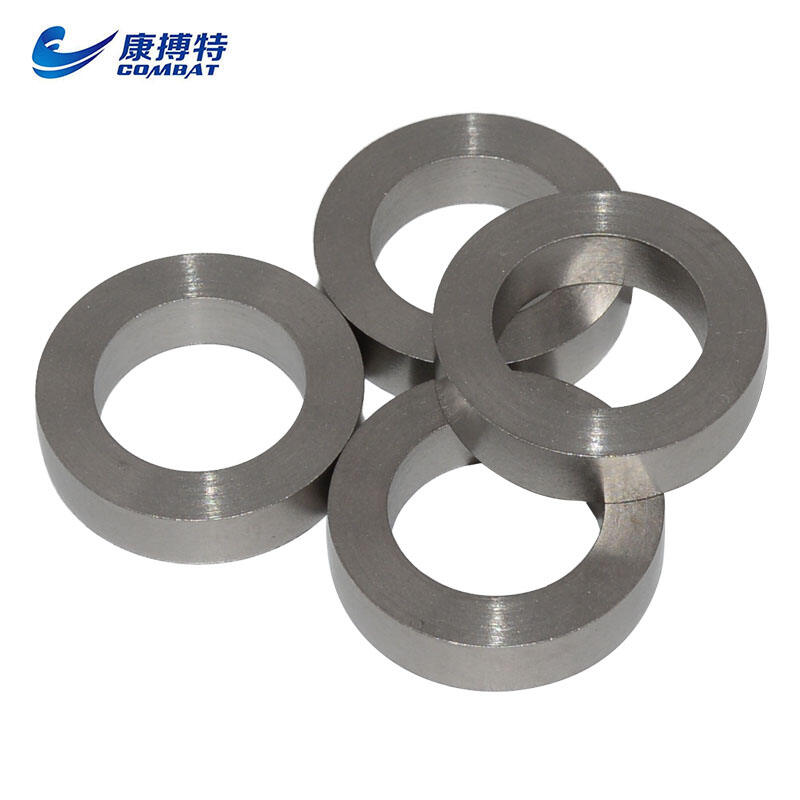
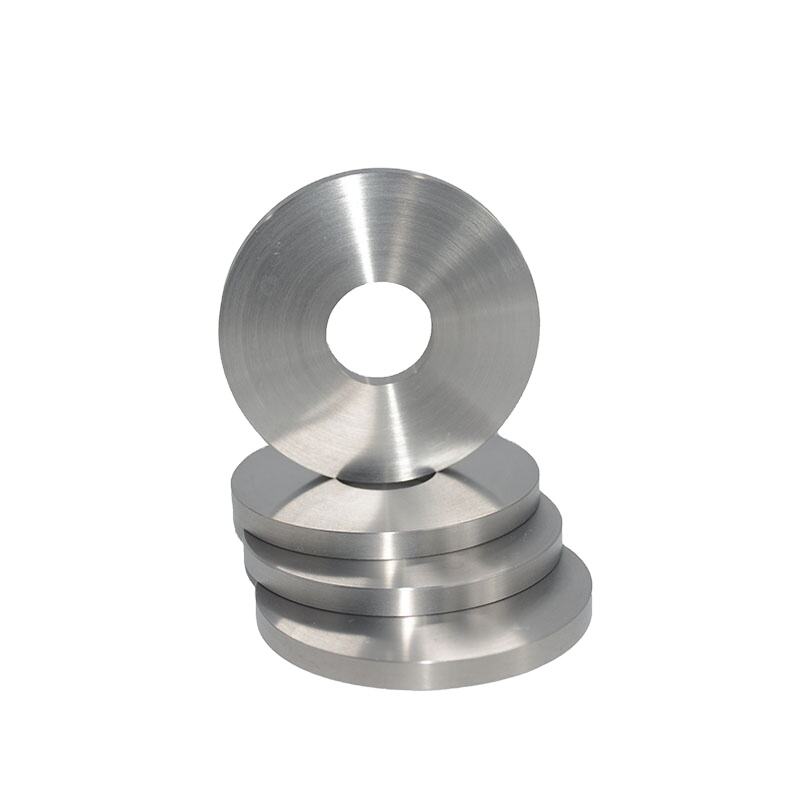
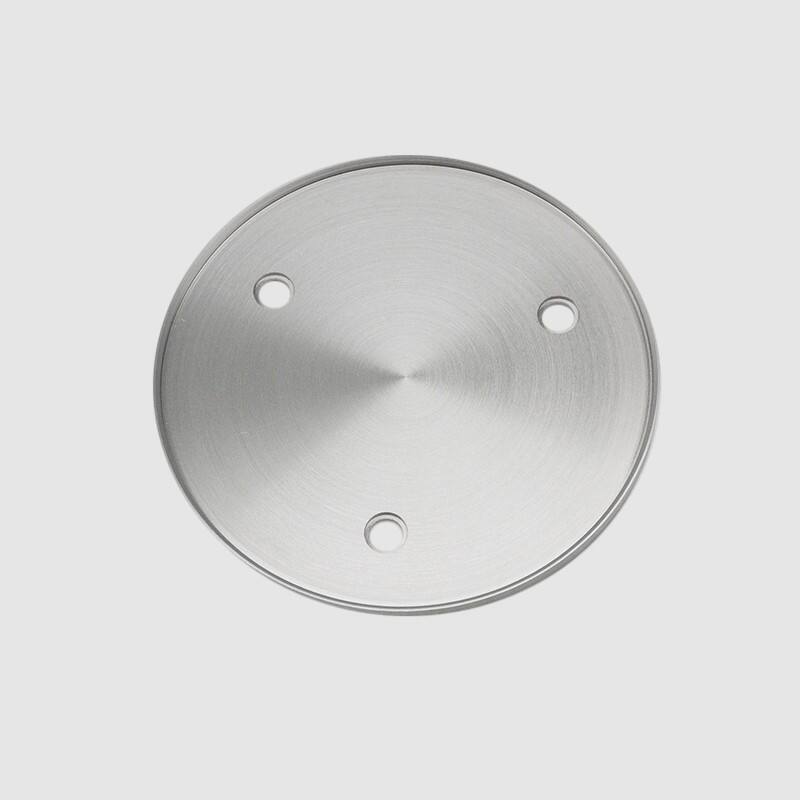
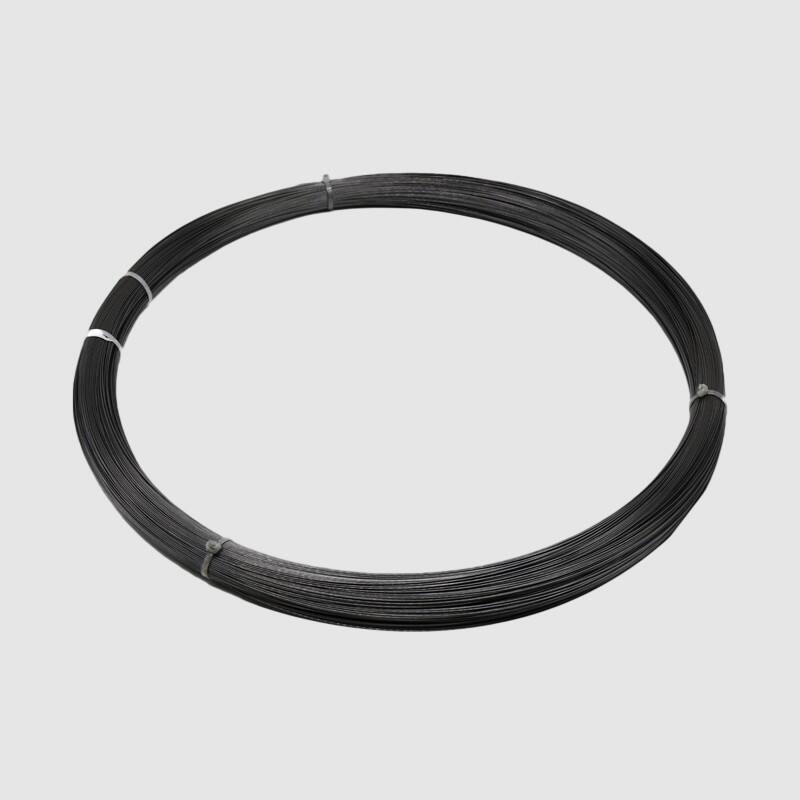
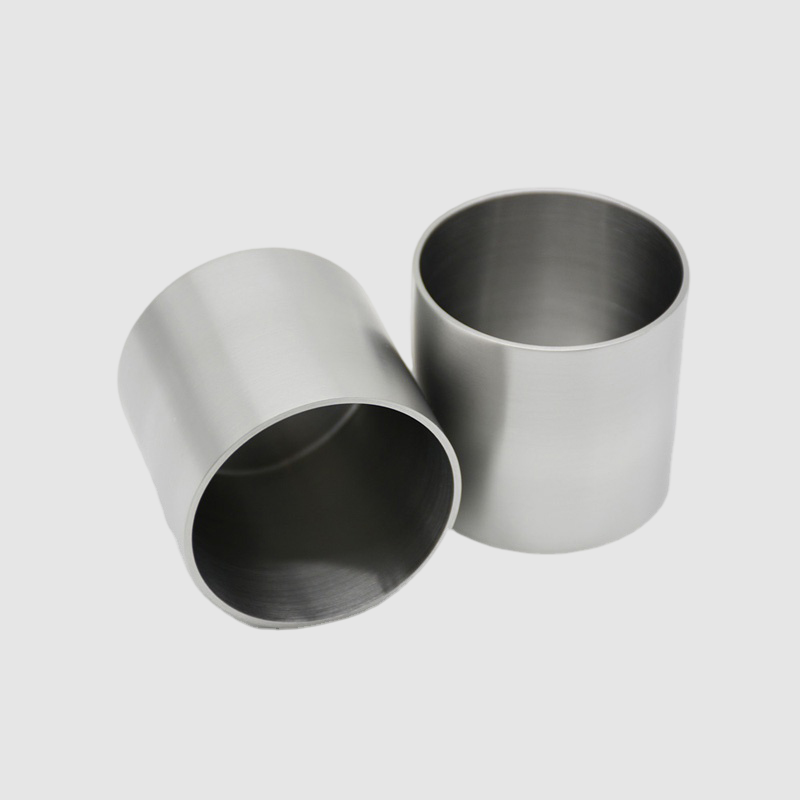
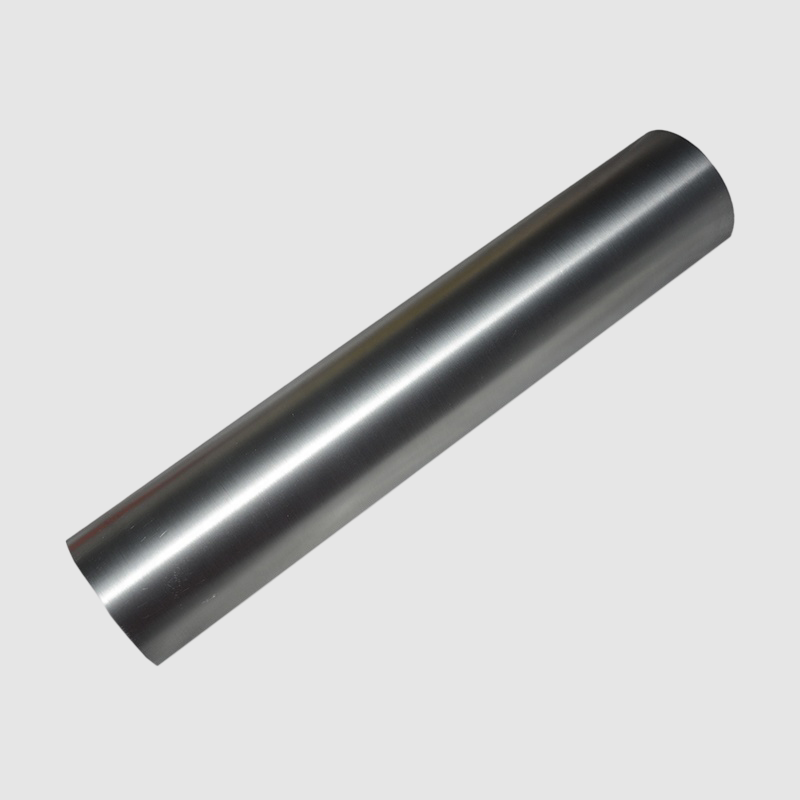
Tungsten alloy material represents a sophisticated engineering solution that combines exceptional density with remarkable mechanical properties. This advanced composite typically consists of tungsten as the primary element, blended with nickel, iron, copper, or cobalt to create a material that offers unique performance characteristics. The tungsten alloy material achieves densities ranging from 16.5 to 18.5 g/cm³, making it nearly twice as dense as lead while maintaining superior strength and durability. The primary functions of tungsten alloy material span across multiple industries where high density, radiation shielding, and thermal stability are critical requirements. This material excels in applications demanding compact mass concentration, such as counterweights, balance weights, and kinetic energy penetrators. The technological features of tungsten alloy material include excellent machinability, allowing manufacturers to create complex shapes and precise dimensions with standard metallic working equipment. Unlike pure tungsten, which can be brittle and difficult to process, tungsten alloy material offers enhanced ductility and workability while retaining the beneficial properties of tungsten. The material demonstrates outstanding resistance to corrosion and oxidation, ensuring long-term performance in challenging environments. Its high melting point exceeds 3000 degrees Celsius, providing thermal stability in extreme conditions. Applications for tungsten alloy material extend across aerospace, defense, medical, automotive, and industrial sectors. In aerospace engineering, this material serves as balance weights in aircraft and helicopter rotor systems, where space constraints demand maximum mass in minimal volume. The defense industry utilizes tungsten alloy material for armor-piercing ammunition and kinetic energy penetrators due to its superior density and strength. Medical applications include radiation shielding for X-ray and gamma-ray equipment, protecting patients and healthcare workers from harmful radiation exposure. The automotive industry incorporates tungsten alloy material in crankshaft balancing and vibration dampening systems, improving engine performance and longevity. Industrial applications range from high-precision measuring instruments to oil drilling equipment, where the material's density and durability provide significant operational advantages.

New Product Releases

Choosing tungsten alloy material delivers substantial practical benefits that directly impact your project's success and operational efficiency. The foremost advantage lies in its exceptional density, which allows you to achieve maximum weight in the smallest possible space. This space-saving characteristic proves invaluable when design constraints limit available volume but require specific mass properties. You can reduce component size by up to 50 percent compared to traditional materials like steel or lead while maintaining identical weight requirements. This compact design capability translates into cost savings through reduced material usage in surrounding structures and simplified assembly processes. The material offers superior strength and hardness compared to lead and other high-density alternatives, ensuring your components withstand mechanical stress and impact without deformation or failure. This durability extends product lifespan and reduces maintenance costs over time. You benefit from fewer replacements and lower downtime in critical applications. The tungsten alloy material provides excellent radiation shielding properties, protecting personnel and sensitive equipment from harmful X-rays and gamma radiation. This shielding effectiveness surpasses lead in many applications while offering better mechanical properties and environmental safety. Your facility gains enhanced safety compliance and reduced liability risks. The material's non-toxic and environmentally friendly composition makes it a responsible choice for applications where lead has traditionally been used. You avoid the health hazards and disposal complications associated with lead-based materials, simplifying regulatory compliance and reducing environmental impact. This eco-conscious advantage aligns with modern sustainability goals and corporate responsibility initiatives. Tungsten alloy material demonstrates remarkable thermal stability, maintaining its properties across wide temperature ranges. Your components perform consistently in extreme heat or cold, ensuring reliable operation in demanding environments. This temperature resistance eliminates the need for complex cooling systems or thermal management solutions in many applications. The material's excellent machinability allows you to create complex geometries and tight tolerances using conventional manufacturing equipment. You achieve precise specifications without specialized tooling or exotic processing methods, reducing production costs and lead times. This manufacturing flexibility enables rapid prototyping and design iterations, accelerating your product development cycle. The corrosion resistance of tungsten alloy material ensures long-term performance in harsh chemical environments and outdoor applications. Your components maintain their integrity and appearance without protective coatings or frequent maintenance interventions. This durability translates into lower total cost of ownership and improved return on investment. The material's magnetic neutrality makes it ideal for applications requiring non-magnetic properties, such as precision instruments and electronic devices. You eliminate magnetic interference concerns and ensure accurate measurements in sensitive applications.

Latest News

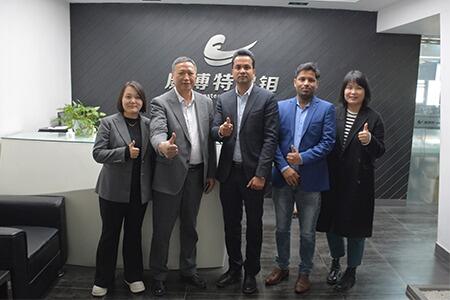
Indian Delegation Visits Youbo, Signs Molybdenum Bar and Tungsten Alloy Procurement Agreement​​

24

Apr

Indian Delegation Visits Youbo, Signs Molybdenum Bar and Tungsten Alloy Procurement Agreement​​

View More
International Ferroalloys 2025

24

Apr

International Ferroalloys 2025

View More
The Grand Opening Of The 2025 China International Powder Metallurgy, Hard Alloy And Advanced Ceramics Exhibition

24

Apr

The Grand Opening Of The 2025 China International Powder Metallurgy, Hard Alloy And Advanced Ceramics Exhibition

View More
Luoyang Combat Tungsten & Molybdenum Materials Co., Ltd. Shines at Asia Ferroalloys 2025 Conference to Forge Global Collaboration Opportunities

24

Apr

Luoyang Combat Tungsten & Molybdenum Materials Co., Ltd. Shines at Asia Ferroalloys 2025 Conference to Forge Global Collaboration Opportunities

View More

Get a Free Quote

Our representative will contact you soon.
Email
Name
Country/Region
Mobile/WhatsApp
Product Name
Message
0/1000

tungsten alloy material

Unmatched Density Performance for Space-Critical Applications

Unmatched Density Performance for Space-Critical Applications

The tungsten alloy material delivers density performance that fundamentally changes how engineers approach weight and space optimization challenges. With densities reaching 18.5 grams per cubic centimeter, this material provides nearly 2.5 times the density of steel and approximately 1.7 times that of lead, creating unprecedented opportunities for compact design solutions. This exceptional density characteristic becomes particularly valuable in applications where physical space limitations impose strict constraints on component dimensions. Consider aerospace applications where every cubic centimeter of space carries premium value. Aircraft and helicopter manufacturers face constant pressure to optimize weight distribution while minimizing component volume to preserve aerodynamic efficiency and fuel economy. Tungsten alloy material enables designers to create counterweights and balance masses that occupy minimal space while delivering precise weight requirements. A balance weight made from tungsten alloy material can be 60 percent smaller than an equivalent steel component, freeing valuable space for other critical systems or reducing overall aircraft profile. This space efficiency extends beyond aerospace into medical device manufacturing, where compact radiation shielding allows for more ergonomic equipment designs that improve healthcare worker comfort and patient accessibility. The density advantage of tungsten alloy material also enhances performance in dynamic applications such as vibration dampening and inertial systems. Higher density means greater momentum and kinetic energy in smaller packages, improving the effectiveness of dampening systems while reducing their footprint. Industrial machinery benefits from this characteristic through more compact vibration control solutions that maintain or improve performance while simplifying installation and reducing structural support requirements. The material's density uniformity ensures consistent performance across production batches, eliminating the variability concerns associated with some alternative materials. Manufacturers can rely on predictable properties when designing components, reducing the need for extensive testing and quality control measures. This consistency translates into faster production cycles and lower manufacturing costs. The combination of extreme density with good mechanical properties distinguishes tungsten alloy material from pure tungsten, which offers similar density but lacks the workability and toughness required for many practical applications. This balance of properties makes tungsten alloy material the optimal choice for demanding applications where both density and durability are essential.
Superior Radiation Shielding with Enhanced Safety Profile

Superior Radiation Shielding with Enhanced Safety Profile

Tungsten alloy material provides exceptional radiation shielding capabilities that protect people and equipment from harmful ionizing radiation while offering significant advantages over traditional shielding materials. The high atomic number of tungsten, combined with the material's extreme density, creates an effective barrier against X-rays, gamma rays, and other forms of penetrating radiation. This shielding effectiveness allows you to reduce shield thickness by approximately 30 to 40 percent compared to lead while maintaining equivalent protection levels. The practical implications of this thickness reduction extend throughout medical, industrial, and nuclear applications. In medical imaging facilities, thinner tungsten alloy material shields enable more flexible room layouts and easier equipment positioning. Radiologists and technicians benefit from lighter, more maneuverable protective barriers that reduce physical strain during positioning and storage. The reduced weight also simplifies building structural requirements, potentially eliminating the need for floor reinforcement in upper-story installations. Hospitals and clinics can retrofit existing spaces for radiation equipment without extensive structural modifications, reducing installation costs and project timelines. The safety profile of tungsten alloy material surpasses lead-based alternatives in multiple dimensions. Unlike lead, tungsten alloy material contains no toxic heavy metals that pose health risks during manufacturing, installation, or disposal. Workers handling tungsten alloy material shields avoid the cumulative health effects associated with lead exposure, including neurological damage and reproductive harm. This safety advantage extends to end-of-life disposal, where tungsten alloy material can be recycled without the environmental contamination concerns that complicate lead disposal. Facilities using tungsten alloy material shielding demonstrate environmental responsibility while simplifying regulatory compliance and reducing liability exposure. The mechanical strength of tungsten alloy material provides additional safety benefits in shielding applications. The material resists deformation and maintains its protective geometry under impact or stress, ensuring consistent shielding effectiveness throughout its service life. Lead shields can sag, deform, or develop gaps over time, compromising protection and requiring replacement. Tungsten alloy material shields maintain their shape and position, providing reliable long-term protection with minimal maintenance. This durability proves particularly valuable in mobile shielding applications, where equipment undergoes frequent movement and positioning. The material's resistance to radiation damage ensures that shielding effectiveness does not degrade over time, even under continuous exposure to high radiation levels. Nuclear facilities and industrial radiography operations benefit from this stability, avoiding the performance degradation that affects some alternative materials.
Exceptional Machinability and Manufacturing Versatility

Exceptional Machinability and Manufacturing Versatility

The tungsten alloy material stands apart from pure tungsten and many other high-density materials through its remarkable machinability and manufacturing versatility. While pure tungsten presents significant processing challenges due to its brittleness and extreme hardness, tungsten alloy material can be machined using conventional metalworking equipment and standard cutting tools. This machinability advantage dramatically reduces manufacturing costs and lead times while enabling complex geometries that would be impractical or impossible with alternative materials. Manufacturers can employ standard milling, turning, drilling, and grinding operations to create tungsten alloy material components with tight tolerances and intricate features. This compatibility with existing manufacturing infrastructure eliminates the need for specialized equipment investments or exotic processing techniques. Small machine shops and large production facilities alike can work with tungsten alloy material using their current capabilities, democratizing access to high-performance density solutions. The material machines cleanly without excessive tool wear, producing smooth surface finishes that often require minimal secondary processing. This finish quality proves essential in applications demanding precise dimensional control and aesthetic appearance. The ability to achieve tight tolerances through conventional machining enables tungsten alloy material components to integrate seamlessly into assemblies with exacting fit requirements. Aerospace and medical device manufacturers particularly value this precision capability, where dimensional accuracy directly impacts performance and safety. The material accepts various surface treatments and coatings, allowing manufacturers to enhance specific properties for particular applications. Electroplating, anodizing, and coating processes adhere well to tungsten alloy material surfaces, enabling customization of corrosion resistance, appearance, or surface hardness. This treatment versatility extends the material's application range and allows optimization for specific operating environments. Tungsten alloy material also demonstrates excellent weldability compared to pure tungsten, enabling the creation of complex assemblies and the repair of damaged components. Manufacturers can join tungsten alloy material pieces using standard welding techniques, creating larger structures or integrating the material with other metals in hybrid designs. This joining capability opens new design possibilities and simplifies assembly processes in multi-material applications. The material's thermal properties support various heat treatment processes that can modify mechanical characteristics to suit specific requirements. Manufacturers can adjust hardness, strength, and ductility through controlled heating and cooling cycles, tailoring material properties to application demands. This heat treatment responsiveness provides additional flexibility in optimizing component performance without changing material composition.

Get a Free Quote

Our representative will contact you soon.
Email
Name
Country/Region
Mobile/WhatsApp
Product Name
Message
0/1000