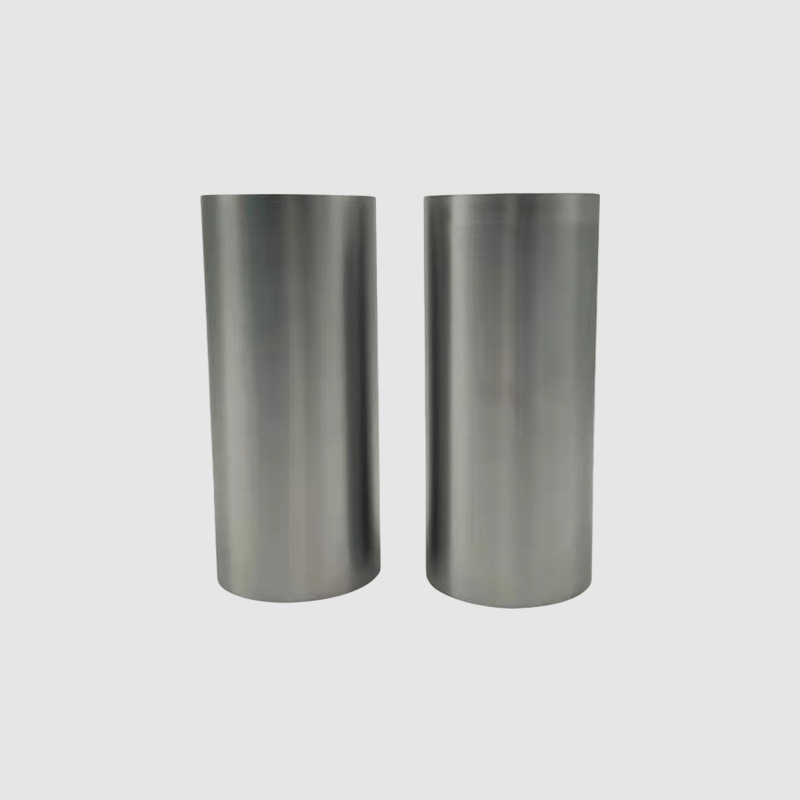
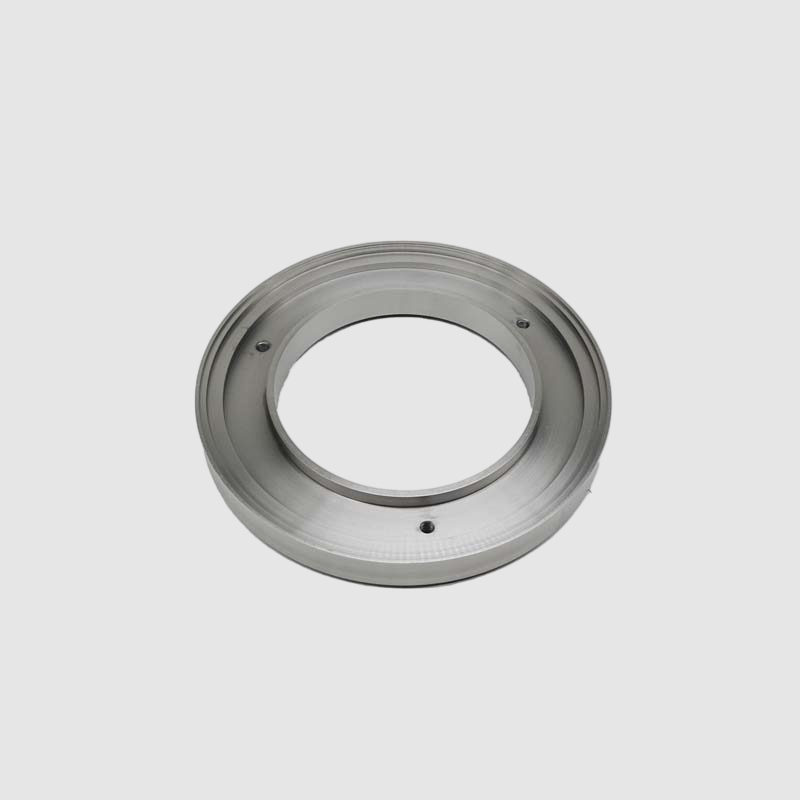
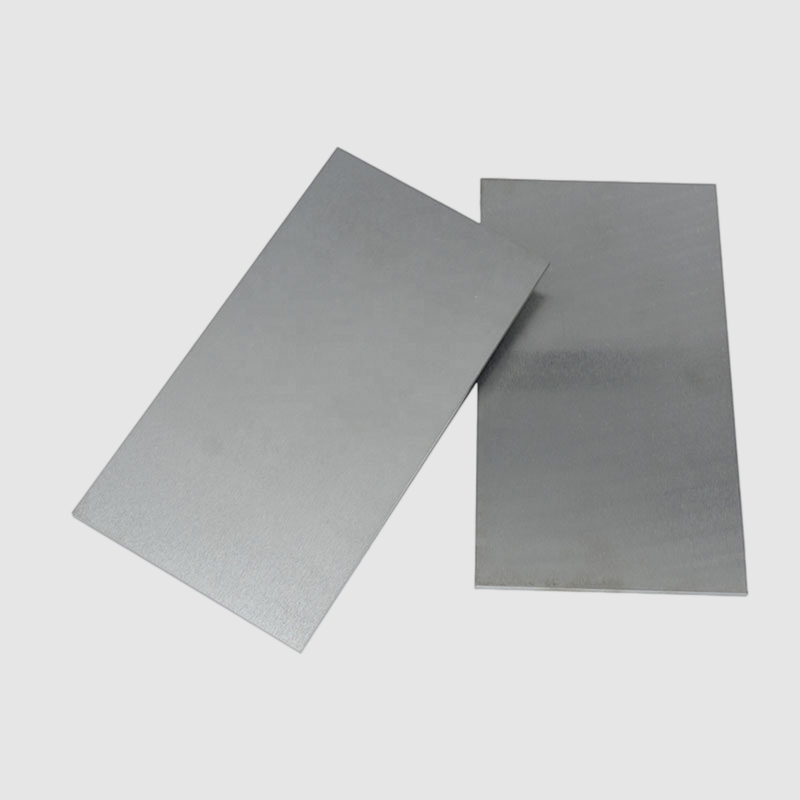
Heavy Tungsten Alloy: High-Density Material Solutions for Aerospace, Medical, and Industrial Applications

Get a Free Quote

Our representative will contact you soon.
Email
Name
Country/Region
Mobile/WhatsApp
Product Name
Message
0/1000

heavy tungsten alloy

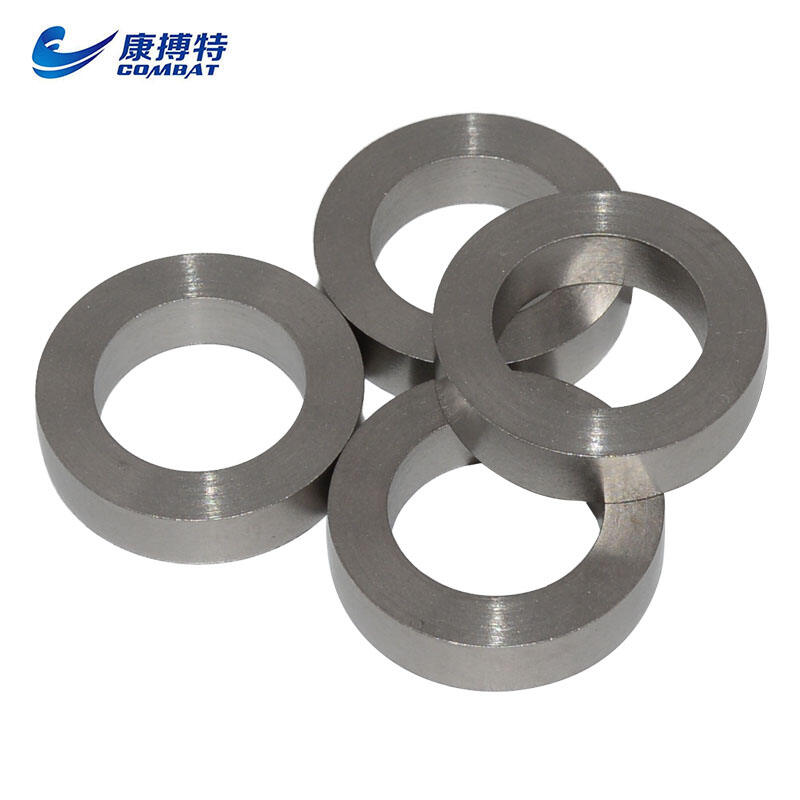
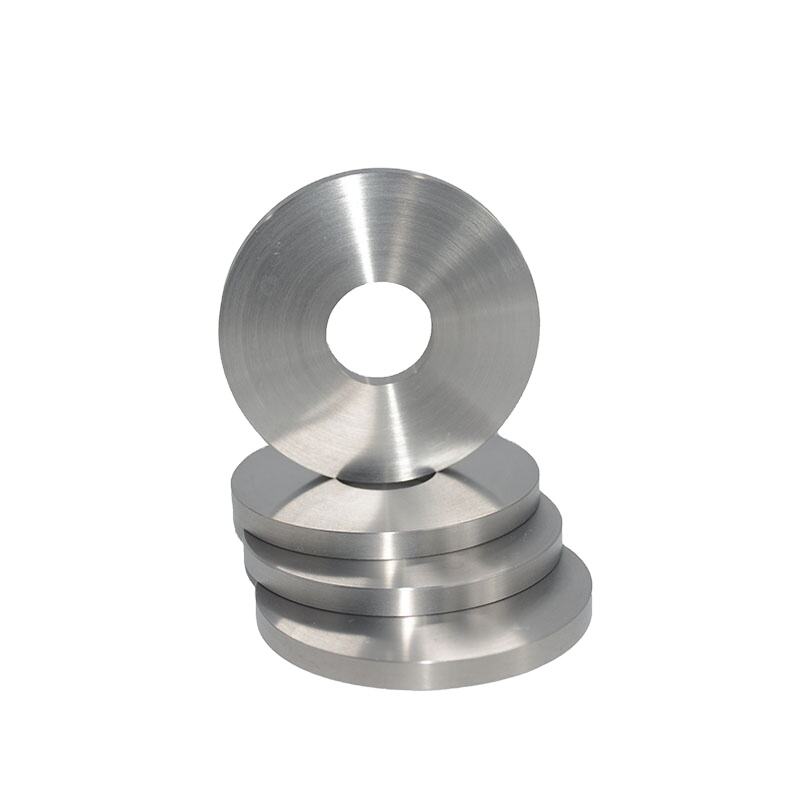
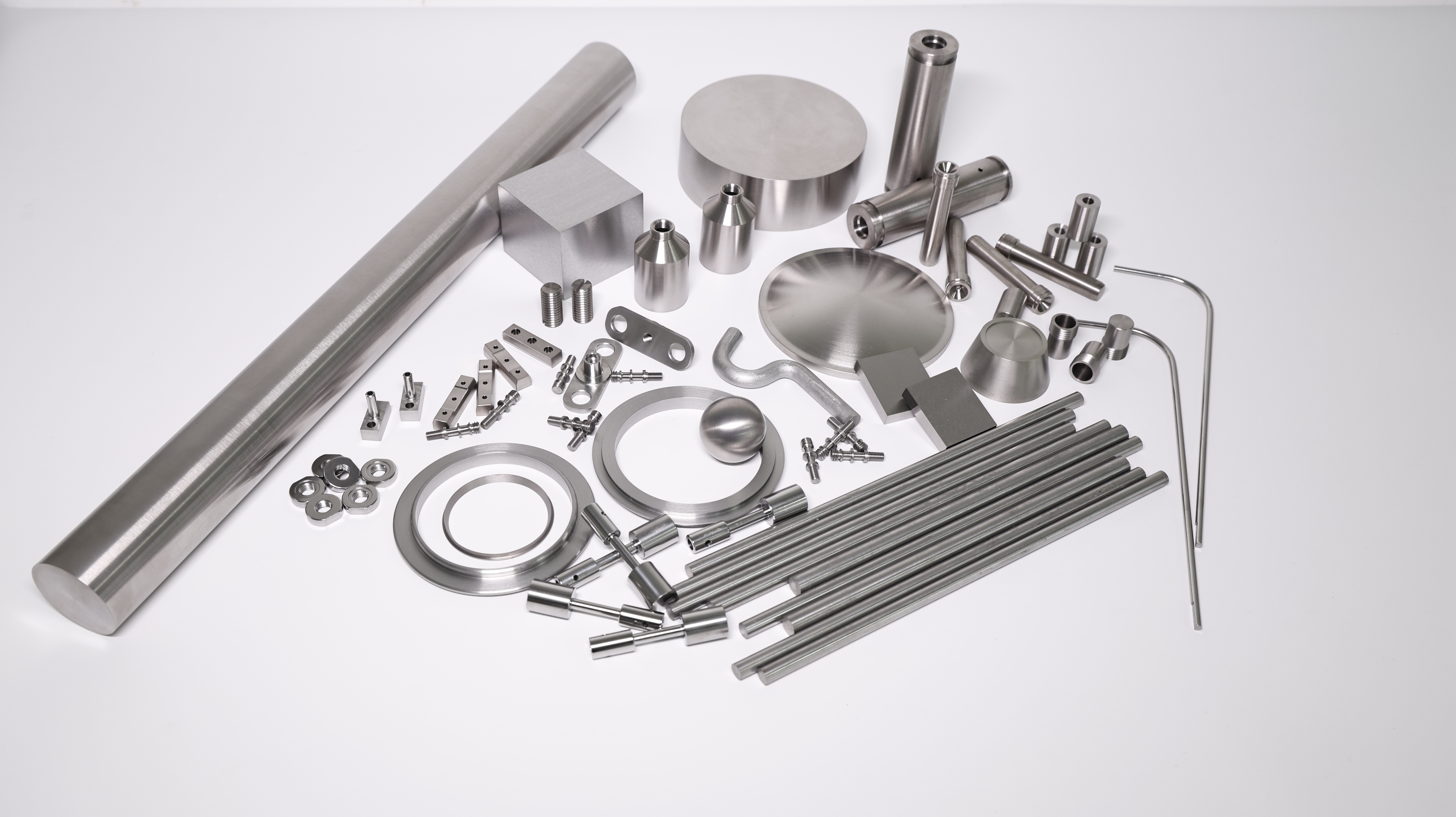
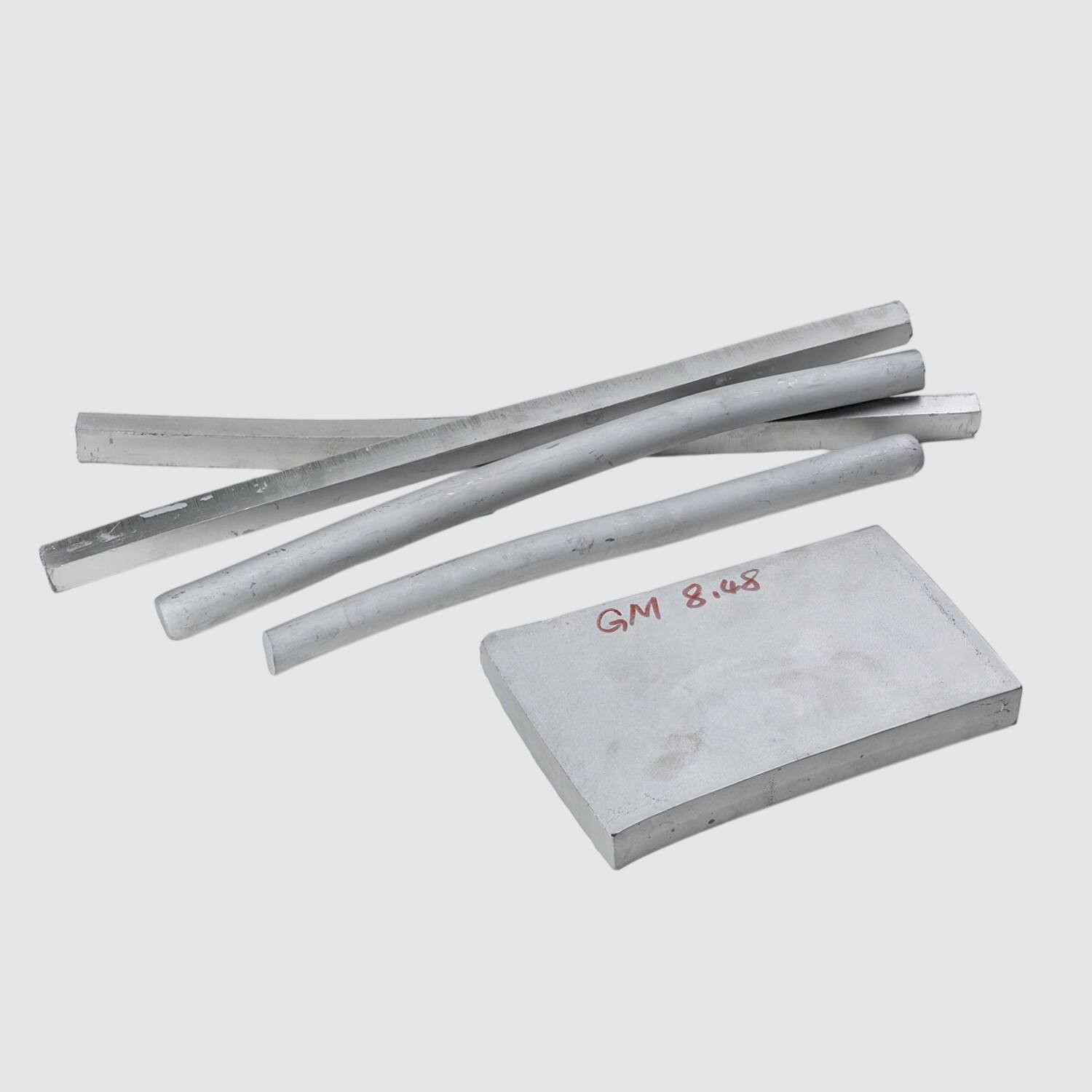
Heavy tungsten alloy represents a specialized class of materials engineered to deliver exceptional performance in demanding applications where space constraints and weight requirements intersect with the need for superior density. This remarkable material combines tungsten as its primary constituent, typically ranging from 90 to 97 percent by weight, with carefully selected binding elements such as nickel, copper, iron, or cobalt. The resulting composite exhibits a density that can reach up to 18.5 grams per cubic centimeter, making it one of the densest materials available for commercial and industrial use. The manufacturing process involves powder metallurgy techniques, where fine tungsten particles are blended with binding metals, compacted under high pressure, and sintered at elevated temperatures to create a homogeneous structure. This production method allows for precise control over the final properties and enables the creation of components with complex geometries. Heavy tungsten alloy serves critical functions across multiple industries, from aerospace and defense to medical technology and oil exploration. Its primary technological features include outstanding radiation shielding capabilities, excellent machinability compared to pure tungsten, superior corrosion resistance, and remarkable mechanical strength even at elevated temperatures. The material maintains dimensional stability across wide temperature ranges and exhibits minimal thermal expansion, making it ideal for precision instruments and calibration weights. Applications span from counterweights in aircraft and racing vehicles to radiation shielding in medical equipment and nuclear facilities. The defense sector utilizes heavy tungsten alloy for kinetic energy penetrators and fragmentation warheads, while the electronics industry employs it for heat sinks and electrical contacts. Its non-magnetic properties make it suitable for sensitive measurement devices, and its high melting point ensures reliability in high-temperature environments. The versatility of heavy tungsten alloy continues to expand as engineers discover new applications that benefit from its unique combination of density, strength, and workability.

New Product Releases

Choosing heavy tungsten alloy delivers tangible benefits that directly impact your project outcomes and operational efficiency. The most immediate advantage lies in its exceptional density, which allows you to achieve maximum mass in minimal space. When your design requires concentrated weight for balance, stability, or momentum, this material accomplishes in a compact footprint what would otherwise demand significantly larger volumes of conventional metals like steel or lead. This space-saving characteristic translates to more efficient designs, reduced overall system size, and improved performance in weight-critical applications. The material machines easily using standard metalworking equipment, cutting your production time and tooling costs compared to working with pure tungsten or other refractory metals. You can drill, mill, turn, and grind heavy tungsten alloy with conventional cutting tools, enabling rapid prototyping and cost-effective manufacturing even for complex geometries. This machinability advantage means shorter lead times from concept to finished product and greater flexibility in design modifications. Environmental and safety considerations favor heavy tungsten alloy over traditional alternatives like lead. The material poses no toxicity concerns during handling, machining, or disposal, eliminating the regulatory compliance burdens and health risks associated with lead-based products. Your workforce can machine and assemble components without specialized protective equipment beyond standard shop safety practices. The corrosion resistance of heavy tungsten alloy ensures long-term reliability in harsh environments, reducing maintenance requirements and extending service life. Unlike steel counterweights that rust or lead components that oxidize, properly formulated tungsten alloys maintain their integrity when exposed to moisture, chemicals, and temperature extremes. This durability translates to lower lifecycle costs and fewer replacement cycles. The material's radiation attenuation properties provide effective shielding against gamma rays and X-rays in compact configurations, making it invaluable for medical imaging equipment, industrial radiography, and nuclear applications where space limitations prevent the use of bulkier shielding materials. Its non-magnetic nature prevents interference with sensitive instruments and electronic systems, a critical requirement in medical devices, scientific equipment, and precision measurement tools. The high melting point and thermal stability of heavy tungsten alloy enable reliable performance in high-temperature applications where aluminum or steel would fail, expanding your design possibilities for aerospace, automotive, and industrial components. The material's strength-to-weight ratio, while not its primary selling point, still provides adequate structural integrity for most applications, allowing components to serve dual purposes as both functional weights and structural elements. These combined advantages create compelling value propositions across diverse industries, from reducing aircraft fuel consumption through optimized balance to improving medical imaging quality through superior radiation shielding.

Tips And Tricks

The 31st Russia International Metal and Metallurgy Industry Exhibition 2025 (Metal-Expo)

24

Apr

The 31st Russia International Metal and Metallurgy Industry Exhibition 2025 (Metal-Expo)

View More
Indian Delegation Visits Youbo, Signs Molybdenum Bar and Tungsten Alloy Procurement Agreement​​

24

Apr

Indian Delegation Visits Youbo, Signs Molybdenum Bar and Tungsten Alloy Procurement Agreement​​

View More
The Grand Opening Of The 2025 China International Powder Metallurgy, Hard Alloy And Advanced Ceramics Exhibition

24

Apr

The Grand Opening Of The 2025 China International Powder Metallurgy, Hard Alloy And Advanced Ceramics Exhibition

View More
Luoyang Combat Tungsten & Molybdenum Materials Co., Ltd. Shines at Asia Ferroalloys 2025 Conference to Forge Global Collaboration Opportunities

24

Apr

Luoyang Combat Tungsten & Molybdenum Materials Co., Ltd. Shines at Asia Ferroalloys 2025 Conference to Forge Global Collaboration Opportunities

View More

Get a Free Quote

Our representative will contact you soon.
Email
Name
Country/Region
Mobile/WhatsApp
Product Name
Message
0/1000

heavy tungsten alloy

Unmatched Density for Space-Constrained Applications

Unmatched Density for Space-Constrained Applications

Heavy tungsten alloy stands apart from conventional materials through its extraordinary density, reaching values between 17 and 18.5 grams per cubic centimeter depending on composition. This physical property creates immediate practical advantages for engineers and designers facing the common challenge of incorporating significant mass into limited spaces. Consider the aerospace industry, where every cubic inch of space carries premium value and weight distribution critically affects flight characteristics. Aircraft manufacturers use heavy tungsten alloy for trim weights, balance masses, and control surface counterweights, achieving optimal center of gravity positioning without consuming valuable fuselage volume. A component made from this material occupies roughly half the space of an equivalent steel part while delivering the same mass, freeing up room for fuel, payload, or additional systems. The automotive racing sector exploits this same density advantage to fine-tune vehicle dynamics. Race teams position tungsten alloy weights strategically within chassis structures to optimize weight distribution for specific track conditions, improving cornering performance and tire wear patterns. The compact nature of these weights allows placement in locations impossible with bulkier alternatives, giving engineers greater flexibility in achieving ideal balance. Medical technology applications demonstrate another dimension of this density benefit. Radiation therapy equipment requires heavy shielding to protect patients and operators from scattered radiation, yet treatment rooms have finite dimensions and equipment must remain maneuverable. Heavy tungsten alloy collimators and shields provide necessary radiation attenuation in configurations far more compact than lead alternatives, enabling more sophisticated treatment geometries and better patient access. The oil and gas industry faces similar space constraints in downhole drilling tools, where heavy tungsten alloy serves in drill collars and stabilizers. The material's density provides the weight-on-bit necessary for efficient drilling while maintaining smaller outer diameters, allowing access to narrower boreholes and reducing the overall tool string length. This density advantage extends to vibration damping applications, where concentrated mass effectively absorbs and dissipates unwanted oscillations in machinery, precision instruments, and structural systems. The physics of vibration control favors dense materials positioned strategically at vibration nodes, and heavy tungsten alloy delivers maximum damping effect with minimal volume. Manufacturing equipment, semiconductor fabrication tools, and scientific instruments all benefit from this vibration control capability, improving process precision and measurement accuracy. The material's density also proves valuable in kinetic energy applications, where momentum depends directly on mass. Flywheels, gyroscopes, and inertial reference systems achieve superior performance when constructed with dense materials, storing more energy or providing greater stability in compact packages. These diverse applications share a common thread: heavy tungsten alloy solves the fundamental engineering challenge of putting maximum mass exactly where needed without wasting precious space, enabling designs that would be impractical or impossible with conventional materials.
Superior Machinability and Manufacturing Efficiency

Superior Machinability and Manufacturing Efficiency

While pure tungsten presents significant machining challenges due to its extreme hardness and brittleness, heavy tungsten alloy transforms this refractory metal into a readily workable material that responds well to conventional manufacturing processes. The addition of binding metals like nickel, copper, and iron creates a ductile matrix that holds tungsten particles together while dramatically improving machinability. This characteristic delivers real economic benefits by reducing production costs, shortening manufacturing cycles, and expanding design possibilities. Machine shops can work with heavy tungsten alloy using standard milling machines, lathes, and drilling equipment without investing in specialized tooling or exotic cutting techniques. Carbide cutting tools perform well at moderate speeds and feeds, producing good surface finishes and maintaining dimensional tolerances comparable to machining steel or stainless alloys. This accessibility means you can source components from a broad base of qualified manufacturers rather than depending on specialized facilities with unique capabilities. The material's machinability enables cost-effective prototyping, a critical advantage during product development when designs evolve rapidly and multiple iterations refine performance. Engineers can quickly produce test components, evaluate fit and function, and implement design changes without the long lead times and high costs associated with difficult-to-machine materials. This agility accelerates time-to-market and reduces development expenses. Complex geometries that would be prohibitively expensive or technically impossible in pure tungsten become feasible with heavy tungsten alloy. Manufacturers can produce components with intricate internal passages, fine threads, precise pockets, and detailed surface features. This design freedom allows engineers to optimize parts for multiple functions, integrating mounting features, cooling channels, or assembly interfaces directly into weighted components. The material also accepts various secondary operations including grinding, polishing, plating, and coating. Surface treatments can enhance corrosion resistance, improve wear characteristics, or modify appearance without compromising the underlying density advantages. Threaded holes maintain integrity under repeated assembly cycles, and precision ground surfaces achieve flatness and finish specifications required for sealing or optical mounting applications. Welding and brazing processes can join heavy tungsten alloy components to each other or to dissimilar metals, though proper technique selection and parameter control ensure joint integrity. This joinability expands assembly options and enables hybrid structures that combine tungsten alloy's density with other materials' specific properties. The economic implications extend beyond direct machining costs. Shorter cycle times mean faster order fulfillment and improved inventory turnover. Reduced tool wear lowers consumable expenses and minimizes machine downtime for tool changes. The ability to hold tight tolerances directly from machining operations eliminates costly secondary grinding or finishing steps. These factors combine to make heavy tungsten alloy a cost-competitive choice even when initial material costs exceed conventional alternatives, particularly for medium to high volume production where manufacturing efficiency directly impacts unit costs. Quality control benefits from the material's consistent machinability, as stable cutting behavior produces repeatable results and reduces scrap rates. Inspection processes verify dimensions and surface finish using standard metrology equipment, and the material's homogeneous structure ensures uniform properties throughout each component. This manufacturing predictability reduces risk in production planning and supports reliable delivery schedules.
Environmental Safety and Long-Term Durability

Environmental Safety and Long-Term Durability

Heavy tungsten alloy addresses growing environmental and workplace safety concerns that increasingly influence material selection decisions across industries. Unlike lead, which has served historically as the default high-density material, tungsten alloys contain no toxic elements and pose minimal health risks during manufacturing, use, or disposal. This safety profile eliminates regulatory compliance burdens, reduces liability exposure, and aligns with corporate sustainability initiatives. Workers who machine, handle, or install heavy tungsten alloy components face no special health hazards beyond standard industrial safety practices. The material generates no toxic dust during cutting operations, requires no special ventilation beyond normal machine shop exhaust systems, and leaves no hazardous residues on skin contact. This benign nature simplifies workplace safety protocols, reduces training requirements, and eliminates the medical monitoring programs necessary when working with lead or other toxic metals. Disposal and recycling considerations favor heavy tungsten alloy in lifecycle assessments. Components reaching end-of-life can be recycled through established tungsten reclamation processes, recovering valuable material for reuse rather than contributing to hazardous waste streams. This recyclability supports circular economy principles and may provide residual value recovery that offsets initial material costs. The material's inherent corrosion resistance ensures long service life in demanding environments, reducing replacement frequency and associated lifecycle costs. Properly formulated tungsten alloys resist oxidation, moisture attack, and chemical degradation far better than steel or lead alternatives. Components maintain dimensional stability and functional performance through years of exposure to industrial atmospheres, marine environments, or underground installations. This durability proves particularly valuable in applications where replacement involves significant downtime, access difficulties, or safety risks. Offshore oil platforms, aircraft systems, and medical equipment all benefit from extended service intervals enabled by tungsten alloy's environmental resistance. Maintenance costs decrease when components reliably perform their intended functions without degradation, and system availability improves when preventive replacement cycles extend. The material's stability across temperature ranges contributes to this long-term reliability. Heavy tungsten alloy maintains its properties from cryogenic temperatures to several hundred degrees Celsius, neither becoming brittle in cold nor softening in heat within normal operating ranges. This thermal stability prevents the dimensional changes and property variations that plague materials with high thermal expansion coefficients or temperature-dependent mechanical characteristics. Precision instruments, calibration standards, and aerospace components all benefit from this temperature independence. Radiation stability adds another durability dimension in nuclear and medical applications. Heavy tungsten alloy maintains its shielding effectiveness and mechanical properties despite prolonged exposure to ionizing radiation, unlike some polymers or composites that degrade under radiation flux. This stability ensures consistent protection throughout the component's service life and eliminates concerns about radiation-induced property changes affecting system performance. The combination of environmental safety and long-term durability creates compelling total cost of ownership advantages. While initial material and fabrication costs may exceed some alternatives, the elimination of special handling requirements, extended service life, reduced maintenance needs, and simplified disposal processes often result in lower lifecycle costs. Organizations increasingly recognize these broader economic benefits as they adopt more comprehensive approaches to material selection that consider factors beyond initial purchase price. Regulatory trends favor materials like heavy tungsten alloy as governments worldwide restrict lead use and impose stricter controls on toxic substances. Choosing tungsten alloys positions your products ahead of regulatory curves, avoiding costly redesigns when restrictions tighten and demonstrating environmental responsibility to customers and stakeholders who increasingly value sustainability in procurement decisions.
Get a Free Quote

Our representative will contact you soon.
Email
Name
Country/Region
Mobile/WhatsApp
Product Name
Message
0/1000