High-Performance Titanium Plate: Lightweight, Corrosion-Resistant Solutions for Aerospace, Marine, and Industrial Applications

Get a Free Quote

Our representative will contact you soon.
Email
Name
Country/Region
Mobile/WhatsApp
Product Name
Message
0/1000

titanium plate

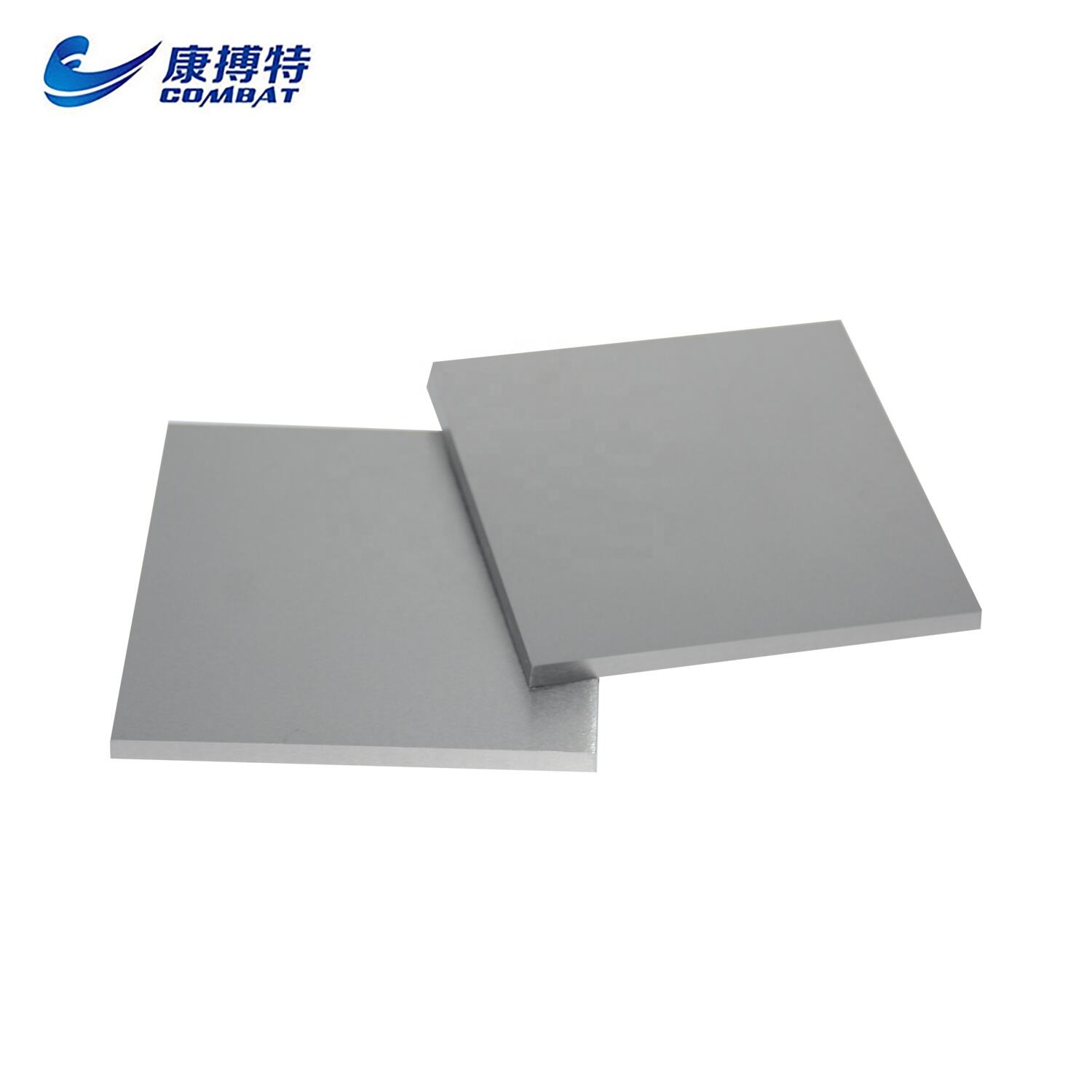
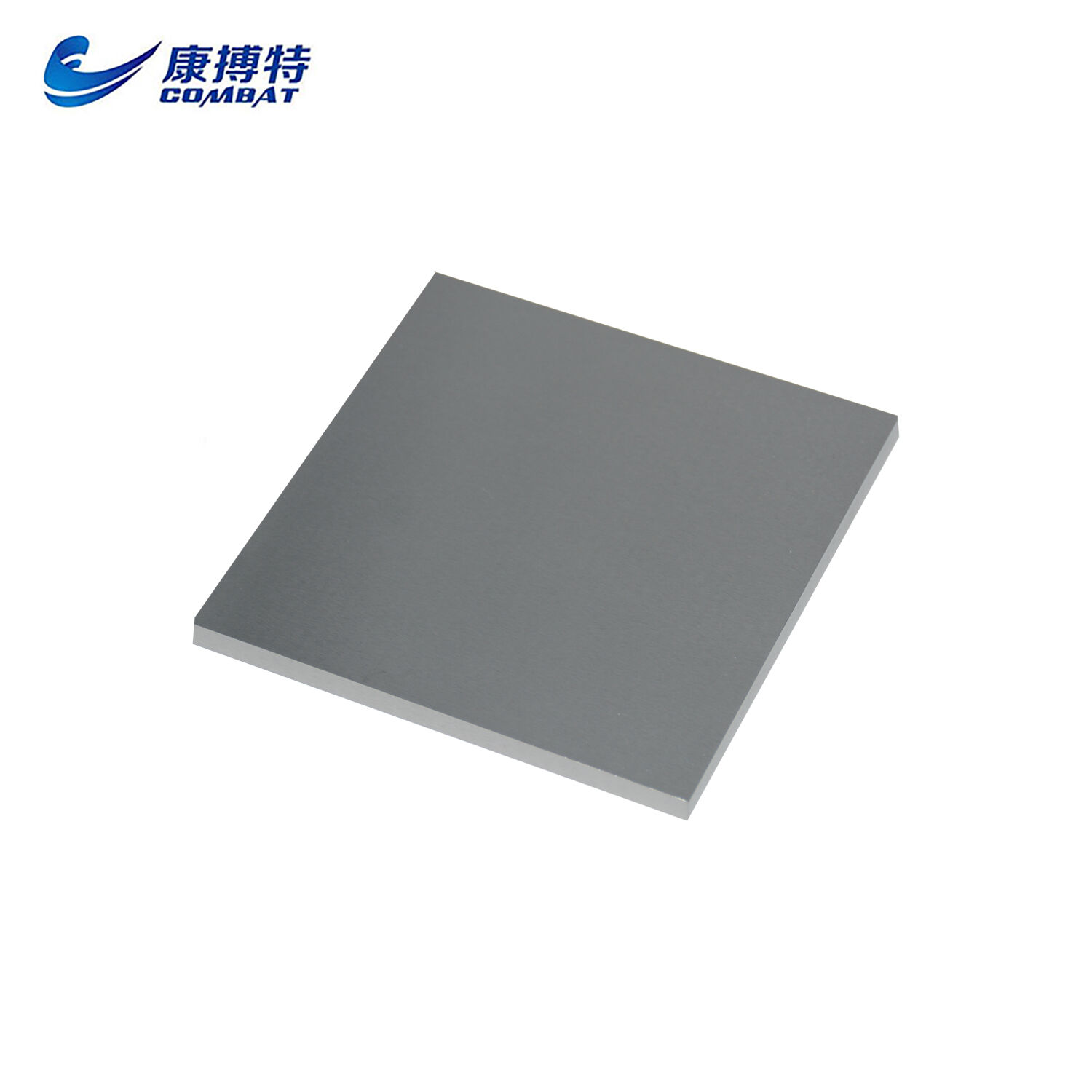
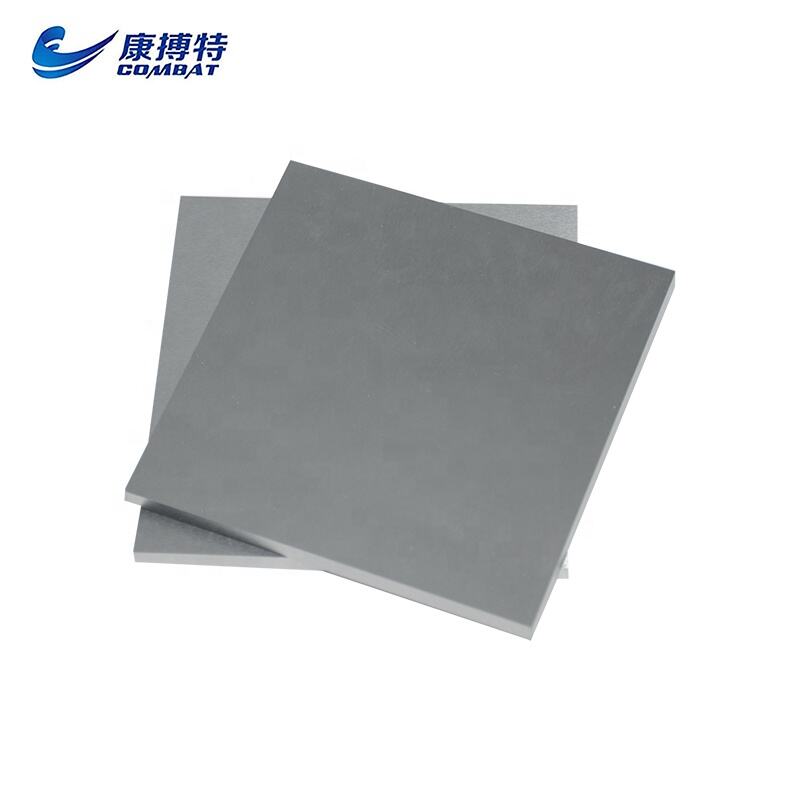
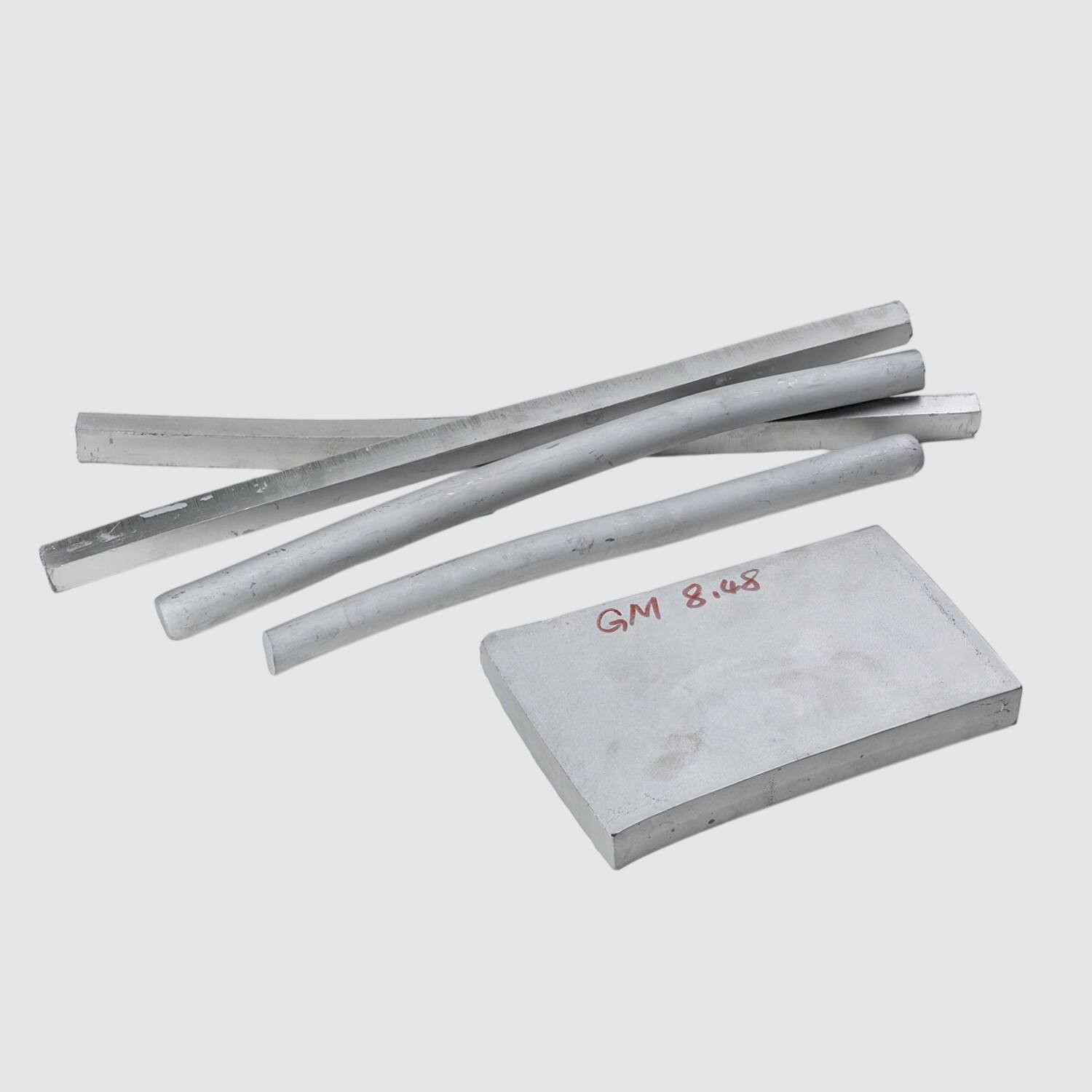
A titanium plate represents a flat-rolled product manufactured from titanium metal or titanium alloys, offering exceptional performance characteristics that make it indispensable across numerous industries. These plates are produced through sophisticated metallurgical processes including hot rolling, cold rolling, and precision machining to achieve specific thickness ranges typically from 0.5mm to over 100mm. The manufacturing process ensures uniform grain structure and consistent mechanical properties throughout the material. Titanium plates exhibit remarkable strength-to-weight ratios, making them significantly lighter than steel alternatives while maintaining comparable or superior structural integrity. The material demonstrates outstanding corrosion resistance in aggressive environments including seawater, acidic solutions, and chloride-containing atmospheres, which stems from the formation of a stable, protective oxide layer on the surface. This passive film regenerates automatically when damaged, providing self-healing protection. Temperature performance is another defining characteristic, with titanium plates maintaining mechanical properties across a broad temperature spectrum from cryogenic conditions to elevated temperatures exceeding 600 degrees Celsius in certain alloy compositions. The biocompatibility of titanium plates makes them particularly valuable in medical applications, as the material integrates seamlessly with human tissue without triggering adverse immune responses. Industries ranging from aerospace and marine engineering to chemical processing and medical device manufacturing rely on titanium plates for critical applications. Aerospace manufacturers utilize these plates in airframe structures, engine components, and landing gear assemblies where weight reduction directly translates to fuel efficiency and payload capacity. Marine applications include submarine hulls, propeller shafts, and offshore platform components that must withstand constant saltwater exposure. Chemical processing facilities employ titanium plates in reactor vessels, heat exchangers, and piping systems handling corrosive media. The medical sector uses titanium plates for orthopedic implants, dental fixtures, and surgical instruments. Available in various grades and alloy compositions, titanium plates can be customized to meet specific performance requirements, with common grades including commercially pure titanium and alloys such as Ti-6Al-4V, each offering distinct property profiles suited to particular applications.

New Products

Choosing a titanium plate delivers tangible benefits that directly impact operational efficiency, cost management, and product performance across diverse applications. The weight advantage stands as one of the most immediately recognizable benefits, with titanium plates weighing approximately 45 percent less than steel equivalents while delivering comparable strength. This weight reduction translates to lower transportation costs, reduced structural support requirements, and improved fuel efficiency in mobile applications such as aircraft, ships, and automotive components. The economic impact extends beyond initial material costs when considering the total lifecycle value proposition. Corrosion resistance eliminates the need for protective coatings, painting, or frequent replacement cycles that plague conventional materials in harsh environments. Facilities using titanium plates in chemical processing or marine applications report dramatically reduced maintenance schedules and extended equipment lifespans, often exceeding 20 to 30 years without significant degradation. This durability means fewer production interruptions, lower replacement part inventories, and reduced labor costs associated with maintenance activities. The material's non-magnetic properties provide critical advantages in specialized applications including medical imaging equipment, naval mine countermeasure systems, and precision scientific instruments where magnetic interference would compromise functionality. Fabrication versatility allows titanium plates to be formed, welded, and machined using established techniques, though specialized knowledge optimizes results. Modern welding technologies produce joints with strength approaching base material properties, enabling complex assemblies and repairs. The thermal expansion coefficient of titanium closely matches that of carbon fiber composites, making titanium plates ideal for hybrid structures in aerospace applications where dissimilar material interfaces must maintain integrity across temperature cycles. Environmental sustainability represents an increasingly important advantage, as titanium plates are fully recyclable without property degradation, supporting circular economy initiatives and reducing environmental footprint. The material's longevity means fewer resources consumed over product lifecycles compared to alternatives requiring frequent replacement. Energy efficiency gains in transportation applications contribute to reduced emissions and operational costs. Biocompatibility opens medical applications where titanium plates serve as permanent implants, supporting bone integration and tissue growth without rejection risks associated with other metals. Patients benefit from reduced complications, faster healing, and improved long-term outcomes. The aesthetic appeal of titanium plates, with their distinctive metallic luster and ability to accept various surface finishes including polishing, brushing, or anodizing in multiple colors, makes them attractive for architectural applications and consumer products where visual impact matters alongside performance.

Latest News

The 31st Russia International Metal and Metallurgy Industry Exhibition 2025 (Metal-Expo)

24

Apr

The 31st Russia International Metal and Metallurgy Industry Exhibition 2025 (Metal-Expo)

View More
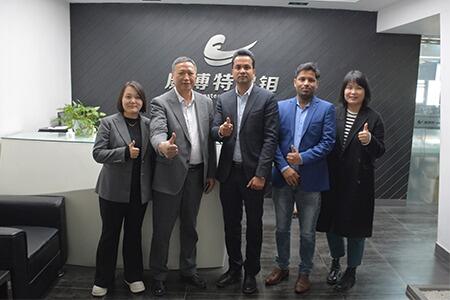
Indian Delegation Visits Youbo, Signs Molybdenum Bar and Tungsten Alloy Procurement Agreement​​

24

Apr

Indian Delegation Visits Youbo, Signs Molybdenum Bar and Tungsten Alloy Procurement Agreement​​

View More
International Ferroalloys 2025

24

Apr

International Ferroalloys 2025

View More
Luoyang Combat Tungsten & Molybdenum Materials Co., Ltd. Shines at Asia Ferroalloys 2025 Conference to Forge Global Collaboration Opportunities

24

Apr

Luoyang Combat Tungsten & Molybdenum Materials Co., Ltd. Shines at Asia Ferroalloys 2025 Conference to Forge Global Collaboration Opportunities

View More

Get a Free Quote

Our representative will contact you soon.
Email
Name
Country/Region
Mobile/WhatsApp
Product Name
Message
0/1000

titanium plate

Unmatched Corrosion Resistance for Extreme Environments

Unmatched Corrosion Resistance for Extreme Environments

The corrosion resistance of titanium plates stands as their most celebrated attribute, providing reliable performance in environments that rapidly destroy conventional materials. This exceptional resistance stems from the instantaneous formation of a tenacious titanium dioxide layer on exposed surfaces, creating an impermeable barrier against corrosive attack. Unlike protective coatings that can chip, crack, or wear away, this oxide film forms naturally and regenerates immediately when damaged, providing continuous protection throughout the material's service life. In marine environments, titanium plates demonstrate complete immunity to saltwater corrosion, eliminating the pitting, crevice corrosion, and stress corrosion cracking that plague stainless steel and other marine-grade alloys. Offshore oil platforms, desalination plants, and naval vessels utilize titanium plates in critical components where failure would result in catastrophic consequences and enormous replacement costs. The material performs equally well in chemical processing applications, resisting attack from acids, alkalis, and organic compounds that would quickly dissolve alternative materials. Chlorine production facilities, which generate some of the most aggressive industrial environments, rely extensively on titanium plates for electrolyzer components, piping systems, and reactor vessels. The economic implications are substantial, with titanium plate installations in chemical plants often lasting decades without replacement while competing materials require renewal every few years. This longevity translates to reduced downtime, lower maintenance labor costs, and improved safety through elimination of corrosion-related failures. The resistance extends to high-temperature oxidation, with titanium plates maintaining protective oxide layers at elevated temperatures where many metals would rapidly scale and deteriorate. Aerospace applications exploit this characteristic in engine components and airframe structures exposed to aerodynamic heating. The material's performance in biological environments further demonstrates its corrosion resistance, with titanium plates showing no degradation when exposed to bodily fluids, making them ideal for long-term medical implants. Patients with titanium plate implants experience no metal ion release or tissue staining, concerns that affect other implant materials. Environmental applications benefit from this stability, with titanium plates used in pollution control equipment, wastewater treatment systems, and flue gas desulfurization units where corrosive conditions would quickly compromise lesser materials.
Superior Strength-to-Weight Ratio Enabling Design Innovation

Superior Strength-to-Weight Ratio Enabling Design Innovation

The strength-to-weight ratio of titanium plates revolutionizes design possibilities across industries where mass reduction directly impacts performance and efficiency. With a density of approximately 4.5 grams per cubic centimeter compared to steel's 7.8 grams per cubic centimeter, titanium plates deliver weight savings of over 40 percent while maintaining equivalent or superior strength characteristics. This fundamental advantage cascades through entire system designs, enabling engineers to reduce structural support requirements, decrease energy consumption, and improve payload capacities. Aerospace manufacturers have embraced titanium plates as essential materials for modern aircraft, where every kilogram saved translates to reduced fuel consumption, extended range, or increased passenger capacity. Commercial aircraft utilize titanium plates in landing gear components, wing structures, and engine pylons where high strength must combine with minimum weight. Military aircraft push these advantages further, with titanium plates comprising significant portions of airframe structures in advanced fighters and strategic bombers. The weight savings enable higher performance envelopes, improved maneuverability, and enhanced mission capabilities. Automotive applications increasingly incorporate titanium plates in performance vehicles and racing applications where weight reduction improves acceleration, handling, and fuel efficiency. Exhaust systems fabricated from titanium plates deliver weight savings while withstanding extreme thermal cycling and corrosive exhaust gases. The material's high specific strength enables thinner wall sections than possible with steel, further reducing mass while maintaining structural integrity. Sports equipment manufacturers exploit these properties in high-performance bicycles, golf clubs, and tennis rackets where reduced weight improves user performance. Marine applications benefit from the strength-to-weight advantage in high-speed vessels where reduced hull weight enables higher speeds and improved fuel economy. Racing yachts and military patrol boats utilize titanium plates in hull structures and deck components. The material's combination of low density and high strength allows designers to create structures that would be impossible with conventional materials, opening new architectural possibilities in buildings and bridges where reduced dead load enables longer spans and more dramatic forms. Medical applications leverage the strength-to-weight ratio in prosthetic devices and surgical instruments where reduced mass improves patient comfort and surgeon control. Orthopedic implants fabricated from titanium plates provide necessary structural support while minimizing the foreign material burden on the body.
Exceptional Temperature Performance Across Extreme Ranges

Exceptional Temperature Performance Across Extreme Ranges

Titanium plates maintain remarkable mechanical properties and structural stability across an extraordinarily wide temperature range, from cryogenic conditions approaching absolute zero to elevated temperatures exceeding 600 degrees Celsius in specialized alloy compositions. This thermal versatility makes titanium plates indispensable in applications experiencing extreme temperature variations or sustained operation at temperature extremes where conventional materials fail. At cryogenic temperatures, titanium plates actually increase in strength while maintaining ductility, a rare combination that makes them ideal for liquid natural gas storage tanks, rocket fuel systems, and superconducting magnet structures. Many materials become brittle and prone to catastrophic failure at these low temperatures, but titanium plates retain toughness and impact resistance. Space exploration relies heavily on this characteristic, with titanium plates used in spacecraft structures, fuel tanks, and components exposed to the extreme cold of deep space. The material's low thermal conductivity compared to aluminum and copper provides additional benefits in cryogenic applications by reducing heat transfer and improving insulation efficiency. At elevated temperatures, titanium plates maintain strength and oxidation resistance well beyond the capabilities of aluminum alloys and many steels. Jet engine components fabricated from titanium plates operate reliably in the demanding thermal environment of gas turbine engines, where temperatures cycle rapidly and sustained operation at high temperatures is routine. The material's ability to maintain mechanical properties at temperatures up to 600 degrees Celsius in certain alloy grades enables designers to push performance boundaries in aerospace propulsion systems. Industrial applications exploit this temperature capability in heat exchangers, furnace components, and high-temperature chemical reactors where sustained elevated temperature operation is required. The thermal expansion characteristics of titanium plates closely match those of advanced composite materials, making them ideal for hybrid structures in aerospace applications where temperature-induced dimensional changes must be minimized to maintain tight tolerances and prevent stress concentrations at material interfaces. This compatibility enables the creation of lightweight composite-titanium structures that combine the best properties of both material systems. Thermal cycling resistance represents another critical advantage, with titanium plates withstanding repeated heating and cooling cycles without developing fatigue cracks or dimensional instability. Exhaust systems, heat shields, and thermal protection structures benefit from this characteristic, maintaining integrity through thousands of thermal cycles that would crack or warp alternative materials.

Get a Free Quote

Our representative will contact you soon.
Email
Name
Country/Region
Mobile/WhatsApp
Product Name
Message
0/1000