Versatile Applications Across Critical Industries
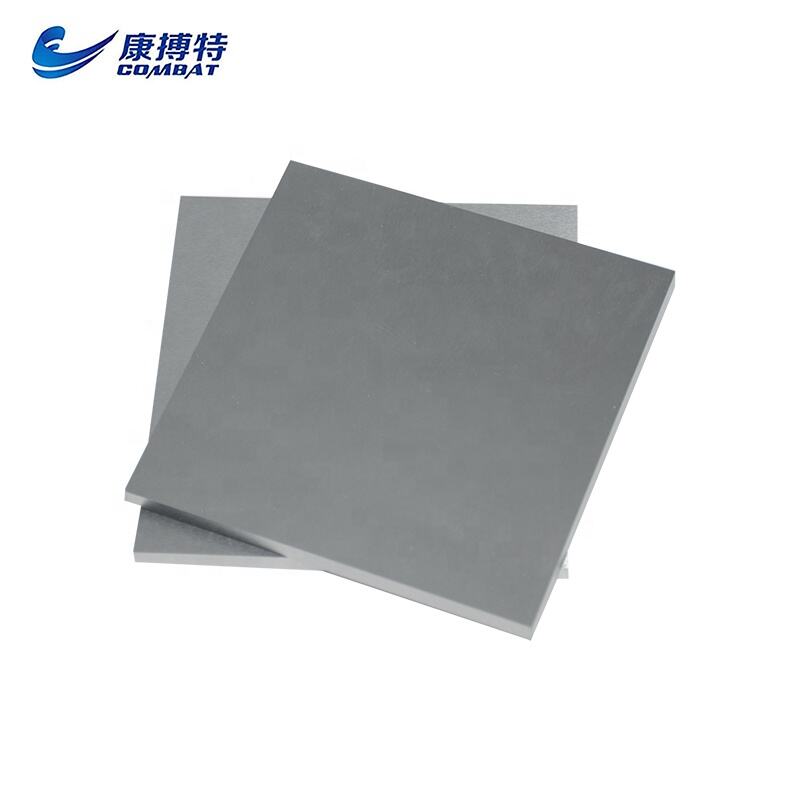
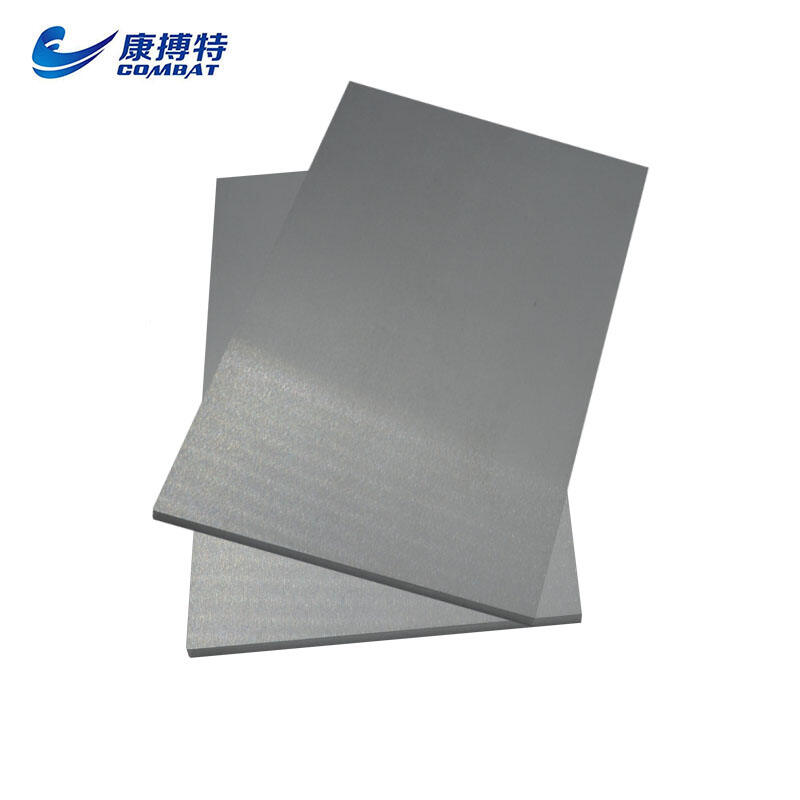
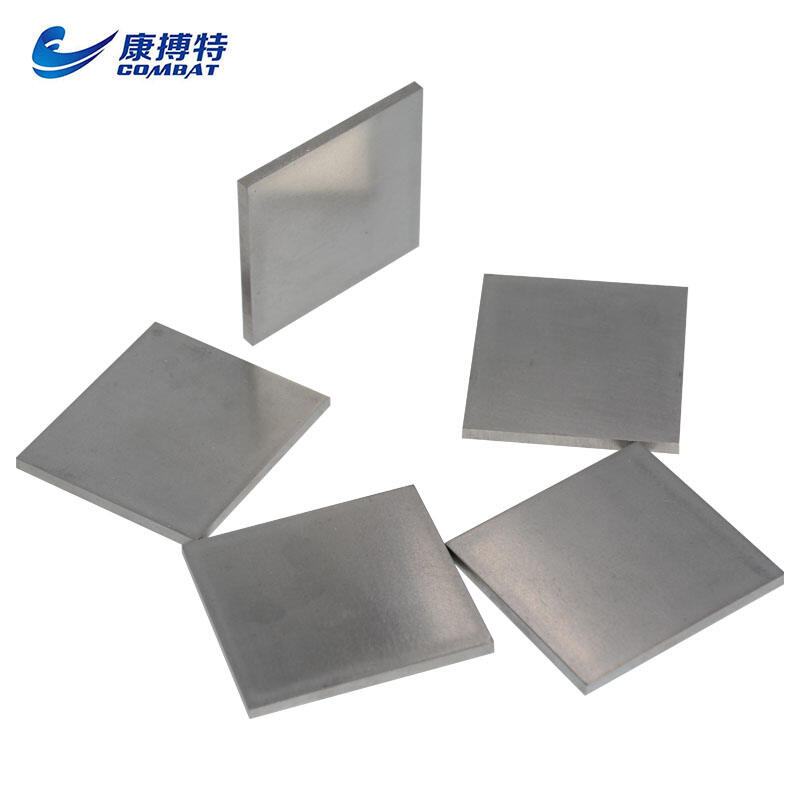
The titanium plate price opens access to a remarkably versatile material serving critical functions across diverse industrial sectors where performance requirements exceed capabilities of conventional metals. Aerospace manufacturers depend on titanium plates for structural components, engine parts, and fasteners where the combination of high strength, low weight, and temperature resistance enables aircraft performance unattainable with alternative materials. Commercial aviation uses titanium extensively in engine fan blades, compressor discs, and airframe structures, with each aircraft containing several tons of titanium components justified by fuel savings over operational lifetime. Medical device companies fabricate surgical instruments, orthopedic implants, and dental prosthetics from titanium plates, leveraging biocompatibility that prevents adverse tissue reactions and osseointegration properties that allow bone to bond directly with implant surfaces. The material's radiolucency permits clear X-ray imaging through titanium implants, essential for post-surgical monitoring and treatment planning. Chemical processing industries specify titanium plates for reactor vessels, heat exchangers, and piping systems handling corrosive media where material failure risks catastrophic releases and environmental damage. Chlor-alkali plants use titanium extensively in electrolytic cells producing chlorine and caustic soda, where the material resists both oxidizing chlorine and reducing caustic environments simultaneously. Power generation facilities employ titanium plates in condenser tubes and cooling systems where seawater or brackish water causes rapid corrosion of copper alloys and stainless steel, improving plant efficiency and reducing maintenance outages. Desalination plants processing seawater into potable water rely on titanium heat exchanger plates that resist scaling and corrosion while maintaining thermal efficiency over decades of continuous operation. Architectural applications showcase titanium plates in building facades, roofing systems, and artistic installations where the material's natural luster, corrosion resistance, and formability create distinctive aesthetic effects without ongoing maintenance. The automotive industry increasingly adopts titanium plates for exhaust systems, valve springs, and connecting rods in high-performance engines where weight reduction and strength improve vehicle dynamics and fuel economy. Marine engineering specifies titanium for submarine pressure hulls, propeller shafts, and seawater piping where the material's strength and corrosion resistance enable deeper diving depths and extended service intervals. Sports and recreation markets use titanium plates in premium bicycles, golf clubs, and camping equipment where enthusiasts pay premium titanium plate price for performance advantages and durability. The material serves in oil and gas production equipment, geothermal energy systems, and pollution control devices, demonstrating versatility that justifies investment across applications where conventional materials prove inadequate for demanding service conditions.





 EN