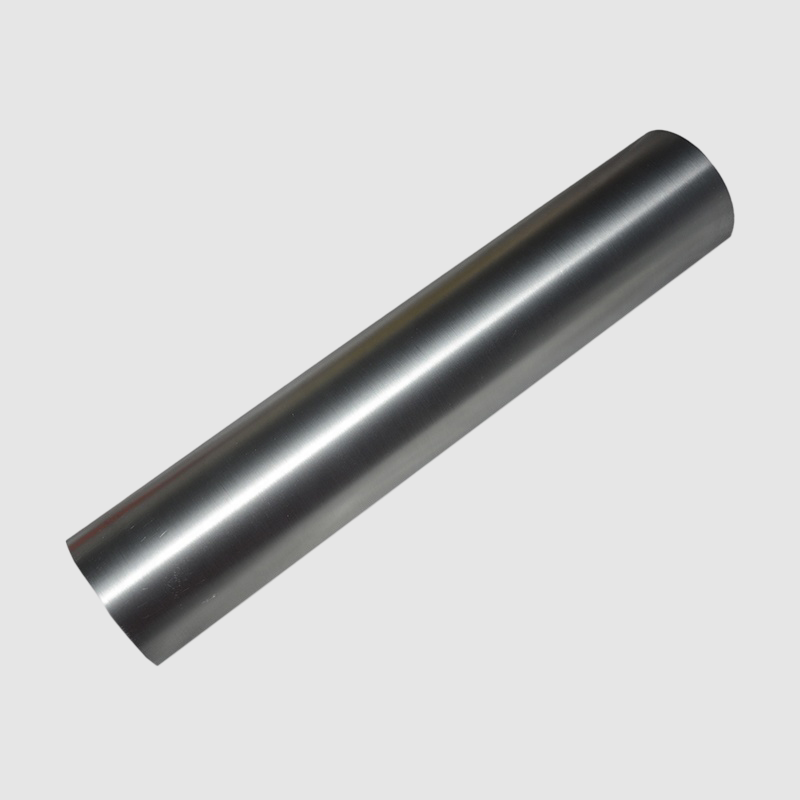
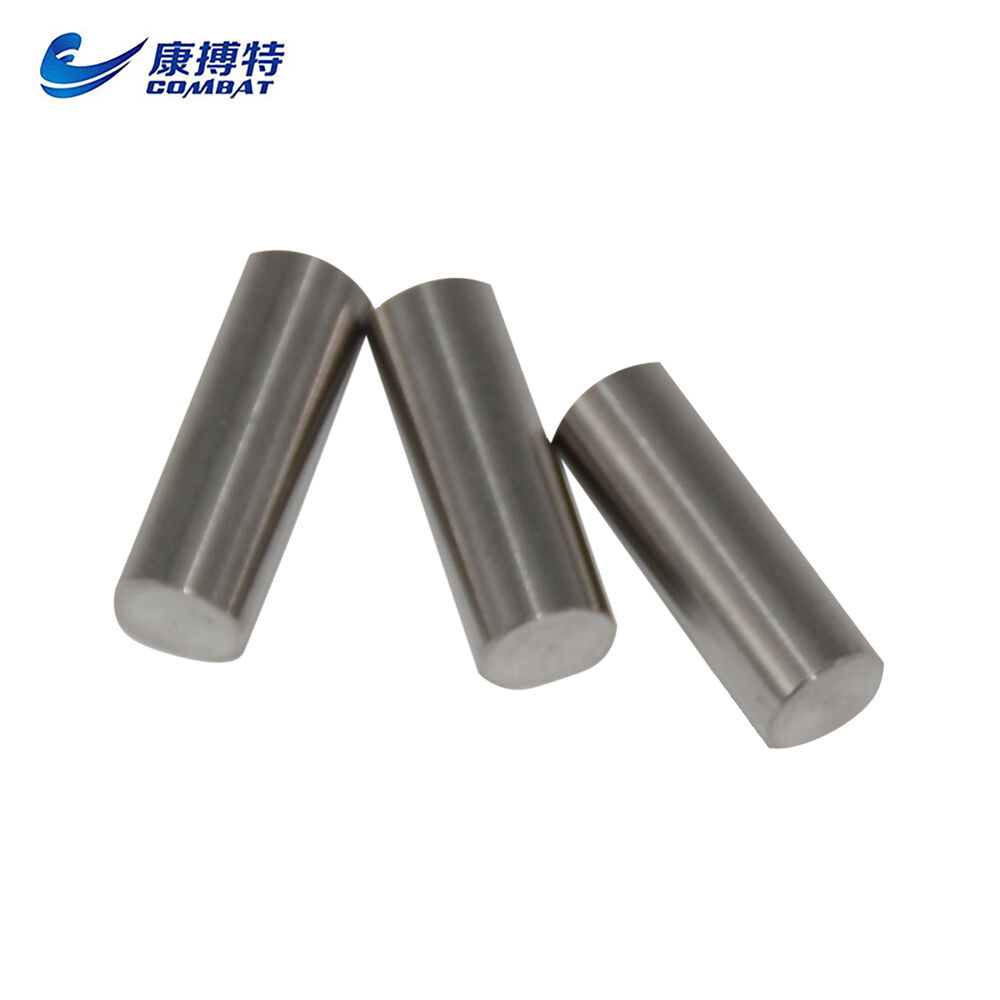
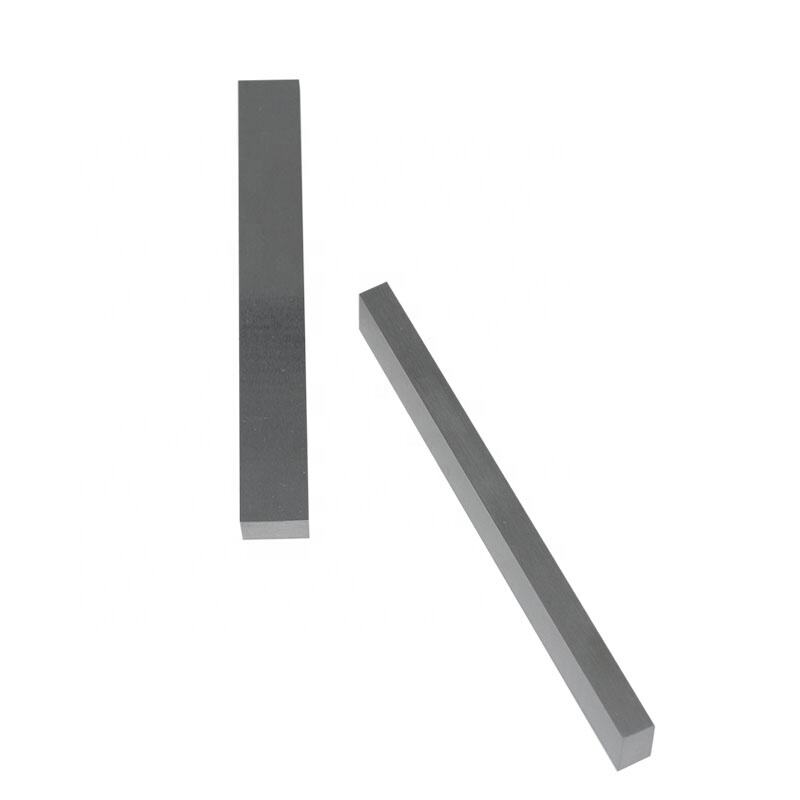
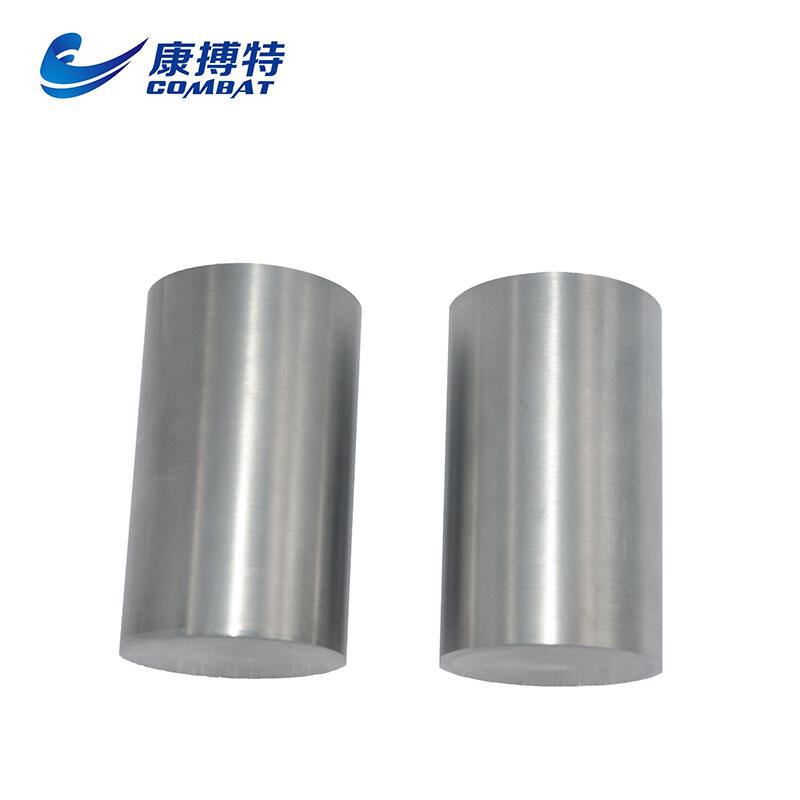
titanium alloy bar
Titanium alloy bar represents a revolutionary material solution that combines exceptional strength with remarkable lightness, making it an indispensable component across multiple industries. This advanced metallic product is manufactured through precise alloying processes that blend pure titanium with elements such as aluminum, vanadium, molybdenum, and other metals to enhance specific properties. The resulting titanium alloy bar delivers superior performance characteristics that surpass conventional materials in demanding applications. The main function of titanium alloy bar centers on providing structural integrity where weight reduction is critical without compromising strength or durability. These bars serve as raw material for manufacturing components that must withstand extreme temperatures, corrosive environments, and high-stress conditions. The technological features of titanium alloy bar include an impressive strength-to-weight ratio that exceeds steel by significant margins, outstanding corrosion resistance that eliminates the need for protective coatings in most environments, and biocompatibility that makes it safe for medical implants and surgical instruments. The material maintains its mechanical properties across a wide temperature range, from cryogenic conditions to elevated temperatures exceeding 400 degrees Celsius. Applications for titanium alloy bar span aerospace engineering, where it forms critical aircraft components including landing gear, engine parts, and structural frames. The medical industry relies on titanium alloy bar for orthopedic implants, dental fixtures, and surgical tools due to its compatibility with human tissue. Marine engineering utilizes these bars for propeller shafts, heat exchangers, and offshore platform components that face constant saltwater exposure. The automotive sector increasingly adopts titanium alloy bar for performance vehicles, racing applications, and luxury car components where weight savings translate directly to improved fuel efficiency and handling. Chemical processing plants depend on titanium alloy bar for reactor vessels, piping systems, and equipment that handles aggressive chemicals. Sports equipment manufacturers incorporate this material into high-end bicycles, golf clubs, and tennis rackets to enhance performance through weight optimization.




 EN