Outstanding Corrosion Resistance and Long-Term Stability
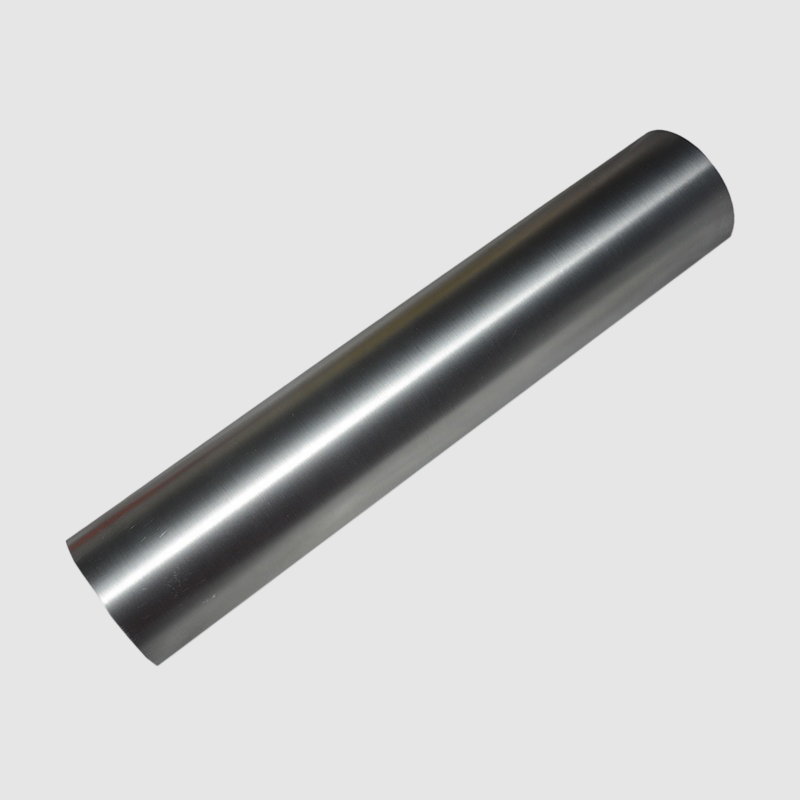
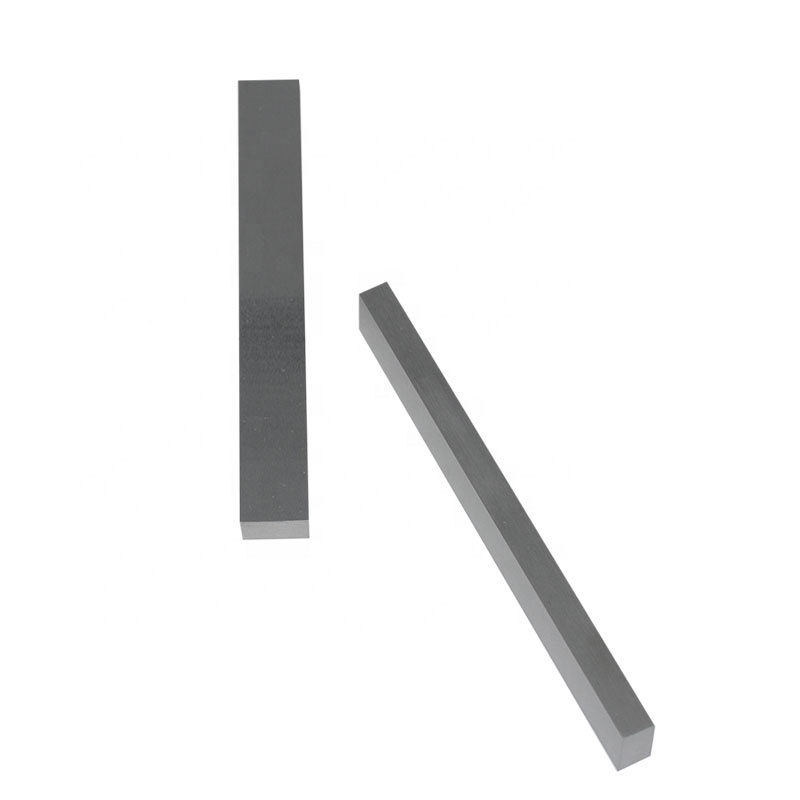
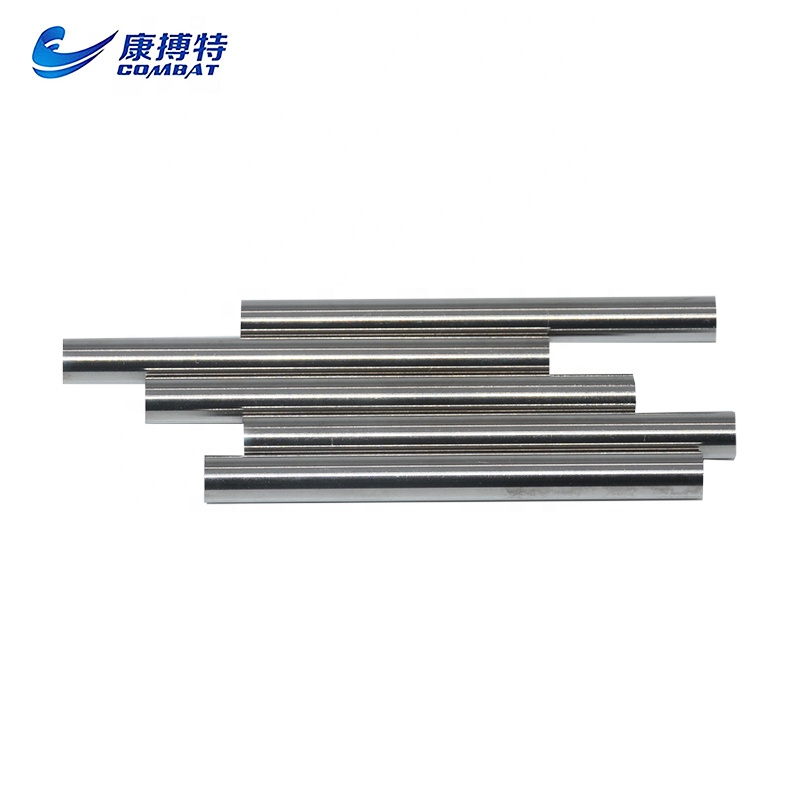
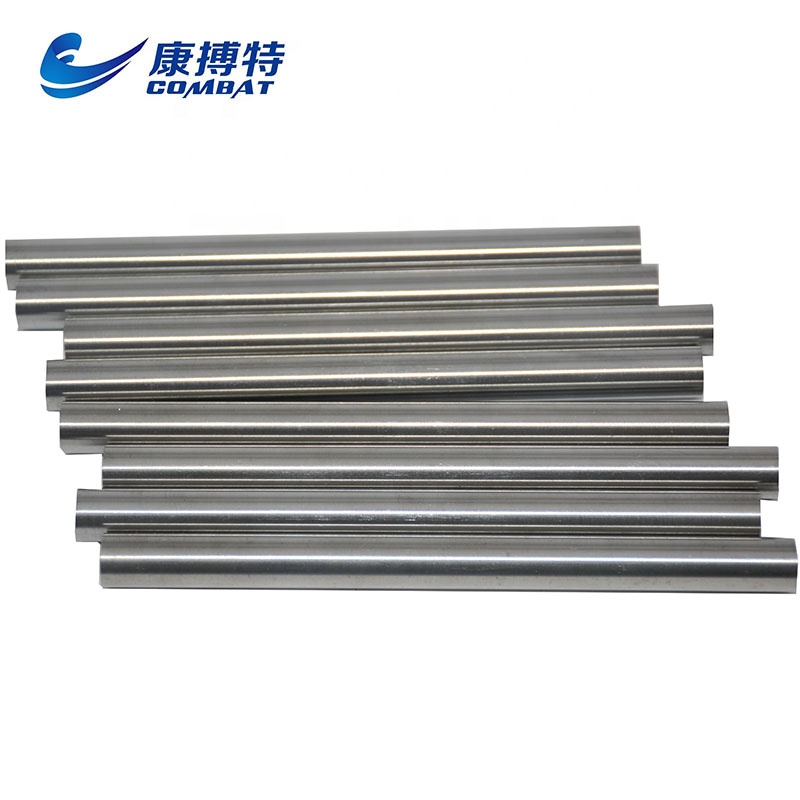
The corrosion resistance of medical titanium bar stands as one of its most critical advantages, ensuring implants maintain structural integrity and biological safety throughout decades of exposure to the challenging chemical environment inside the human body. Body fluids contain chloride ions, proteins, enzymes, and varying pH levels that aggressively attack many metals, causing gradual degradation, ion release, and eventual implant failure. Medical titanium bar resists this corrosion through its self-passivating oxide layer that reforms instantly if scratched or damaged, creating a renewable protective barrier that prevents further oxidation or dissolution. This passive layer remains stable across the pH range found in healthy and inflamed tissues, from slightly acidic environments around healing wounds to neutral conditions in established bone. The corrosion resistance translates directly to implant longevity, with properly designed titanium devices routinely functioning for 30-40 years or more without signs of degradation, effectively lasting patients' lifetimes in many cases. This durability eliminates the need for revision surgeries solely due to material failure, sparing patients from additional surgical risks, recovery periods, and healthcare costs associated with implant replacement. The absence of corrosion products means no metal ions leach into surrounding tissues or enter systemic circulation, preventing the metallosis complications seen with cobalt-chromium implants where metal particles cause tissue necrosis and systemic toxicity. Medical titanium bar maintains its surface finish and dimensional stability over time, ensuring threaded connections remain secure, bearing surfaces stay smooth, and mechanical interfaces continue functioning as designed throughout the implant's service life. The material's resistance to pitting corrosion, crevice corrosion, and galvanic corrosion when coupled with other materials makes it compatible with multi-component implant systems where different metals or materials must work together. Electrochemical stability of medical titanium bar prevents the formation of local galvanic cells that could accelerate corrosion in mixed-material implants, a significant advantage in complex reconstructive procedures requiring multiple implant types. The corrosion resistance extends to resistance against chemical sterilization agents, allowing repeated sterilization cycles without surface degradation or property changes, important for reusable surgical instruments made from medical titanium bar. Long-term clinical studies consistently demonstrate that titanium implants show no signs of corrosion-related complications even after decades of implantation, with retrieved implants displaying intact oxide layers and unchanged mechanical properties. This proven track record gives surgeons and patients confidence in choosing medical titanium bar for critical, permanent implant applications where failure is not an option.





 EN