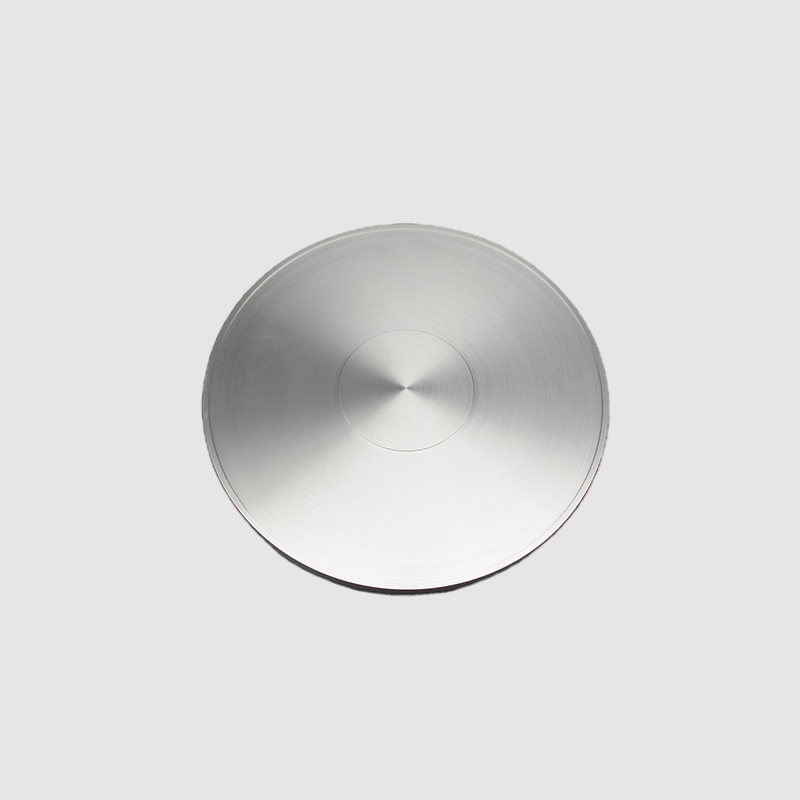
Premium Polished Titanium Sheet - Lightweight, Corrosion-Resistant Metal for Aerospace, Architecture & Industrial Applications

Get a Free Quote

Our representative will contact you soon.
Email
Name
Country/Region
Mobile/WhatsApp
Product Name
Message
0/1000

polished titanium sheet

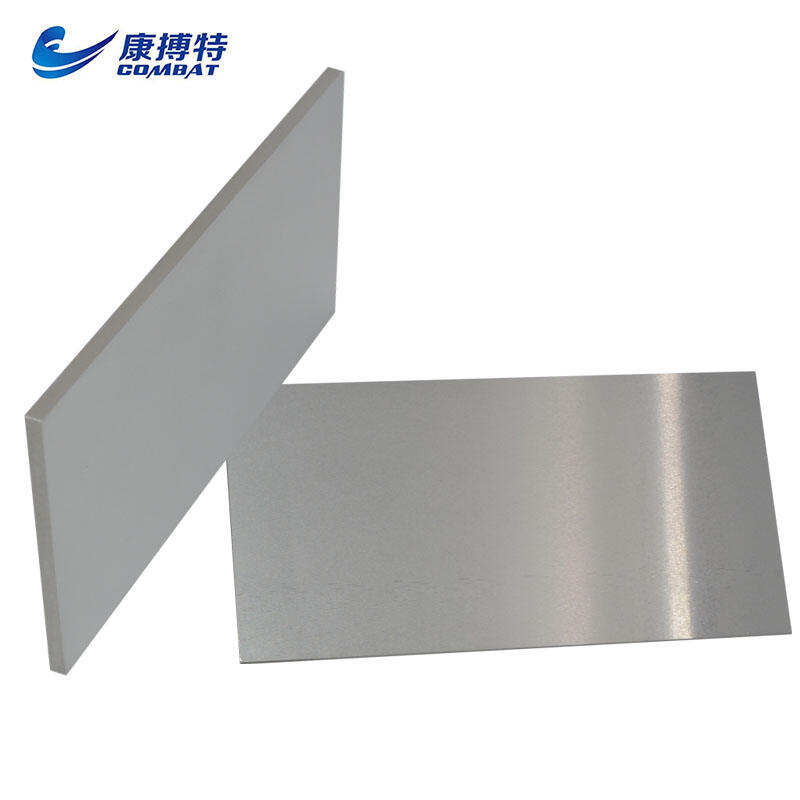
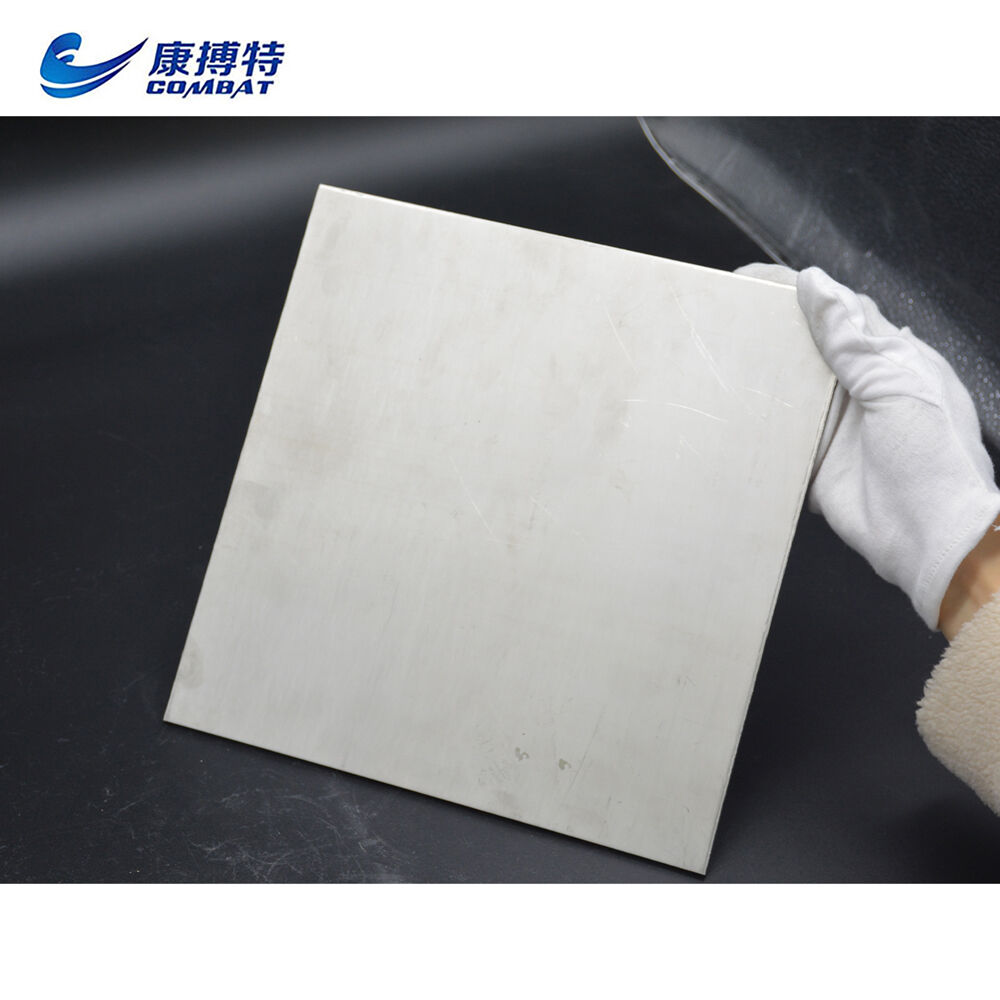
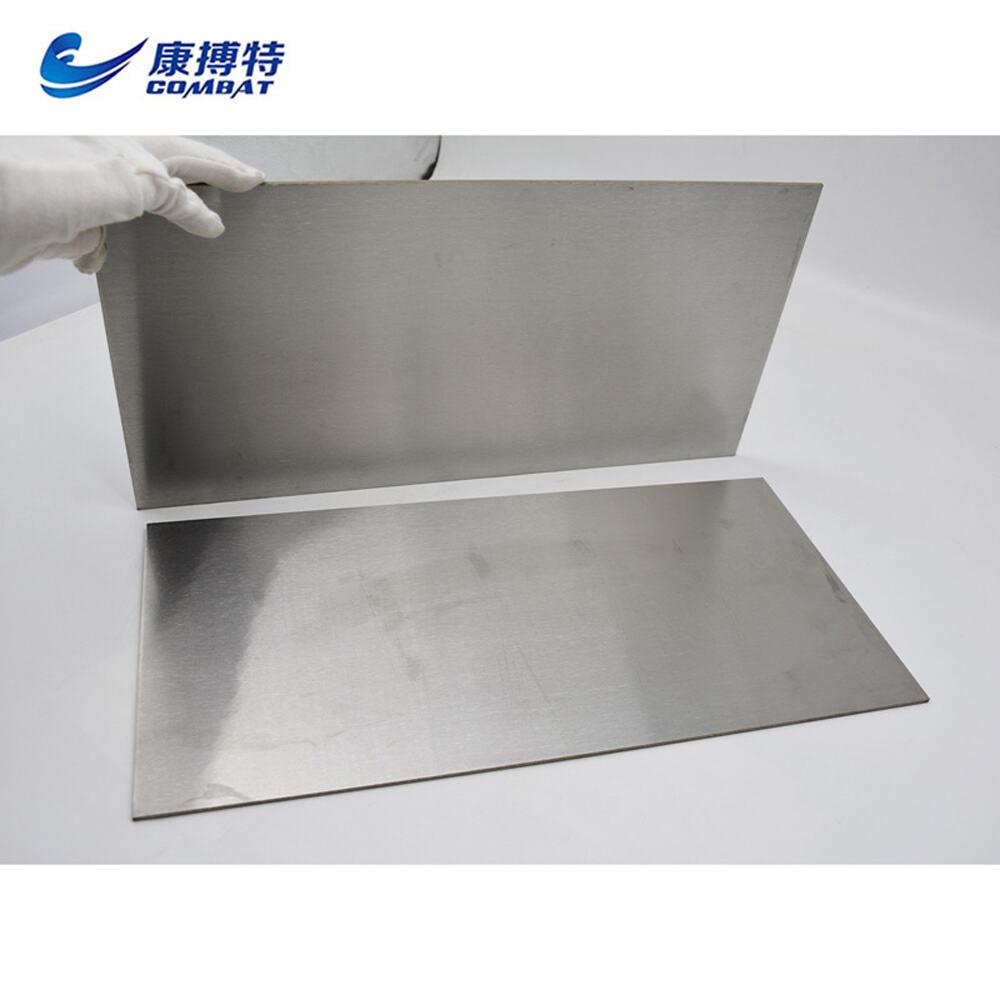
Polished titanium sheet represents a premium metal product that combines exceptional durability with an aesthetically pleasing mirror-like finish. This specialized material undergoes rigorous surface treatment processes to achieve its characteristic smooth, reflective appearance while maintaining the inherent properties that make titanium one of the most sought-after metals in modern manufacturing. The polished titanium sheet serves multiple functions across diverse industries, from architectural applications to medical device manufacturing, aerospace components, and luxury consumer products. Its primary function lies in providing a corrosion-resistant, lightweight alternative to traditional metals while offering superior strength-to-weight ratios that make it ideal for demanding applications. The technological features of polished titanium sheet include advanced surface finishing techniques that create a uniform, scratch-resistant exterior capable of maintaining its luster over extended periods. The polishing process involves multiple stages of mechanical and chemical treatment, resulting in a surface roughness measurement that meets stringent industrial standards. This material exhibits remarkable resistance to oxidation, chemical exposure, and extreme temperature fluctuations, making it suitable for environments where other metals would quickly deteriorate. Applications for polished titanium sheet span numerous sectors, including architectural facades where its reflective properties create stunning visual effects, medical implants where biocompatibility is paramount, marine equipment where saltwater corrosion poses constant challenges, and automotive components where weight reduction directly impacts fuel efficiency. The aerospace industry relies heavily on polished titanium sheet for aircraft skin panels, engine components, and structural elements that must withstand extreme stress while minimizing overall weight. In the luxury goods market, polished titanium sheet finds use in high-end watches, jewelry, and decorative items where its unique appearance and durability justify premium pricing. The material's versatility extends to industrial equipment, chemical processing facilities, and power generation systems where its resistance to harsh conditions ensures long-term reliability and reduced maintenance costs.

New Product Recommendations

The polished titanium sheet delivers substantial benefits that directly impact your project outcomes and long-term operational costs. First and foremost, this material weighs approximately 45 percent less than stainless steel while providing comparable or superior strength, which translates to reduced structural support requirements, lower transportation costs, and easier installation procedures. Your team will appreciate the handling advantages during fabrication and assembly, as the lighter weight reduces physical strain and speeds up construction timelines. The corrosion resistance of polished titanium sheet surpasses virtually all other metals, eliminating the need for protective coatings, regular repainting, or frequent replacements that drain maintenance budgets. This material maintains its integrity when exposed to saltwater, acidic environments, alkaline solutions, and industrial chemicals that would rapidly degrade alternative metals. You gain decades of service life without the recurring expenses associated with corrosion-related repairs or component replacement. The polished surface finish provides more than aesthetic appeal; it creates a hygienic, easy-to-clean surface that resists bacterial growth and contamination, making it ideal for food processing facilities, pharmaceutical manufacturing, and healthcare environments where sanitation standards are non-negotiable. The mirror-like finish reflects light effectively, potentially reducing artificial lighting requirements in architectural applications and creating visually striking design elements that enhance property values. Temperature stability represents another practical advantage, as polished titanium sheet maintains its mechanical properties across a wide temperature range, from cryogenic conditions to elevated temperatures exceeding 400 degrees Celsius. This thermal stability ensures consistent performance in applications involving temperature cycling or extreme environmental conditions. The material's non-magnetic properties make it essential for applications near sensitive electronic equipment, medical imaging devices, or scientific instruments where magnetic interference could compromise functionality. Your procurement costs may initially appear higher compared to conventional metals, but the total cost of ownership calculation reveals significant savings when factoring in extended service life, eliminated maintenance expenses, reduced weight-related structural costs, and avoided downtime from corrosion failures. The polished titanium sheet also offers excellent formability, allowing fabrication into complex shapes through standard metalworking techniques including bending, rolling, and stamping, which means your existing equipment and workforce skills remain applicable. The material's biocompatibility opens opportunities in medical applications where direct contact with human tissue requires materials that will not trigger adverse reactions or rejection. Environmental considerations favor polished titanium sheet as well, since its longevity reduces replacement frequency and the material itself is fully recyclable, supporting sustainability initiatives and green building certifications that increasingly influence project approvals and market acceptance.

Latest News

Gathering in Luoyang for Tungsten & Molybdenum, Uniting Hearts to Forge a New Dream Forward​

24

Apr

Gathering in Luoyang for Tungsten & Molybdenum, Uniting Hearts to Forge a New Dream Forward​

View More
Indian Delegation Visits Youbo, Signs Molybdenum Bar and Tungsten Alloy Procurement Agreement​​

24

Apr

Indian Delegation Visits Youbo, Signs Molybdenum Bar and Tungsten Alloy Procurement Agreement​​

View More
International Ferroalloys 2025

24

Apr

International Ferroalloys 2025

View More
Luoyang Combat Tungsten & Molybdenum Materials Co., Ltd. Shines at Asia Ferroalloys 2025 Conference to Forge Global Collaboration Opportunities

24

Apr

Luoyang Combat Tungsten & Molybdenum Materials Co., Ltd. Shines at Asia Ferroalloys 2025 Conference to Forge Global Collaboration Opportunities

View More

Get a Free Quote

Our representative will contact you soon.
Email
Name
Country/Region
Mobile/WhatsApp
Product Name
Message
0/1000

polished titanium sheet

Unmatched Corrosion Resistance for Long-Term Durability

Unmatched Corrosion Resistance for Long-Term Durability

The polished titanium sheet stands out in the marketplace primarily due to its extraordinary resistance to corrosion, a property that fundamentally changes the economics of material selection for long-term installations. Unlike conventional metals that form rust or develop surface degradation when exposed to moisture, chemicals, or atmospheric conditions, this material develops a stable, self-healing oxide layer that protects the underlying metal from further attack. This passive film forms instantly when the surface contacts oxygen and regenerates automatically if scratched or damaged, providing continuous protection without human intervention or maintenance procedures. The practical implications of this corrosion resistance extend far beyond simple durability. In marine environments where saltwater spray creates one of the most aggressive corrosive conditions known to engineering, polished titanium sheet maintains its structural integrity and aesthetic appearance for decades without protective coatings, cathodic protection systems, or regular maintenance interventions that other materials require. Coastal architectural projects benefit enormously from this property, as building facades, railings, and structural elements retain their original appearance and strength despite constant exposure to salt-laden air and moisture. Chemical processing facilities face similar challenges with aggressive substances that attack conventional metals, leading to equipment failures, product contamination, and safety hazards. The polished titanium sheet resists attack from most acids, bases, and organic solvents, allowing direct contact with process streams without degradation or contamination concerns. This chemical inertness eliminates the need for expensive liner systems, reduces maintenance shutdowns, and prevents costly product losses from equipment failures. The economic value becomes clear when comparing lifecycle costs: while initial material costs for polished titanium sheet exceed those of stainless steel or aluminum, the elimination of repainting, coating replacement, and premature component replacement delivers substantial savings over the installation's operational life. A twenty-year cost analysis typically shows polished titanium sheet providing lower total ownership costs than alternatives, even before considering the value of avoided downtime and the reputational benefits of maintaining pristine appearance throughout the service life. The corrosion resistance also supports sustainability objectives by extending product lifespans, reducing material consumption through fewer replacements, and eliminating the environmental impact of protective coatings that contain volatile organic compounds or heavy metals.
Superior Strength-to-Weight Ratio Enabling Design Innovation

Superior Strength-to-Weight Ratio Enabling Design Innovation

The exceptional strength-to-weight ratio of polished titanium sheet creates opportunities for design innovation and performance improvements that simply cannot be achieved with traditional materials. This material delivers tensile strength comparable to many steel alloys while weighing less than 60 percent as much, fundamentally changing the engineering calculations that govern structural design, transportation efficiency, and energy consumption. In aerospace applications, every kilogram of weight reduction translates directly to fuel savings, increased payload capacity, or extended range, making the polished titanium sheet an economically justified choice despite premium material costs. Aircraft manufacturers incorporate this material into fuselage panels, wing components, and engine parts where the weight savings compound throughout the aircraft's operational lifetime, delivering millions of dollars in fuel cost reductions. The automotive industry increasingly recognizes similar benefits as vehicle electrification makes weight reduction critical to extending battery range and improving performance. Polished titanium sheet enables the creation of structural components, body panels, and chassis elements that reduce overall vehicle weight without compromising safety or durability, directly addressing the range anxiety that limits electric vehicle adoption. Architectural applications benefit from the strength-to-weight advantage in different ways, as the material allows spanning greater distances with thinner sections, creating dramatic cantilevers and seemingly impossible structural elements that define signature buildings and attract attention in competitive real estate markets. The reduced weight also decreases foundation requirements and structural support costs, potentially offsetting the premium material price through savings in other construction elements. Marine vessels gain speed and fuel efficiency when constructed with polished titanium sheet, as the lighter hull weight requires less power to achieve desired speeds and improves handling characteristics in rough seas. Racing yachts and performance powerboats exploit this advantage to gain competitive edges measured in seconds per mile. The strength characteristics of polished titanium sheet also enable thinner gauge materials to replace thicker sections of conventional metals, reducing material volume and associated costs while maintaining required structural performance. This gauge reduction creates additional benefits in applications where space constraints limit design options, allowing engineers to fit components into tighter envelopes or create slimmer profiles that improve aesthetics or aerodynamics. The material's high fatigue strength ensures that these lightweight designs maintain their integrity through millions of stress cycles, avoiding the premature failures that plague weight-optimized designs in lesser materials.
Mirror-Finish Aesthetics Combined with Practical Functionality

Mirror-Finish Aesthetics Combined with Practical Functionality

The polished titanium sheet delivers a distinctive mirror-like finish that serves both aesthetic and functional purposes, creating value that extends well beyond simple appearance. The polishing process produces a highly reflective surface with a unique warm tone that distinguishes it from chrome, stainless steel, or aluminum, giving architects and designers a signature material that makes bold statements in high-profile installations. This reflective quality interacts with ambient lighting to create dynamic visual effects that change throughout the day as sun angles shift and artificial lighting activates, adding depth and interest to building facades, interior features, and artistic installations. The practical functionality of this mirror finish includes superior cleanability, as the smooth surface provides minimal texture for dirt, grime, or biological growth to anchor, allowing simple washing to restore original appearance. Food processing facilities, pharmaceutical manufacturing plants, and healthcare environments particularly value this hygienic property, as the polished titanium sheet meets stringent sanitation requirements without harboring bacteria in surface irregularities that could compromise product safety or patient health. The reflective surface also contributes to energy efficiency in architectural applications by bouncing natural light deeper into interior spaces, reducing artificial lighting requirements during daylight hours and lowering operational energy costs. Some installations strategically position polished titanium sheet panels to redirect sunlight into areas that would otherwise require constant artificial illumination, creating measurable utility savings that accumulate over decades. The aesthetic durability of the polished finish represents another crucial advantage, as the material maintains its reflective appearance without the dulling, hazing, or discoloration that affects other polished metals over time. Stainless steel develops a patina and loses its luster, chrome plating can pit and peel, and aluminum oxidizes to a chalky finish, but polished titanium sheet retains its original appearance for the life of the installation with only routine cleaning. This permanence of appearance protects property values and brand image, particularly important for luxury retail environments, corporate headquarters, and hospitality properties where dated or deteriorated finishes negatively impact customer perceptions and market positioning. The combination of visual appeal and practical benefits makes polished titanium sheet particularly valuable in applications where form and function must coexist, such as medical devices that must look sophisticated while meeting rigorous performance and sanitation standards, or consumer electronics where premium materials justify premium pricing and differentiate products in crowded markets. The finish also provides excellent scratch resistance compared to softer polished metals, maintaining its appearance despite the handling and contact that occurs in high-traffic environments or frequently touched surfaces.
Get a Free Quote

Our representative will contact you soon.
Email
Name
Country/Region
Mobile/WhatsApp
Product Name
Message
0/1000