Unmatched Corrosion Resistance for Harsh Environments
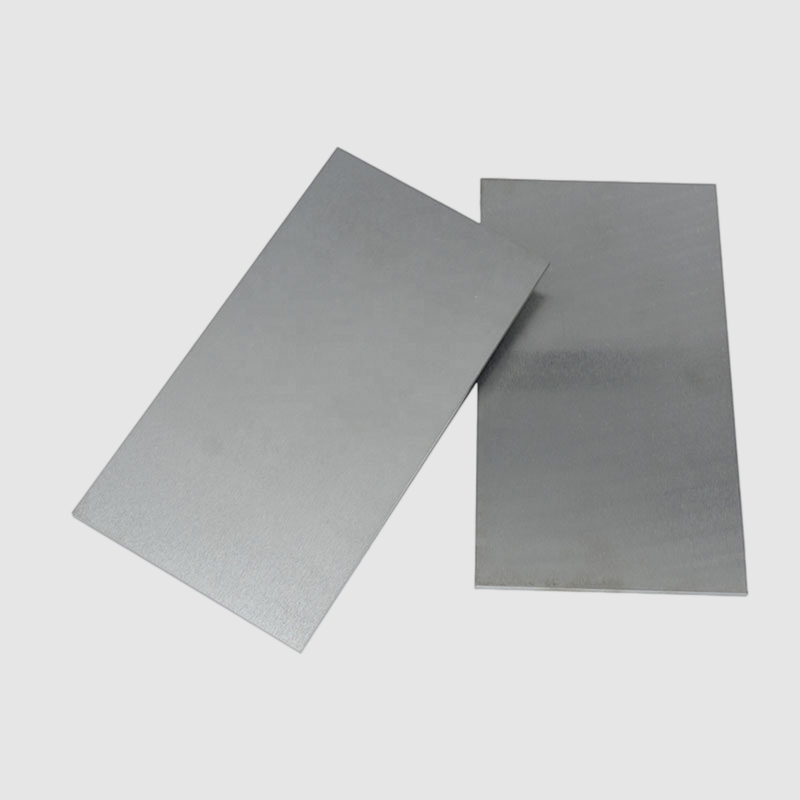
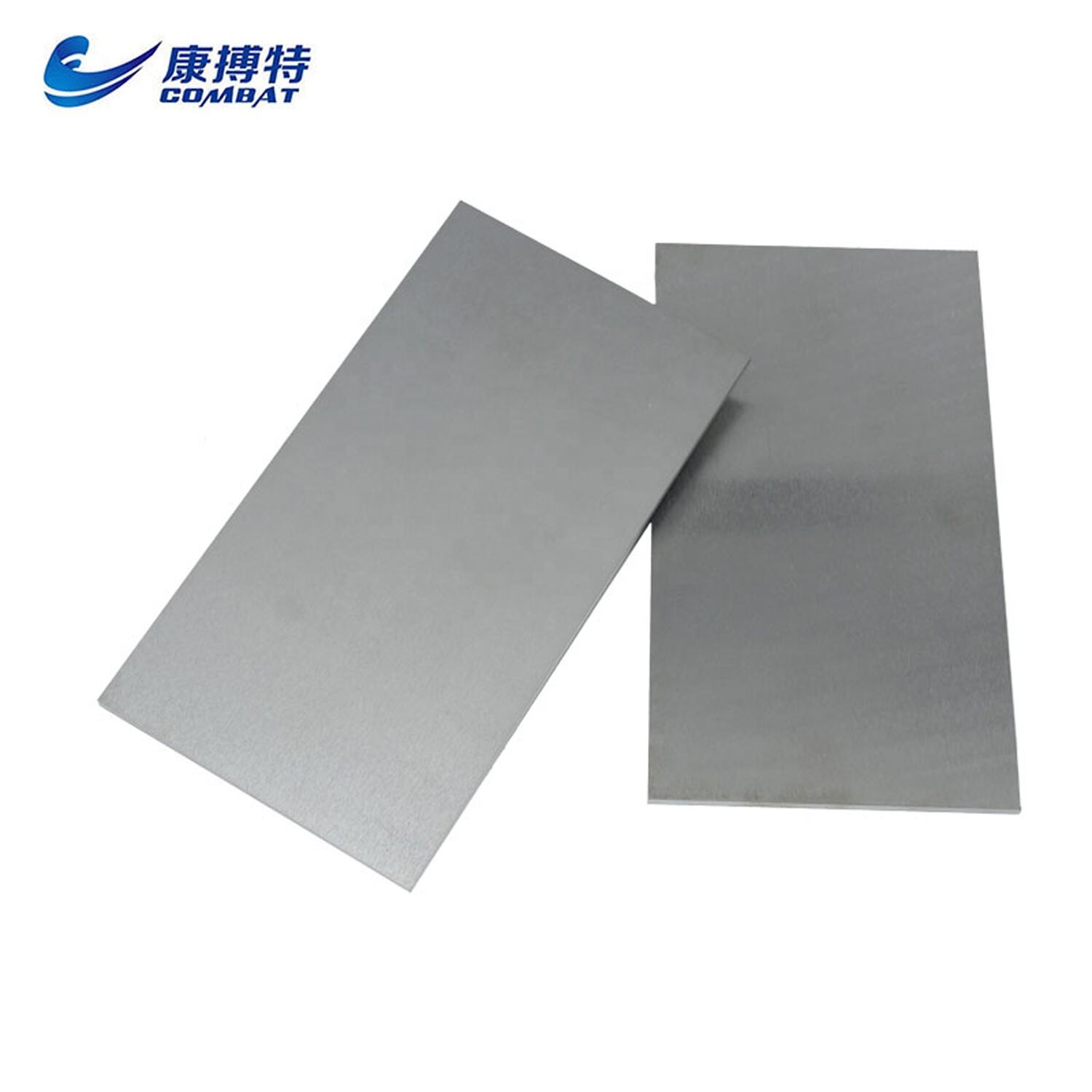
The corrosion resistance of pure titanium sheet stands as its most celebrated characteristic, providing unparalleled protection in environments that rapidly degrade conventional materials. This exceptional resistance stems from the material's ability to form a stable, adherent oxide layer that spontaneously develops when exposed to oxygen or moisture. This passive film, primarily composed of titanium dioxide, measures only a few nanometers thick yet provides a formidable barrier against corrosive attack from acids, alkalis, saltwater, and industrial chemicals. Unlike protective coatings that can chip, crack, or wear away, this oxide layer regenerates automatically if damaged, ensuring continuous protection throughout the material's service life. In marine applications, pure titanium sheet resists the aggressive combination of chloride ions, oxygen, and moisture that causes rapid deterioration of steel and aluminum alloys. Offshore platforms, desalination plants, and naval vessels benefit from this resistance, experiencing dramatically extended service intervals and reduced maintenance costs. The chemical processing industry relies on pure titanium sheet for handling corrosive media including strong acids, oxidizing solutions, and chlorine compounds that would quickly destroy stainless steel or exotic alloys. Heat exchangers, reaction vessels, and piping systems fabricated from pure titanium sheet operate reliably for decades without the pitting, crevice corrosion, or general degradation common with alternative materials. The material maintains its integrity in both oxidizing and reducing environments, providing versatility that simplifies material selection and inventory management. Pure titanium sheet demonstrates remarkable resistance to stress corrosion cracking, a failure mode that plagues many high-strength alloys in chloride environments. This resistance eliminates catastrophic failures in critical applications where safety and reliability are non-negotiable requirements. The material's performance in acidic conditions proves particularly valuable, with excellent resistance to sulfuric acid, nitric acid, and organic acids across a wide concentration and temperature range. Even in highly oxidizing environments that accelerate corrosion of most metals, pure titanium sheet maintains its protective oxide layer and continues performing without degradation. This corrosion resistance translates directly to economic benefits through extended equipment life, reduced downtime, lower replacement costs, and decreased maintenance labor. Facilities using pure titanium sheet report operational periods measured in decades rather than years, with minimal corrosion-related issues requiring attention. The material's resistance to biofouling in marine environments reduces drag on vessels and maintains heat transfer efficiency in cooling systems without requiring toxic antifouling coatings.


 EN