Titanium Metal Bar: High-Performance Material for Aerospace, Medical, and Industrial Applications

Get a Free Quote

Our representative will contact you soon.
Email
Name
Country/Region
Mobile/WhatsApp
Product Name
Message
0/1000

titanium metal bar

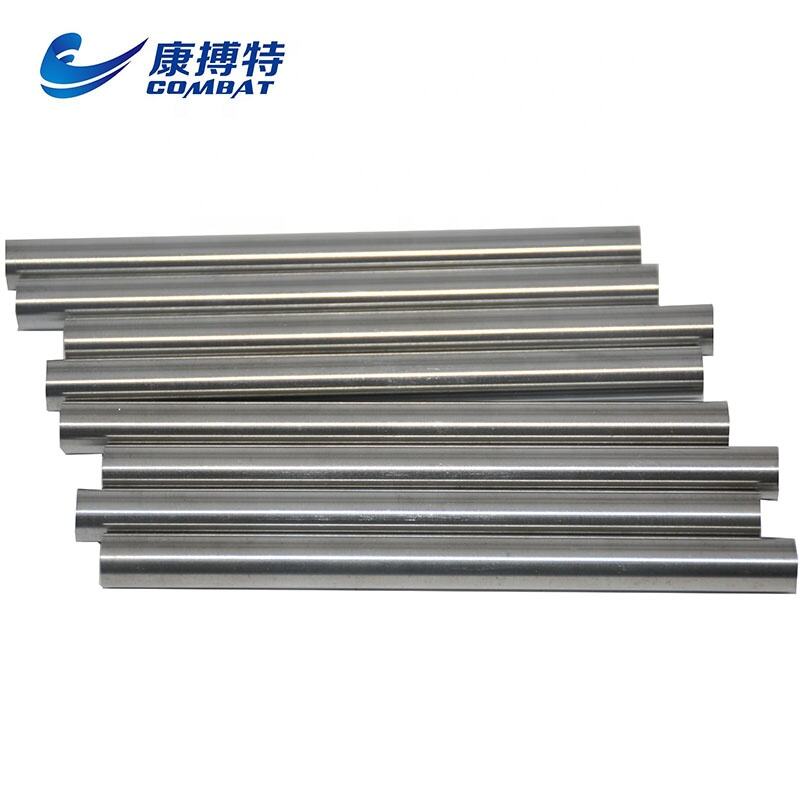
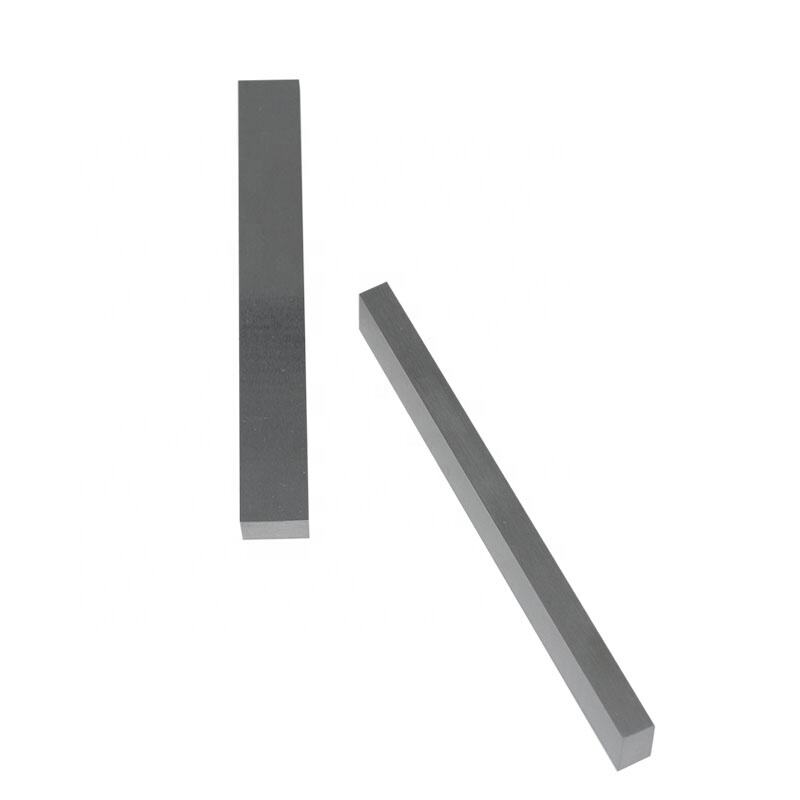
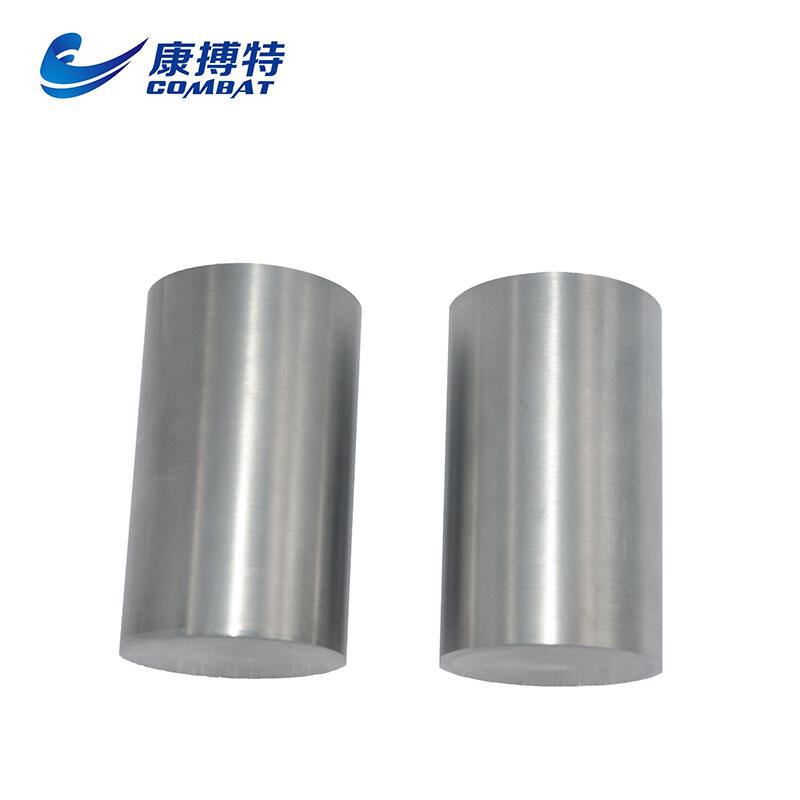
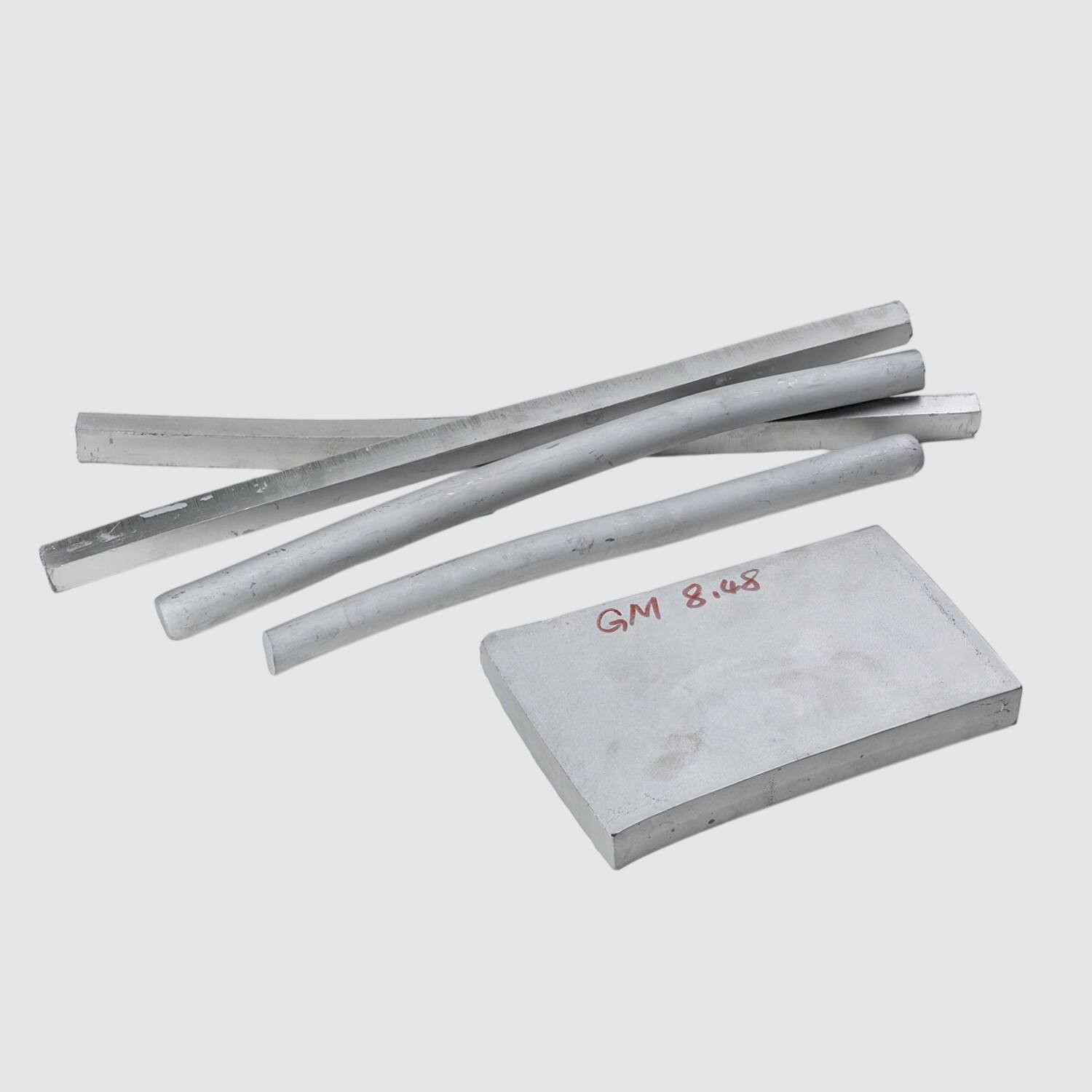
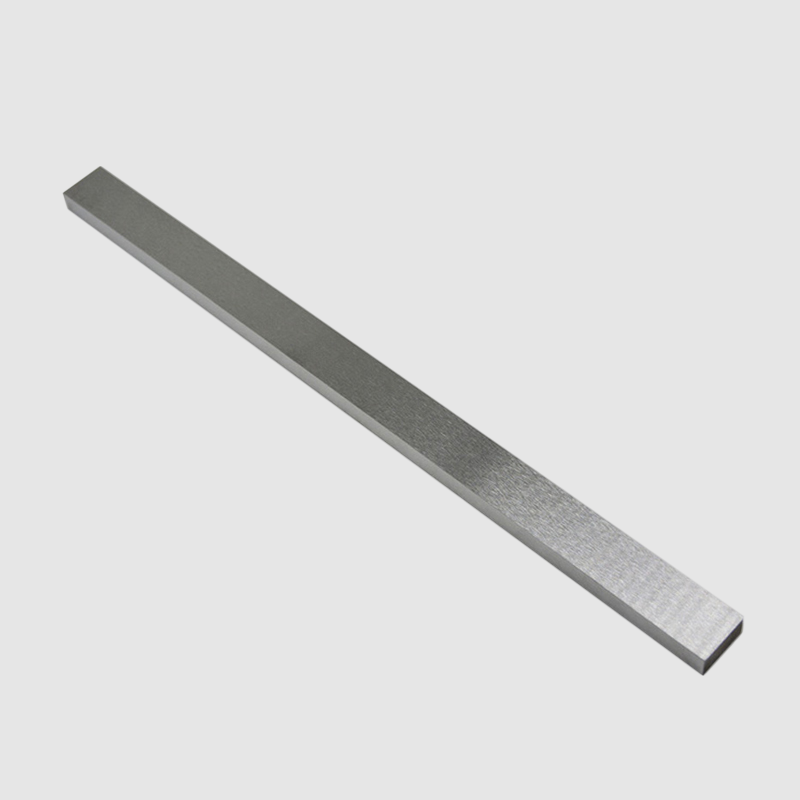
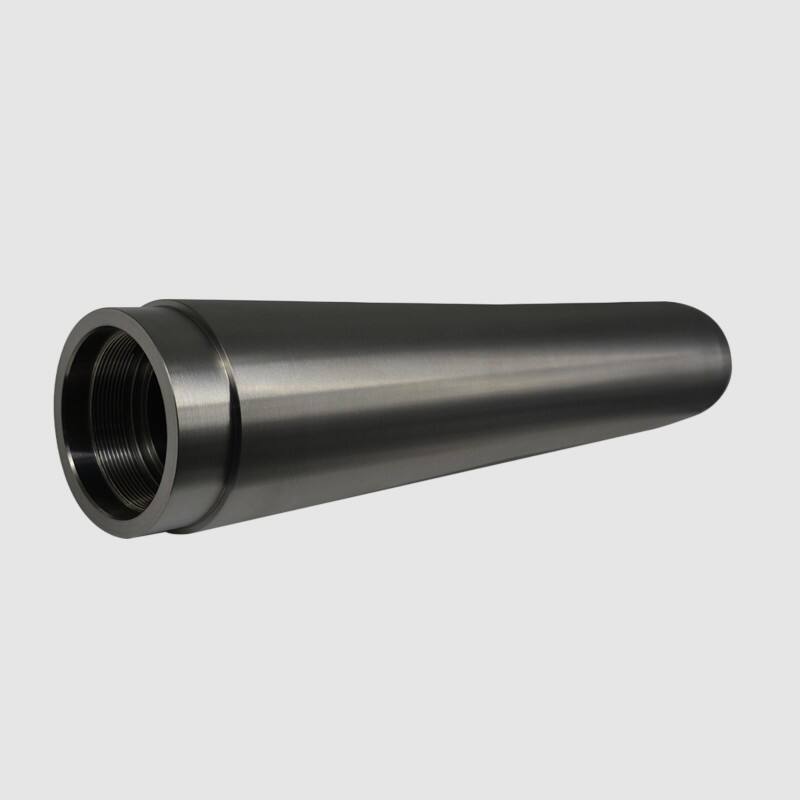
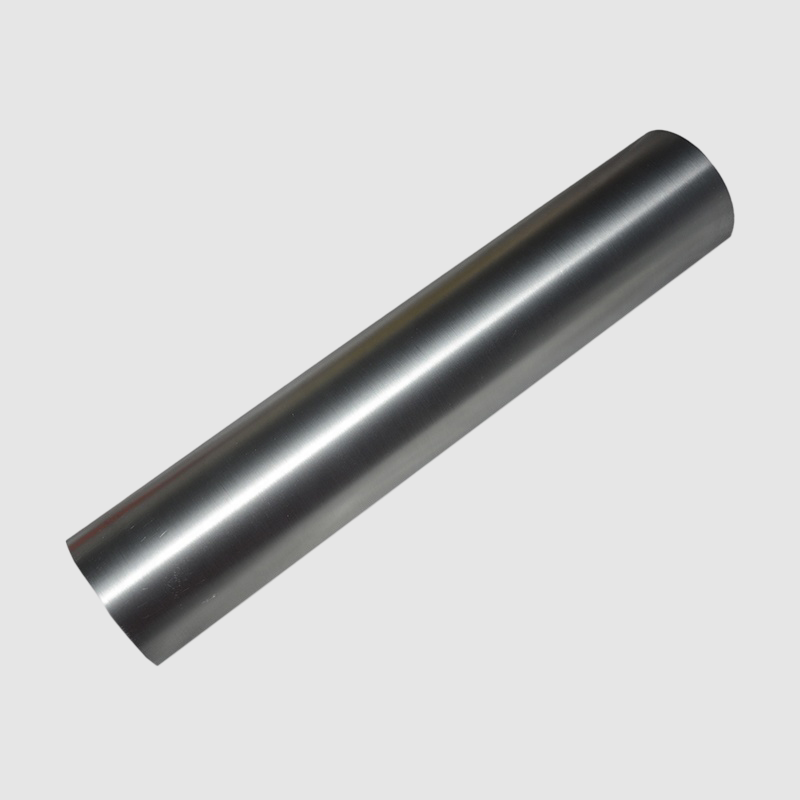
A titanium metal bar represents one of the most versatile and high-performance materials available in modern manufacturing and engineering applications. This cylindrical or rectangular solid form of titanium offers exceptional strength-to-weight ratio, making it an ideal choice for industries where performance and durability are critical. The titanium metal bar is produced through various metallurgical processes, including forging, rolling, and extrusion, which create a dense, uniform structure with consistent mechanical properties throughout its length. These bars are available in different grades, with Grade 5 (Ti-6Al-4V) being the most commonly used due to its excellent balance of strength, corrosion resistance, and workability. The material exhibits remarkable resistance to corrosion, even in harsh environments such as saltwater, acidic conditions, and high-temperature applications. This corrosion resistance stems from the formation of a stable, protective oxide layer on the surface that regenerates automatically when damaged. The titanium metal bar maintains its structural integrity across a wide temperature range, from cryogenic conditions to elevated temperatures exceeding 400 degrees Celsius. Its biocompatibility makes it particularly valuable in medical applications, where the material integrates seamlessly with human tissue without causing adverse reactions. The low density of titanium, approximately 60 percent that of steel, combined with strength comparable to many steel alloys, creates significant weight savings in aerospace, automotive, and sporting goods applications. Manufacturing processes for titanium metal bars have advanced significantly, allowing for precise dimensional control and surface finish quality that meets stringent industry standards. The material can be machined, welded, and formed using specialized techniques, though it requires more careful handling than conventional metals due to its reactive nature at elevated temperatures. Modern titanium metal bars are produced with strict quality control measures, ensuring consistency in chemical composition, mechanical properties, and dimensional accuracy that meet international standards such as ASTM, AMS, and ISO specifications.
Popular Products

Choosing a titanium metal bar delivers substantial practical benefits that directly impact your project's success and long-term performance. The most immediate advantage is the exceptional strength you gain without adding unnecessary weight to your design. This means you can build lighter structures, components, and products that maintain or even exceed the load-bearing capacity of heavier alternatives. For businesses, this translates into reduced shipping costs, improved fuel efficiency in transportation applications, and easier handling during installation and maintenance. The corrosion resistance of a titanium metal bar eliminates the need for protective coatings, painting, or frequent replacement, which saves you money over the product's lifetime. Unlike steel or aluminum that deteriorate when exposed to moisture, chemicals, or salt, titanium maintains its appearance and structural integrity for decades without special treatment. This durability means lower maintenance costs and fewer disruptions to your operations. The material's ability to withstand extreme temperatures makes it reliable in applications where other metals would fail or require expensive cooling or insulation systems. You can use titanium metal bars in environments ranging from arctic conditions to high-heat industrial processes without worrying about material degradation or performance loss. The biocompatibility of titanium opens opportunities in medical device manufacturing, where the material's non-toxic nature and resistance to bodily fluids create safer, longer-lasting implants and surgical instruments. For manufacturers, working with titanium metal bars means producing products that meet stringent safety and quality standards required in aerospace, medical, and defense industries. The material's fatigue resistance ensures that components subjected to repeated stress cycles maintain their structural integrity far longer than conventional metals, reducing the risk of catastrophic failure and extending service intervals. The non-magnetic properties of titanium make it valuable in applications where magnetic interference must be avoided, such as in MRI equipment, navigation systems, and scientific instruments. Environmental benefits also factor into the advantages, as titanium's longevity reduces the frequency of replacement and the associated environmental impact of manufacturing and disposal. The material is fully recyclable, allowing you to recover value from scrap and contribute to sustainable manufacturing practices. Processing a titanium metal bar into finished components may require specialized equipment and expertise, but the resulting products offer performance characteristics that justify the investment, particularly in high-value applications where failure is not an option.

Latest News

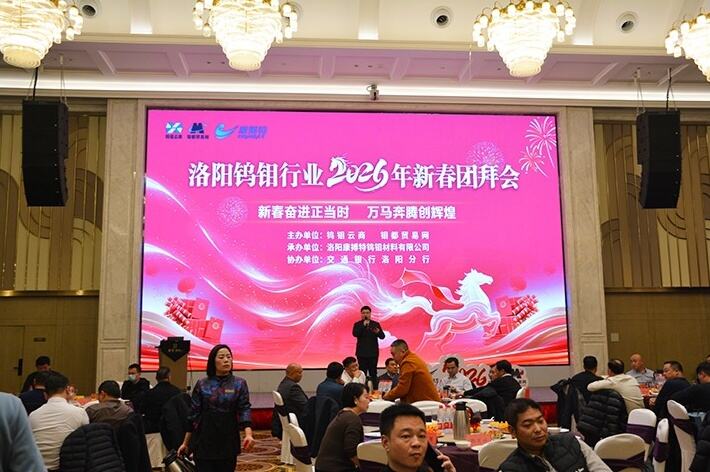
Gathering in Luoyang for Tungsten & Molybdenum, Uniting Hearts to Forge a New Dream Forward​

24

Apr

Gathering in Luoyang for Tungsten & Molybdenum, Uniting Hearts to Forge a New Dream Forward​

View More
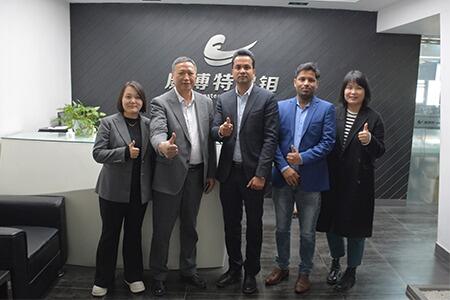
Indian Delegation Visits Youbo, Signs Molybdenum Bar and Tungsten Alloy Procurement Agreement​​

24

Apr

Indian Delegation Visits Youbo, Signs Molybdenum Bar and Tungsten Alloy Procurement Agreement​​

View More
The Grand Opening Of The 2025 China International Powder Metallurgy, Hard Alloy And Advanced Ceramics Exhibition

24

Apr

The Grand Opening Of The 2025 China International Powder Metallurgy, Hard Alloy And Advanced Ceramics Exhibition

View More
Luoyang Combat Tungsten & Molybdenum Materials Co., Ltd. Shines at Asia Ferroalloys 2025 Conference to Forge Global Collaboration Opportunities

24

Apr

Luoyang Combat Tungsten & Molybdenum Materials Co., Ltd. Shines at Asia Ferroalloys 2025 Conference to Forge Global Collaboration Opportunities

View More

Get a Free Quote

Our representative will contact you soon.
Email
Name
Country/Region
Mobile/WhatsApp
Product Name
Message
0/1000

titanium metal bar

Unmatched Corrosion Resistance for Long-Term Reliability

Unmatched Corrosion Resistance for Long-Term Reliability

The corrosion resistance of a titanium metal bar stands as one of its most valuable characteristics, providing long-term reliability that surpasses virtually all other structural metals. This exceptional resistance results from the immediate formation of a thin, stable oxide layer on the surface when exposed to oxygen. This protective barrier regenerates instantly if scratched or damaged, creating a self-healing property that maintains protection throughout the material's service life. In marine environments where saltwater rapidly corrodes steel and even stainless steel, a titanium metal bar remains virtually unaffected, maintaining its structural integrity and appearance for decades without protective coatings or maintenance. Chemical processing plants benefit enormously from this property, as titanium resists attack from acids, alkalis, and organic compounds that would quickly destroy other metals. The cost savings become apparent when you consider that equipment made from titanium metal bars operates for years without the downtime, labor, and material costs associated with corrosion-related repairs and replacements. In offshore oil and gas applications, where equipment faces constant exposure to corrosive seawater and harsh chemicals, titanium components outlast alternatives by significant margins, reducing operational risks and maintenance expenses. The aerospace industry relies on this corrosion resistance to ensure aircraft components maintain their strength and safety margins throughout their service life, even when exposed to varying atmospheric conditions, de-icing chemicals, and environmental pollutants. Architectural applications showcase another dimension of this advantage, as titanium metal bars used in building facades, structural supports, and decorative elements maintain their aesthetic appeal without the discoloration, staining, or degradation that affects other metals. The material's resistance to chloride-induced stress corrosion cracking makes it superior to stainless steel in applications involving chlorinated water or coastal environments. For manufacturers of heat exchangers, condensers, and cooling systems, titanium metal bars provide reliable performance in conditions where other materials would require frequent inspection, cleaning, or replacement due to corrosion-related fouling and degradation.
Superior Strength-to-Weight Ratio for Performance Optimization

Superior Strength-to-Weight Ratio for Performance Optimization

The strength-to-weight ratio of a titanium metal bar delivers performance advantages that transform design possibilities across multiple industries. With a density approximately 40 percent lower than steel while maintaining comparable or superior strength, titanium enables engineers to create lighter structures without compromising safety or load-bearing capacity. This characteristic proves particularly valuable in aerospace applications, where every kilogram of weight reduction translates directly into fuel savings, increased payload capacity, or extended range. Aircraft manufacturers use titanium metal bars in critical structural components, landing gear, and engine parts, achieving weight savings that improve overall aircraft performance and operational economics. The automotive industry increasingly adopts titanium for high-performance vehicles, where reducing unsprung weight in suspension components improves handling, acceleration, and braking performance while maintaining the durability required for demanding driving conditions. In sporting goods, titanium metal bars enable the production of golf clubs, bicycle frames, and tennis rackets that offer professional-level performance through optimized weight distribution and enhanced energy transfer. The material's high specific strength means that components can be designed with smaller cross-sections while meeting structural requirements, creating opportunities for more compact, streamlined designs that reduce drag in fluid flow applications. Marine applications benefit from this strength-to-weight advantage, as titanium propeller shafts, rigging components, and structural elements reduce vessel weight, improving speed and fuel efficiency while resisting the corrosive marine environment. Medical device manufacturers leverage this property to create surgical instruments and implants that are strong enough for their intended purpose yet light enough to reduce surgeon fatigue during lengthy procedures and minimize the burden on patients receiving implants. The fatigue strength of titanium metal bars remains high even after millions of stress cycles, making them ideal for components subjected to repeated loading, such as connecting rods, springs, and fasteners in high-performance machinery. This combination of low weight and high strength also simplifies installation and handling, reducing labor costs and safety risks associated with moving and positioning heavy components during construction and assembly operations.
Exceptional Temperature Performance for Demanding Environments

Exceptional Temperature Performance for Demanding Environments

A titanium metal bar maintains its mechanical properties and structural integrity across an extraordinarily wide temperature range, making it indispensable for applications involving extreme thermal conditions. At cryogenic temperatures approaching absolute zero, titanium actually increases in strength without becoming brittle, a characteristic that makes it essential for liquid natural gas processing equipment, rocket fuel systems, and superconducting magnet supports. This low-temperature toughness contrasts sharply with many steels that become brittle and prone to catastrophic failure when cooled below certain thresholds. At the opposite end of the spectrum, titanium metal bars retain useful strength at temperatures up to 600 degrees Celsius, enabling their use in jet engine components, exhaust systems, and industrial furnace parts where other materials would soften or oxidize rapidly. The low thermal expansion coefficient of titanium minimizes dimensional changes during temperature fluctuations, reducing the risk of thermal stress, warping, or loss of precision in applications requiring tight tolerances. This stability proves crucial in aerospace structures that experience dramatic temperature swings between ground operations and high-altitude flight, where differential expansion between joined materials could create stress concentrations and potential failure points. Power generation facilities use titanium metal bars in heat exchangers and condenser tubes, where the material's temperature resistance combines with corrosion resistance to provide reliable performance in steam and cooling water systems operating at elevated temperatures. The chemical processing industry benefits from titanium's ability to handle hot, corrosive process streams without degradation, enabling more efficient operations at higher temperatures that would destroy conventional materials. In automotive applications, titanium exhaust systems withstand the extreme heat of combustion gases while resisting corrosion from acidic condensates, providing performance and longevity that justify the material investment in high-end vehicles. The material's low thermal conductivity, while sometimes considered a disadvantage in heat transfer applications, becomes an asset in situations requiring thermal insulation or protection of adjacent components from heat exposure. Manufacturing processes for titanium metal bars must account for the material's reactivity with oxygen and nitrogen at elevated temperatures, but modern production techniques ensure that finished bars maintain the purity and properties required for demanding high-temperature applications.

Get a Free Quote

Our representative will contact you soon.
Email
Name
Country/Region
Mobile/WhatsApp
Product Name
Message
0/1000