titanium rod price
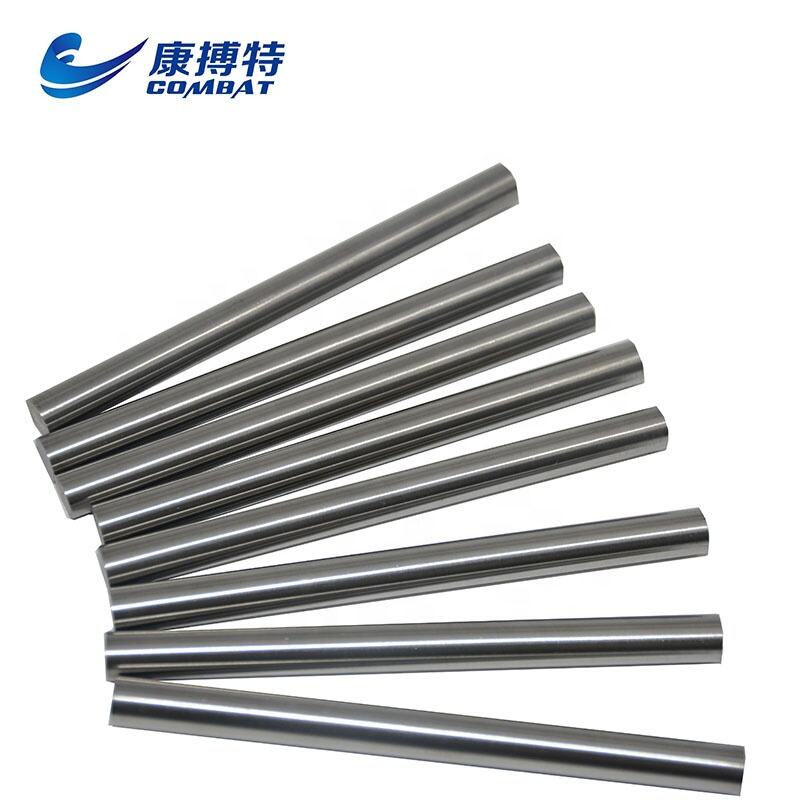
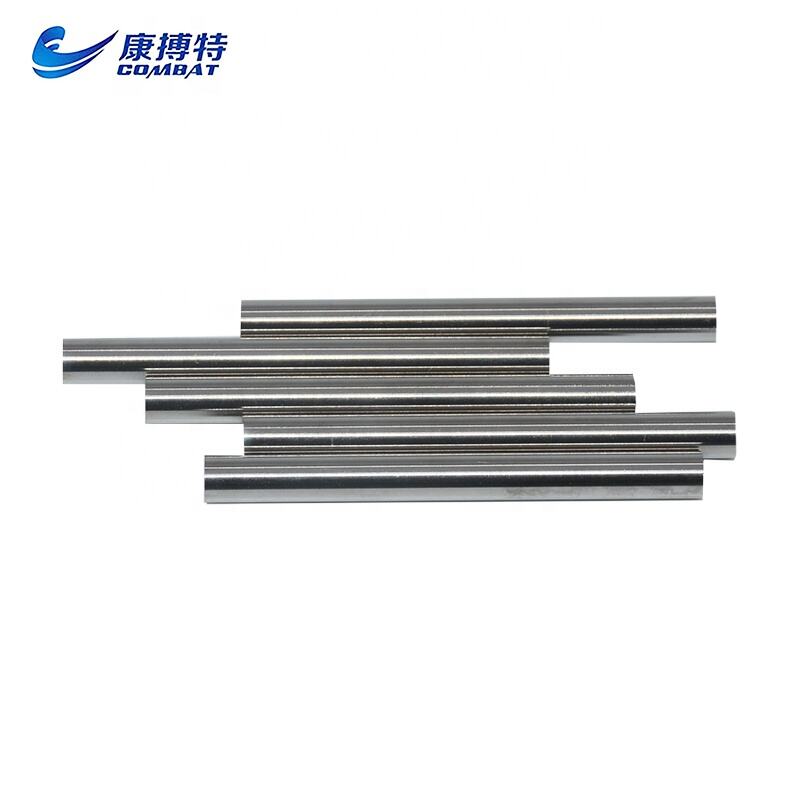
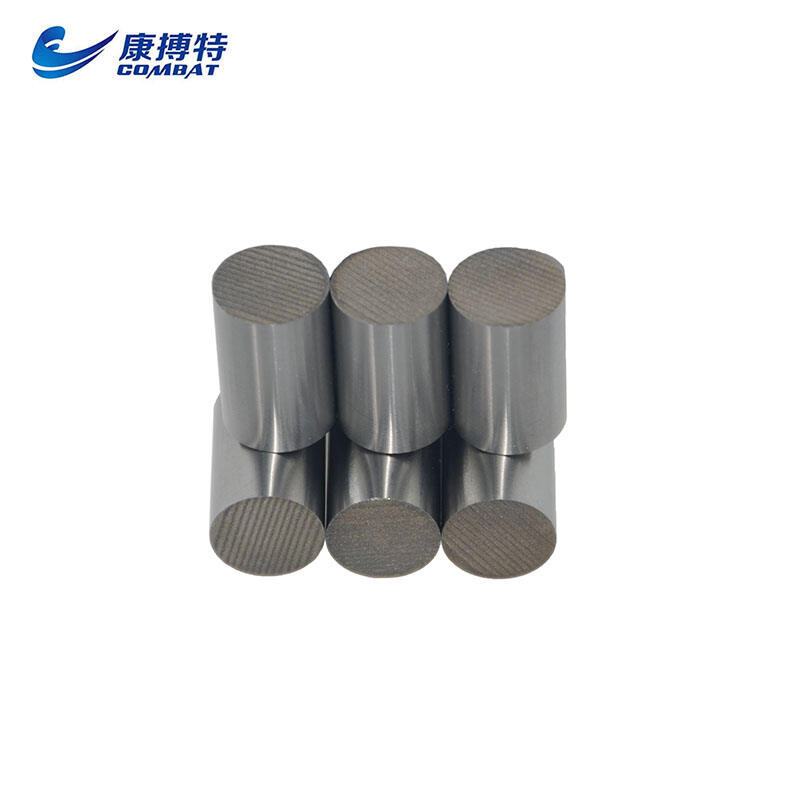
Understanding titanium rod price requires examining multiple factors that influence cost and value in today's industrial marketplace. Titanium rods serve as essential components across aerospace, medical, marine, and manufacturing sectors due to their exceptional strength-to-weight ratio and corrosion resistance. The titanium rod price reflects not only raw material costs but also processing complexity, grade specifications, and market demand fluctuations. These cylindrical metal products come in various diameters, lengths, and alloy compositions, each affecting the final titanium rod price differently. Grade 5 titanium rods, containing aluminum and vanadium, typically command higher prices than commercially pure grades due to enhanced mechanical properties. The titanium rod price also varies based on surface finish requirements, with polished or precision-ground rods costing more than standard mill finishes. Manufacturing processes such as hot rolling, cold drawing, and heat treatment add value while impacting the titanium rod price structure. Buyers must consider dimensional tolerances when evaluating titanium rod price, as tighter specifications require additional machining and quality control measures. The global supply chain significantly influences titanium rod price, with raw material availability, energy costs, and transportation expenses all contributing to final pricing. Market conditions, including demand from major industries like aviation and medical device manufacturing, create price volatility that buyers should monitor. The titanium rod price per kilogram or per foot depends on order volume, with bulk purchases often qualifying for discounted rates. Certification requirements, such as material test reports and compliance documentation, may add to the titanium rod price but provide essential quality assurance. When comparing titanium rod price across suppliers, buyers should evaluate total value rather than focusing solely on unit cost, considering factors like delivery reliability, technical support, and material traceability that impact long-term project success and operational efficiency.


 EN