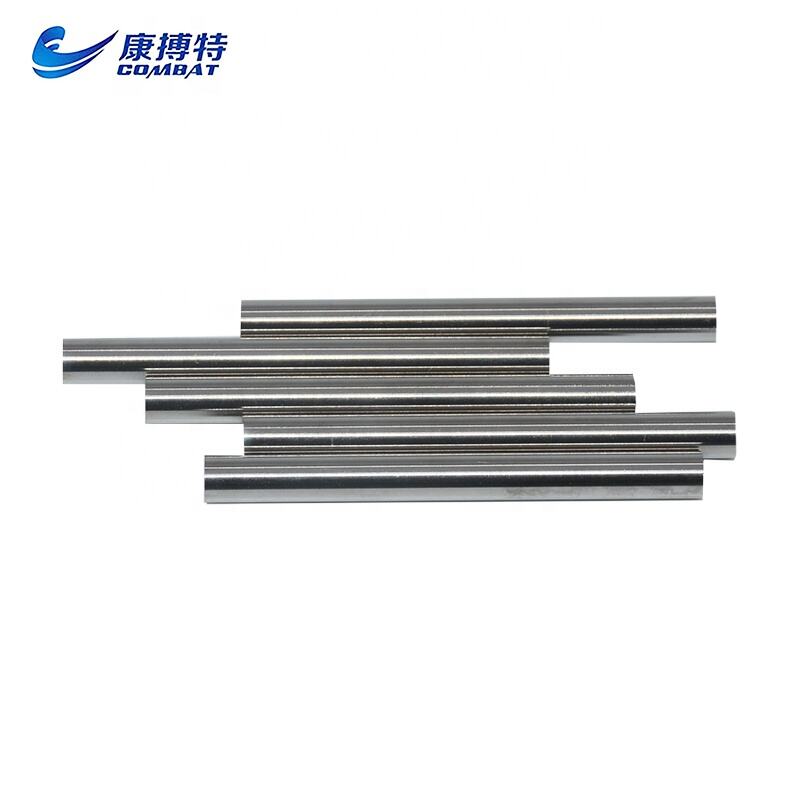
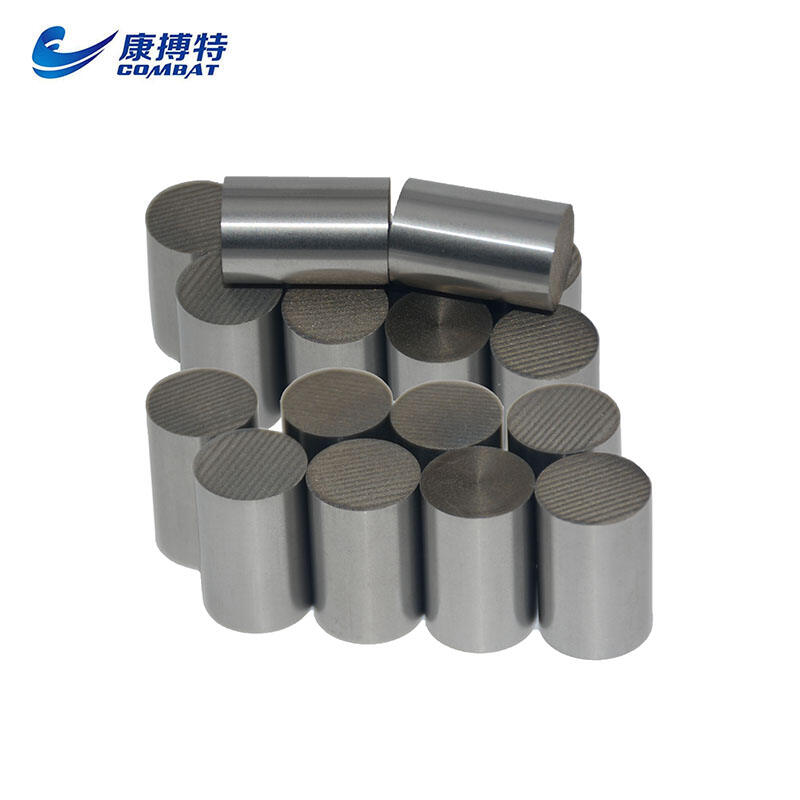
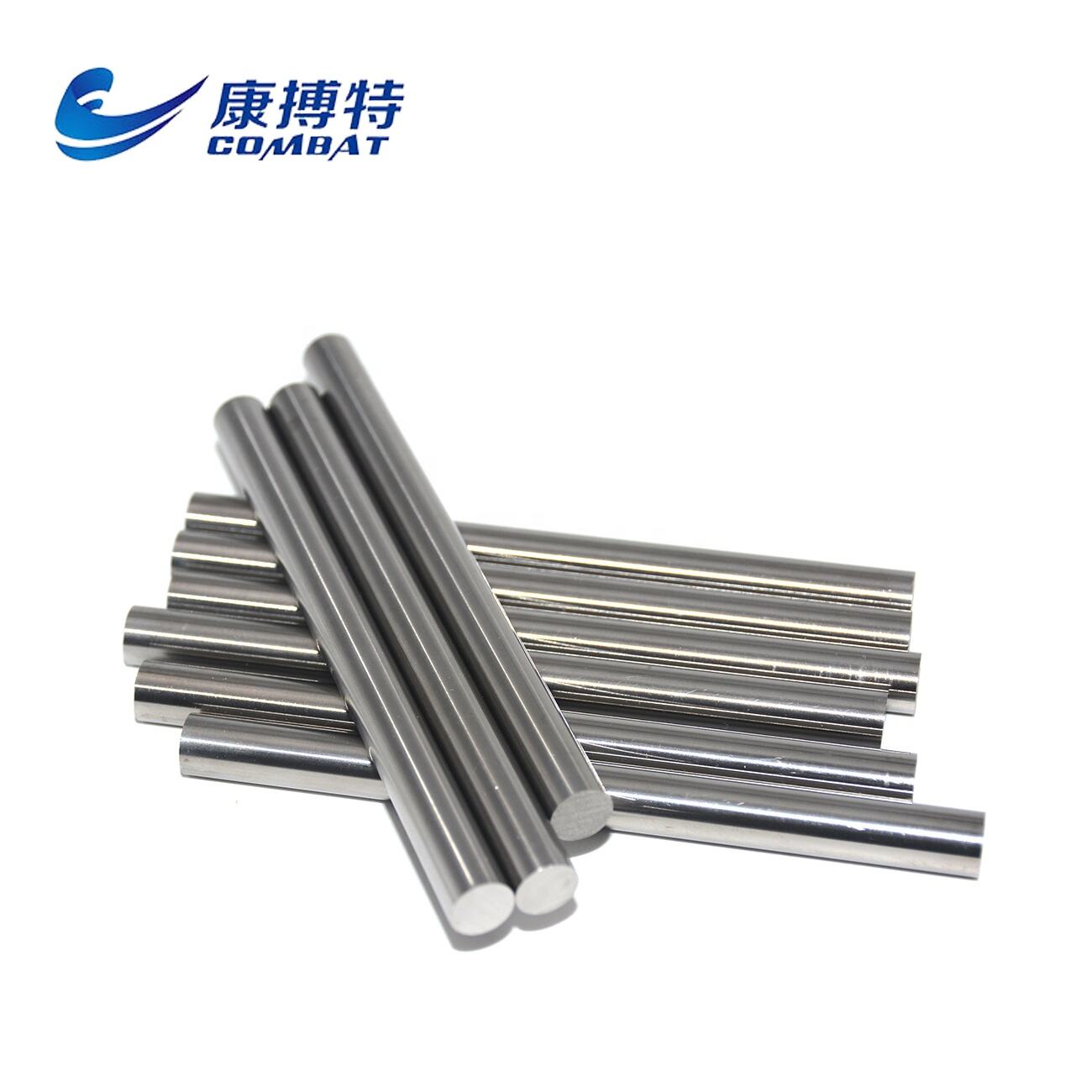
Titanium Hollow Bar: Lightweight, Corrosion-Resistant Solutions for Aerospace, Medical, and Industrial Applications

Get a Free Quote

Our representative will contact you soon.
Email
Name
Country/Region
Mobile/WhatsApp
Product Name
Message
0/1000

titanium hollow bar

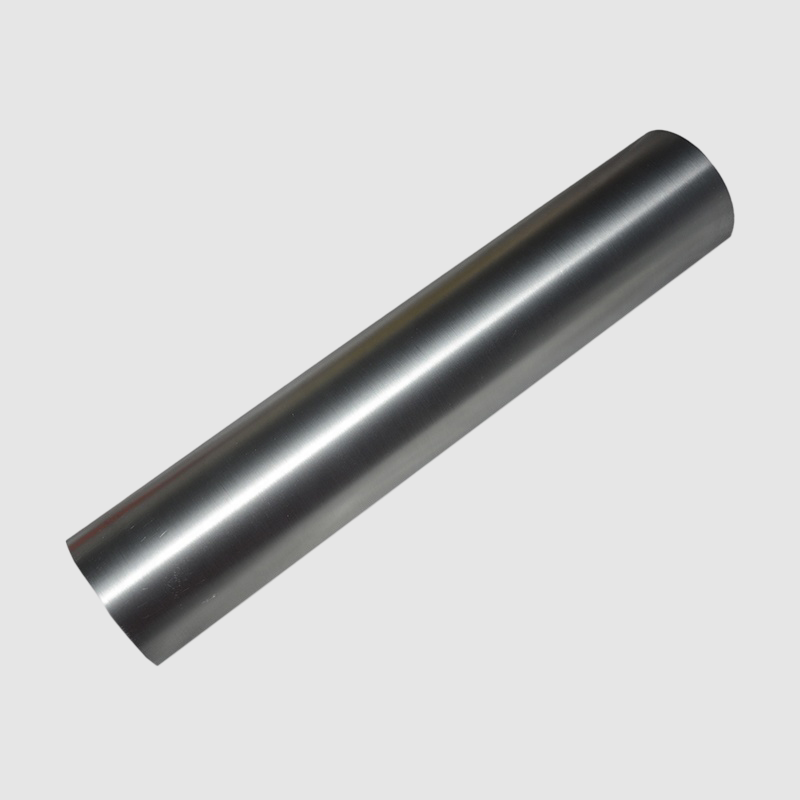
A titanium hollow bar represents a cylindrical metal component manufactured from titanium alloys or commercially pure titanium, featuring a hollow center that runs through its entire length. This specialized form of titanium product combines the exceptional properties of titanium metal with a weight-optimized design that delivers superior performance across demanding industrial applications. The hollow configuration reduces material usage while maintaining structural integrity, making it an intelligent choice for projects where weight reduction is critical without compromising strength requirements. Titanium hollow bars are produced through various manufacturing processes including extrusion, drilling, and seamless tube drawing, each method tailored to achieve specific dimensional tolerances and surface finishes. The main functions of a titanium hollow bar include serving as structural support elements in aerospace frameworks, acting as conduits for fluid transfer in chemical processing systems, and functioning as lightweight reinforcement components in marine engineering projects. The technological features that distinguish titanium hollow bars include their remarkable strength-to-weight ratio, which surpasses most conventional metals, and their outstanding corrosion resistance that enables long-term performance in harsh environments including saltwater, acidic solutions, and high-temperature conditions. These bars exhibit excellent biocompatibility, making them suitable for medical implants and surgical instruments where human tissue contact is involved. The hollow design allows for internal inspections, facilitates cooling or heating fluid circulation, and enables the integration of sensors or cables within the structure. Applications span multiple industries including aerospace manufacturing where titanium hollow bars form critical components in aircraft landing gear, engine mounts, and fuselage structures. The medical sector utilizes these bars for orthopedic implants, dental instruments, and surgical tools. Chemical processing plants employ titanium hollow bars in heat exchangers, reactor vessels, and piping systems where aggressive chemicals would rapidly degrade alternative materials. Marine applications include submarine components, offshore platform structures, and high-performance yacht fittings. The sports equipment industry incorporates titanium hollow bars into bicycle frames, golf club shafts, and racing car components where performance advantages justify the premium material cost.

New Product Releases

The primary advantage of choosing a titanium hollow bar lies in its exceptional weight savings compared to solid titanium bars or hollow bars made from heavier metals like steel or nickel alloys. This weight reduction translates directly into fuel efficiency improvements for aerospace applications, enhanced maneuverability for marine vessels, and reduced fatigue for medical professionals using surgical instruments. The hollow design achieves weight reductions of 30 to 50 percent compared to solid equivalents while retaining comparable load-bearing capabilities, making it possible to build lighter structures without sacrificing safety margins. Corrosion resistance stands as another compelling benefit, as titanium naturally forms a protective oxide layer that shields the underlying metal from environmental attack. This passive film regenerates automatically when damaged, providing self-healing protection that eliminates the need for protective coatings or frequent maintenance interventions. In saltwater environments, titanium hollow bars outlast stainless steel by decades, reducing replacement costs and minimizing downtime for repairs. Chemical plants benefit from titanium's immunity to chlorine, sulfuric acid, and other aggressive substances that would corrode conventional materials within months. The cost savings from extended service life often offset the higher initial purchase price within the first few years of operation. Strength characteristics of titanium hollow bars enable designers to use smaller cross-sections than would be required with aluminum or steel, creating more compact assemblies that save space and reduce overall system weight. The material maintains its mechanical properties across a wide temperature range, from cryogenic conditions approaching absolute zero to elevated temperatures exceeding 600 degrees Celsius, providing reliable performance in extreme environments. Biocompatibility makes titanium hollow bars uniquely suited for medical applications where the material must integrate with human bone tissue without triggering immune responses or releasing toxic ions. Patients experience faster healing times and lower rejection rates compared to implants made from other metals. The non-magnetic properties of titanium prevent interference with MRI machines and sensitive electronic equipment, expanding the range of applications in medical imaging facilities and precision manufacturing environments. Fabrication versatility allows titanium hollow bars to be welded, machined, and formed using standard metalworking techniques, though specialized tools and procedures optimize results. The material can be cut, drilled, and threaded to create custom configurations that meet specific project requirements. Surface treatments including anodizing, polishing, and coating enhance appearance and modify surface properties for specialized applications. Environmental sustainability represents an often-overlooked advantage, as titanium is fully recyclable without degradation of its properties, and the long service life reduces the frequency of replacement cycles. The material's durability means fewer resources consumed over the product lifecycle compared to alternatives requiring frequent replacement.

Latest News

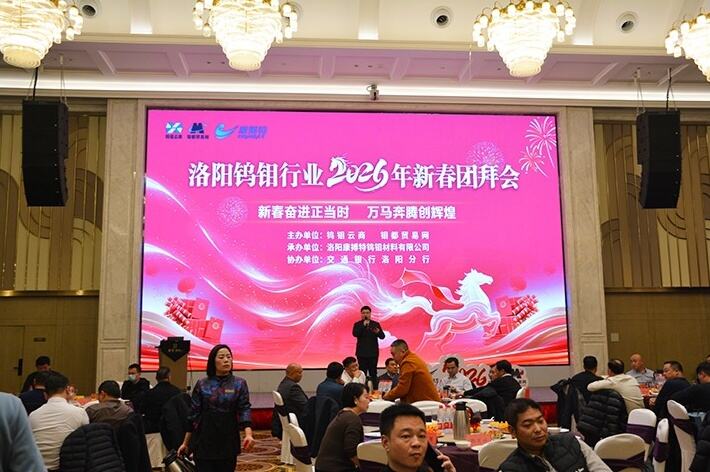
Gathering in Luoyang for Tungsten & Molybdenum, Uniting Hearts to Forge a New Dream Forward​

24

Apr

Gathering in Luoyang for Tungsten & Molybdenum, Uniting Hearts to Forge a New Dream Forward​

View More
International Ferroalloys 2025

24

Apr

International Ferroalloys 2025

View More
The Grand Opening Of The 2025 China International Powder Metallurgy, Hard Alloy And Advanced Ceramics Exhibition

24

Apr

The Grand Opening Of The 2025 China International Powder Metallurgy, Hard Alloy And Advanced Ceramics Exhibition

View More
Luoyang Combat Tungsten & Molybdenum Materials Co., Ltd. Shines at Asia Ferroalloys 2025 Conference to Forge Global Collaboration Opportunities

24

Apr

Luoyang Combat Tungsten & Molybdenum Materials Co., Ltd. Shines at Asia Ferroalloys 2025 Conference to Forge Global Collaboration Opportunities

View More

Get a Free Quote

Our representative will contact you soon.
Email
Name
Country/Region
Mobile/WhatsApp
Product Name
Message
0/1000

titanium hollow bar

Unmatched Strength-to-Weight Performance for Critical Applications

Unmatched Strength-to-Weight Performance for Critical Applications

The strength-to-weight ratio of a titanium hollow bar surpasses virtually all competing materials, delivering a combination of mechanical performance and weight efficiency that enables breakthrough designs across multiple industries. This fundamental advantage stems from titanium's inherent material properties combined with the geometric efficiency of the hollow cross-section. While solid titanium bars already offer impressive strength relative to their weight, the hollow configuration amplifies this benefit by removing material from the center where it contributes less to load-bearing capacity. Engineers can specify titanium hollow bars with wall thicknesses optimized for specific loading conditions, achieving the exact balance between weight and strength required for each application. In aerospace structures, this translates to aircraft that carry more payload or fly longer distances on the same fuel load, directly improving operational economics. A titanium hollow bar used in landing gear components might weigh 40 percent less than a steel equivalent while meeting identical strength requirements, and this weight savings multiplies across hundreds of components to produce significant aircraft-level benefits. The material's high tensile strength, typically ranging from 240 to 1400 megapascals depending on the alloy grade, allows designers to use smaller diameter bars than would be necessary with aluminum or magnesium, creating more streamlined structures with reduced aerodynamic drag. In medical applications, the strength-to-weight advantage means surgical instruments remain rigid and precise during procedures while reducing hand fatigue for surgeons during lengthy operations. Orthopedic implants made from titanium hollow bars provide the structural support necessary to bear body weight while minimizing the mass of foreign material introduced into the patient's body, accelerating healing and improving long-term comfort. Sports equipment manufacturers exploit this property to create bicycle frames that climb hills effortlessly, golf clubs that generate higher swing speeds, and racing components that shave precious seconds from lap times. The hollow design also provides torsional rigidity that prevents twisting under load, maintaining precise alignment in applications ranging from robotic arms to precision measuring instruments. Marine engineers specify titanium hollow bars for masts, booms, and structural members on high-performance sailing yachts where every kilogram of weight savings improves speed and handling characteristics. The material's strength retention at elevated temperatures makes it suitable for exhaust systems and turbocharger components where lightweight construction improves engine response and reduces unsprung mass in suspension systems.
Superior Corrosion Resistance for Extended Service Life

Superior Corrosion Resistance for Extended Service Life

Corrosion resistance represents perhaps the most economically significant advantage of titanium hollow bars, as this property dramatically extends service life in environments that rapidly destroy alternative materials. The mechanism behind this resistance involves the spontaneous formation of a thin, transparent titanium dioxide layer on all exposed surfaces when the metal contacts oxygen. This passive film measures only a few nanometers thick but provides exceptional protection against chemical attack, and it reforms within milliseconds if scratched or abraded, creating a self-healing barrier that requires no maintenance or reapplication. In marine environments, where saltwater contains chlorides that aggressively attack most metals, titanium hollow bars perform flawlessly for decades without pitting, crevice corrosion, or stress corrosion cracking. Offshore oil platforms, desalination plants, and naval vessels utilize titanium hollow bars in critical structural and fluid-handling applications where failure would result in catastrophic consequences and enormous replacement costs. The material resists biofouling better than copper-nickel alloys traditionally used in marine heat exchangers, maintaining thermal efficiency throughout its service life without requiring toxic antifouling coatings that harm marine ecosystems. Chemical processing facilities benefit enormously from titanium's immunity to acids, bases, and organic solvents that would corrode stainless steel, hastelloy, or other specialty alloys within months of exposure. A titanium hollow bar used in a chlorine production facility might operate continuously for 20 years or more, while a stainless steel equivalent would require replacement every two to three years, and the avoided downtime for changeouts saves far more than the material cost differential. The hollow configuration actually enhances corrosion resistance in some applications by allowing internal surfaces to be passivated and inspected, and by eliminating crevices where corrosive solutions might accumulate. Power generation plants use titanium hollow bars in condenser tubes where cooling water contains dissolved salts, suspended solids, and biological organisms that foul and corrode conventional materials. The smooth, inert surface of titanium resists scale formation and biological growth, maintaining heat transfer efficiency and reducing cleaning frequency. Pharmaceutical and food processing industries specify titanium hollow bars for equipment that must withstand repeated cleaning with harsh sanitizing chemicals while avoiding any risk of metal ion contamination in products. The material's stability in hydrogen peroxide, sodium hydroxide, and other aggressive cleaning agents makes it ideal for applications where product purity is paramount and equipment must endure thousands of cleaning cycles over its operational life.
Versatile Design Flexibility and Integration Capabilities

Versatile Design Flexibility and Integration Capabilities

The hollow geometry of titanium bars opens unique design possibilities that solid bars cannot match, providing engineers with creative solutions to complex engineering challenges across diverse applications. The central void can serve multiple functions simultaneously, acting as a conduit for fluids, a pathway for electrical wiring, a channel for fiber optic sensors, or simply as a weight-reduction feature, and this multifunctionality often eliminates the need for separate components that would add complexity and weight to assemblies. In aerospace applications, titanium hollow bars function as structural members while simultaneously routing hydraulic fluid, fuel, or electrical cables through their centers, consolidating multiple systems into single components that reduce part counts and potential failure points. This integration simplifies assembly procedures, reduces manufacturing costs, and improves system reliability by eliminating external routing that might snag, chafe, or interfere with other components. Medical device designers exploit the hollow center to create instruments with internal irrigation channels that flush surgical sites during procedures, or to incorporate lighting and imaging systems within the structural shaft of endoscopic tools. The ability to thread cables, sensors, or cooling lines through the center of load-bearing members enables compact designs that would be impossible with solid bars, and this space efficiency proves critical in applications where envelope constraints limit component dimensions. Robotics engineers use titanium hollow bars as lightweight structural elements that simultaneously serve as raceways for power and signal cables, reducing the external cable bundles that add weight and create snagging hazards in automated manufacturing cells. The hollow design facilitates thermal management by allowing cooling or heating fluids to circulate through the bar's center, maintaining optimal operating temperatures in applications ranging from high-speed machining spindles to cryogenic storage systems. Manufacturers can produce titanium hollow bars with complex internal profiles including rifling, splines, or varying wall thicknesses that optimize performance for specific loading conditions, and these internal features can be created during the initial forming process or added through subsequent machining operations. The bars accept standard joining methods including welding, brazing, and mechanical fastening, and the hollow section actually simplifies some welding procedures by providing access to the joint from both sides for improved penetration and quality. Designers can specify custom dimensions, wall thicknesses, and internal diameters to match exact application requirements rather than compromising with standard solid bar sizes, and this customization capability often results in lighter, more efficient designs than would be possible with off-the-shelf solid bars. The hollow configuration also enables non-destructive testing methods including ultrasonic inspection and eddy current testing that can detect internal flaws or wall thickness variations, providing quality assurance that solid bars cannot match without destructive sectioning.

Get a Free Quote

Our representative will contact you soon.
Email
Name
Country/Region
Mobile/WhatsApp
Product Name
Message
0/1000