Superior Corrosion Resistance Reduces Lifetime Costs
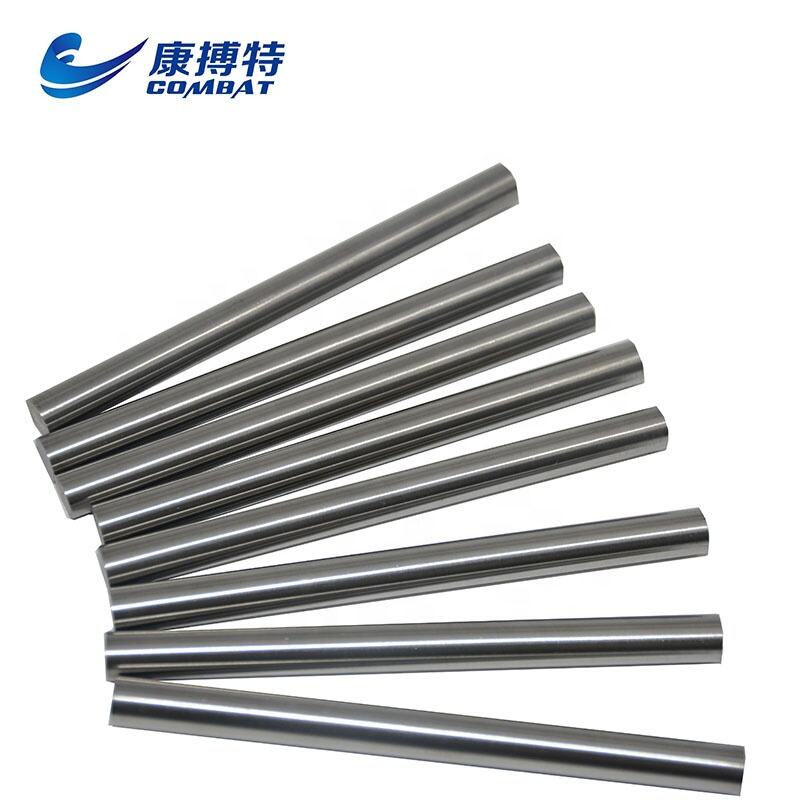
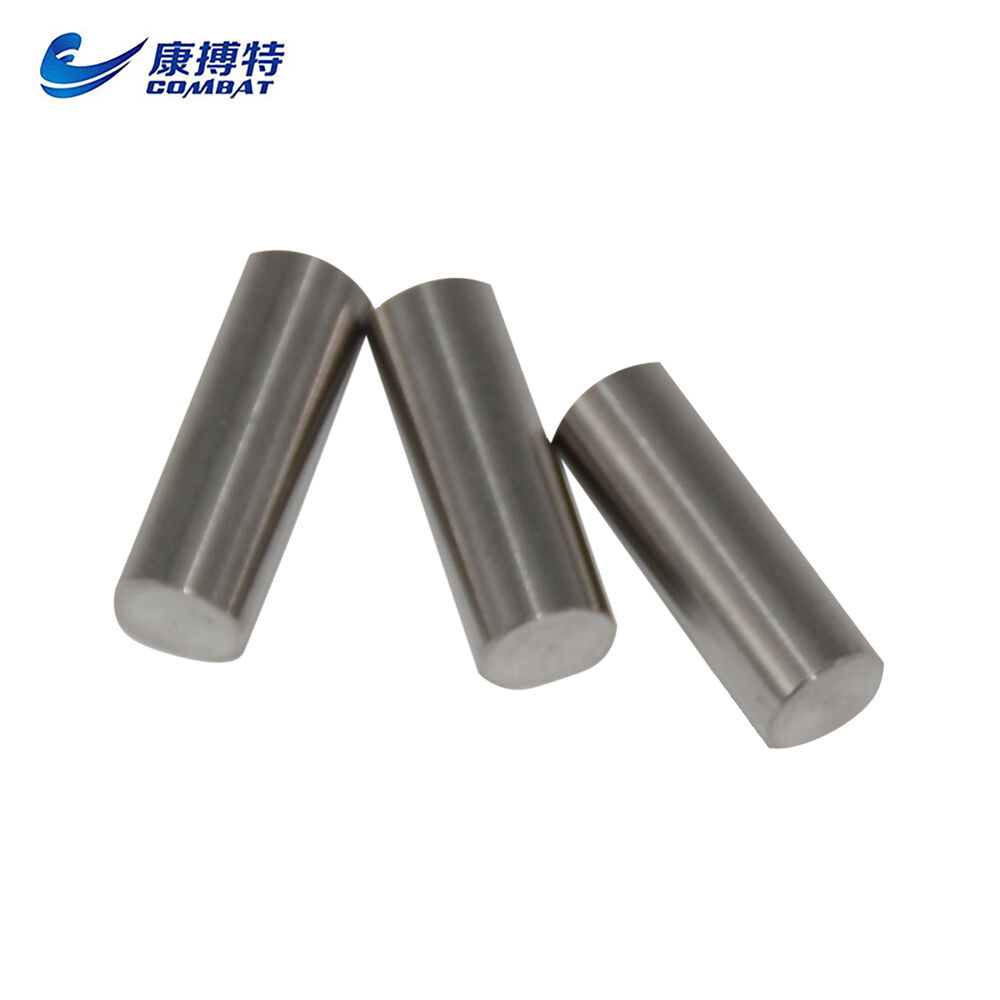
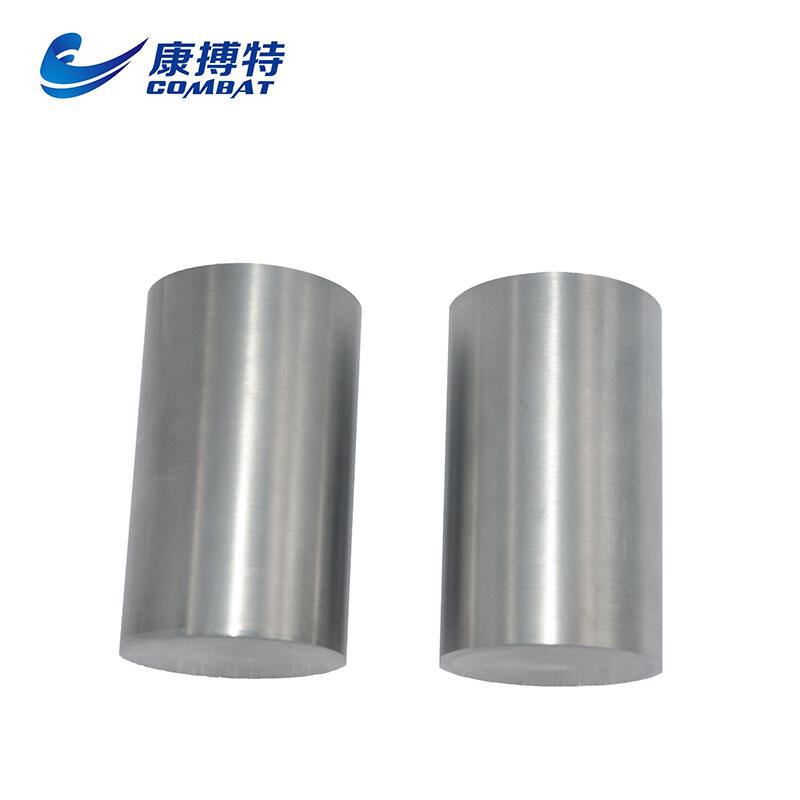
The exceptional corrosion resistance of titanium round bars represents one of the most compelling reasons to consider the investment despite initial titanium round bar price considerations. Unlike steel, aluminum, or copper alloys that deteriorate when exposed to moisture, chemicals, or saline environments, titanium forms a stable, self-healing oxide layer that protects the underlying material indefinitely. This passive film regenerates instantly when scratched or damaged, providing continuous protection without coatings or treatments. In marine applications, titanium round bars operate for decades in seawater without pitting, crevice corrosion, or stress corrosion cracking that destroys conventional metals within months or years. Chemical processing facilities benefit enormously from titanium's immunity to acids, alkalis, and organic compounds that corrode stainless steel and exotic alloys, eliminating unplanned shutdowns and emergency replacements. The titanium round bar price becomes insignificant when compared to the cumulative costs of failed components, production losses, and safety incidents associated with corroded equipment. Offshore oil platforms, desalination plants, and naval vessels rely on titanium round bars for critical fasteners, shafts, and structural elements where failure consequences prove catastrophic. The material performs equally well in oxidizing and reducing environments, providing versatility that few metals match across diverse chemical exposures. Pharmaceutical and food processing industries value titanium's inertness, which prevents contamination and maintains product purity without leaching metallic ions into sensitive processes. The absence of maintenance requirements for corrosion protection eliminates painting, coating, and inspection costs that burden steel structures throughout their service life. When engineers calculate lifecycle costs including installation, maintenance, replacement, and disposal, the titanium round bar price often represents the most economical choice for long-term projects. The material's resistance to chloride-induced stress corrosion cracking makes it indispensable in coastal construction, wastewater treatment, and pulp and paper manufacturing where aggressive environments challenge conventional materials. Titanium round bars maintain dimensional stability and mechanical properties despite continuous exposure to corrosive media, ensuring consistent performance that supports predictable maintenance scheduling and budget planning. The economic advantage becomes particularly evident in remote or difficult-to-access installations where replacement costs include mobilization, scaffolding, and extended downtime beyond material expenses alone.


 EN