Unmatched Corrosion Resistance for Long-Term Reliability
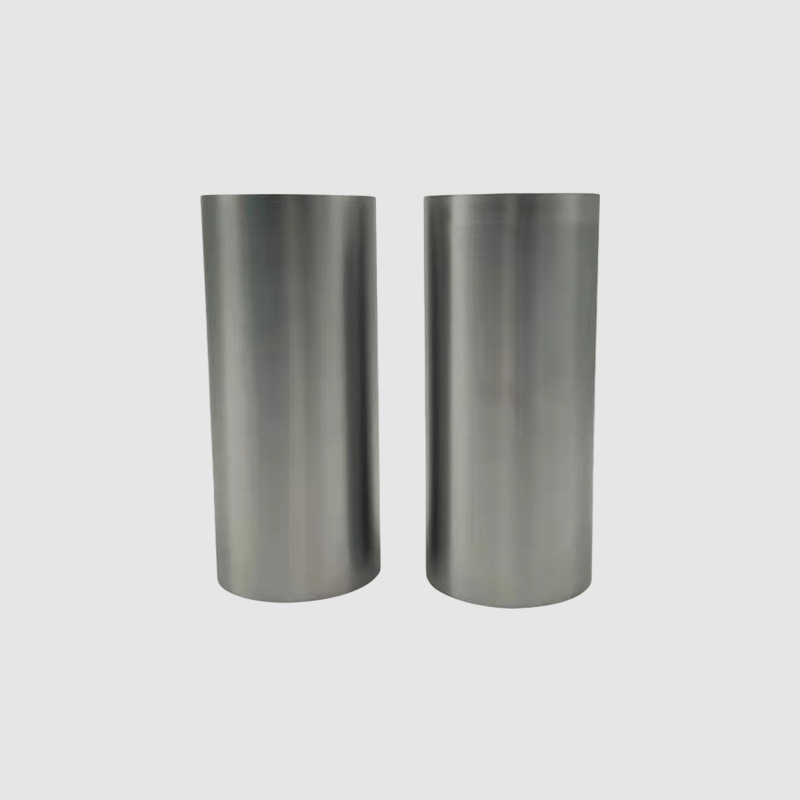
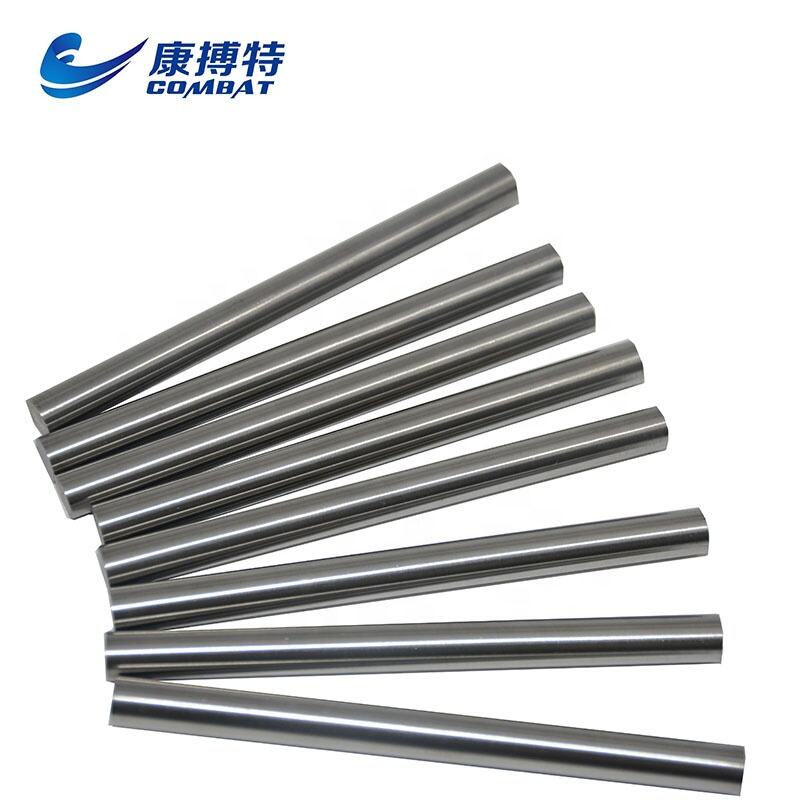
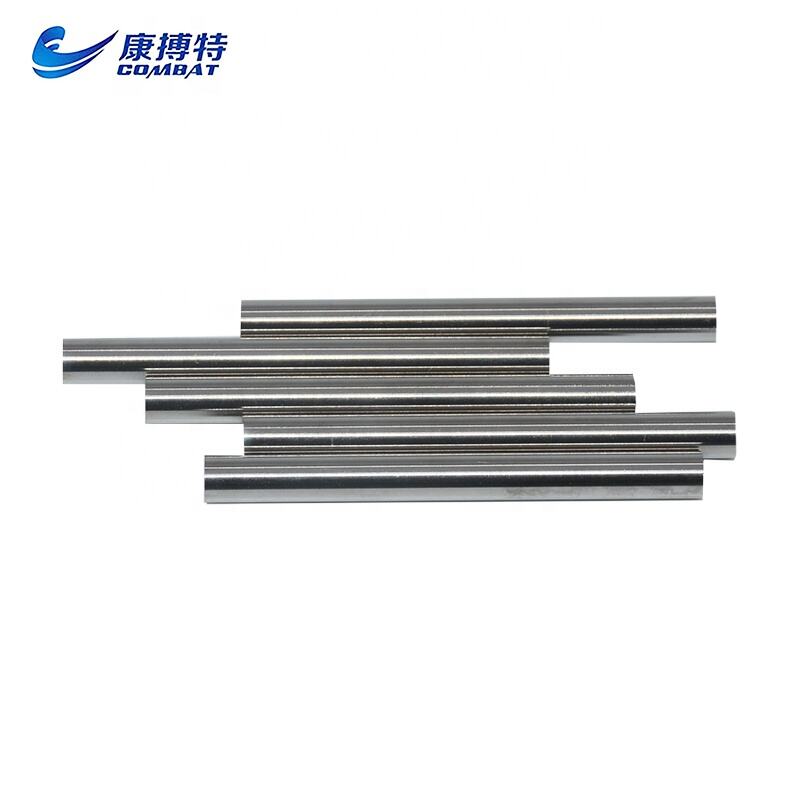
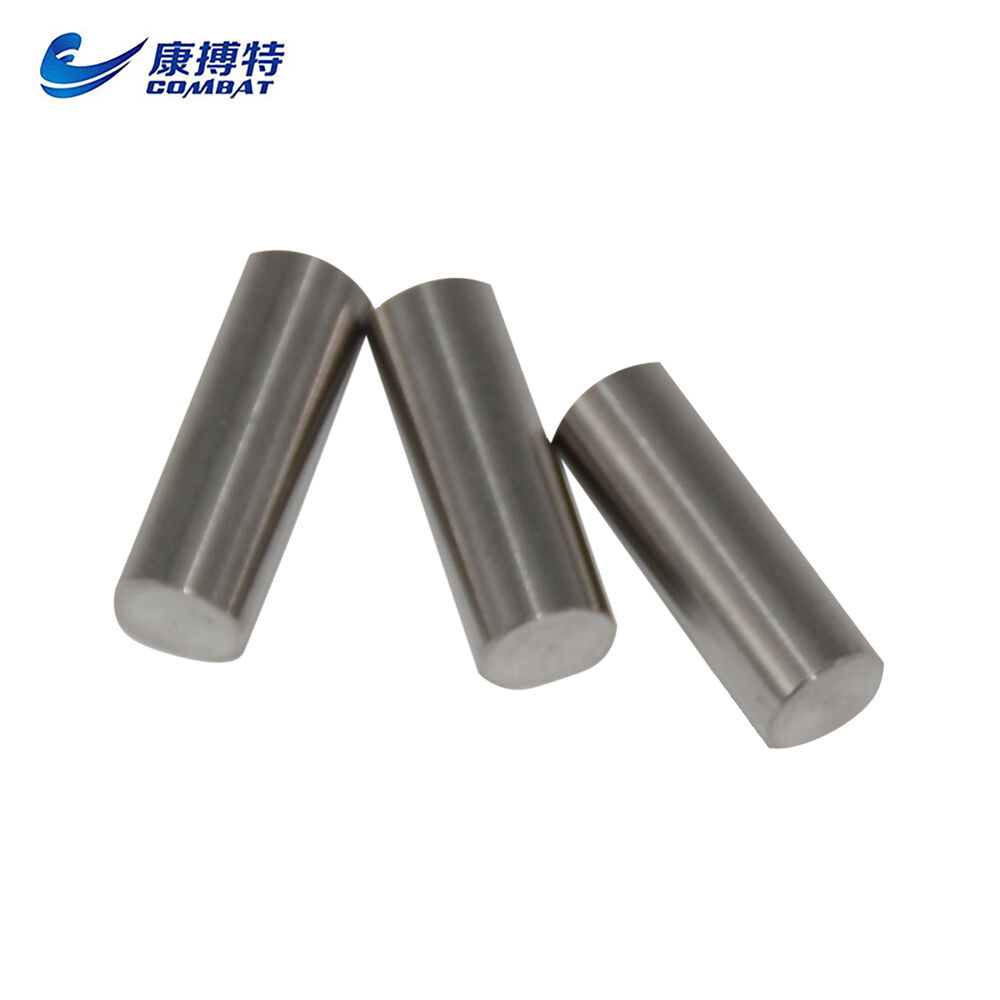
Titanium barstock provides superior protection against corrosion through a unique electrochemical process that occurs naturally on its surface. When exposed to oxygen, even in trace amounts, the material instantly forms a thin, dense oxide layer that bonds tightly to the underlying metal. This passive film regenerates automatically if scratched or damaged, providing self-healing protection that never requires maintenance or reapplication. Unlike painted or plated surfaces that eventually chip, flake, or wear through, the oxide layer on titanium barstock remains intact throughout the component's service life. This characteristic proves invaluable in marine environments where saltwater attacks conventional metals relentlessly, causing pitting, crevice corrosion, and stress cracking that lead to catastrophic failures. Chemical processing plants benefit enormously because titanium barstock withstands exposure to sulfuric acid, hydrochloric acid, nitric acid, and chlorine solutions that would dissolve stainless steel within hours. The material remains stable in both oxidizing and reducing environments, giving engineers confidence when designing equipment for unpredictable chemical conditions. Offshore oil platforms use titanium barstock for critical components because it resists hydrogen sulfide, a corrosive gas that causes sulfide stress cracking in carbon steel. The material performs equally well in freshwater, brackish water, and seawater applications, eliminating the need to specify different alloys for varying salinity levels. Desalination plants rely on titanium barstock for heat exchangers and pump components because it tolerates the aggressive brine solutions that rapidly corrode copper-nickel alloys. Power generation facilities specify this material for condenser tubes in coastal plants where cooling water contains sand, silt, and biological organisms that erode softer metals. The pharmaceutical industry values titanium barstock for processing equipment because it does not contaminate products or react with active ingredients, maintaining purity standards that regulatory agencies demand. Food processing operations use the material for mixing vessels and piping systems because it resists organic acids from fruits, vegetables, and fermented products while meeting sanitation requirements. Your maintenance costs drop dramatically because components made from titanium barstock never need protective coatings, cathodic protection systems, or corrosion inhibitors that require ongoing monitoring and replenishment.





 EN