Unmatched Corrosion Resistance for Extreme Environments
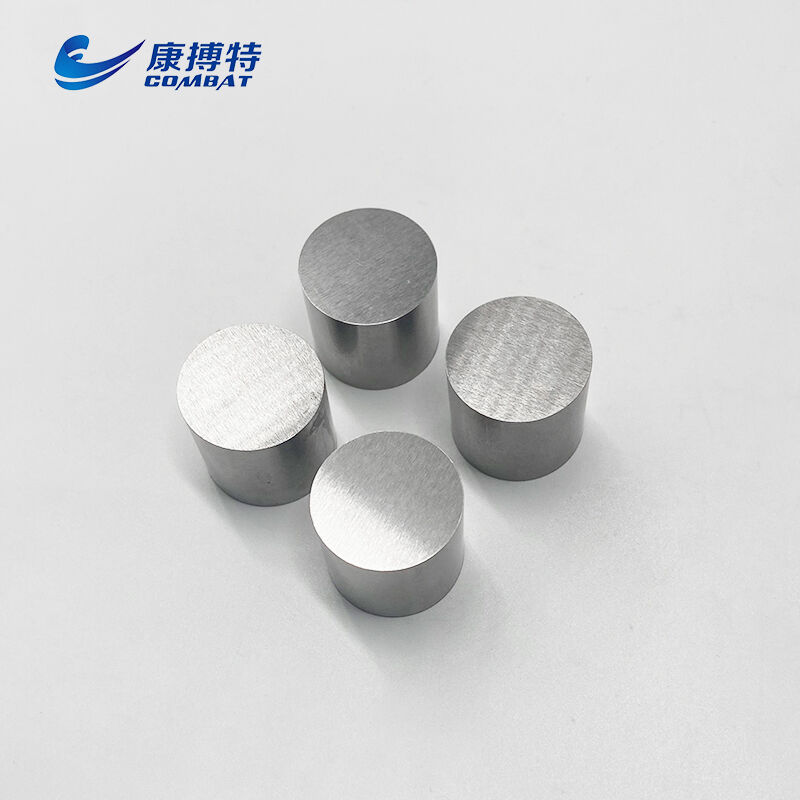
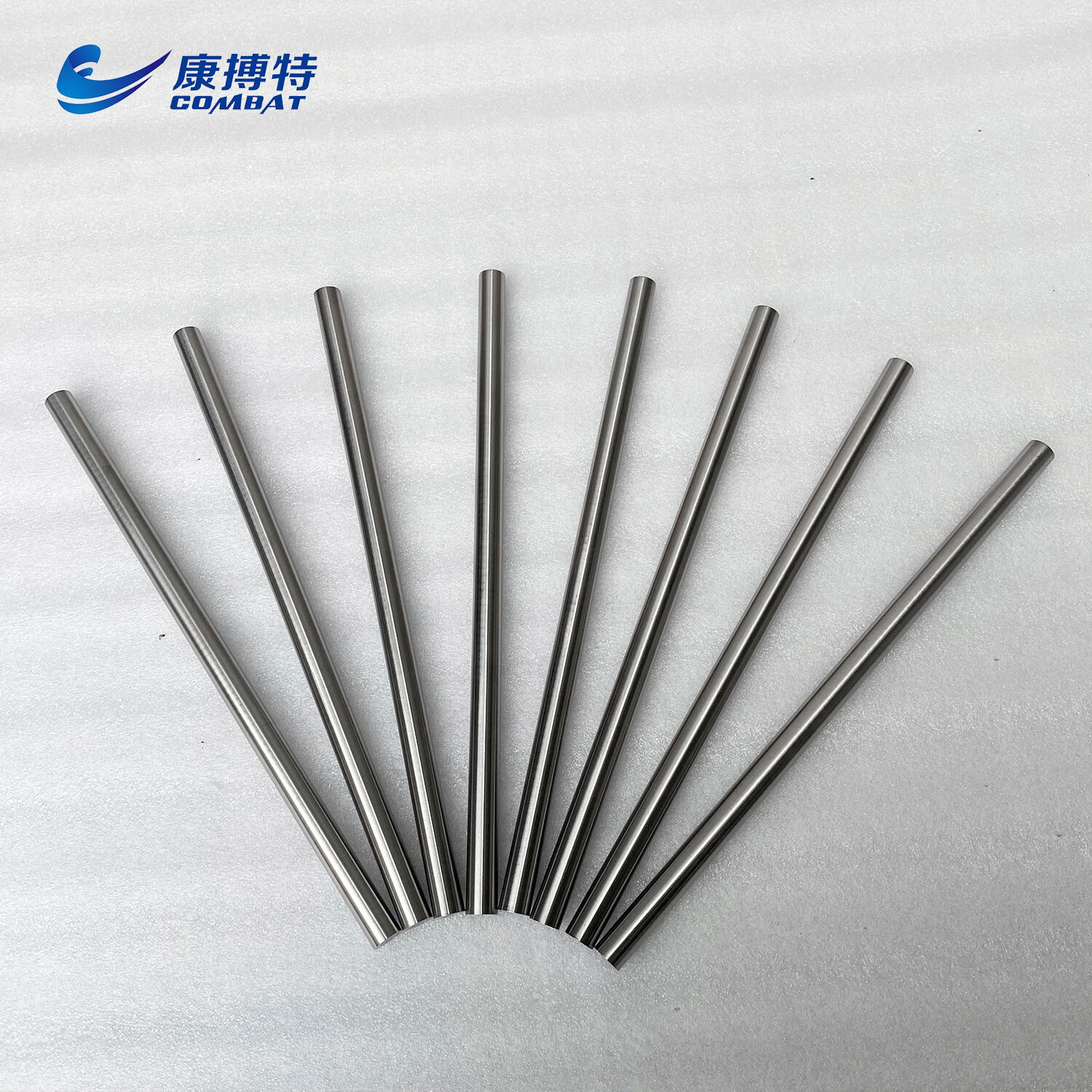
Titanium bar stock delivers corrosion resistance that surpasses virtually all other structural metals, providing reliable performance in the most challenging chemical and environmental conditions. The material forms a stable, adherent oxide layer that protects the underlying metal from attack by acids, alkalis, saltwater, and industrial chemicals. This passive film regenerates instantly if damaged, ensuring continuous protection throughout the material's service life. Marine applications particularly benefit from this characteristic, as titanium bar stock resists pitting, crevice corrosion, and stress corrosion cracking in seawater environments where stainless steel and other alloys fail prematurely. Offshore platforms, desalination plants, and naval vessels incorporate titanium bar stock in critical components that must function reliably despite constant exposure to corrosive saltwater. Chemical processing facilities use titanium bar stock for reactor vessels, heat exchangers, and piping systems handling aggressive substances like chlorine, sulfuric acid, and organic solvents. The material maintains structural integrity without degradation, eliminating contamination risks and ensuring product purity in pharmaceutical and food processing applications. Power generation plants employ titanium bar stock in condenser tubes and cooling systems where traditional materials would require frequent replacement due to corrosion damage. The aerospace industry values this corrosion resistance for components exposed to jet fuel, hydraulic fluids, and atmospheric moisture at high altitudes. Medical device manufacturers rely on titanium bar stock's biocompatibility and corrosion resistance for implants that must function safely within the human body for decades. The material does not release ions or corrode in bodily fluids, preventing adverse tissue reactions and ensuring long-term implant stability. This corrosion resistance translates directly into lower total cost of ownership by extending component life, reducing maintenance frequency, and eliminating unexpected failures that cause costly downtime. Facilities operating in coastal areas or industrial zones with high pollution levels find that titanium bar stock maintains its appearance and performance while other materials deteriorate rapidly.



 EN