Unmatched Corrosion Resistance for Extreme Environments
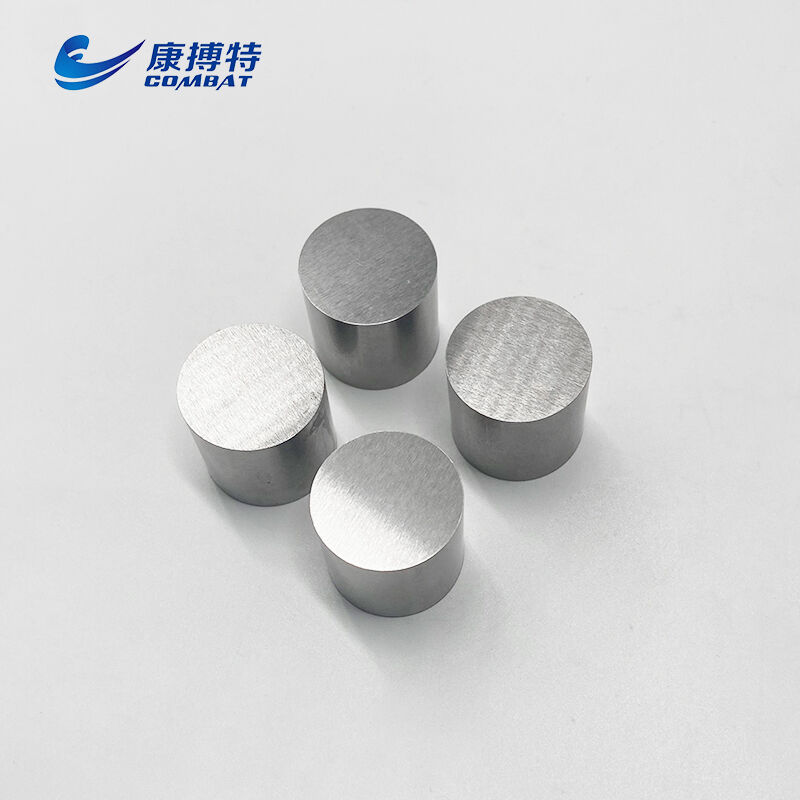
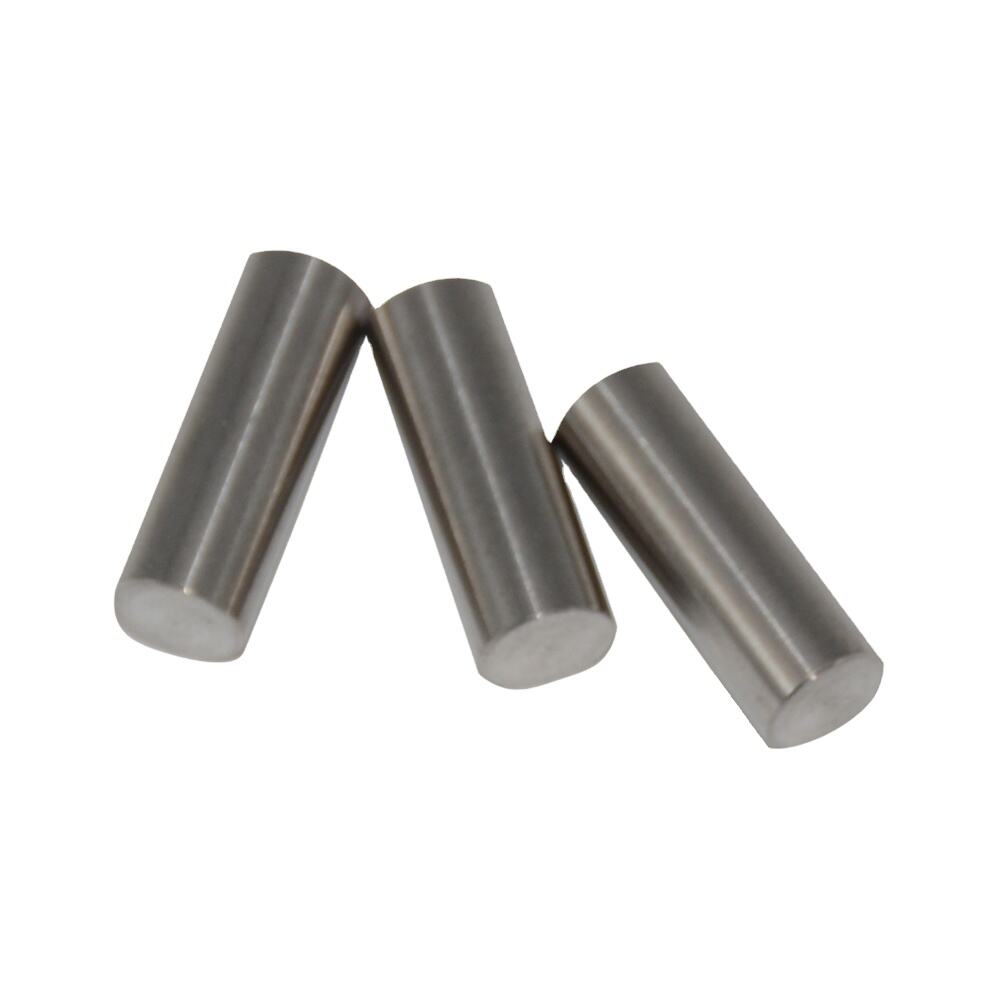
The corrosion resistance of titanium round stock stands as its most compelling attribute for industries operating in challenging chemical and environmental conditions. This material forms a stable, protective oxide layer on its surface that regenerates instantly when damaged, providing self-healing protection against corrosive attack. Unlike stainless steel, which can suffer pitting corrosion in chloride environments, titanium round stock maintains its structural integrity when exposed to seawater, brine solutions, and marine atmospheres that destroy conventional metals within months. Chemical processing facilities rely on titanium round stock for pump shafts, valve stems, and reactor components that contact aggressive acids, caustic solutions, and oxidizing compounds at elevated temperatures. The material resists sulfuric acid, hydrochloric acid, nitric acid, and organic acids across a wide concentration range, eliminating the catastrophic failures and environmental releases associated with corroded equipment. Offshore oil platforms specify titanium round stock for critical components in subsea systems, where the combination of saltwater exposure, high pressure, and mechanical stress creates an extremely demanding service environment. The absence of galvanic corrosion when titanium round stock contacts other metals in seawater applications simplifies design considerations and prevents the accelerated deterioration that occurs with dissimilar metal couples. Power generation facilities use titanium round stock in condenser systems, heat exchangers, and cooling water applications where brackish water or treated wastewater would rapidly degrade copper alloys and stainless steels. The pharmaceutical and food processing industries benefit from the inert nature of titanium round stock, which will not contaminate products or leach metallic ions into sensitive formulations, ensuring product purity and regulatory compliance. Desalination plants depend on titanium round stock for components in high-salinity environments where conventional materials require frequent replacement, with titanium components often lasting the entire facility lifespan. The economic advantages become clear when calculating lifecycle costs, as the initial premium for titanium round stock is recovered through eliminated replacement cycles, reduced maintenance shutdowns, and avoided environmental remediation expenses. This corrosion resistance extends to high-temperature oxidation, allowing titanium round stock to serve in exhaust systems, thermal processing equipment, and aerospace applications where hot gases would rapidly scale and weaken other materials.



 EN