Unparalleled Corrosion Resistance for Extreme Environments
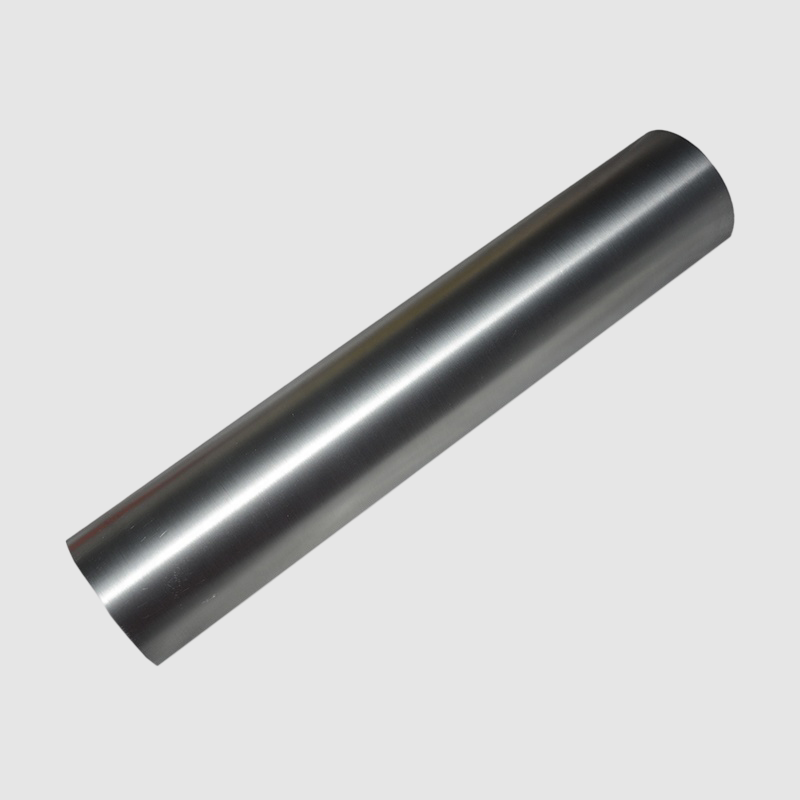
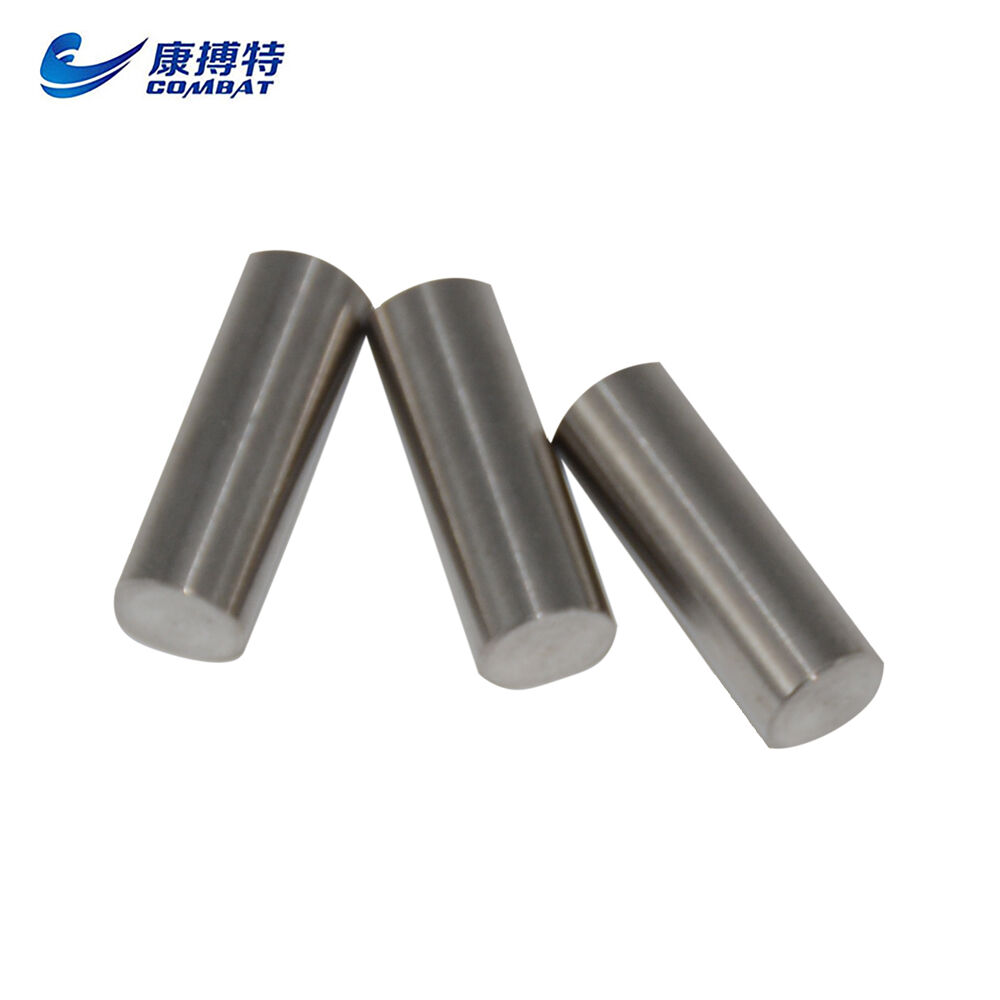
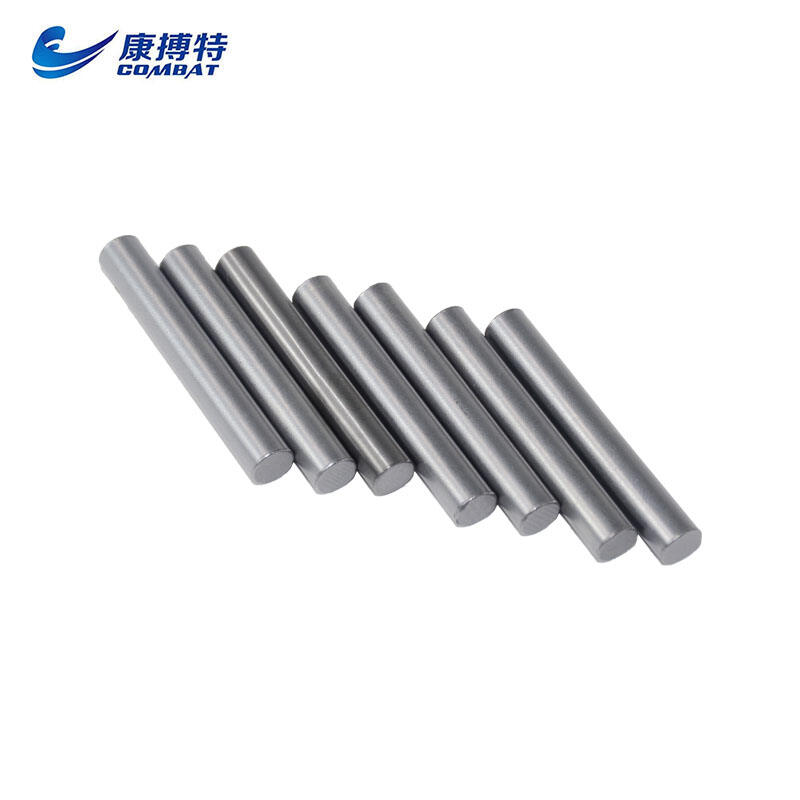
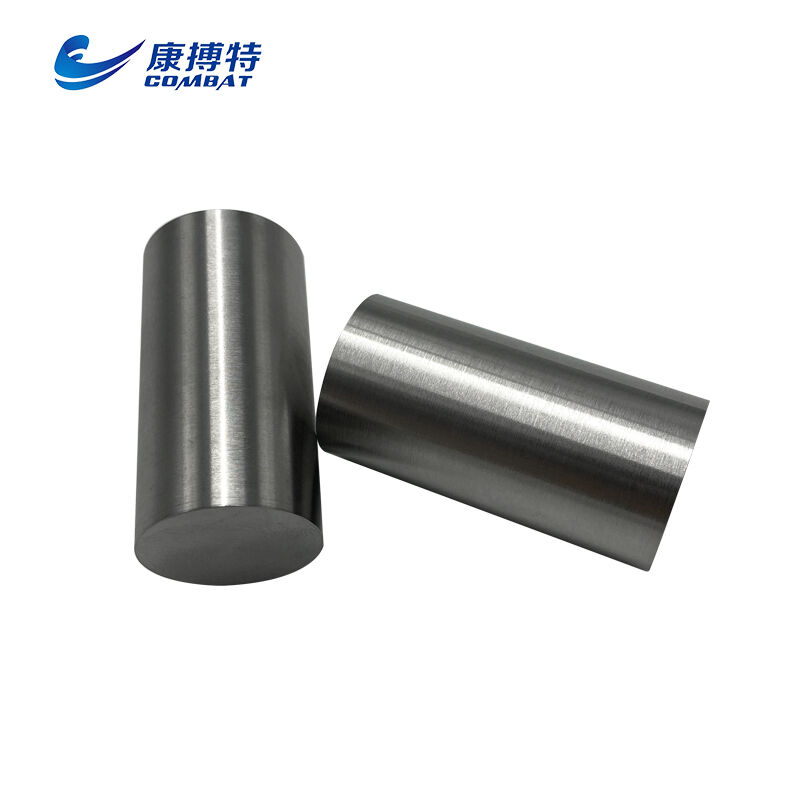
The corrosion resistance of 1 inch titanium round stock sets it apart as the premier choice for applications where environmental exposure threatens component integrity and longevity. Unlike steel, which rusts when exposed to moisture, or aluminum, which corrodes in saltwater, titanium forms a stable, self-healing oxide layer that protects the underlying metal from further degradation. This passive film regenerates instantly if scratched or damaged, providing continuous protection without requiring maintenance or reapplication. In marine applications, where saltwater accelerates the deterioration of conventional metals, 1 inch titanium round stock maintains its structural properties and surface finish indefinitely, making it ideal for boat shafts, propeller components, and underwater fasteners. Chemical processing facilities benefit enormously from titanium's resistance to aggressive substances, as components machined from this round stock withstand exposure to acids, bases, and organic solvents that would rapidly destroy stainless steel or exotic alloys. The pharmaceutical and food processing industries utilize 1 inch titanium round stock for equipment that must resist both chemical cleaning agents and the corrosive effects of certain food products, while maintaining absolute purity standards that prevent contamination. Offshore oil and gas operations, where equipment faces the combined assault of saltwater, hydrogen sulfide, and extreme pressures, rely on titanium round stock for critical components that cannot afford to fail. The material's resistance to stress corrosion cracking, a failure mode that plagues high-strength steels in chloride environments, provides an additional safety margin in structural applications. Architectural applications increasingly specify 1 inch titanium round stock for exterior railings, structural supports, and decorative elements that must maintain their appearance without painting or protective coatings, even in coastal or industrial atmospheres. The economic implications of this corrosion resistance extend beyond material longevity to encompass reduced maintenance schedules, eliminated coating costs, and decreased downtime for component replacement. Environmental monitoring equipment, which must operate reliably in harsh outdoor conditions for years without servicing, depends on titanium round stock for sensor housings and mounting hardware that resist degradation from UV exposure, temperature cycling, and atmospheric pollutants. The combination of corrosion resistance with titanium's other properties creates a synergistic effect, as components maintain their dimensional accuracy and surface finish throughout their service life, ensuring consistent performance in precision applications where corrosion-induced changes could compromise functionality.



 EN