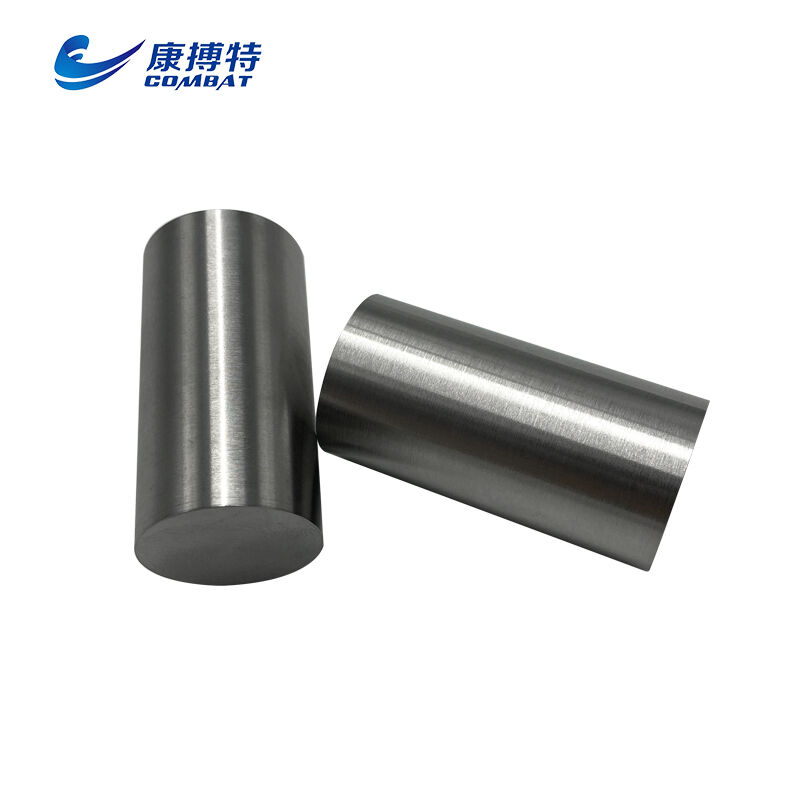
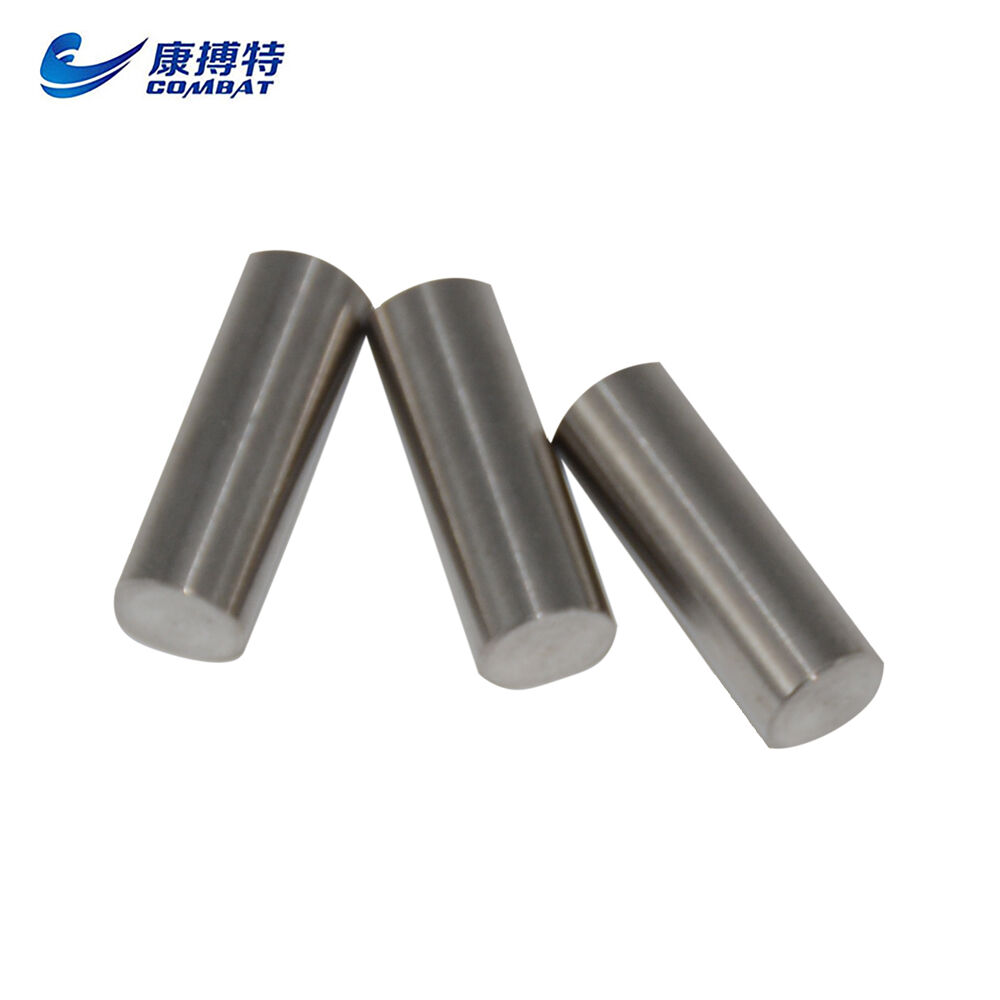
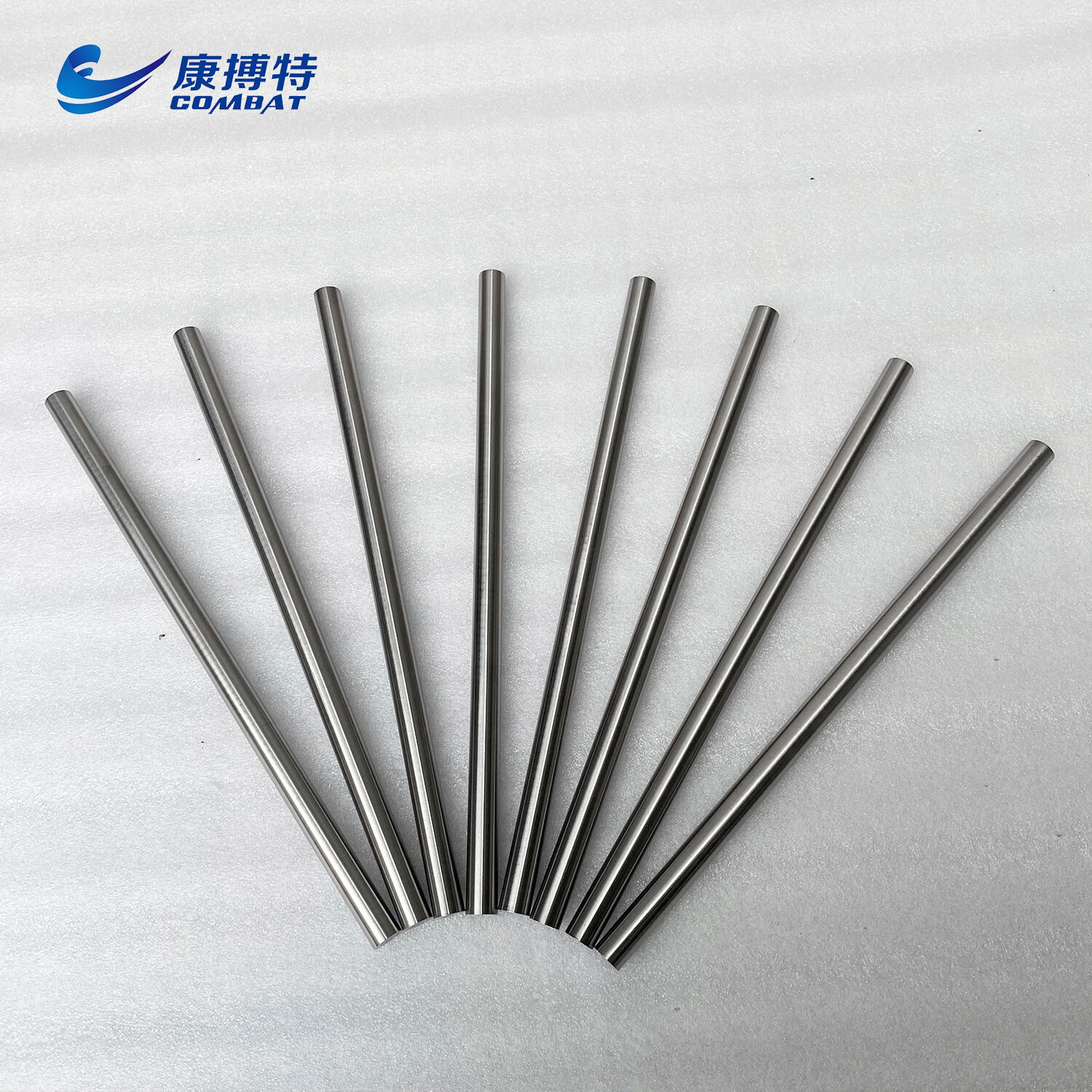
Premium Titanium Alloy Round Bar Stock - High Strength, Corrosion Resistant Metal Bars

Get a Free Quote

Our representative will contact you soon.
Email
Name
Country/Region
Mobile/WhatsApp
Product Name
Message
0/1000

titanium alloy round bar stock

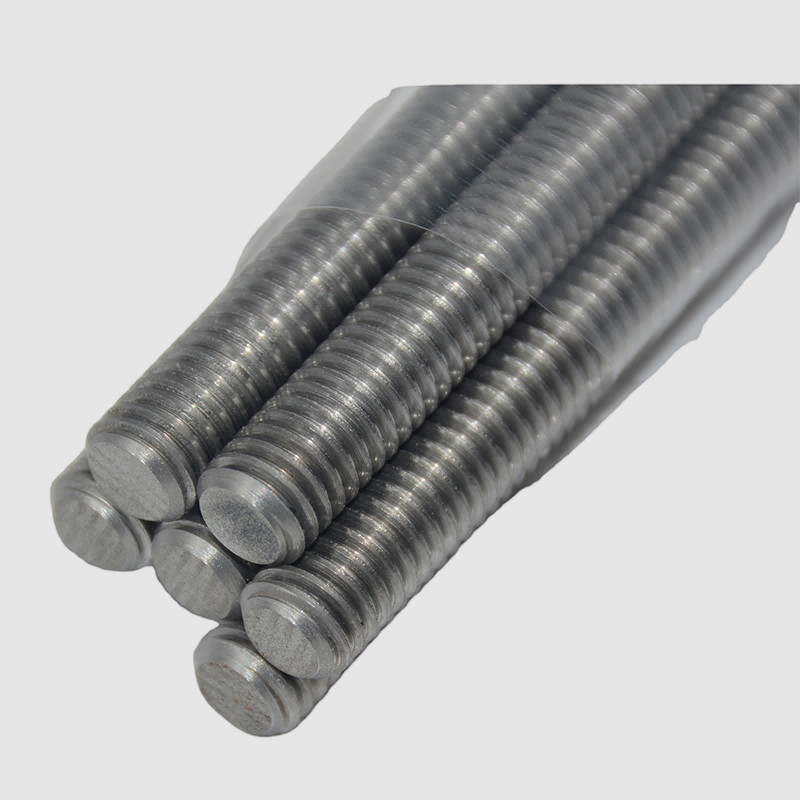
Titanium alloy round bar stock represents a premium metallic material that combines exceptional strength with remarkable lightness, making it an indispensable component across multiple industrial sectors. This cylindrical form of titanium alloy is manufactured through precise metallurgical processes that ensure consistent quality and dimensional accuracy throughout its length. The round bar configuration provides versatility for machining operations, allowing manufacturers to create complex components through turning, milling, and drilling processes. Titanium alloy round bar stock exhibits outstanding corrosion resistance, maintaining structural integrity even when exposed to harsh chemical environments, saltwater, and extreme temperatures. The material's biocompatibility makes it particularly valuable in medical applications where human tissue contact is required. Its high strength-to-weight ratio surpasses conventional steel and aluminum alternatives, enabling engineers to design lighter structures without compromising load-bearing capabilities. The technological features of titanium alloy round bar stock include excellent fatigue resistance, which extends component lifespan under cyclic loading conditions. The material maintains mechanical properties across a wide temperature range, from cryogenic conditions to elevated temperatures exceeding 400 degrees Celsius. Various titanium alloy grades are available in round bar form, each formulated to meet specific performance requirements. Grade 5 titanium alloy, also known as Ti-6Al-4V, is the most commonly used variant, offering an optimal balance of strength, ductility, and weldability. Applications for titanium alloy round bar stock span aerospace engineering, where components must withstand extreme stress while minimizing weight. The marine industry utilizes this material for propeller shafts, fasteners, and structural elements that resist seawater corrosion. Medical device manufacturers rely on titanium alloy round bar stock to produce surgical instruments, orthopedic implants, and dental components. The automotive racing sector incorporates these bars into suspension systems, connecting rods, and valve train components where performance advantages justify the material cost. Chemical processing facilities use titanium alloy round bar stock for pump shafts, reactor components, and piping systems that handle corrosive substances. The material's non-magnetic properties make it suitable for specialized applications in electronics and scientific instrumentation where magnetic interference must be avoided.

New Product Releases

Choosing titanium alloy round bar stock delivers tangible benefits that directly impact your project's success and long-term performance. The weight savings achieved with this material can transform your design possibilities, as titanium alloy weighs approximately 45 percent less than steel while delivering comparable or superior strength. This weight reduction translates into fuel efficiency improvements for aerospace and automotive applications, lower transportation costs, and easier handling during installation and maintenance procedures. The corrosion resistance of titanium alloy round bar stock eliminates the need for protective coatings or frequent replacements, reducing lifecycle costs significantly. Unlike steel components that rust or aluminum parts that corrode in marine environments, titanium alloy maintains its surface integrity for decades without degradation. This durability means fewer maintenance shutdowns, reduced replacement part inventories, and lower total cost of ownership over the component's service life. The material's strength allows you to use smaller cross-sections compared to alternative metals, creating more compact designs with improved aesthetics and functionality. Engineers can specify thinner walls and lighter structures while meeting or exceeding safety factors and load requirements. The biocompatibility of titanium alloy round bar stock opens opportunities in medical markets where other metals would trigger adverse reactions or rejection by the human body. Surgeons can implant devices made from this material with confidence, knowing that osseointegration will occur naturally and patients will experience better outcomes. The temperature stability of titanium alloy round bar stock ensures consistent performance whether your application involves cryogenic liquefied gases or high-temperature exhaust systems. The material does not become brittle at low temperatures like some steels, nor does it lose strength rapidly at elevated temperatures like aluminum alloys. Machinability has improved with modern titanium alloy formulations and cutting tool technologies, making production more economical than in previous decades. Manufacturers can achieve tight tolerances and excellent surface finishes when using appropriate machining parameters and tooling. The material's fatigue resistance prevents crack initiation and propagation under repeated loading cycles, which is critical for rotating machinery, aircraft structures, and components subjected to vibration. This characteristic extends service intervals and enhances safety margins in critical applications. The non-magnetic nature of titanium alloy round bar stock prevents interference with sensitive electronic equipment, navigation systems, and medical imaging devices. This property is essential in minesweeping equipment, MRI-compatible surgical tools, and precision measurement instruments. The material's low thermal expansion coefficient reduces stress concentrations in assemblies where components experience temperature fluctuations, minimizing the risk of joint failures or dimensional instability. Environmental sustainability considerations favor titanium alloy round bar stock because the material is fully recyclable without loss of properties, and its longevity reduces the frequency of replacement cycles. These practical advantages make titanium alloy round bar stock a smart investment for applications where performance, reliability, and lifecycle value matter most to your bottom line and operational success.

Tips And Tricks

The 31st Russia International Metal and Metallurgy Industry Exhibition 2025 (Metal-Expo)

24

Apr

The 31st Russia International Metal and Metallurgy Industry Exhibition 2025 (Metal-Expo)

View More
Indian Delegation Visits Youbo, Signs Molybdenum Bar and Tungsten Alloy Procurement Agreement​​

24

Apr

Indian Delegation Visits Youbo, Signs Molybdenum Bar and Tungsten Alloy Procurement Agreement​​

View More
International Ferroalloys 2025

24

Apr

International Ferroalloys 2025

View More
Luoyang Combat Tungsten & Molybdenum Materials Co., Ltd. Shines at Asia Ferroalloys 2025 Conference to Forge Global Collaboration Opportunities

24

Apr

Luoyang Combat Tungsten & Molybdenum Materials Co., Ltd. Shines at Asia Ferroalloys 2025 Conference to Forge Global Collaboration Opportunities

View More

Get a Free Quote

Our representative will contact you soon.
Email
Name
Country/Region
Mobile/WhatsApp
Product Name
Message
0/1000

titanium alloy round bar stock

Unmatched Strength-to-Weight Performance for Critical Applications

Unmatched Strength-to-Weight Performance for Critical Applications

The strength-to-weight ratio of titanium alloy round bar stock stands as its most compelling attribute, delivering mechanical performance that fundamentally changes what engineers can achieve in weight-sensitive applications. This material provides tensile strengths ranging from 900 to 1400 megapascals depending on the specific alloy grade and heat treatment condition, while maintaining a density of only 4.5 grams per cubic centimeter. To put this in perspective, titanium alloy round bar stock offers strength levels comparable to high-strength steel alloys, yet weighs 43 percent less than steel and is 60 percent heavier than aluminum while being twice as strong. This unique combination enables designers to reduce component mass without sacrificing structural integrity or safety margins. In aerospace applications, every kilogram of weight saved in structural components translates directly into increased payload capacity, extended range, or improved fuel efficiency. Aircraft manufacturers use titanium alloy round bar stock to produce landing gear components, engine mounts, and airframe structural elements where the weight savings justify the material premium. The compressive strength of titanium alloy round bar stock also excels, resisting buckling and deformation under high loads, which is essential for columns, struts, and support members in lightweight structures. The material's yield strength remains stable across a broad temperature spectrum, ensuring that components maintain their load-bearing capacity in both arctic conditions and high-temperature environments. This thermal stability is particularly valuable in jet engine components, where titanium alloy round bar stock serves in compressor sections experiencing temperatures up to 600 degrees Celsius. The fatigue strength of this material deserves special attention, as it retains approximately 50 percent of its ultimate tensile strength under cyclic loading conditions, outperforming aluminum alloys and many steel grades. This fatigue resistance is critical in rotating machinery such as helicopter rotor hubs, turbine shafts, and automotive connecting rods where components endure millions of stress cycles throughout their service life. The fracture toughness of titanium alloy round bar stock provides an additional safety margin, as the material exhibits ductile behavior rather than brittle failure modes, giving warning signs before catastrophic failure occurs. Engineers can design with confidence knowing that titanium alloy components will not suddenly shatter under overload conditions. The specific strength, calculated as strength divided by density, positions titanium alloy round bar stock at the top of metallic material rankings, making it the material of choice when performance per unit weight is the primary design criterion. Racing teams exploit this advantage to build lighter suspension components that reduce unsprung mass, improving handling and acceleration. Medical device manufacturers leverage the strength-to-weight benefits to create surgical instruments that surgeons can manipulate for extended periods without fatigue, while orthopedic implants made from titanium alloy round bar stock provide necessary strength without excessive bulk that would interfere with surrounding tissue.
Superior Corrosion Resistance Across Diverse Environments

Superior Corrosion Resistance Across Diverse Environments

Titanium alloy round bar stock demonstrates exceptional corrosion resistance that surpasses stainless steel and other conventional engineering materials in numerous aggressive environments, providing long-term reliability and reduced maintenance requirements. This corrosion resistance stems from the spontaneous formation of a stable, protective titanium dioxide layer on the material's surface when exposed to oxygen or moisture. This passive film is extremely thin, typically only a few nanometers thick, yet it provides robust protection against chemical attack and regenerates instantly if damaged by scratching or abrasion. The protective oxide layer remains stable across a pH range from 3 to 12, making titanium alloy round bar stock suitable for both acidic and alkaline service conditions. In marine environments, where saltwater corrosion destroys steel and attacks aluminum, titanium alloy round bar stock maintains its integrity indefinitely without pitting, crevice corrosion, or stress corrosion cracking. Naval architects specify this material for propeller shafts, rudder stocks, and fasteners in seawater systems, knowing that these components will outlast the vessel's hull. The offshore oil and gas industry relies on titanium alloy round bar stock for drilling equipment, riser components, and subsea hardware that must withstand corrosive seawater under high pressure for decades without failure. Chemical processing plants use titanium alloy round bar stock in pump shafts, agitator shafts, and reactor internals handling chlorine, chlorides, hypochlorites, and other aggressive chemicals that rapidly corrode stainless steel. The material's resistance to chloride-induced stress corrosion cracking is particularly valuable, as this failure mode has caused catastrophic failures in stainless steel components in swimming pool equipment, desalination plants, and pulp and paper mills. Titanium alloy round bar stock also resists oxidation at elevated temperatures better than many heat-resistant alloys, maintaining a clean surface without scaling or oxide buildup that would interfere with dimensional tolerances or heat transfer. This oxidation resistance is beneficial in exhaust systems, heat exchangers, and furnace components operating in air at temperatures up to 600 degrees Celsius. The material's immunity to galvanic corrosion when coupled with carbon fiber composites makes it the preferred fastener material in advanced composite structures for aircraft, racing cars, and high-performance bicycles. Unlike aluminum or steel fasteners that corrode when in contact with carbon fiber in the presence of moisture, titanium alloy round bar stock remains stable, preventing joint degradation and maintaining clamp load over time. The erosion-corrosion resistance of titanium alloy round bar stock excels in applications involving high-velocity fluids carrying abrasive particles, such as slurry pumps, hydrocyclones, and steam turbine blades. The material withstands the combined mechanical and chemical attack that would rapidly wear away softer metals. Environmental exposure testing has demonstrated that titanium alloy round bar stock maintains its mechanical properties and surface condition after decades of outdoor weathering, making it suitable for architectural applications, monuments, and sculptures requiring minimal maintenance. The absence of rust staining is particularly valuable in building facades and decorative elements where appearance matters. This comprehensive corrosion resistance eliminates the need for protective coatings, platings, or cathodic protection systems, simplifying manufacturing processes and reducing lifecycle costs while ensuring reliable performance in the harshest service environments.

Biocompatibility and Medical-Grade Performance Standards

Biocompatibility and Medical-Grade Performance Standards

Titanium alloy round bar stock has earned its position as the premier material for medical implants and surgical instruments due to its exceptional biocompatibility, which allows the material to integrate with human tissue without triggering adverse immune responses or toxic reactions. This biocompatibility is not merely the absence of negative effects but includes positive biological interactions that promote healing and long-term implant success. When titanium alloy round bar stock is implanted in the human body, the same titanium dioxide layer that provides corrosion resistance also creates a surface that bone cells recognize as compatible, leading to osseointegration where bone tissue grows directly onto the implant surface without intervening fibrous tissue. This direct bone bonding is essential for orthopedic implants such as hip replacements, knee prostheses, spinal fusion cages, and dental implants that must transfer loads between the implant and skeletal structure. Surgeons have documented successful titanium alloy implants remaining functional for over 30 years in patients, demonstrating the material's long-term stability in the biological environment. The non-toxic nature of titanium alloy round bar stock means that even if microscopic wear particles are generated through articulation or fretting, these particles do not cause the inflammatory responses or metallosis seen with cobalt-chromium or stainless steel implants. Medical device manufacturers machine titanium alloy round bar stock into surgical instruments including retractors, forceps, scissors, and drill bits that can be repeatedly sterilized through autoclaving without corrosion or degradation. The material's non-magnetic properties are critical for MRI-compatible implants and instruments, allowing patients with titanium alloy devices to safely undergo magnetic resonance imaging without image artifacts or device heating that would occur with ferromagnetic materials. Cardiovascular surgeons use components made from titanium alloy round bar stock in heart valve frames, pacemaker cases, and vascular clips where the material's corrosion resistance in blood and body fluids ensures decades of reliable function. The material's elastic modulus, while higher than bone, is lower than stainless steel or cobalt-chromium alloys, reducing stress shielding effects that can lead to bone resorption around implants. Orthopedic implant designers can optimize stem geometries and cross-sections using titanium alloy round bar stock to better match bone stiffness and promote healthier load transfer. The material's fatigue resistance is particularly important in implants subjected to cyclic loading, such as spinal rods that must withstand millions of flexion-extension cycles or femoral stems that bear repetitive impact loads during walking and running. Regulatory agencies including the FDA and European medical device authorities have established clear standards for medical-grade titanium alloy round bar stock, with ASTM F136 and ISO 5832-3 specifications defining the chemical composition, mechanical properties, and quality requirements for implantable devices. Manufacturers can source certified medical-grade titanium alloy round bar stock with full traceability and material test reports documenting compliance with these stringent standards. The surface of titanium alloy round bar stock can be modified through various treatments including acid etching, grit blasting, anodizing, and plasma spraying to enhance osseointegration and cellular response. These surface modifications create micro-roughness and nano-topography that accelerate bone formation and improve implant fixation strength. The combination of bulk material biocompatibility and surface engineering possibilities makes titanium alloy round bar stock uniquely suited for advancing medical technology and improving patient outcomes across orthopedics, dentistry, cardiovascular surgery, and reconstructive procedures.

Get a Free Quote

Our representative will contact you soon.
Email
Name
Country/Region
Mobile/WhatsApp
Product Name
Message
0/1000