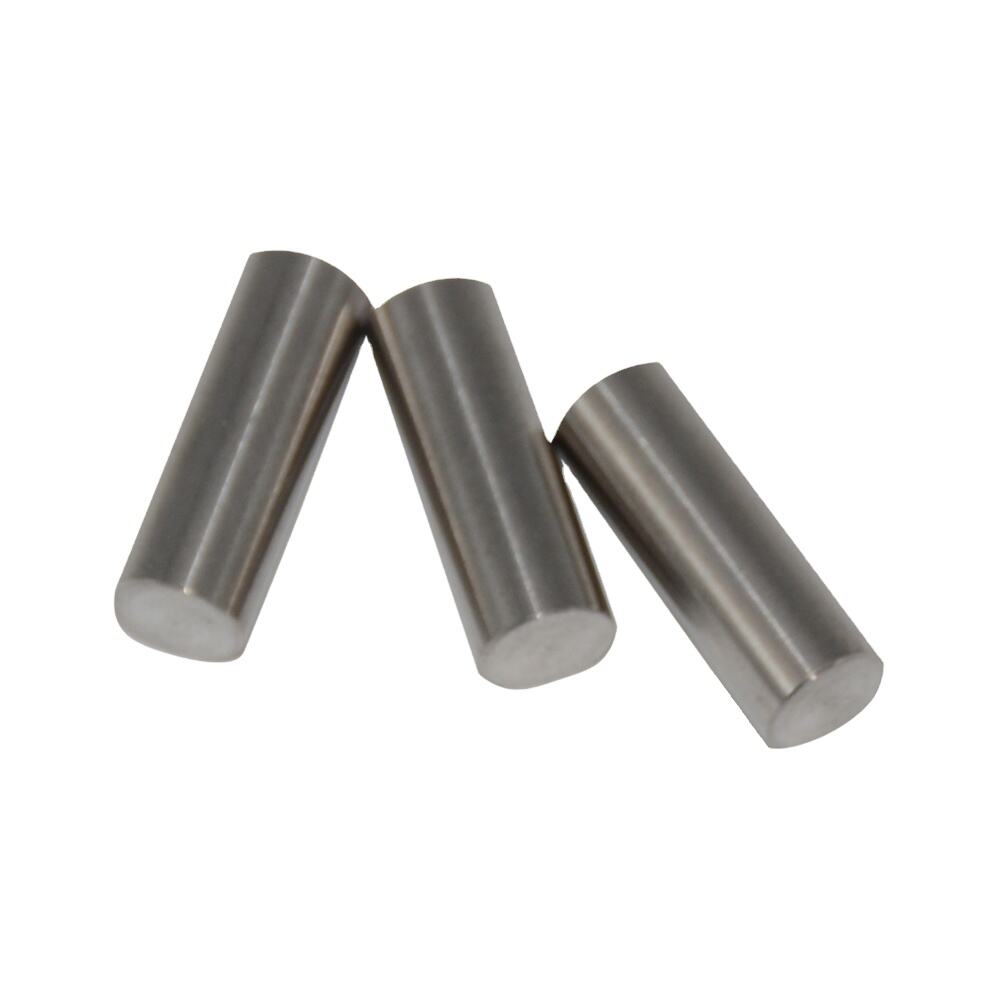
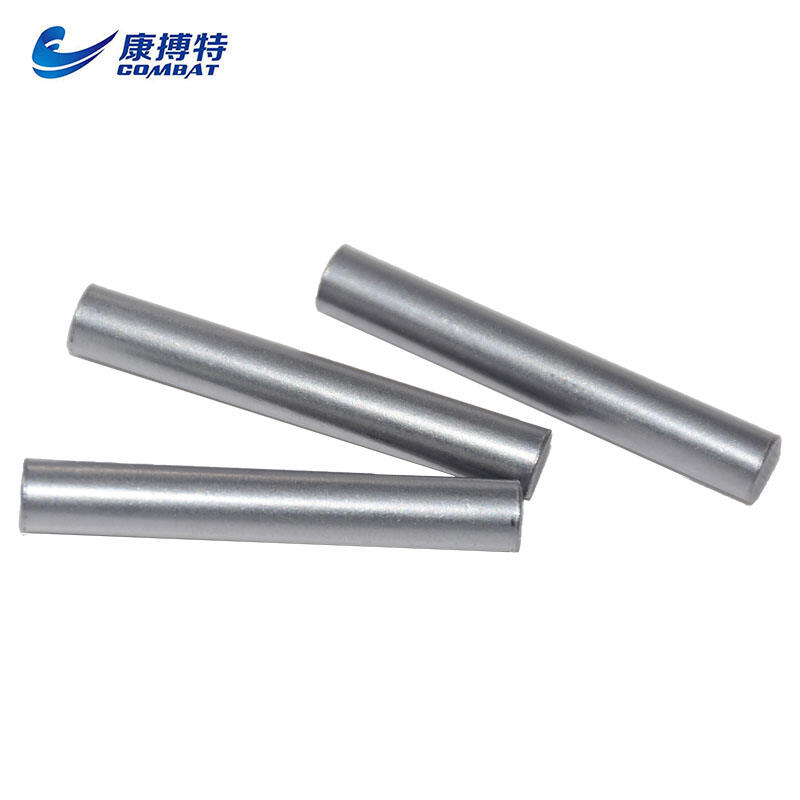
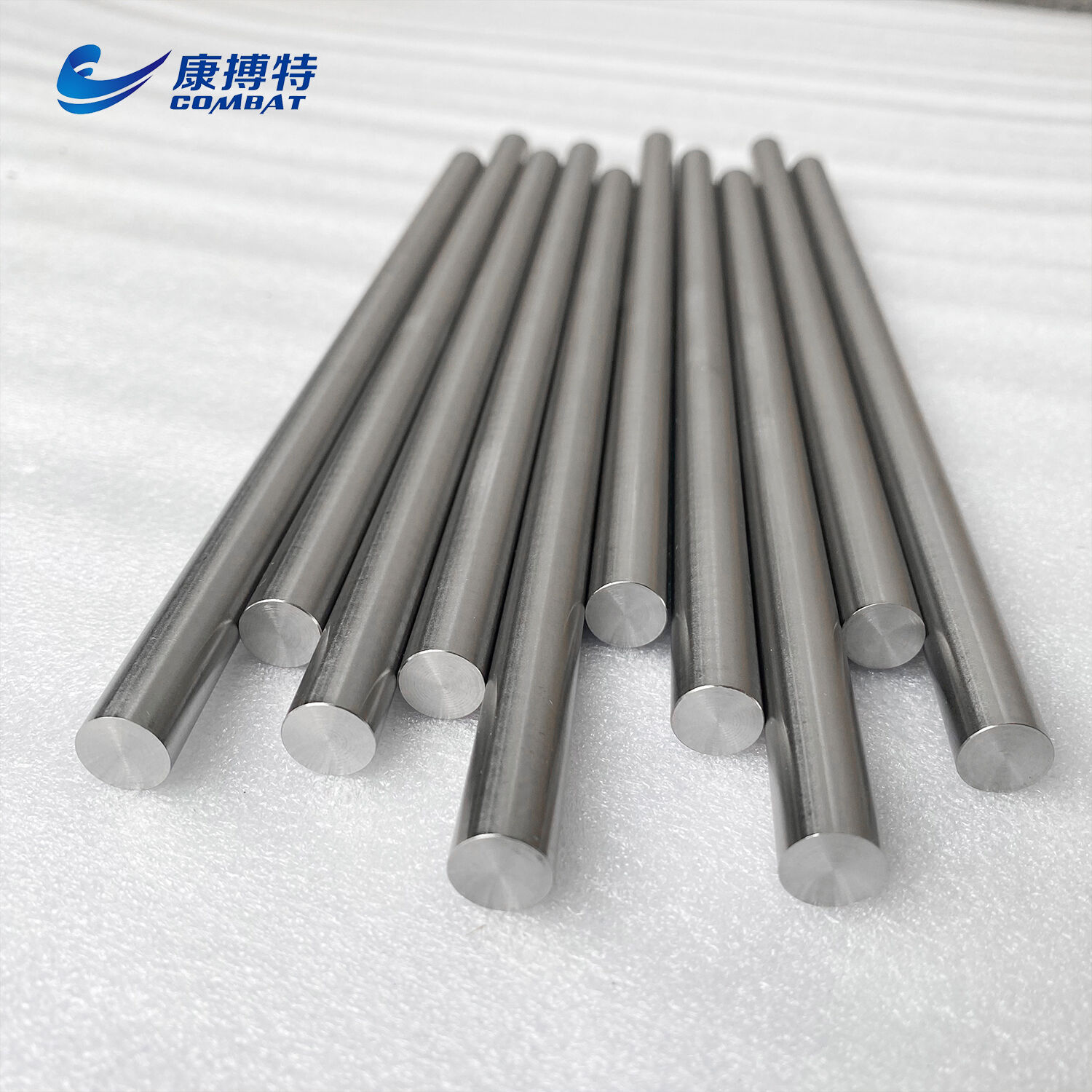
Premium Titanium Round Bar Stock - Lightweight, Corrosion-Resistant Metal for Aerospace, Medical & Industrial Applications

Get a Free Quote

Our representative will contact you soon.
Email
Name
Country/Region
Mobile/WhatsApp
Product Name
Message
0/1000

titanium round bar stock

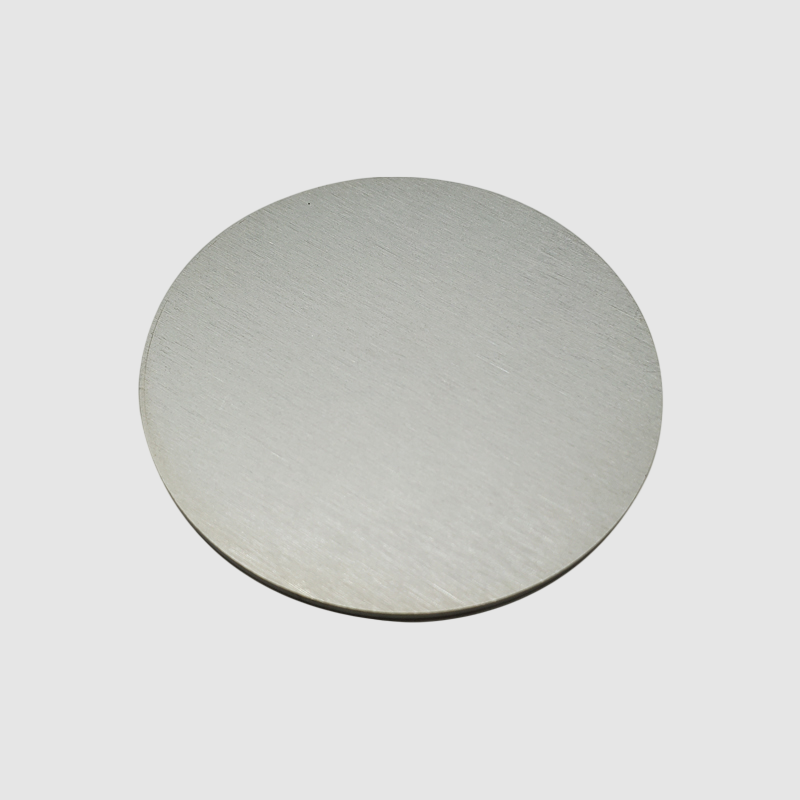
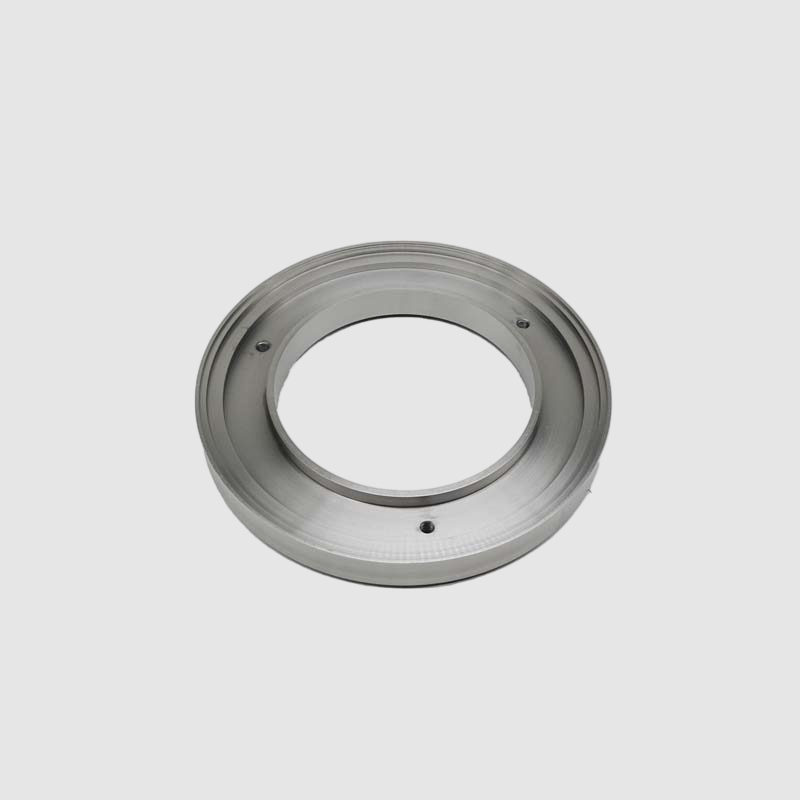
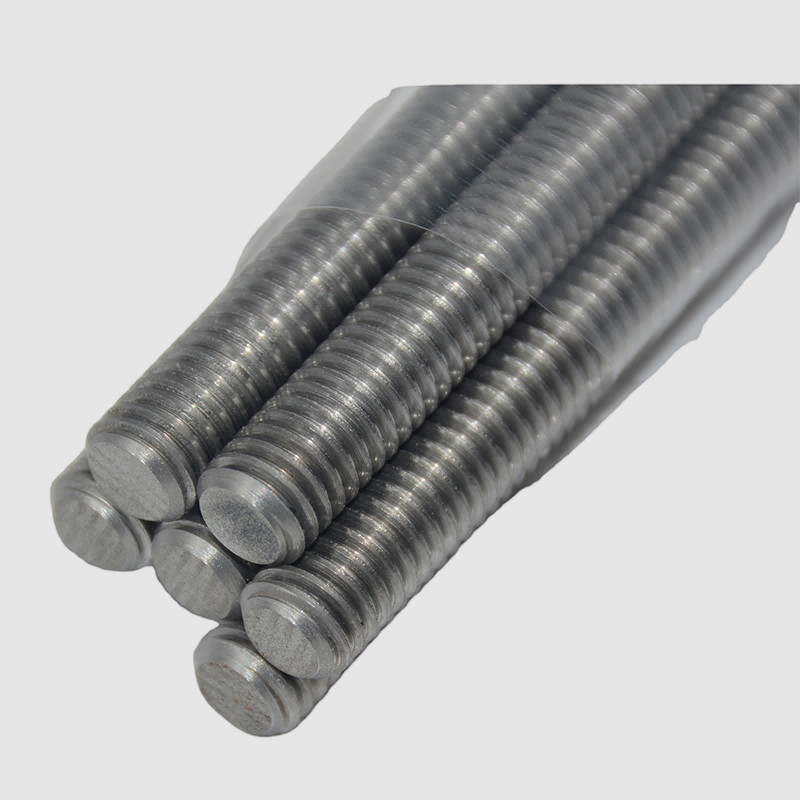
Titanium round bar stock represents a premium metallic material that delivers exceptional performance across demanding industrial applications. This cylindrical metal product combines remarkable strength with surprisingly low weight, making it an ideal choice for projects where both durability and weight reduction matter. The material exhibits outstanding resistance to corrosion, maintaining its structural integrity even when exposed to harsh chemicals, saltwater environments, and extreme temperatures. Manufacturers produce titanium round bar stock through precision processes that ensure consistent quality and dimensional accuracy throughout each piece. The bars come in various diameters and lengths, allowing engineers and fabricators to select specifications that match their exact project requirements. One of the primary functions of titanium round bar stock involves serving as raw material for machining operations. Fabricators transform these bars into custom components through turning, milling, drilling, and threading processes. The material machines cleanly when proper techniques and tooling are employed, producing parts with tight tolerances and smooth surface finishes. Aerospace manufacturers rely on titanium round bar stock to create critical aircraft components including landing gear parts, fasteners, and structural elements. The medical device industry uses this material to fabricate surgical instruments and implants because titanium demonstrates excellent biocompatibility with human tissue. Marine applications benefit from the material's superior resistance to saltwater corrosion, making it valuable for propeller shafts, underwater fasteners, and boat hardware. The chemical processing sector depends on titanium round bar stock for equipment that handles corrosive substances, as the material withstands acids, alkalis, and chlorine compounds without degrading. Technological features include a high strength-to-weight ratio that surpasses most conventional metals, allowing designers to reduce component mass without sacrificing structural performance. The material maintains mechanical properties across a wide temperature range, performing reliably from cryogenic conditions to elevated temperatures exceeding 400 degrees Celsius. Titanium round bar stock offers excellent fatigue resistance, enduring repeated stress cycles without developing cracks or failures that plague other materials under similar conditions.

Popular Products

Choosing titanium round bar stock brings multiple practical benefits that directly impact your project outcomes and long-term costs. The material weighs approximately 45 percent less than steel while delivering comparable or superior strength, which translates to significant weight savings in finished products. This weight reduction proves particularly valuable in transportation applications where every kilogram saved improves fuel efficiency and payload capacity. Aircraft manufacturers achieve better performance metrics by substituting titanium components for heavier alternatives, while automotive engineers reduce vehicle weight to meet stringent emissions standards. The corrosion resistance of titanium round bar stock eliminates the need for protective coatings or frequent replacements that other metals require. Components made from this material maintain their appearance and functionality for decades, even in aggressive environments that would quickly destroy carbon steel or aluminum parts. This durability reduces maintenance schedules, minimizes downtime, and lowers total ownership costs over the product lifecycle. Marine equipment fabricated from titanium round bar stock operates reliably in saltwater without the rust and pitting that affects stainless steel, saving boat owners substantial repair and replacement expenses. The biocompatibility of titanium makes it uniquely suited for medical applications where materials must integrate safely with human tissue. Surgeons implant titanium components knowing they will not trigger adverse immune responses or toxic reactions in patients. This compatibility extends the service life of medical implants and improves patient outcomes, making titanium round bar stock the preferred choice for orthopedic devices, dental implants, and surgical tools. The material's non-magnetic properties benefit applications near sensitive electronic equipment or in environments where magnetic interference causes problems. Medical imaging facilities use titanium components that will not distort MRI scans, while electronics manufacturers appreciate that titanium fixtures will not affect precision instruments. Temperature stability ensures that parts machined from titanium round bar stock maintain dimensional accuracy across varying thermal conditions. Components neither expand excessively in heat nor become brittle in cold, providing consistent performance whether installed in desert climates or arctic regions. This thermal stability proves essential for aerospace applications where components experience dramatic temperature swings during flight operations. The material also offers excellent resistance to erosion and wear, extending service intervals for parts subjected to abrasive conditions or high-velocity fluid flows. Pump shafts, valve stems, and turbine blades manufactured from titanium round bar stock outlast alternatives made from conventional alloys, reducing replacement frequency and associated labor costs. Fabricators appreciate that titanium can be welded, formed, and machined using established techniques, though specialized knowledge optimizes results. The material accepts various surface treatments including anodizing, which adds color and enhances corrosion protection without compromising base properties.

Tips And Tricks

Gathering in Luoyang for Tungsten & Molybdenum, Uniting Hearts to Forge a New Dream Forward​

24

Apr

Gathering in Luoyang for Tungsten & Molybdenum, Uniting Hearts to Forge a New Dream Forward​

View More
The 31st Russia International Metal and Metallurgy Industry Exhibition 2025 (Metal-Expo)

24

Apr

The 31st Russia International Metal and Metallurgy Industry Exhibition 2025 (Metal-Expo)

View More
Indian Delegation Visits Youbo, Signs Molybdenum Bar and Tungsten Alloy Procurement Agreement​​

24

Apr

Indian Delegation Visits Youbo, Signs Molybdenum Bar and Tungsten Alloy Procurement Agreement​​

View More
Luoyang Combat Tungsten & Molybdenum Materials Co., Ltd. Shines at Asia Ferroalloys 2025 Conference to Forge Global Collaboration Opportunities

24

Apr

Luoyang Combat Tungsten & Molybdenum Materials Co., Ltd. Shines at Asia Ferroalloys 2025 Conference to Forge Global Collaboration Opportunities

View More

Get a Free Quote

Our representative will contact you soon.
Email
Name
Country/Region
Mobile/WhatsApp
Product Name
Message
0/1000

titanium round bar stock

Unmatched Strength-to-Weight Performance for Critical Applications

Unmatched Strength-to-Weight Performance for Critical Applications

The exceptional strength-to-weight ratio of titanium round bar stock fundamentally changes how engineers approach design challenges across multiple industries. This material delivers tensile strength comparable to many steel alloys while weighing less than half as much, creating opportunities to reimagine component designs that were previously constrained by weight limitations. Aerospace engineers exploit this advantage to reduce aircraft mass, which directly improves fuel efficiency, extends range, and increases payload capacity. Every kilogram saved in structural components or fasteners manufactured from titanium round bar stock allows airlines to carry additional cargo or passengers, generating measurable revenue improvements over the aircraft's operational lifetime. The automotive sector similarly benefits as manufacturers work to meet increasingly strict fuel economy and emissions regulations. Replacing heavy steel components with parts machined from titanium round bar stock reduces vehicle weight without compromising safety or durability, helping automakers achieve regulatory compliance while maintaining performance standards. Racing teams have long recognized this advantage, using titanium components to reduce unsprung weight in suspension systems, which improves handling characteristics and acceleration. The material's high specific strength also enables the creation of portable equipment that professionals can transport and deploy easily. Medical device manufacturers produce lightweight surgical instruments from titanium round bar stock that reduce surgeon fatigue during lengthy procedures while maintaining the rigidity necessary for precise work. Military applications benefit from weight reduction in personal equipment and vehicle components, allowing soldiers to carry more supplies or enabling vehicles to traverse terrain that would be inaccessible with heavier conventional materials. The strength characteristics of titanium round bar stock remain stable across a broad temperature range, unlike aluminum alloys that lose strength at elevated temperatures or certain steels that become brittle in cold conditions. This thermal stability ensures that components perform reliably whether exposed to the heat of jet engines, the cold of high-altitude flight, or the temperature variations encountered in space applications. Engineers can specify titanium round bar stock with confidence knowing that parts will maintain their mechanical properties throughout the expected service environment, eliminating concerns about temperature-related failures that might occur with alternative materials.
Superior Corrosion Resistance That Eliminates Maintenance Burdens

Superior Corrosion Resistance That Eliminates Maintenance Burdens

Titanium round bar stock demonstrates remarkable resistance to corrosion that surpasses virtually all other structural metals, providing long-term reliability in environments that rapidly degrade conventional materials. This corrosion resistance stems from the formation of a stable, protective oxide layer that naturally develops on titanium surfaces when exposed to oxygen. This passive film regenerates instantly if damaged, providing continuous protection without requiring external coatings or treatments. Marine applications particularly benefit from this characteristic, as saltwater environments present extreme corrosion challenges that destroy unprotected steel within months and attack even stainless steel over time. Components manufactured from titanium round bar stock operate in seawater indefinitely without developing rust, pitting, or crevice corrosion that compromises structural integrity. Boat builders use titanium propeller shafts, through-hull fittings, and fasteners knowing these parts will outlast the vessel itself, eliminating replacement costs and the risk of catastrophic failures during operation. Offshore oil platforms incorporate titanium components in critical systems where corrosion-related failures could trigger environmental disasters or endanger personnel. The chemical processing industry relies on titanium round bar stock for equipment that handles aggressive substances including strong acids, caustic alkalis, and chlorine compounds. Reactor vessels, heat exchangers, and piping systems fabricated from titanium operate reliably for decades in environments that would quickly perforate stainless steel or exotic alloys, reducing downtime and replacement costs while improving safety margins. Pharmaceutical manufacturers use titanium equipment to maintain product purity, as the material does not leach contaminants into sensitive formulations even when exposed to cleaning agents and sterilization processes. The corrosion resistance of titanium round bar stock also proves valuable in architectural applications where appearance matters as much as function. Building facades, sculptures, and decorative elements made from titanium maintain their aesthetic appeal for generations without the staining, streaking, or discoloration that affects other metals. This permanence eliminates ongoing maintenance expenses and preserves the designer's original vision throughout the structure's lifetime. Environmental monitoring equipment benefits from titanium's stability in harsh conditions, providing accurate long-term data without sensor degradation or calibration drift caused by corrosion. Water treatment facilities use titanium components in chlorinated environments where other materials fail rapidly, ensuring continuous operation of critical infrastructure that communities depend upon daily.

Biocompatibility and Safety for Medical and Human-Contact Applications

Biocompatibility and Safety for Medical and Human-Contact Applications

The outstanding biocompatibility of titanium round bar stock makes it the material of choice for medical implants and devices that must integrate safely with human tissue over extended periods. Unlike many metals that trigger immune responses or release toxic ions into surrounding tissue, titanium demonstrates exceptional compatibility with biological systems. The human body accepts titanium implants without rejection, allowing bone to grow directly onto titanium surfaces through a process called osseointegration. This unique characteristic enables orthopedic surgeons to install hip replacements, knee joints, and spinal fusion devices manufactured from titanium round bar stock with confidence that the implants will bond securely with natural bone and function reliably for decades. Dental professionals similarly depend on titanium for implant posts that replace missing tooth roots, knowing that the material will integrate with jawbone and support prosthetic teeth throughout the patient's lifetime. The non-toxic nature of titanium eliminates concerns about metal sensitivity or allergic reactions that affect some patients with stainless steel or cobalt-chromium implants. Medical device manufacturers machine surgical instruments from titanium round bar stock to create tools that can be repeatedly sterilized without corroding or degrading. These instruments maintain sharp edges and precise dimensions through countless autoclave cycles, providing surgeons with reliable tools that perform consistently during critical procedures. The material's non-magnetic properties prove essential for implants and instruments used in or near MRI machines, as magnetic materials would be attracted to the powerful magnets or create dangerous artifacts in diagnostic images. Patients with titanium implants can safely undergo MRI scans without risk, while surgical teams can leave titanium instruments in the operating field during image-guided procedures. Cardiovascular applications benefit from titanium's blood compatibility, as the material does not promote clot formation or adverse reactions when in contact with blood. Heart valve components, pacemaker cases, and vascular clips manufactured from titanium round bar stock function safely within the circulatory system, improving patient outcomes and reducing complication rates. The material's strength allows medical devices to be made smaller and less invasive while maintaining necessary mechanical properties, reducing patient trauma and accelerating recovery times. Pharmaceutical and biotechnology companies use titanium equipment for processes involving human-use products, as the material will not contaminate sensitive biological materials or pharmaceutical compounds. This purity proves critical for manufacturing vaccines, therapeutic proteins, and other biologics where even trace metal contamination could compromise product safety or efficacy.

Get a Free Quote

Our representative will contact you soon.
Email
Name
Country/Region
Mobile/WhatsApp
Product Name
Message
0/1000