Premium Titanium Round Bar - Corrosion Resistant Metal Stock for Aerospace, Medical & Industrial Applications

Get a Free Quote

Our representative will contact you soon.
Email
Name
Country/Region
Mobile/WhatsApp
Product Name
Message
0/1000

titanium round bar

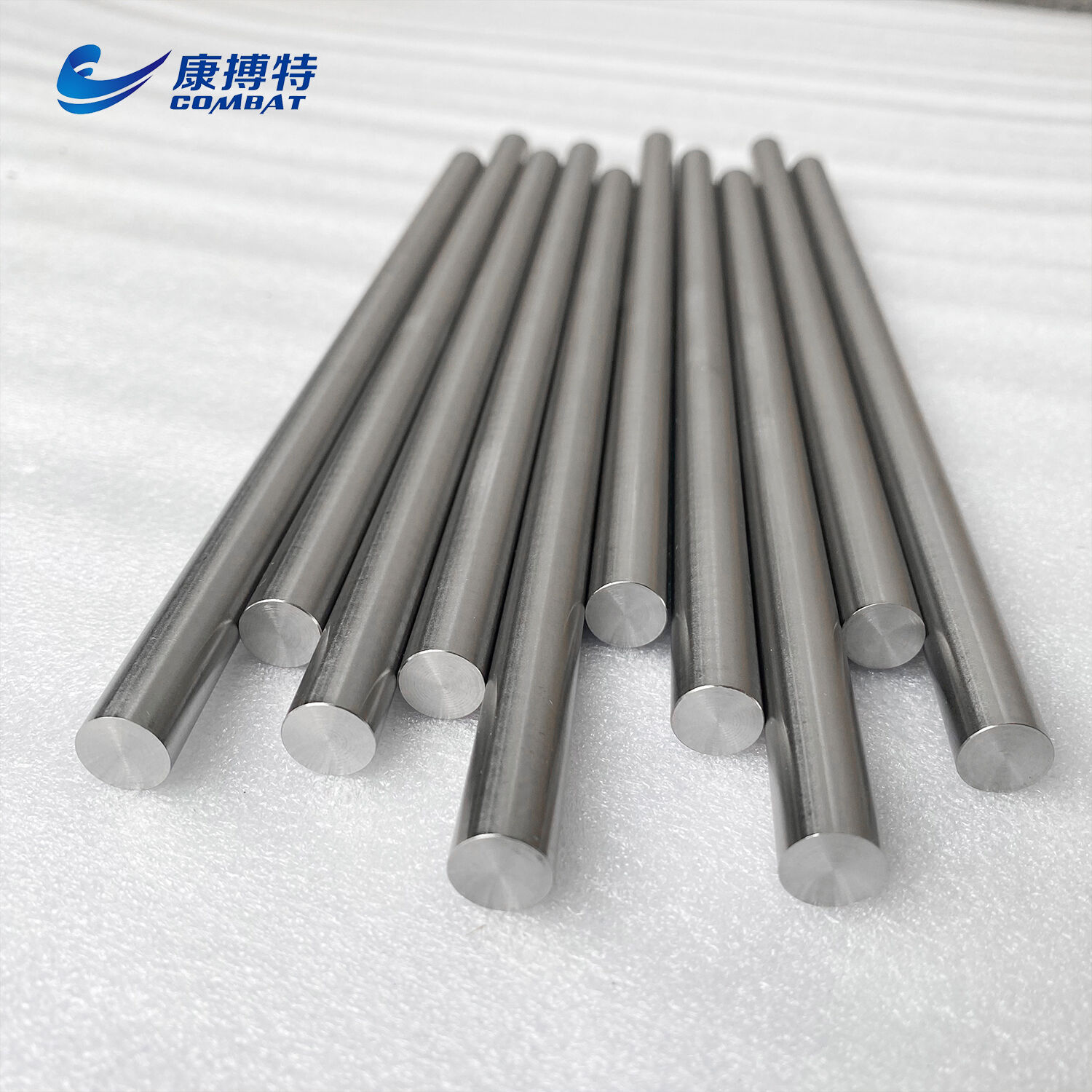
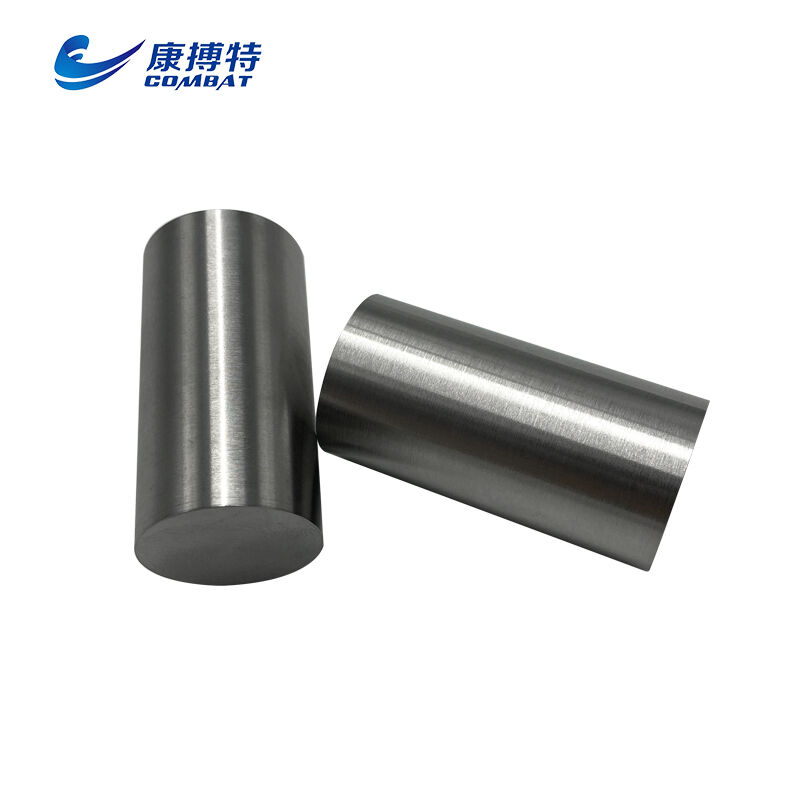
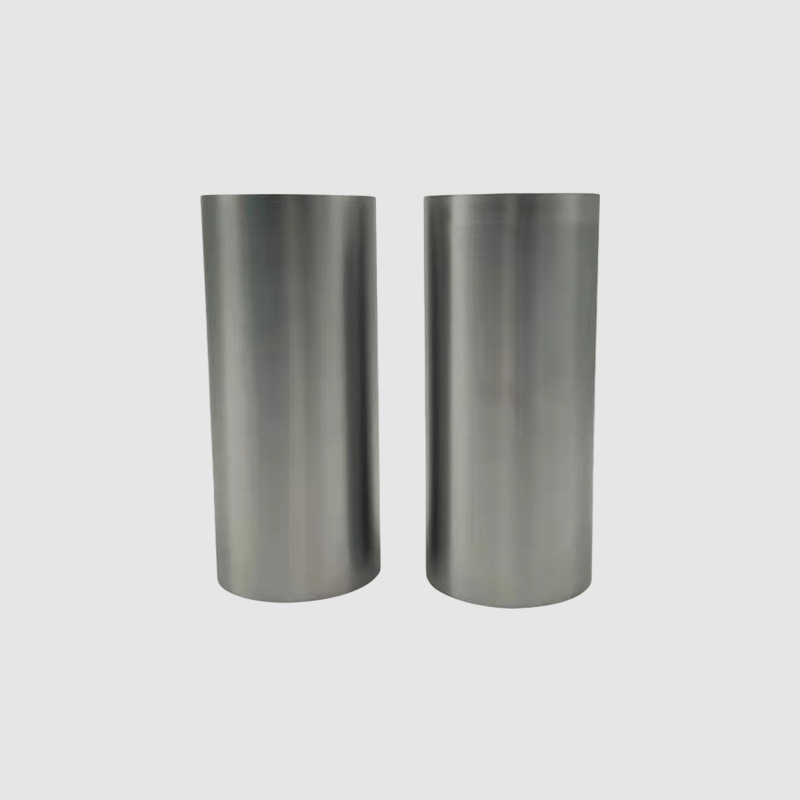
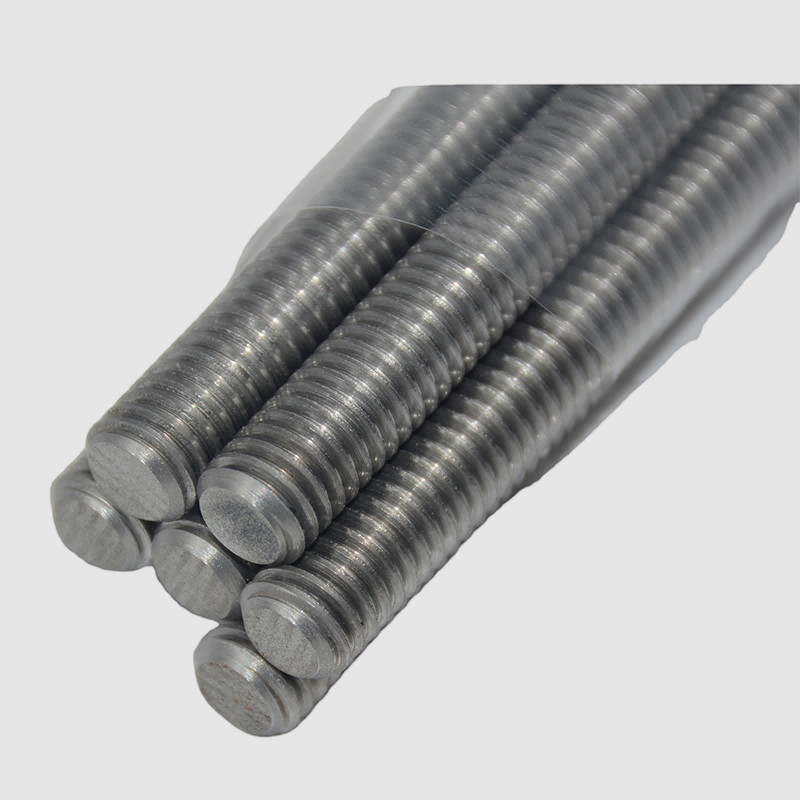
A titanium round bar represents a cylindrical metal product manufactured from pure titanium or titanium alloys, engineered to deliver exceptional performance across demanding industrial applications. This versatile component serves as a fundamental building block in manufacturing processes, offering engineers and fabricators a reliable material solution for projects requiring superior strength-to-weight ratios and corrosion resistance. The production process involves careful metallurgical control, ensuring consistent mechanical properties throughout the entire length of each bar. Manufacturers utilize advanced forging, rolling, and heat treatment techniques to achieve precise dimensional tolerances and optimal material characteristics. The titanium round bar functions primarily as raw stock material for machining operations, allowing manufacturers to create custom components through turning, milling, drilling, and threading processes. Its circular cross-section facilitates efficient material removal during machining while maintaining structural integrity. Engineers specify these bars when designing components that must withstand harsh environmental conditions, including exposure to saltwater, acidic chemicals, and extreme temperatures. The aerospace sector relies heavily on titanium round bars for manufacturing landing gear components, fasteners, and structural elements where weight reduction directly impacts fuel efficiency and payload capacity. Medical device manufacturers transform these bars into surgical instruments, orthopedic implants, and dental components, capitalizing on titanium's biocompatibility and ability to integrate with human tissue. The chemical processing industry utilizes titanium round bars to fabricate pumps, valves, heat exchangers, and reactor vessels that handle corrosive substances without degradation. Marine applications benefit from the material's immunity to saltwater corrosion, making it ideal for propeller shafts, underwater fasteners, and offshore platform components. The automotive racing industry incorporates titanium round bars into high-performance engine components, suspension systems, and exhaust systems where weight savings translate to competitive advantages. Power generation facilities employ these bars in turbine components and condenser systems operating in challenging thermal environments. The material's non-magnetic properties make titanium round bars valuable for specialized applications in electronics manufacturing and scientific instrumentation where magnetic interference must be eliminated.

New Product Releases

Choosing a titanium round bar delivers tangible benefits that directly impact your project's success and long-term performance. The most immediate advantage comes from the material's remarkable strength-to-weight ratio, which allows you to build lighter structures without sacrificing load-bearing capacity. This weight reduction translates to lower transportation costs, easier installation procedures, and improved operational efficiency in applications where mass matters. You gain significant cost savings over the product lifecycle because titanium round bars resist corrosion naturally, eliminating the need for protective coatings, frequent replacements, and ongoing maintenance expenses. Unlike steel alternatives that rust and degrade when exposed to moisture or chemicals, these bars maintain their structural integrity for decades without surface treatments or special storage requirements. The material works exceptionally well in temperature extremes, performing reliably from cryogenic conditions up to 600 degrees Celsius, which means you can use the same material across diverse operating environments without specification changes. Fabricators appreciate how titanium round bars machine cleanly with proper tooling, producing precise components with excellent surface finishes that meet tight tolerance requirements. The biocompatibility of titanium makes these bars the preferred choice for medical applications, as the material integrates seamlessly with human tissue without triggering adverse immune responses or allergic reactions. You benefit from enhanced safety margins in critical applications because titanium maintains its mechanical properties under stress, resisting fatigue failure even after millions of load cycles. The non-magnetic characteristic proves valuable when building equipment for MRI facilities, navigation systems, or scientific instruments where magnetic interference causes measurement errors or operational problems. Environmental considerations favor titanium round bars because the material is fully recyclable, allowing you to recover value at end-of-life while reducing environmental impact. The material's resistance to chloride-induced stress corrosion cracking makes it superior to stainless steel in marine environments and chemical processing facilities where failure could result in catastrophic consequences. You achieve better design flexibility because titanium round bars are available in various grades and diameters, letting you optimize material selection for specific performance requirements. The low thermal expansion coefficient helps maintain dimensional stability in precision applications where temperature fluctuations could cause misalignment or binding. Purchasing titanium round bars reduces your supply chain complexity because the material serves multiple functions, eliminating the need to stock different materials for corrosion resistance, strength, and weight requirements. The material's proven track record across aerospace, medical, and industrial sectors provides confidence that your investment will deliver reliable performance throughout the intended service life.

Practical Tips

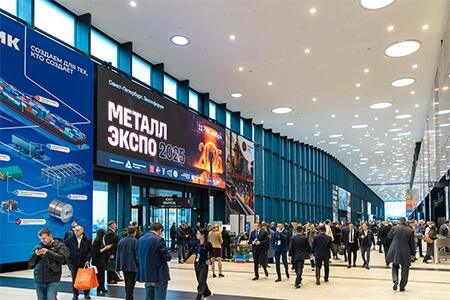
The 31st Russia International Metal and Metallurgy Industry Exhibition 2025 (Metal-Expo)

24

Apr

The 31st Russia International Metal and Metallurgy Industry Exhibition 2025 (Metal-Expo)

View More
Indian Delegation Visits Youbo, Signs Molybdenum Bar and Tungsten Alloy Procurement Agreement​​

24

Apr

Indian Delegation Visits Youbo, Signs Molybdenum Bar and Tungsten Alloy Procurement Agreement​​

View More
International Ferroalloys 2025

24

Apr

International Ferroalloys 2025

View More
The Grand Opening Of The 2025 China International Powder Metallurgy, Hard Alloy And Advanced Ceramics Exhibition

24

Apr

The Grand Opening Of The 2025 China International Powder Metallurgy, Hard Alloy And Advanced Ceramics Exhibition

View More

Get a Free Quote

Our representative will contact you soon.
Email
Name
Country/Region
Mobile/WhatsApp
Product Name
Message
0/1000

titanium round bar

Unmatched Corrosion Resistance for Extended Service Life

Unmatched Corrosion Resistance for Extended Service Life

The titanium round bar stands apart from conventional metal products through its extraordinary ability to resist corrosion in environments that rapidly destroy other materials. This corrosion resistance stems from titanium's natural formation of a stable, protective oxide layer that regenerates instantly when damaged, creating a self-healing barrier against chemical attack. When you install components made from titanium round bars in saltwater environments, chemical processing plants, or industrial facilities handling aggressive substances, you eliminate the recurring costs associated with corrosion-related failures and replacements. The material demonstrates exceptional resistance to chloride ions, which cause pitting and crevice corrosion in stainless steel and other common alloys, making it the superior choice for offshore platforms, desalination equipment, and marine hardware. Chemical manufacturers benefit significantly because titanium round bars withstand exposure to acids, alkalis, and organic compounds that would corrode steel, copper, or aluminum within months of operation. This chemical inertness allows you to design systems with longer inspection intervals, reduced downtime, and lower maintenance labor costs. The protective oxide film remains stable across a wide pH range, from highly acidic to strongly alkaline conditions, providing consistent performance regardless of process chemistry variations. Unlike coated materials where damage to the protective layer exposes vulnerable substrate metal, titanium round bars maintain corrosion resistance even when scratched, gouged, or mechanically abraded during installation or service. This inherent protection eliminates concerns about coating degradation, holiday detection, and recoating expenses that plague painted or plated components. The material's immunity to galvanic corrosion when coupled with dissimilar metals simplifies system design and reduces the need for expensive isolation measures. You gain operational flexibility because components fabricated from titanium round bars can handle process upsets, contamination events, and cleaning procedures involving harsh chemicals without material degradation. The long-term economic advantage becomes clear when you calculate total cost of ownership, factoring in extended service life, eliminated replacement cycles, reduced inventory requirements, and minimized unplanned shutdowns caused by corrosion failures.
Superior Strength-to-Weight Performance for Efficient Design

Superior Strength-to-Weight Performance for Efficient Design

Engineers and designers consistently choose titanium round bars when projects demand maximum strength with minimum weight, as this material delivers mechanical performance that fundamentally changes what's possible in structural design. The strength-to-weight ratio of titanium exceeds that of steel by approximately 40 percent, meaning you can achieve equivalent load-bearing capacity while reducing component mass significantly. This weight advantage creates cascading benefits throughout your entire system, from reduced foundation requirements to lower energy consumption during operation. Aerospace applications demonstrate the value proposition most clearly, where every kilogram of weight reduction in aircraft components translates to fuel savings, increased payload capacity, or extended range over the vehicle's operational lifetime. The titanium round bar enables manufacturers to produce landing gear components, engine mounts, and structural fittings that meet stringent safety requirements while contributing to overall weight reduction targets. Automotive racing teams exploit this strength-to-weight advantage to build faster, more responsive vehicles by replacing steel components with titanium alternatives in suspension systems, drive shafts, and engine internals. The material's high tensile strength, typically ranging from 240 to 1400 MPa depending on alloy grade and heat treatment, allows you to design components with smaller cross-sections and reduced material volume. You achieve better performance in rotating machinery because lighter components made from titanium round bars require less energy to accelerate, reduce bearing loads, and enable higher operating speeds. The material maintains its mechanical properties across temperature ranges where aluminum loses strength and steel becomes brittle, providing consistent performance in both cryogenic and elevated temperature applications. Fatigue resistance represents another critical advantage, as titanium round bars endure millions of stress cycles without crack initiation, making them ideal for components subjected to vibration, thermal cycling, or repeated loading. The combination of strength and low density proves particularly valuable in portable equipment, handheld tools, and wearable devices where user fatigue and ergonomics drive design decisions. You gain design freedom because the favorable strength-to-weight ratio allows creative solutions that would be impractical with heavier materials, such as longer unsupported spans, thinner wall sections, and more compact assemblies.
Exceptional Biocompatibility for Medical Applications

Exceptional Biocompatibility for Medical Applications

The titanium round bar has become the material of choice for medical device manufacturers and healthcare applications due to its unique biocompatibility characteristics that allow safe, long-term integration with human tissue. This biocompatibility means the material does not trigger adverse immune responses, allergic reactions, or toxic effects when implanted in the human body, making it suitable for permanent medical implants and surgical instruments. Orthopedic surgeons rely on components machined from titanium round bars for hip replacements, knee implants, spinal fusion devices, and bone fixation hardware because the material osseointegrates, meaning bone cells grow directly onto the titanium surface and form strong, stable attachments. This direct bone bonding eliminates the need for cement or other fixation methods, reduces healing time, and improves long-term implant stability. Dental professionals use titanium round bars to manufacture implant posts that replace missing tooth roots, capitalizing on the material's ability to fuse with jawbone and provide a permanent foundation for prosthetic teeth. The material's corrosion resistance proves critical in medical applications because implants must withstand the body's saline environment indefinitely without releasing metal ions that could cause tissue discoloration, inflammation, or systemic toxicity. You ensure patient safety because titanium round bars contain no nickel, cobalt, or other elements commonly associated with metal sensitivity and allergic reactions. The material's modulus of elasticity more closely matches that of human bone compared to stainless steel or cobalt-chromium alloys, reducing stress shielding effects that can lead to bone resorption and implant loosening. Surgical instrument manufacturers machine titanium round bars into specialized tools that offer superior strength and corrosion resistance while remaining lightweight to reduce surgeon fatigue during lengthy procedures. The non-magnetic property of titanium allows patients with implants made from these bars to safely undergo MRI examinations without image artifacts or implant heating concerns. Medical device designers appreciate how titanium round bars can be sterilized repeatedly using autoclaving, gamma radiation, or chemical methods without material degradation or property changes. The material's proven track record in medical applications, with millions of successful implants over decades of clinical use, provides regulatory approval advantages and reduces development risk for new medical devices.

Get a Free Quote

Our representative will contact you soon.
Email
Name
Country/Region
Mobile/WhatsApp
Product Name
Message
0/1000