Exceptional Temperature Performance for Extreme Environment Applications
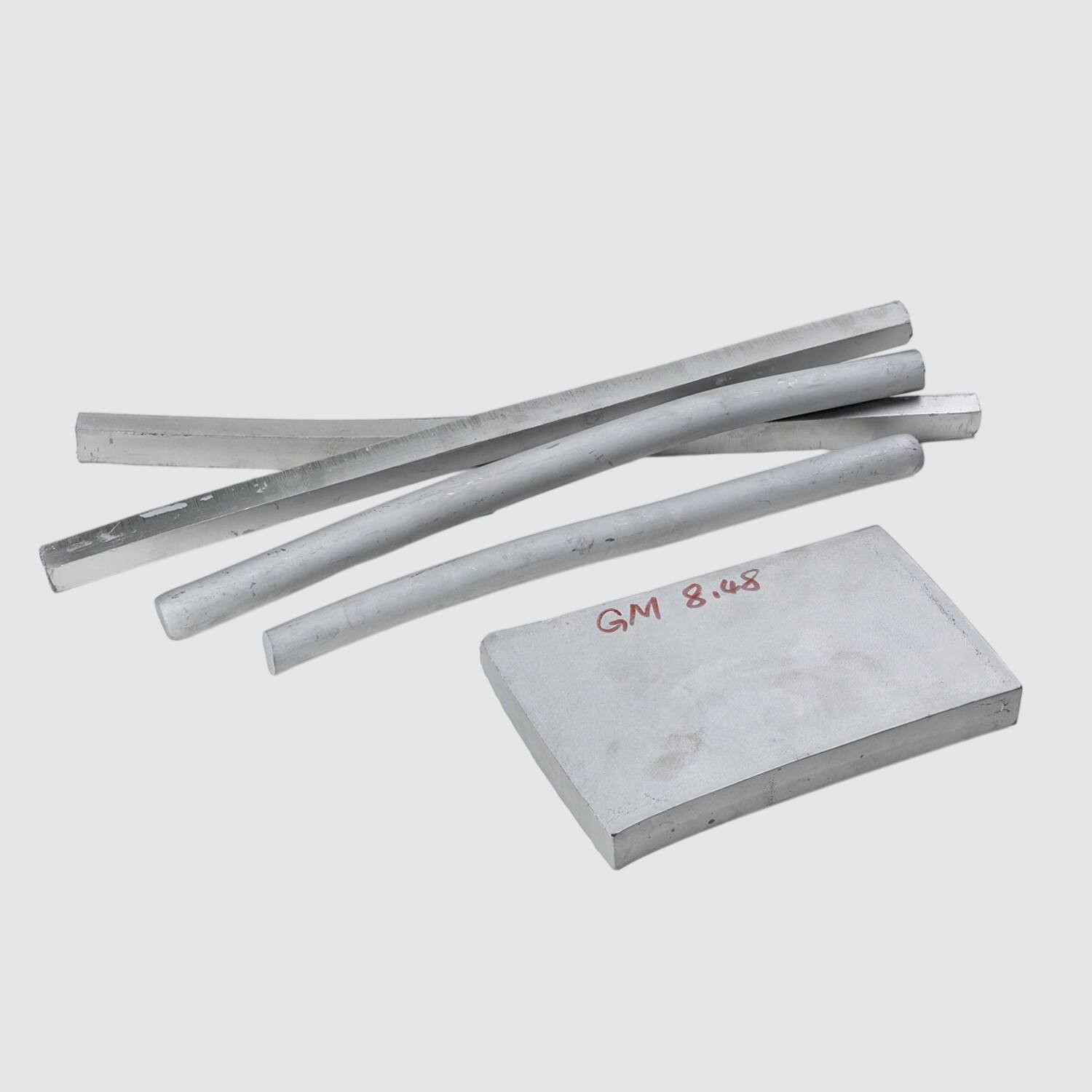
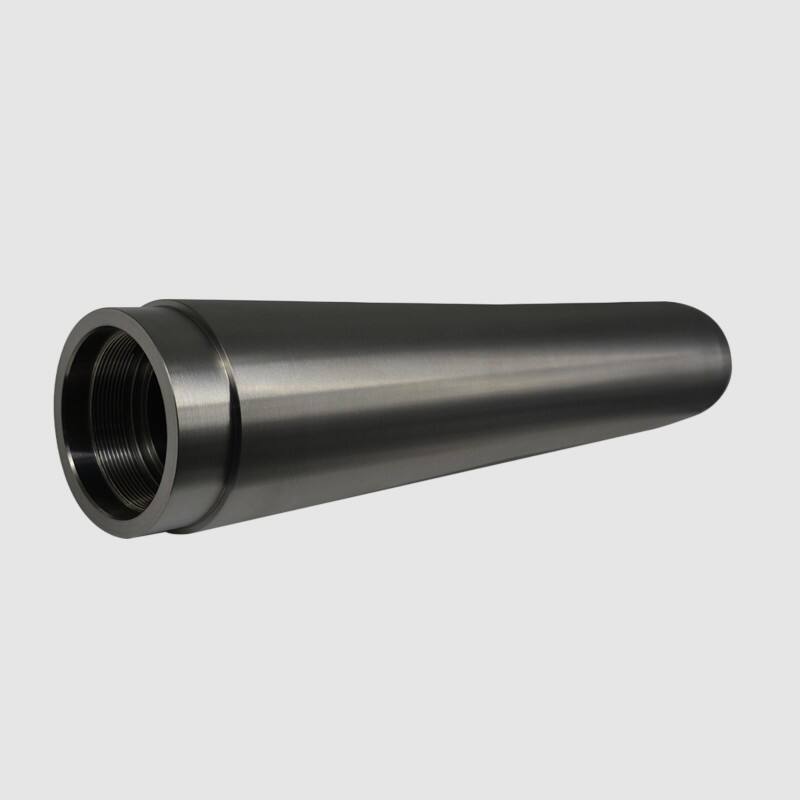
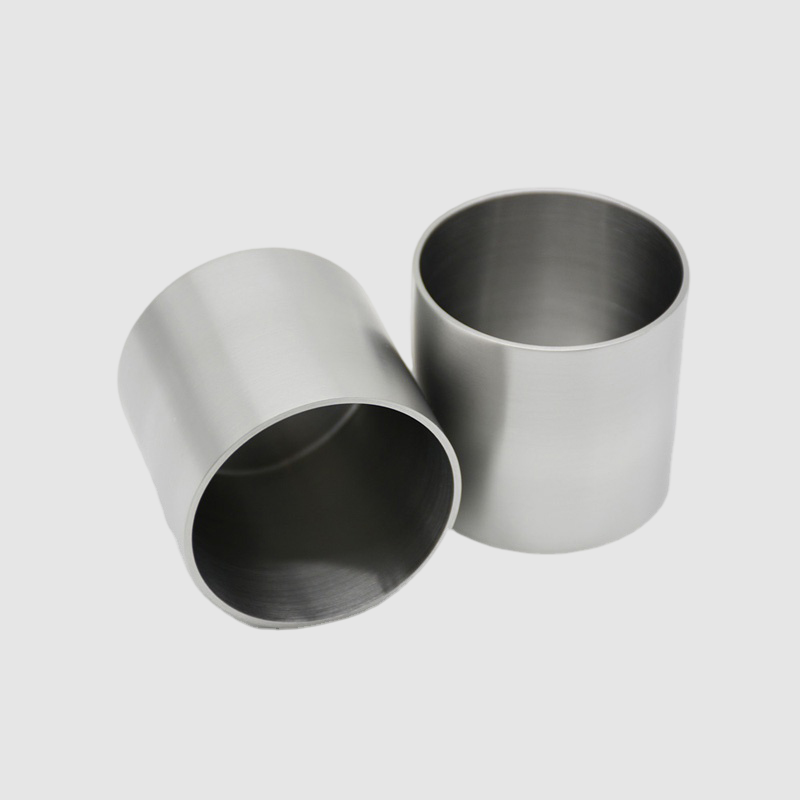
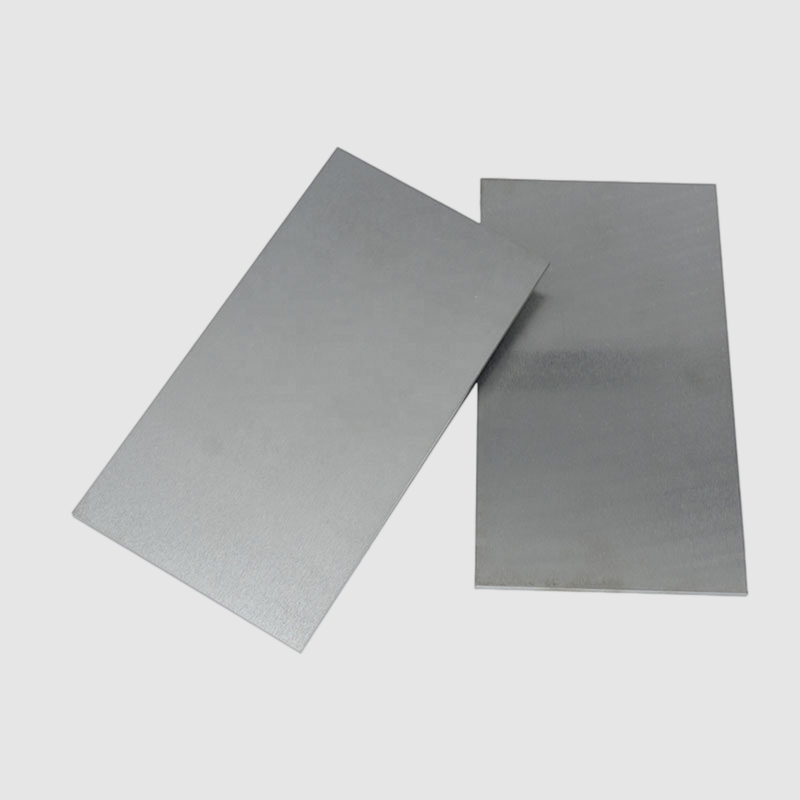
The temperature performance characteristics of a titanium bar enable reliable operation across an extraordinary range of thermal conditions, from cryogenic temperatures approaching absolute zero up to approximately 600 degrees Celsius, making it indispensable for applications where conventional materials fail. This thermal versatility stems from the crystalline structure of titanium and its stable oxide layer, which maintain integrity across temperature extremes that cause other metals to become brittle, lose strength, or oxidize rapidly. At cryogenic temperatures where many materials become dangerously brittle and prone to catastrophic failure, a titanium bar actually increases in strength while maintaining adequate ductility for safe operation. This property makes titanium bars essential for liquefied natural gas systems, rocket fuel handling equipment, and superconducting magnet structures. You can design components that operate reliably at temperatures where steel would shatter on impact and aluminum would lose most of its strength. The aerospace industry particularly values this low-temperature performance for space applications and high-altitude aircraft systems. At elevated temperatures, a titanium bar continues performing where aluminum has already melted and many steels have lost significant strength. Jet engine components, exhaust systems, and heat shields fabricated from titanium bars withstand temperatures that would cause rapid oxidation and strength degradation in other materials. The stable oxide layer prevents the rapid oxidation that destroys steel at high temperatures, eliminating the need for protective coatings that add weight, cost, and maintenance requirements. You gain components that maintain dimensional stability and mechanical properties throughout thermal cycling, avoiding the warping, creep, and fatigue failures that plague other materials in high-temperature service. The thermal expansion coefficient of a titanium bar falls between that of steel and aluminum, providing design advantages in applications involving dissimilar material joints or precise dimensional control across temperature variations. Components maintain tighter tolerances through temperature changes, reducing clearance issues, binding problems, and thermal stress concentrations. Chemical processing equipment benefits enormously from the temperature performance of titanium bars. Reactors, heat exchangers, and piping systems that handle hot corrosive fluids require materials that resist both chemical attack and thermal degradation simultaneously. A titanium bar meets both requirements, enabling process intensification through higher operating temperatures that improve reaction rates and efficiency. You can design more compact, efficient systems that operate at conditions impossible with conventional materials, improving productivity while reducing equipment size and capital costs.





 EN