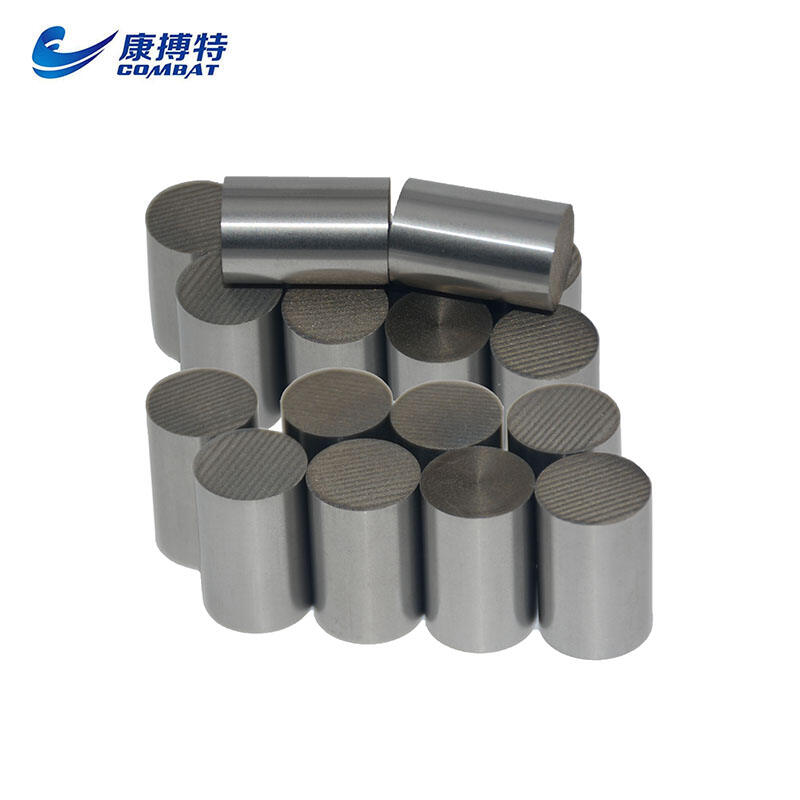
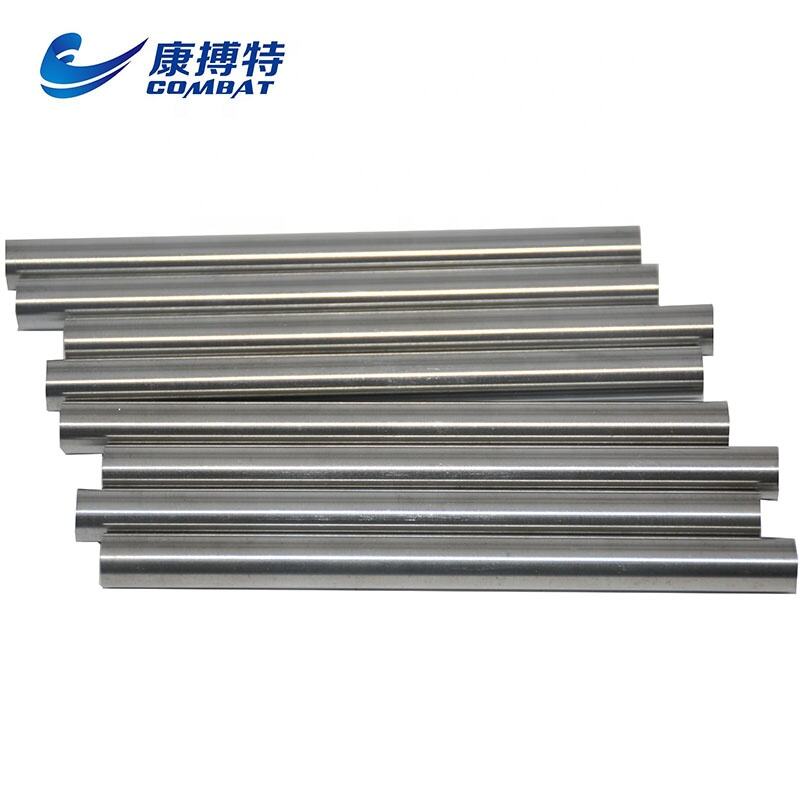
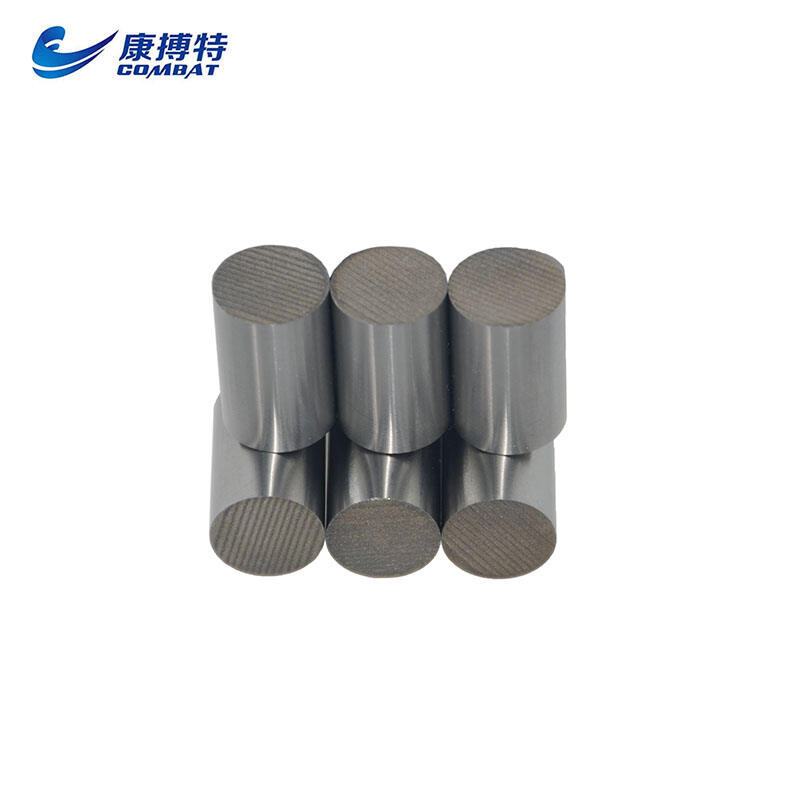
12mm Titanium Rod - High-Strength Corrosion-Resistant Metal Bar for Industrial and Medical Applications

Get a Free Quote

Our representative will contact you soon.
Email
Name
Country/Region
Mobile/WhatsApp
Product Name
Message
0/1000

12mm titanium rod

The 12mm titanium rod represents a precision-engineered metal component that delivers exceptional performance across demanding industrial and commercial applications. This cylindrical bar, measuring exactly 12 millimeters in diameter, combines the inherent properties of titanium with carefully controlled manufacturing processes to create a versatile material solution. Titanium rods of this specification serve critical roles in aerospace engineering, medical device manufacturing, chemical processing equipment, marine hardware, and high-performance sporting goods. The 12mm diameter strikes an optimal balance between structural strength and weight efficiency, making it suitable for applications requiring both durability and portability. Manufacturing processes for these rods typically involve vacuum arc remelting or electron beam melting, ensuring material purity and consistent mechanical properties throughout the entire length. The 12mm titanium rod exhibits remarkable corrosion resistance, withstanding exposure to saltwater, acidic environments, and oxidizing conditions that would rapidly degrade conventional steel alternatives. Temperature stability remains consistent across a wide operational range, from cryogenic conditions to elevated temperatures exceeding 400 degrees Celsius. The material maintains its structural integrity under cyclic loading conditions, demonstrating superior fatigue resistance compared to aluminum or stainless steel equivalents. Surface finishes range from mill finish to polished or anodized treatments, depending on specific application requirements. The biocompatibility of titanium makes the 12mm rod particularly valuable in surgical implants, prosthetic components, and medical instrumentation where human tissue contact occurs. Machinability characteristics allow for threading, drilling, milling, and turning operations, though specialized tooling and cutting parameters optimize results. The 12mm titanium rod accommodates welding through TIG or plasma arc processes, enabling fabrication of complex assemblies. Material certifications and traceability documentation accompany commercial-grade products, ensuring compliance with industry standards and quality specifications for critical applications.

New Products

Choosing a 12mm titanium rod delivers tangible benefits that directly impact project outcomes and long-term performance. The weight advantage stands out immediately - titanium weighs approximately 45 percent less than steel while maintaining comparable strength levels, reducing overall system weight without compromising structural requirements. This weight reduction translates to fuel savings in aerospace applications, easier handling during installation, and reduced fatigue for operators working with handheld tools or equipment. The corrosion resistance eliminates the need for protective coatings, galvanizing, or regular maintenance treatments that add cost and complexity to steel components. A 12mm titanium rod exposed to marine environments or chemical processing facilities maintains its dimensional accuracy and surface integrity for decades, while steel alternatives require replacement within months or years. The strength-to-weight ratio enables designers to use smaller cross-sections, creating more compact assemblies and freeing up valuable space in weight-sensitive or space-constrained applications. Biocompatibility opens opportunities in medical markets where material compatibility with human tissue is non-negotiable, eliminating concerns about allergic reactions or tissue rejection that plague some metal alternatives. The 12mm titanium rod withstands temperature extremes without losing mechanical properties, performing reliably in both arctic conditions and high-heat environments where dimensional stability matters. Fatigue resistance extends service life in applications involving repeated stress cycles, reducing replacement frequency and minimizing downtime for maintenance. The non-magnetic properties prove essential in electronic equipment, scientific instruments, and medical imaging devices where magnetic interference disrupts functionality. Titanium's low thermal expansion coefficient maintains tight tolerances across temperature variations, critical for precision instruments and measurement devices. The material resists stress corrosion cracking, a failure mode that affects high-strength steels in chloride environments, providing reliability in offshore platforms, desalination plants, and coastal infrastructure. Processing versatility allows the 12mm titanium rod to be formed, machined, welded, and finished using established metalworking techniques, integrating smoothly into existing manufacturing workflows. The aesthetic appeal of titanium, with its distinctive gray color and ability to accept various surface treatments, adds visual value in consumer products and architectural applications. Environmental sustainability benefits emerge from titanium's longevity and recyclability, reducing material consumption over product lifecycles and supporting circular economy initiatives.

Tips And Tricks

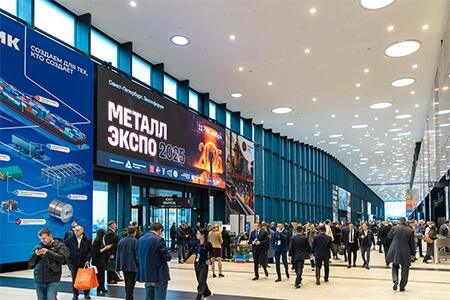
The 31st Russia International Metal and Metallurgy Industry Exhibition 2025 (Metal-Expo)

24

Apr

The 31st Russia International Metal and Metallurgy Industry Exhibition 2025 (Metal-Expo)

View More
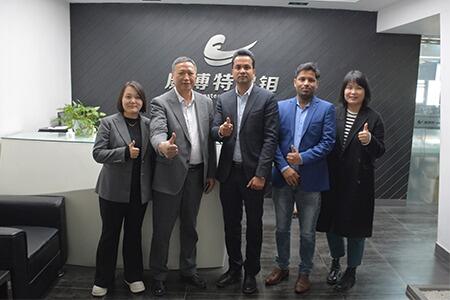
Indian Delegation Visits Youbo, Signs Molybdenum Bar and Tungsten Alloy Procurement Agreement​​

24

Apr

Indian Delegation Visits Youbo, Signs Molybdenum Bar and Tungsten Alloy Procurement Agreement​​

View More
The Grand Opening Of The 2025 China International Powder Metallurgy, Hard Alloy And Advanced Ceramics Exhibition

24

Apr

The Grand Opening Of The 2025 China International Powder Metallurgy, Hard Alloy And Advanced Ceramics Exhibition

View More
Luoyang Combat Tungsten & Molybdenum Materials Co., Ltd. Shines at Asia Ferroalloys 2025 Conference to Forge Global Collaboration Opportunities

24

Apr

Luoyang Combat Tungsten & Molybdenum Materials Co., Ltd. Shines at Asia Ferroalloys 2025 Conference to Forge Global Collaboration Opportunities

View More

Get a Free Quote

Our representative will contact you soon.
Email
Name
Country/Region
Mobile/WhatsApp
Product Name
Message
0/1000

12mm titanium rod

Unmatched Corrosion Resistance for Harsh Environments

Unmatched Corrosion Resistance for Harsh Environments

The 12mm titanium rod excels in environments where corrosion destroys conventional materials, delivering decades of reliable service without degradation. This corrosion resistance stems from titanium's natural ability to form a stable, protective oxide layer on its surface when exposed to oxygen. This passive film regenerates instantly if damaged, providing continuous protection against chemical attack, saltwater exposure, and atmospheric corrosion. In marine applications, the 12mm titanium rod outperforms stainless steel by resisting pitting, crevice corrosion, and stress corrosion cracking in seawater environments. Offshore oil platforms, desalination equipment, and ship components benefit from this durability, eliminating costly replacements and reducing maintenance schedules. Chemical processing facilities utilize these rods in pumps, valves, and reactor components where exposure to acids, bases, and oxidizing chemicals occurs continuously. The material withstands hydrochloric acid, sulfuric acid, and chlorine compounds that rapidly attack steel and even high-grade stainless alloys. This chemical stability extends equipment lifespan from months to decades, dramatically reducing total cost of ownership despite higher initial material costs. The 12mm titanium rod maintains its corrosion resistance across temperature ranges, performing equally well in cryogenic liquefied gas systems and elevated-temperature chemical reactors. Coastal infrastructure applications leverage this property in bridges, railings, and structural supports where salt spray and humidity create aggressive corrosive conditions. The absence of rust or corrosion products means the rod maintains its dimensional accuracy and surface finish throughout its service life, critical for precision assemblies and sealing surfaces. Environmental monitoring equipment, water treatment systems, and pollution control devices rely on titanium's inertness to prevent contamination of samples or processed materials. The 12mm diameter provides sufficient cross-sectional area for structural applications while remaining manageable for installation and fabrication operations.
Superior Strength-to-Weight Ratio for Performance Applications

Superior Strength-to-Weight Ratio for Performance Applications

The 12mm titanium rod achieves an exceptional strength-to-weight ratio that transforms design possibilities across multiple industries. With a density of approximately 4.5 grams per cubic centimeter compared to steel's 7.8 grams per cubic centimeter, titanium delivers equivalent strength at nearly half the weight. This fundamental advantage enables engineers to reduce system weight by 40 to 50 percent when substituting titanium rods for steel components of similar strength. Aerospace applications capitalize on this property extensively, using 12mm titanium rods in landing gear components, control linkages, and structural elements where every gram of weight reduction improves fuel efficiency and payload capacity. A commercial aircraft incorporating titanium components saves thousands of kilograms over its airframe, translating to reduced fuel consumption and lower operating costs over decades of service. Racing vehicles and high-performance automobiles employ these rods in suspension systems, drive shafts, and chassis components, improving acceleration, handling, and braking performance through reduced unsprung weight and rotational mass. The 12mm titanium rod enables athletes and sporting goods manufacturers to create lighter equipment without sacrificing durability - bicycle frames, golf club shafts, and climbing equipment benefit from weight reduction that enhances user performance and reduces fatigue. Medical device manufacturers leverage the strength-to-weight advantage in surgical instruments, allowing surgeons to work with precision tools for extended procedures without hand fatigue. Prosthetic limbs and orthopedic implants made with titanium rods provide strength comparable to bone while minimizing the burden on patients. Robotics and automation systems utilize lightweight titanium components to reduce actuator requirements and improve response times, enabling faster cycle times and more efficient operations. The material's high tensile strength, typically ranging from 240 to 1400 megapascals depending on alloy grade and heat treatment, supports substantial loads despite the reduced cross-section. This strength persists across temperature ranges, maintaining load-bearing capacity in both cryogenic and elevated-temperature applications where other lightweight materials fail.
Exceptional Biocompatibility for Medical Applications

Exceptional Biocompatibility for Medical Applications

The 12mm titanium rod demonstrates outstanding biocompatibility that makes it the material of choice for medical implants and surgical devices requiring direct contact with human tissue. Titanium's unique surface chemistry creates an oxide layer that integrates seamlessly with bone and soft tissue, promoting osseointegration in orthopedic and dental applications. This biological acceptance occurs because the body recognizes titanium's passive oxide surface as inert, triggering minimal immune response or foreign body reaction. Orthopedic surgeons rely on 12mm titanium rods for intramedullary nails used in fracture fixation, where the rod is inserted into the medullary canal of long bones to stabilize fractures during healing. The material's modulus of elasticity, closer to bone than steel or cobalt-chromium alloys, reduces stress shielding effects that can lead to bone resorption around implants. Spinal fusion procedures utilize titanium rods to provide structural support while vertebrae fuse, with the material remaining permanently implanted without causing adverse tissue reactions. The 12mm diameter suits pediatric and smaller adult patients, offering appropriate strength for growing bones and lighter body frames. Dental implant systems incorporate titanium rods as abutments and posts, achieving success rates exceeding 95 percent due to reliable bone integration and long-term stability. The material resists corrosion from bodily fluids, maintaining structural integrity and preventing release of metal ions that could cause systemic toxicity or local tissue irritation. Surgical instrument manufacturers machine 12mm titanium rods into specialized tools, retractors, and guides that can be repeatedly sterilized without degradation. The non-magnetic properties prove essential for patients requiring MRI scans after implant placement, as titanium creates minimal imaging artifacts compared to stainless steel alternatives. Cardiovascular applications include guide wires and catheter components where biocompatibility, flexibility, and corrosion resistance combine to ensure patient safety. The material's ability to be anodized creates colored surfaces for instrument identification while maintaining biocompatibility and sterilization compatibility.

Get a Free Quote

Our representative will contact you soon.
Email
Name
Country/Region
Mobile/WhatsApp
Product Name
Message
0/1000