Production Technology & Machining Capacity (Q5–Q8),Custom Specifications & Sample Services (Q9–Q12),Qualifications, Quality Inspection & Compliance Standards (Q13–Q16),Quotation, Lead Time, Delivery & Logistics (Q17–Q20),Operation Maintenance & After-Sales Service (Q21–Q24)
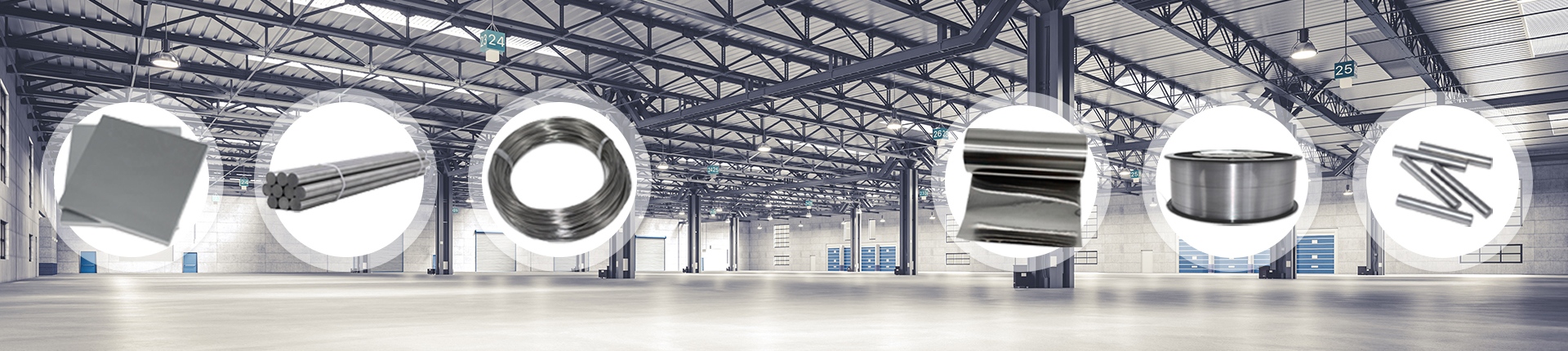
A: We specialize in five major rare refractory metal products: tungsten, molybdenum, titanium, tantalum and niobium. Carbon steel, ordinary structural steel and other non-target metals are not within our business scope. Full product portfolio is listed as below, available in pure metal and alloy grades for scientific research, industrial mass production and export: ① Tungsten products: high-purity tungsten plates, tungsten rods, tungsten wires, tungsten crucibles, tungsten boats, tungsten electrodes, tungsten heat shields, tungsten alloy sputtering targets ② Molybdenum products: high-purity molybdenum plates, molybdenum rods, molybdenum boats, molybdenum crucibles, TZM molybdenum alloy, molybdenum heat shields, molybdenum fasteners ③ Titanium products: TA1/TA2 pure titanium, TC4 titanium alloy plates & rods, titanium flanges, titanium heat exchangers, custom anti-corrosion titanium special-shaped parts ④ Tantalum products: pure tantalum plates, tantalum wires, tantalum crucibles, Ta2.5W/Ta10W tantalum-tungsten alloys, electrolytic tantalum fittings ⑤ Niobium products: high-purity niobium plates, niobium rods, niobium wires, custom niobium alloy machined parts, superconducting niobium components
A: Material properties and selection guidelines: ① Tungsten: melting point at 3410°C, high hardness, superior high-temperature resistance and wear resistance; applicable to vacuum high-temperature furnaces operating above 2000°C, electrodes and sintering dies ② Molybdenum: excellent thermal conductivity and easy machinability; suitable for high-temperature kilns (1600–2200°C), photovoltaic metallurgy and sintering carrier components ③ Titanium: low density, high specific strength, outstanding acid & alkali corrosion resistance; applied in chemical industry, marine engineering, medical implants and new energy structural parts ④ Tantalum: exceptional resistance to strong acid corrosion and excellent biocompatibility; ideal for pharmaceutical & chemical equipment, electrolytic devices and high-end implantable medical devices ⑤ Niobium: superior ductility and low-temperature superconductivity; used in nuclear power, aerospace, vacuum coating and superconducting components
A: Pure metals for general working conditions; alloys for harsh service environments: Pure tungsten/molybdenum/titanium/tantalum/niobium: high purity, good ductility and convenient weldability; fit for standard vacuum environments and mild corrosion conditions Alloy grades for severe service: TZM molybdenum alloy: excellent high-temperature creep resistance, for long-term high-temperature load-bearing applications Ta2.5W/Ta10W tantalum-tungsten alloys: superior thermal shock resistance, for combined high-temperature and strong acid environments TC4 titanium alloy: remarkably enhanced tensile strength, for aerospace and mechanically loaded structural components Alloys are prioritized for high-temperature, severe corrosion and heavy-load service conditions.
A: Hierarchical purity standards: industrial grade 3N (99.9%), high-end industrial grade 3N5 (99.95%), scientific research & semiconductor grade 4N (99.99%), ultra-high-purity grade 5N (99.999%). Tungsten and molybdenum: stable mass production up to 5N ultra-high purity Titanium, tantalum and niobium: maximum purity of 4N5 GDMS official impurity test reports can be provided for all purity grades.
A: Integrated processes including vacuum powder metallurgy, electron beam melting, rolling and forging are adopted, with full vacuum production to strictly control impurity content. Supporting deep processing technologies include CNC precision carving, laser cutting, micro-hole machining, vacuum welding and mirror polishing. Standard machining tolerance: ±0.05 mm High-precision custom tolerance: ±0.01 mm Thin sheets, fine wires, micro-hole and complex special-shaped precision workpieces are available.
A: Custom vacuum welding, high-temperature modification and used part repair services are available. Exclusive vacuum argon arc welding technology is adopted to solve the brittleness and cracking problems of tungsten and molybdenum, delivering pore-free and crack-free finished products. Custom integrated large tungsten crucibles, spliced molybdenum heat shields and special-shaped tantalum & niobium cavities can be manufactured for single crystal furnaces and vacuum sintering furnaces
A: Acid pickling & matte finish: remove surface oxide scale; cost-effective for high-temperature furnace consumables Mirror polishing: reduce surface crystallization; for semiconductor coating and vacuum cavity components Anodizing: upgrade acid & alkali resistance of titanium; for chemical anti-corrosion applications Anti-oxidation infiltration treatment: improve high-temperature oxidation resistance of tungsten and molybdenum, extending service life under atmospheric conditions All surface treatment processes can be customized as required.
A: Tungsten and molybdenum belong to brittle refractory metals. We adopt staged temperature-controlled annealing and stress relief processes. 100% visual inspection and full dimensional inspection are conducted before delivery to eliminate edge chipping, cracks and interlayers on standard plates and rods. Ultrasonic non-destructive testing is additionally performed on high-precision load-bearing parts to reduce fracture risks under long-term thermal cycling.
A: All products support drawing-based and sample-based non-standard customization, including special-shaped crucibles, electrodes, gaskets and micro-hole fittings. Standard spot goods: cutting available with no minimum order limit Regular custom small parts: no minimum order threshold 5N ultra-high-purity products and large integrated forged parts: minimum tonnage order required Free process evaluation and lead time estimation are offered.
A: Thin sheets and rod samples of standard 3N/3N5 tungsten, molybdenum, titanium, tantalum and niobium are provided free of charge; customers only bear logistics freight. Cost fees apply for 4N/5N ultra-high-purity samples, alloy finished products and precision-machined special-shaped samples. Submit material and dimension requirements via official website message, customer service hotline or corporate WeChat; samples will be arranged for delivery within 24 hours after confirmation.
A: Fully compatible with CAD, DXF, UG, SolidWorks and STEP drawing formats. If customers have no drawings, physical samples can be submitted for free 3D scanning, mapping and reverse modeling, together with optimized process proposals. Structural weak points prone to machining damage for tungsten and molybdenum will be pre-optimized to guarantee finished product yield.
A: Yes. Grain microstructure, alloy ratio and annealing processes can be adjusted to customize hardness, high-temperature creep resistance and acid-alkali tolerance. Customized products such as high-toughness molybdenum, hydrofluoric acid resistant tantalum and lightweight high-strength titanium are available, with exclusive physical & chemical test reports attached upon completion.
A: Products comply with Chinese national GB/T standards for rare metals. Meanwhile, they can meet special standards of ASTM (US), EN (EU) and JIS (Japan) for tungsten, molybdenum, titanium, tantalum and niobium. We hold complete environmental assessment, production and import & export filing qualifications for rare metal smelting and processing. Overseas orders for scientific research, chemical and photovoltaic industries are acceptable for international project bidding.
A: Standard documents per batch: factory certificate, material certificate, chemical composition test report and mechanical property report. Supplementary documents for high-precision & ultra-high-purity products: GDMS full-element impurity report, ultrasonic flaw detection report, salt spray corrosion resistance test report and grain inspection report. Certificates of origin, customs declaration documents and third-party inspection certificates can be provided for export orders.
A: Third-party sampling inspection by SGS, China Nonferrous Metals Test Center and other authorized institutions is supported. If purity, dimension, performance or material grade fails to comply with contractual agreements, free return & replacement will be arranged with all round-trip logistics and testing costs covered by our company; qualified replacement goods will be expedited for delivery.
A: Medical implant-grade titanium, medical-grade tantalum, nuclear power-specific niobium and semiconductor ultra-high-purity tungsten & molybdenum products are available. We hold complete qualifications including biocompatibility testing for medical use, compliance filing for nuclear power special metals and dust-free production certification for semiconductors. Special compliance documents can be issued for special-sector materials, directly applicable to Class II medical devices, nuclear power supporting facilities and semiconductor coating production lines.
A: Quotations are determined by five key factors: international metal futures price, purity grade, machining precision, material loss and process complexity. Standard spot goods quotation valid for 3 working days Custom processing quotation valid for 7 working days Tiered fixed unit prices can be locked for large-volume long-term cooperation to avoid price fluctuations of rare metals.
A: Standard plates, rods and wires in stock: shipped within 48 hours Regular precision custom parts: 3–7 working days Vacuum smelted high-purity materials, large integrated forgings and complex special-shaped parts: 10–20 working days Expedited production line available for rush orders to cut lead time by 30%.
A: All precious metal products adopt exclusive shockproof & anti-oxidation vacuum packaging, with wooden reinforcement for large parts. Full logistics insurance is covered for full-payment orders via exclusive dedicated rare metal transport with full logistics traceability. Domestic land and air transportation are optional; sea freight, air freight and FOB port delivery are supported for exports.
A: Tiered discounted pricing is offered for bulk purchasing as direct factory supply without intermediate distributors. Monthly payment and credit terms are negotiable for long-term cooperative factories, research institutes and listed enterprises. Customized project stock preparation and batch delivery schemes are available for regular production line material inventory supply.
A: Tungsten and molybdenum oxidize and peel severely above 400°C under atmospheric conditions; vacuum or inert gas environments are recommended for high-temperature service Brittle materials shall not be struck, dropped or forcibly bent Avoid contact with strong alkalis and molten alkaline metals Seal and store products in dry environments after shutdown to prevent oxidation Professional technical guidance on operation and maintenance is provided by our team.
A: Free rework or full remanufacturing for machining defects not caused by customer drawing errors. One-on-one free online technical guidance by engineers for on-site assembly matching issues; on-site technical support can be scheduled for large workpieces.
A: For bulk projects, newly built high-temperature furnaces and chemical anti-corrosion projects, our rare metal process engineers can conduct free on-site working condition survey to match materials, specifications and surface processes, optimize material costs and avoid losses from improper material selection
A: Standard finished products: 12-month warranty Precision custom machined products: 18-month warranty Warranty coverage includes native material cracking, substandard purity and factory machining defects. Damage caused by artificial collision, excessive corrosive working conditions or unauthorized modification is not covered under warranty; repair service at cost price is available for such cases.

 EN
EN