Premium Round Bar Titanium: Lightweight, Corrosion-Resistant Metal Bars for Aerospace, Medical & Industrial Applications

Get a Free Quote

Our representative will contact you soon.
Email
Name
Country/Region
Mobile/WhatsApp
Product Name
Message
0/1000

round bar titanium

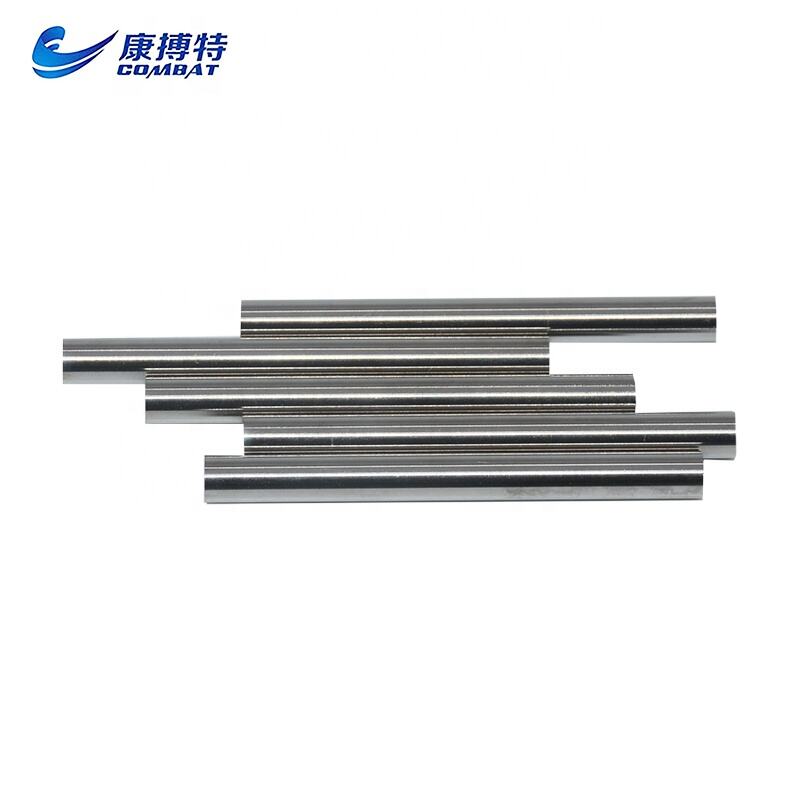
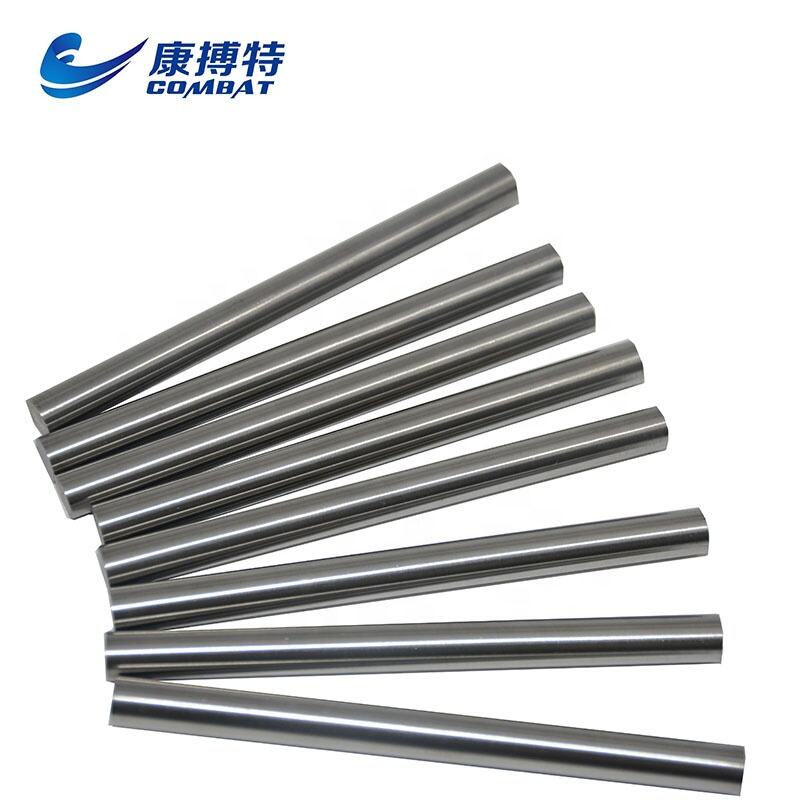
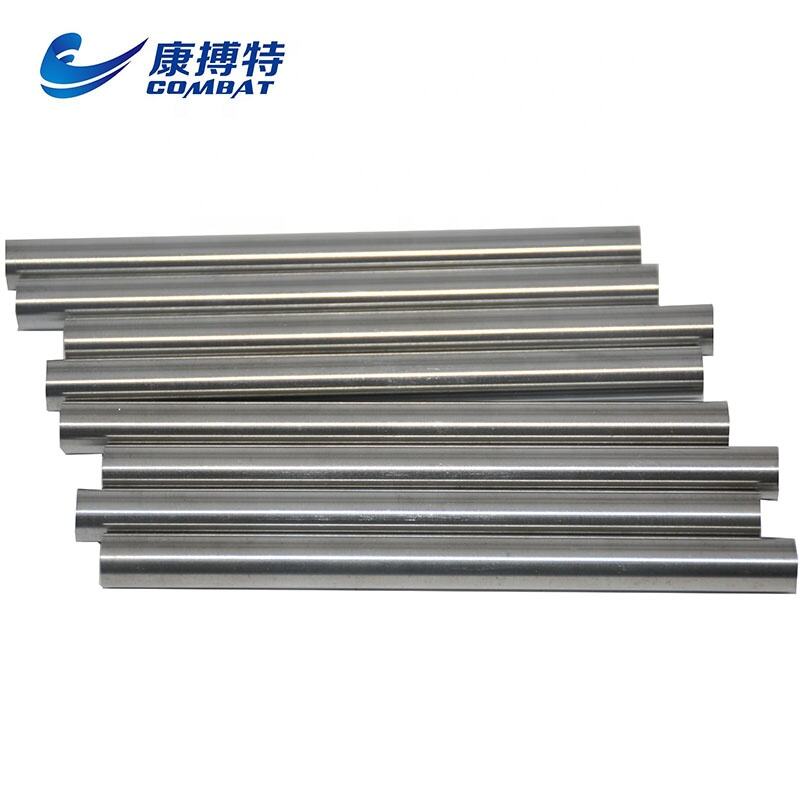
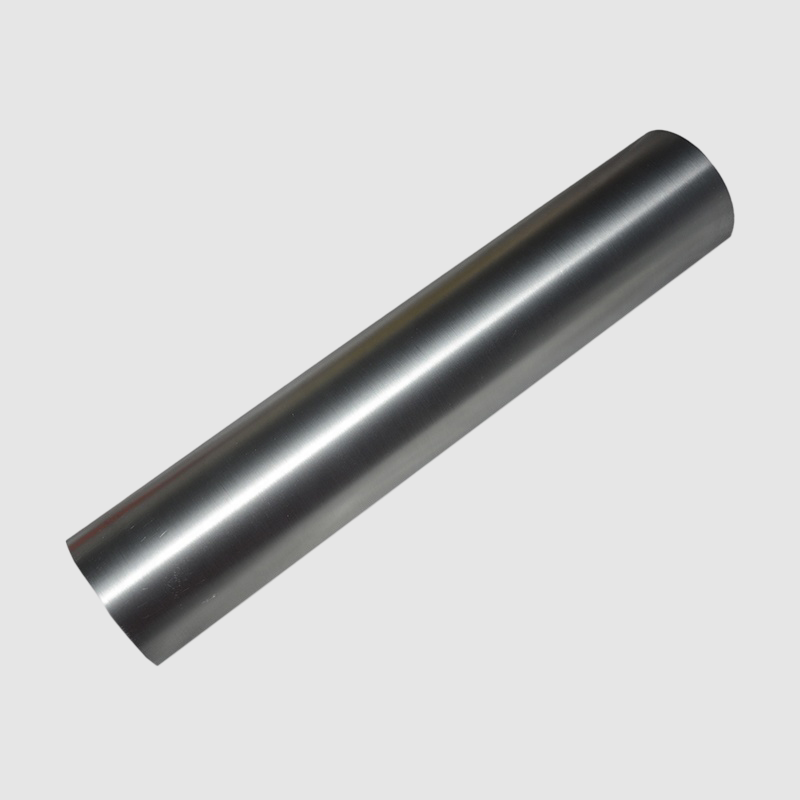
Round bar titanium represents a cylindrical metal product manufactured from pure titanium or titanium alloys, engineered to deliver exceptional performance across demanding industrial applications. This versatile material combines the inherent properties of titanium with precise geometric specifications, creating a product that serves as a fundamental component in aerospace engineering, medical device manufacturing, chemical processing equipment, and marine construction. The manufacturing process involves careful selection of titanium grades, followed by hot working, cold drawing, or machining operations that produce bars with diameters ranging from small precision rods to large structural elements. Round bar titanium maintains consistent cross-sectional geometry throughout its length, ensuring predictable mechanical behavior and simplified integration into complex assemblies. The material exhibits remarkable strength-to-weight ratios that surpass conventional steel products while maintaining significantly lower density, making it an ideal choice for weight-sensitive applications. Corrosion resistance stands as a defining characteristic, with round bar titanium forming a stable passive oxide layer that protects against aggressive chemicals, saltwater environments, and high-temperature oxidation. This protective mechanism operates automatically and regenerates when damaged, providing long-term durability without requiring protective coatings or frequent maintenance interventions. Temperature stability allows round bar titanium to maintain structural integrity across extreme thermal ranges, from cryogenic conditions approaching absolute zero to elevated temperatures exceeding 600 degrees Celsius in certain alloy compositions. Biocompatibility makes this material particularly valuable for surgical implants and medical instruments, as human tissue accepts titanium without adverse reactions or rejection responses. The non-magnetic properties of round bar titanium prove essential in sensitive electronic environments and medical imaging equipment where magnetic interference could compromise functionality. Machinability characteristics vary depending on alloy composition and heat treatment, with manufacturers offering various grades optimized for different fabrication methods including turning, milling, drilling, and threading operations.

Popular Products

Choosing round bar titanium delivers tangible benefits that directly impact project success and long-term operational costs. The weight savings achieved through titanium implementation can reduce fuel consumption in transportation applications, lower structural loads in building projects, and improve handling efficiency in manufacturing processes. A component made from round bar titanium typically weighs 45 percent less than an equivalent steel part while maintaining comparable or superior strength, translating to immediate performance gains in aerospace vehicles, racing equipment, and portable machinery. The corrosion resistance eliminates the recurring expenses associated with protective coatings, surface treatments, and premature replacement of corroded components. Industries operating in marine environments, chemical plants, or outdoor installations find that round bar titanium components often outlast alternative materials by decades, with some installations demonstrating functional integrity after 50 years of continuous service. This longevity reduces lifecycle costs substantially when total ownership expenses are calculated over extended operational periods. The material requires minimal maintenance compared to steel or aluminum alternatives, as the self-healing oxide layer prevents progressive deterioration that typically necessitates inspection schedules and preventive interventions. Fabricators appreciate the design flexibility that round bar titanium provides, enabling engineers to specify thinner cross-sections and more compact geometries without compromising safety margins or structural requirements. This design freedom often results in more elegant solutions that consume less material, occupy reduced space, and deliver improved aesthetic appeal. The high strength characteristics allow round bar titanium to withstand substantial mechanical loads, impact forces, and fatigue cycles without permanent deformation or failure. Components subjected to repetitive stress patterns demonstrate excellent fatigue resistance, making this material suitable for rotating machinery, reciprocating mechanisms, and vibration-prone installations. Temperature performance ensures consistent behavior across seasonal variations and process fluctuations, eliminating concerns about thermal expansion mismatches or strength degradation during temperature excursions. The biocompatibility advantage extends beyond medical applications, as food processing equipment and pharmaceutical manufacturing systems benefit from the non-reactive surface that prevents contamination and maintains product purity. Environmental sustainability represents an increasingly important consideration, with round bar titanium offering complete recyclability without property degradation, supporting circular economy initiatives and reducing environmental impact throughout the material lifecycle.

Tips And Tricks

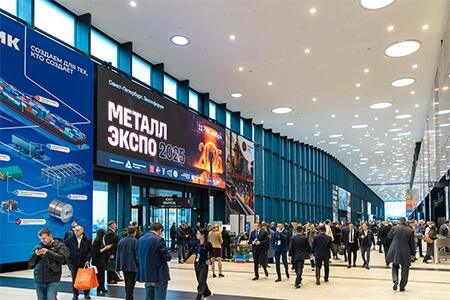
The 31st Russia International Metal and Metallurgy Industry Exhibition 2025 (Metal-Expo)

24

Apr

The 31st Russia International Metal and Metallurgy Industry Exhibition 2025 (Metal-Expo)

View More
Indian Delegation Visits Youbo, Signs Molybdenum Bar and Tungsten Alloy Procurement Agreement​​

24

Apr

Indian Delegation Visits Youbo, Signs Molybdenum Bar and Tungsten Alloy Procurement Agreement​​

View More
International Ferroalloys 2025

24

Apr

International Ferroalloys 2025

View More
Luoyang Combat Tungsten & Molybdenum Materials Co., Ltd. Shines at Asia Ferroalloys 2025 Conference to Forge Global Collaboration Opportunities

24

Apr

Luoyang Combat Tungsten & Molybdenum Materials Co., Ltd. Shines at Asia Ferroalloys 2025 Conference to Forge Global Collaboration Opportunities

View More

Get a Free Quote

Our representative will contact you soon.
Email
Name
Country/Region
Mobile/WhatsApp
Product Name
Message
0/1000

round bar titanium

Unmatched Corrosion Resistance for Harsh Environments

Unmatched Corrosion Resistance for Harsh Environments

The corrosion resistance of round bar titanium stands as its most celebrated attribute, providing unparalleled protection against chemical attack, environmental degradation, and electrochemical processes that rapidly destroy conventional metals. This resistance stems from the instantaneous formation of a titanium dioxide layer on exposed surfaces, creating a barrier just nanometers thick yet remarkably effective at preventing further oxidation or chemical interaction. Unlike protective coatings applied to steel or aluminum, this oxide layer forms naturally through reaction with atmospheric oxygen and regenerates automatically if scratched or abraded, ensuring continuous protection throughout the component's service life. The passive film remains stable across pH ranges from highly acidic to strongly alkaline conditions, making round bar titanium suitable for chemical processing equipment handling sulfuric acid, hydrochloric acid, nitric acid, and caustic solutions that would rapidly corrode stainless steel. Marine applications benefit enormously from this characteristic, as saltwater environments that cause devastating corrosion in steel structures have virtually no effect on round bar titanium components. Offshore platforms, desalination plants, submarine components, and coastal infrastructure utilize this material to achieve maintenance-free operation in conditions where alternative materials require constant monitoring and frequent replacement. The economic implications become apparent when comparing lifecycle costs, as the higher initial investment in round bar titanium typically achieves payback within several years through eliminated maintenance expenses, extended service intervals, and avoided downtime costs. Industrial facilities processing chlorine compounds, bromine solutions, or other halogen-containing chemicals find that round bar titanium provides the only practical solution for certain applications where even exotic alloys fail prematurely. The material demonstrates exceptional resistance to stress corrosion cracking, a failure mode that affects many high-strength alloys when exposed to tensile loads in corrosive environments, ensuring reliable performance in structural applications where safety cannot be compromised. Pitting corrosion and crevice corrosion, common failure mechanisms in stainless steel components, occur rarely in round bar titanium installations, even in stagnant or low-flow conditions where aggressive ions concentrate. This comprehensive corrosion resistance translates to predictable performance, simplified design calculations, and confident specification in applications where material failure could result in catastrophic consequences or environmental releases.
Superior Strength-to-Weight Ratio Enabling Advanced Engineering

Superior Strength-to-Weight Ratio Enabling Advanced Engineering

Round bar titanium delivers a strength-to-weight ratio that fundamentally changes engineering possibilities, enabling designs that were previously impossible or impractical with conventional materials. This characteristic arises from titanium's unique combination of high tensile strength and low density, creating a material that provides structural capability comparable to steel while weighing approximately 45 percent less. Aerospace engineers exploit this advantage extensively, using round bar titanium for landing gear components, engine mounts, fasteners, and structural elements where every kilogram saved translates to increased payload capacity, extended range, or improved fuel efficiency. Commercial aircraft incorporating titanium components can carry additional passengers or cargo over longer distances, directly improving operational economics and competitive positioning. Military aviation pushes these benefits further, with fighter aircraft and helicopters utilizing round bar titanium throughout their structures to maximize performance envelopes, enhance maneuverability, and extend mission capabilities. The automotive industry increasingly adopts this material for performance vehicles and racing applications, where reduced unsprung weight improves handling dynamics, acceleration, and braking performance. Connecting rods, valve springs, and suspension components manufactured from round bar titanium allow engines to operate at higher speeds and vehicles to achieve superior dynamic responses. Sports equipment manufacturers recognize similar advantages, producing bicycle frames, golf club shafts, and tennis rackets that deliver professional-grade performance through optimized weight distribution and enhanced energy transfer. Medical device applications benefit from the ability to create surgical instruments that reduce surgeon fatigue during lengthy procedures while maintaining the rigidity necessary for precise manipulation. Orthopedic implants made from round bar titanium provide sufficient strength to support body weight and withstand physiological loads while minimizing the mass implanted in the patient's body. The material's high specific strength enables thinner cross-sections in structural applications, creating opportunities for compact designs that conserve space, reduce material consumption, and lower overall system weight. Industrial machinery incorporating round bar titanium components experiences reduced inertial loads, enabling faster acceleration, higher operating speeds, and improved energy efficiency. Robotics applications particularly value this characteristic, as lighter actuators and linkages allow faster movements, greater precision, and reduced power consumption while maintaining structural integrity under operational loads.
Exceptional Biocompatibility for Medical and Food-Grade Applications

Exceptional Biocompatibility for Medical and Food-Grade Applications

The biocompatibility of round bar titanium establishes it as the material of choice for medical implants, surgical instruments, and applications requiring direct contact with human tissue or consumable products. This compatibility arises from the material's chemical inertness and the body's acceptance of the stable oxide layer that forms on titanium surfaces, resulting in minimal immune response and excellent long-term integration with biological systems. Orthopedic surgeons rely on round bar titanium for hip replacements, knee implants, spinal fusion devices, and bone fixation hardware, with millions of successful implantations demonstrating decades of reliable service within the human body. The material promotes osseointegration, a process where bone tissue grows directly onto the titanium surface, creating a mechanical bond that eliminates the loosening problems associated with some alternative implant materials. Dental applications utilize round bar titanium for implant posts that replace missing tooth roots, achieving success rates exceeding 95 percent through the material's ability to integrate with jawbone tissue and resist the corrosive oral environment. Cardiovascular devices including pacemaker cases, heart valve components, and vascular stents depend on titanium's biocompatibility to function reliably within the circulatory system without triggering blood clotting or tissue rejection. Surgical instrument manufacturers produce scalpels, forceps, retractors, and specialized tools from round bar titanium, creating implements that can be repeatedly sterilized without corrosion while maintaining sharp edges and precise dimensions. The non-magnetic properties prove essential for instruments used during magnetic resonance imaging procedures, as ferromagnetic materials would be attracted to the powerful magnetic fields and could cause serious injuries. Pharmaceutical manufacturing equipment utilizes round bar titanium for mixing vessels, transfer lines, and processing components that must maintain absolute purity without leaching metallic ions into sensitive drug formulations. Food processing industries specify this material for equipment contacting acidic products, dairy items, and beverages where taste neutrality and corrosion resistance are mandatory requirements. Brewing equipment, wine production systems, and juice processing lines incorporate round bar titanium components to prevent metallic contamination that would compromise product quality and consumer acceptance. The material's resistance to cleaning chemicals and high-temperature sterilization procedures makes it ideal for applications requiring rigorous sanitation protocols, as repeated exposure to harsh detergents, caustic solutions, and steam sterilization cycles does not degrade surface integrity or introduce contamination risks. Regulatory approvals from medical device authorities and food safety organizations worldwide recognize titanium's suitability for these critical applications, simplifying compliance requirements and accelerating product development timelines for manufacturers serving these demanding markets.

Get a Free Quote

Our representative will contact you soon.
Email
Name
Country/Region
Mobile/WhatsApp
Product Name
Message
0/1000