Heavy Metal Tungsten Alloy: High-Density Material for Aerospace, Medical & Defense Applications

Get a Free Quote

Our representative will contact you soon.
Email
Name
Country/Region
Mobile/WhatsApp
Product Name
Message
0/1000

heavy metal tungsten alloy

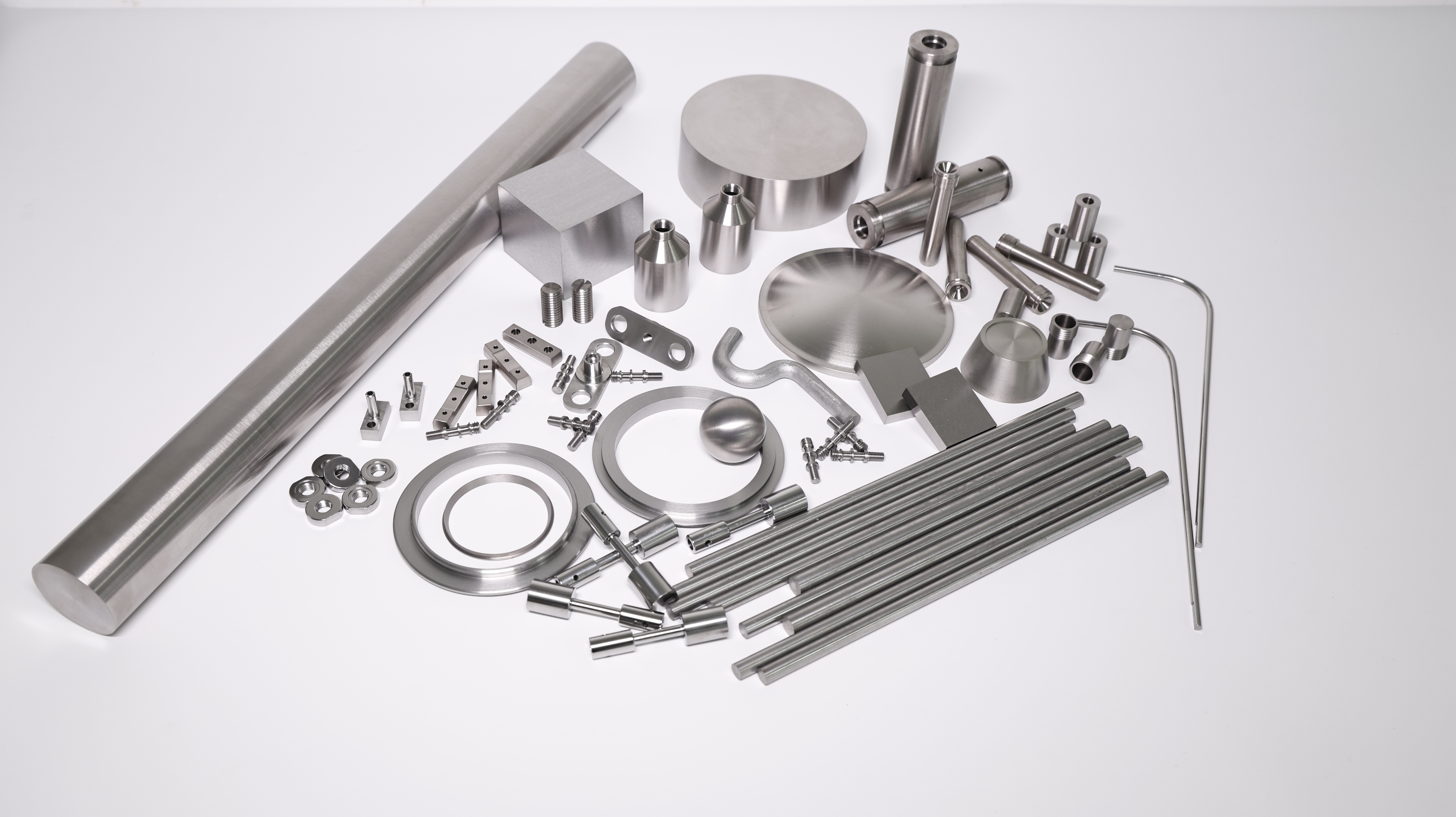
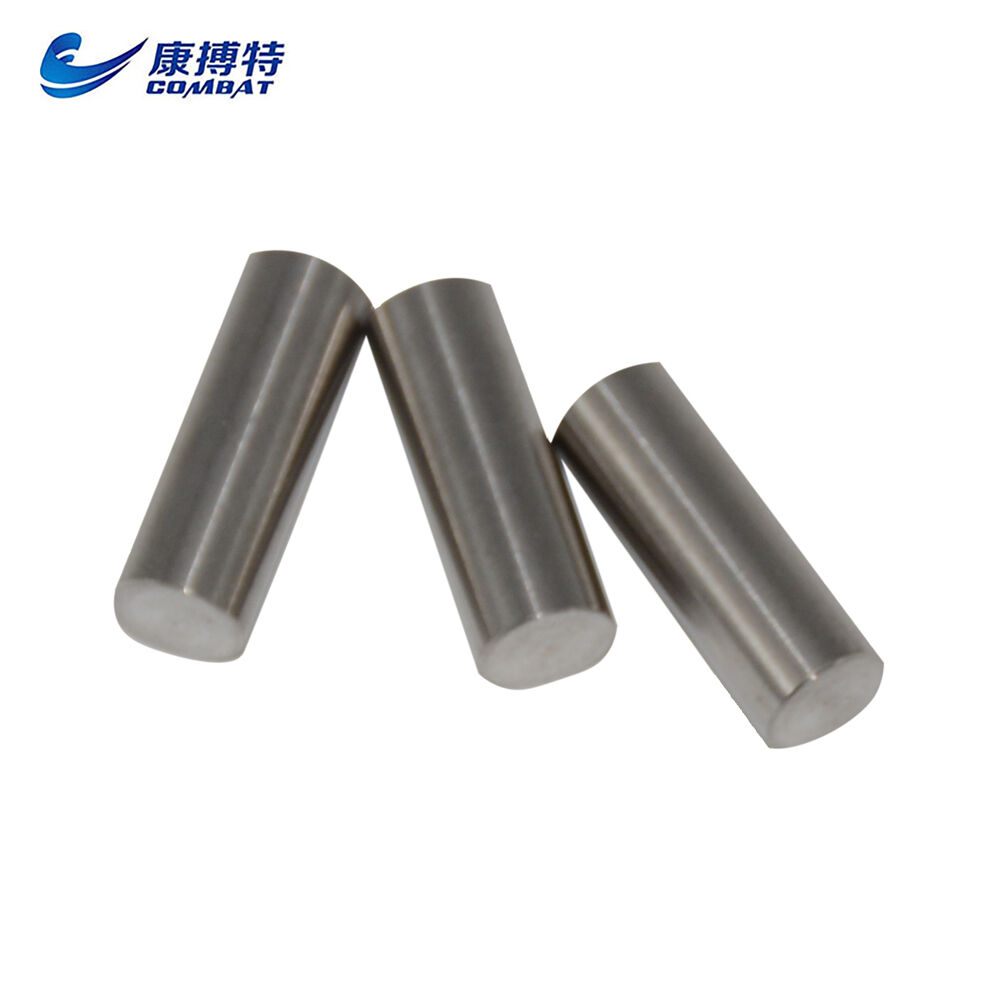
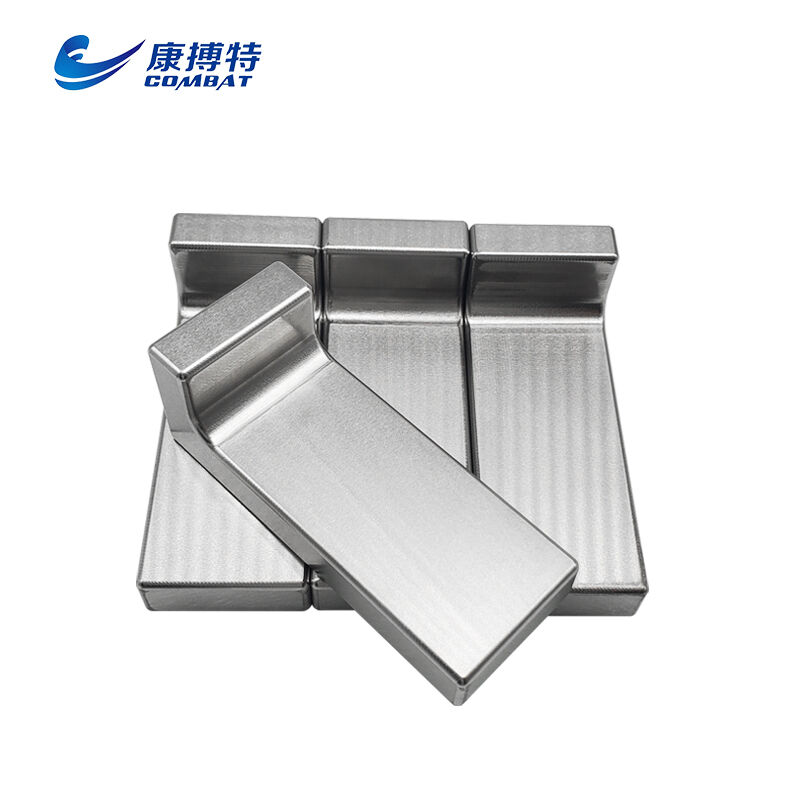
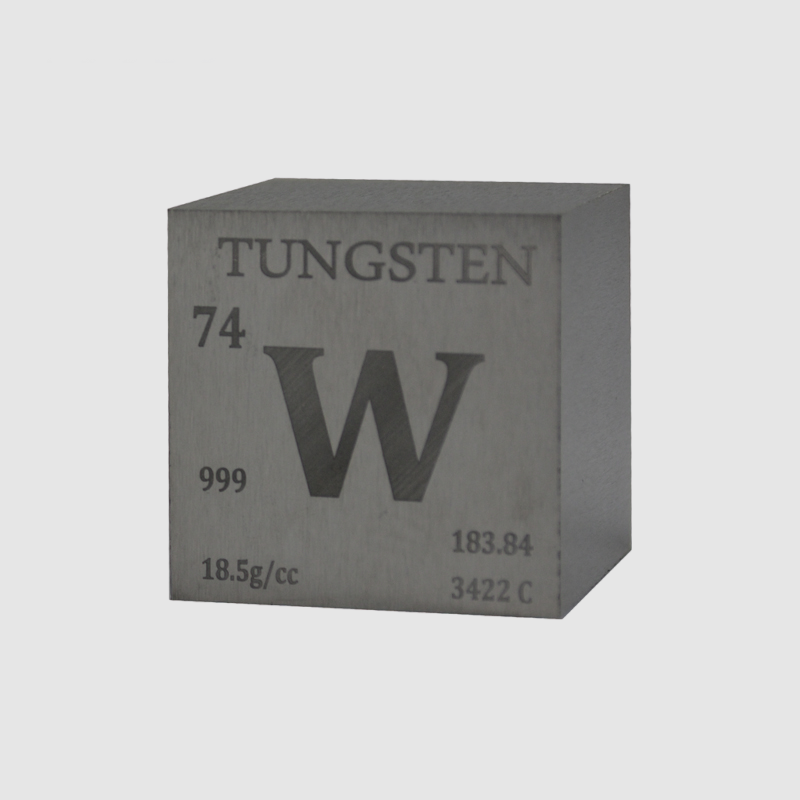
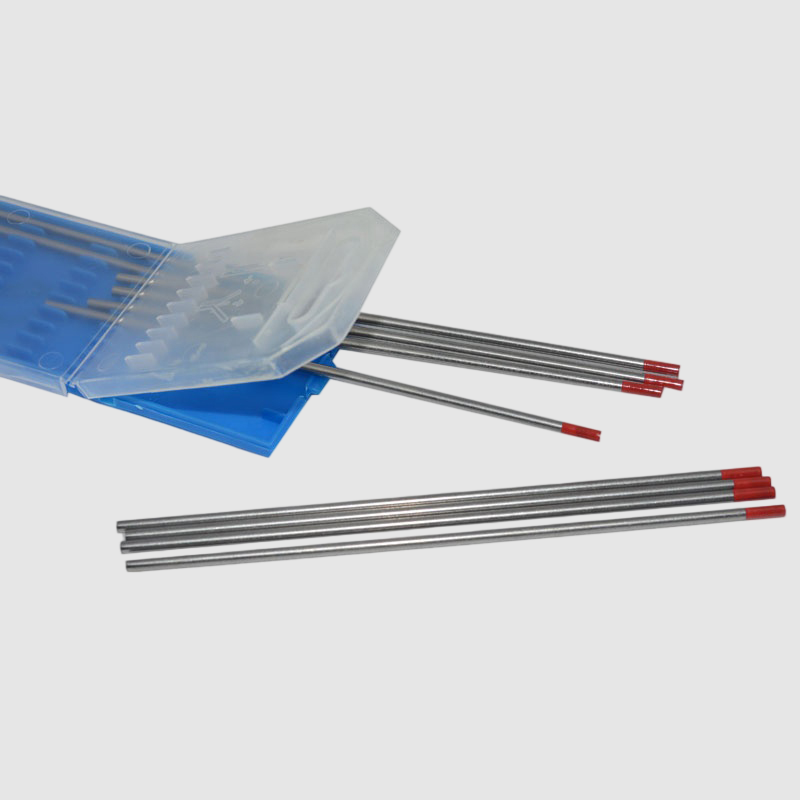
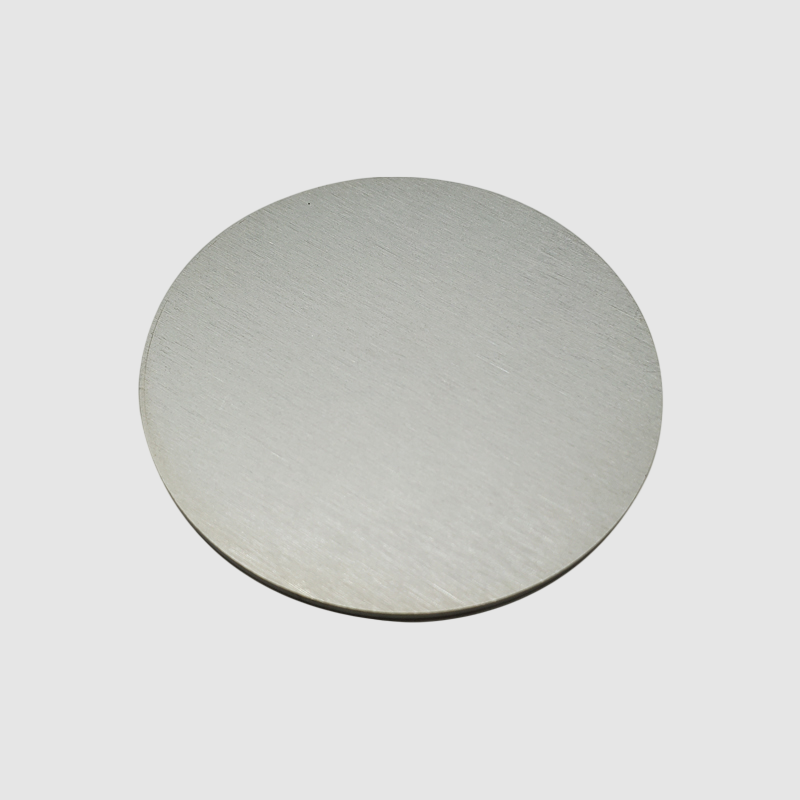
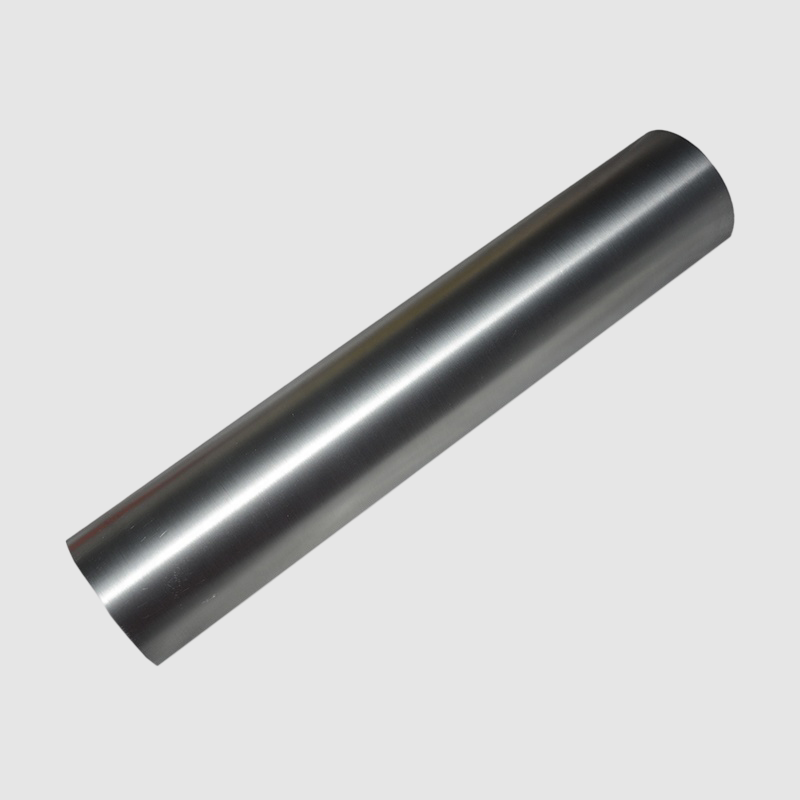
Heavy metal tungsten alloy represents a sophisticated engineering material that combines tungsten with other metals such as nickel, copper, or iron to create a composite with exceptional properties. This alloy typically contains 90-97% tungsten by weight, with the remaining percentage consisting of binding metals that enhance its machinability and ductility. The primary function of heavy metal tungsten alloy is to provide maximum density in applications where space is limited but mass is critical. With a density ranging from 16.5 to 19.0 g/cm³, this material is nearly twice as dense as lead and only slightly less dense than pure gold. The technological features of heavy metal tungsten alloy include superior radiation shielding capabilities, excellent thermal stability, and remarkable strength-to-weight ratios. Unlike pure tungsten, which is brittle and difficult to machine, heavy metal tungsten alloy offers improved workability while maintaining the core benefits of tungsten's high density. This material exhibits outstanding resistance to corrosion and maintains its structural integrity across a wide temperature range, from cryogenic conditions to elevated temperatures exceeding 1000 degrees Celsius. The applications of heavy metal tungsten alloy span multiple industries, including aerospace, defense, medical, and industrial sectors. In aerospace applications, it serves as counterweights in aircraft control surfaces and rotor blades, where precise weight distribution is essential for balance and performance. The defense industry utilizes heavy metal tungsten alloy for kinetic energy penetrators, armor-piercing ammunition, and radiation shielding in military vehicles. Medical applications include radiation therapy equipment, where the alloy's density provides effective shielding against harmful radiation while minimizing equipment size. Industrial uses encompass vibration damping, high-precision balancing weights, and tooling applications where dimensional stability under stress is paramount. The material's non-magnetic properties make it ideal for applications in sensitive electronic environments and scientific instruments where magnetic interference must be avoided.

New Product Recommendations

Heavy metal tungsten alloy delivers substantial practical benefits that directly impact performance and cost-effectiveness across diverse applications. The most significant advantage is its unmatched density, which allows engineers to achieve required mass in significantly smaller volumes compared to traditional materials like steel or lead. This space-saving characteristic translates to more compact designs, reduced overall system size, and improved efficiency in weight-critical applications. When you need maximum impact in minimal space, this alloy provides the solution without compromise. The material offers superior radiation attenuation properties, making it an ideal choice for protecting personnel and sensitive equipment from harmful radiation exposure. Unlike lead, which has environmental and health concerns, heavy metal tungsten alloy provides safer handling characteristics while delivering better shielding performance per unit thickness. This means you can create thinner, lighter radiation barriers that are easier to integrate into existing systems and safer for workers to handle during installation and maintenance. The alloy demonstrates excellent mechanical strength and hardness, maintaining structural integrity under extreme conditions that would cause other materials to deform or fail. This durability translates to longer service life, reduced maintenance requirements, and lower total cost of ownership over the product lifecycle. You benefit from components that perform consistently without degradation, even in demanding environments with high stress, vibration, or temperature fluctuations. Heavy metal tungsten alloy exhibits remarkable thermal stability, retaining its properties across a broad temperature spectrum. This characteristic ensures reliable performance in applications ranging from cryogenic systems to high-temperature industrial processes. The material will not soften, warp, or lose dimensional accuracy when exposed to temperature variations, providing predictable behavior that simplifies design calculations and improves system reliability. The non-toxic nature of heavy metal tungsten alloy addresses growing environmental and safety regulations that restrict the use of lead-based materials. By choosing this alloy, you comply with current standards while future-proofing your designs against increasingly stringent environmental requirements. This proactive approach protects your investment and eliminates the need for costly material substitutions down the road. The alloy's machinability, though requiring specialized techniques, allows for precise fabrication of complex geometries that meet tight tolerances. This manufacturing flexibility enables custom solutions tailored to specific application requirements, whether you need intricate shapes for medical devices or precision-balanced components for aerospace systems. The material can be machined, ground, and finished to exact specifications, ensuring perfect fit and optimal performance in your assembly.

Practical Tips

Gathering in Luoyang for Tungsten & Molybdenum, Uniting Hearts to Forge a New Dream Forward​

24

Apr

Gathering in Luoyang for Tungsten & Molybdenum, Uniting Hearts to Forge a New Dream Forward​

View More
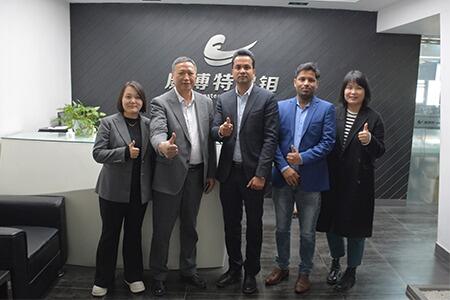
Indian Delegation Visits Youbo, Signs Molybdenum Bar and Tungsten Alloy Procurement Agreement​​

24

Apr

Indian Delegation Visits Youbo, Signs Molybdenum Bar and Tungsten Alloy Procurement Agreement​​

View More
International Ferroalloys 2025

24

Apr

International Ferroalloys 2025

View More
Luoyang Combat Tungsten & Molybdenum Materials Co., Ltd. Shines at Asia Ferroalloys 2025 Conference to Forge Global Collaboration Opportunities

24

Apr

Luoyang Combat Tungsten & Molybdenum Materials Co., Ltd. Shines at Asia Ferroalloys 2025 Conference to Forge Global Collaboration Opportunities

View More

Get a Free Quote

Our representative will contact you soon.
Email
Name
Country/Region
Mobile/WhatsApp
Product Name
Message
0/1000

heavy metal tungsten alloy

Unparalleled Density for Maximum Performance in Minimal Space

Unparalleled Density for Maximum Performance in Minimal Space

The exceptional density of heavy metal tungsten alloy stands as its most defining characteristic, offering engineers and designers a powerful tool for solving complex spatial and weight distribution challenges. With density values reaching up to 19.0 grams per cubic centimeter, this material packs nearly twice the mass of lead into the same volume, creating opportunities for revolutionary design approaches that were previously impossible. This density advantage becomes critically important in applications where every cubic millimeter of space carries premium value, such as in aerospace systems, portable medical equipment, and compact defense technologies. When aircraft manufacturers need to balance control surfaces or helicopter rotor blades, heavy metal tungsten alloy enables them to achieve precise weight distribution without adding bulk that would compromise aerodynamics or increase drag. The result is improved fuel efficiency, enhanced maneuverability, and better overall aircraft performance. In medical imaging equipment, the high density of heavy metal tungsten alloy allows manufacturers to create compact radiation shielding that protects patients and operators without making devices too large or heavy to maneuver in clinical settings. This translates to more versatile equipment that can be positioned precisely for optimal imaging results while maintaining the highest safety standards. The space-saving benefits extend to industrial applications where heavy metal tungsten alloy serves as counterweights in precision machinery, vibration dampers in sensitive instruments, and ballast in marine vessels. By concentrating mass in smaller volumes, engineers can optimize system designs, reduce overall footprint, and improve operational efficiency. The material's density also contributes to superior kinetic energy transfer in defense applications, where projectiles made from heavy metal tungsten alloy deliver maximum impact force with minimal projectile size. This characteristic enhances penetration capabilities while reducing the logistical burden of ammunition storage and transport. For customers seeking to maximize performance within strict size constraints, heavy metal tungsten alloy provides an unmatched solution that delivers measurable improvements in system efficiency, operational capability, and competitive advantage. The ability to concentrate mass precisely where needed, without wasting valuable space on lower-density alternatives, represents a fundamental advantage that influences every aspect of product design and performance optimization.
Superior Radiation Shielding with Enhanced Safety Profile

Superior Radiation Shielding with Enhanced Safety Profile

Heavy metal tungsten alloy excels as a radiation shielding material, offering protection capabilities that surpass traditional options while addressing modern safety and environmental concerns. The material's high atomic number and exceptional density work together to effectively attenuate gamma rays, X-rays, and other forms of ionizing radiation, making it indispensable in medical, nuclear, and industrial applications where radiation protection is paramount. Unlike lead, which has been the historical standard for radiation shielding, heavy metal tungsten alloy provides equivalent or superior protection in thinner sections, reducing the overall weight and bulk of shielded assemblies. This advantage becomes particularly valuable in mobile medical equipment, where portability and ease of positioning directly impact clinical workflow and patient care quality. Radiation therapy machines, diagnostic imaging systems, and nuclear medicine equipment all benefit from the compact, effective shielding that heavy metal tungsten alloy enables. The material allows manufacturers to create protective barriers that are easier to integrate into equipment designs without compromising functionality or aesthetics. In industrial radiography applications, where workers use portable X-ray equipment to inspect welds, castings, and structural components, heavy metal tungsten alloy provides reliable protection in lightweight, manageable configurations that reduce operator fatigue and improve safety compliance. The environmental and health advantages of heavy metal tungsten alloy over lead-based alternatives cannot be overstated. Lead poses significant risks during manufacturing, use, and disposal, with potential for toxic exposure that threatens worker health and environmental quality. Heavy metal tungsten alloy eliminates these concerns, offering a non-toxic alternative that meets or exceeds performance requirements while supporting corporate sustainability goals and regulatory compliance. This characteristic becomes increasingly important as governments worldwide implement stricter controls on lead usage and disposal, making heavy metal tungsten alloy not just a technical choice but a strategic business decision that protects against future regulatory risks. The material's stability and corrosion resistance ensure that shielding effectiveness remains constant throughout the product lifecycle, without degradation that could compromise protection or create maintenance burdens. For organizations operating in regulated industries, the consistent, reliable performance of heavy metal tungsten alloy simplifies compliance documentation and reduces liability exposure. The combination of superior shielding effectiveness, reduced weight and volume, enhanced safety profile, and long-term reliability makes heavy metal tungsten alloy the intelligent choice for any application where radiation protection is essential.
Exceptional Mechanical Properties for Demanding Applications

Exceptional Mechanical Properties for Demanding Applications

The mechanical characteristics of heavy metal tungsten alloy position it as an elite material for applications that demand unwavering performance under extreme conditions. This alloy combines high tensile strength, excellent hardness, and remarkable dimensional stability in a package that maintains these properties across temperature ranges that would compromise lesser materials. With tensile strength values typically exceeding 900 MPa and hardness ratings that resist wear and deformation, heavy metal tungsten alloy stands up to mechanical stresses that would cause conventional materials to fail prematurely. These properties make the alloy ideal for precision tooling, high-performance bearings, and structural components in systems where reliability is non-negotiable. In aerospace applications, where components must perform flawlessly despite exposure to vibration, thermal cycling, and mechanical loads, heavy metal tungsten alloy delivers consistent behavior that engineers can depend on throughout the operational envelope. The material's low thermal expansion coefficient ensures that dimensions remain stable as temperatures fluctuate, preventing the binding, misalignment, or performance degradation that can occur when components expand or contract at different rates. This dimensional stability proves invaluable in precision instruments, optical systems, and manufacturing equipment where tolerances measured in microns determine success or failure. Heavy metal tungsten alloy maintains its mechanical properties at elevated temperatures where aluminum alloys soften and steels begin to lose strength, extending operational capabilities into temperature regimes that expand application possibilities. The material's excellent fatigue resistance ensures long service life in dynamic applications involving repeated loading cycles, such as counterweights in rotating machinery, vibration dampers in precision equipment, and kinetic energy absorbers in defense systems. Unlike materials that develop fatigue cracks and fail catastrophically after extended cyclic loading, heavy metal tungsten alloy maintains structural integrity through millions of cycles, reducing maintenance requirements and improving system reliability. The alloy's hardness and wear resistance protect against surface degradation in applications involving friction, impact, or abrasive contact, maintaining dimensional accuracy and surface finish throughout the service life. For manufacturers seeking to minimize warranty claims, reduce field failures, and build reputation for quality, the robust mechanical properties of heavy metal tungsten alloy provide a foundation for products that perform as promised, year after year. The material's strength-to-weight ratio, while not matching that of advanced composites or titanium alloys, offers unique advantages when combined with its density and other properties, creating a performance profile that no other material can duplicate. This combination of mechanical excellence, thermal stability, and long-term reliability makes heavy metal tungsten alloy the material of choice for critical applications where failure is not an option and performance must be sustained regardless of operating conditions.
Get a Free Quote

Our representative will contact you soon.
Email
Name
Country/Region
Mobile/WhatsApp
Product Name
Message
0/1000