tungsten heavy alloy supplier
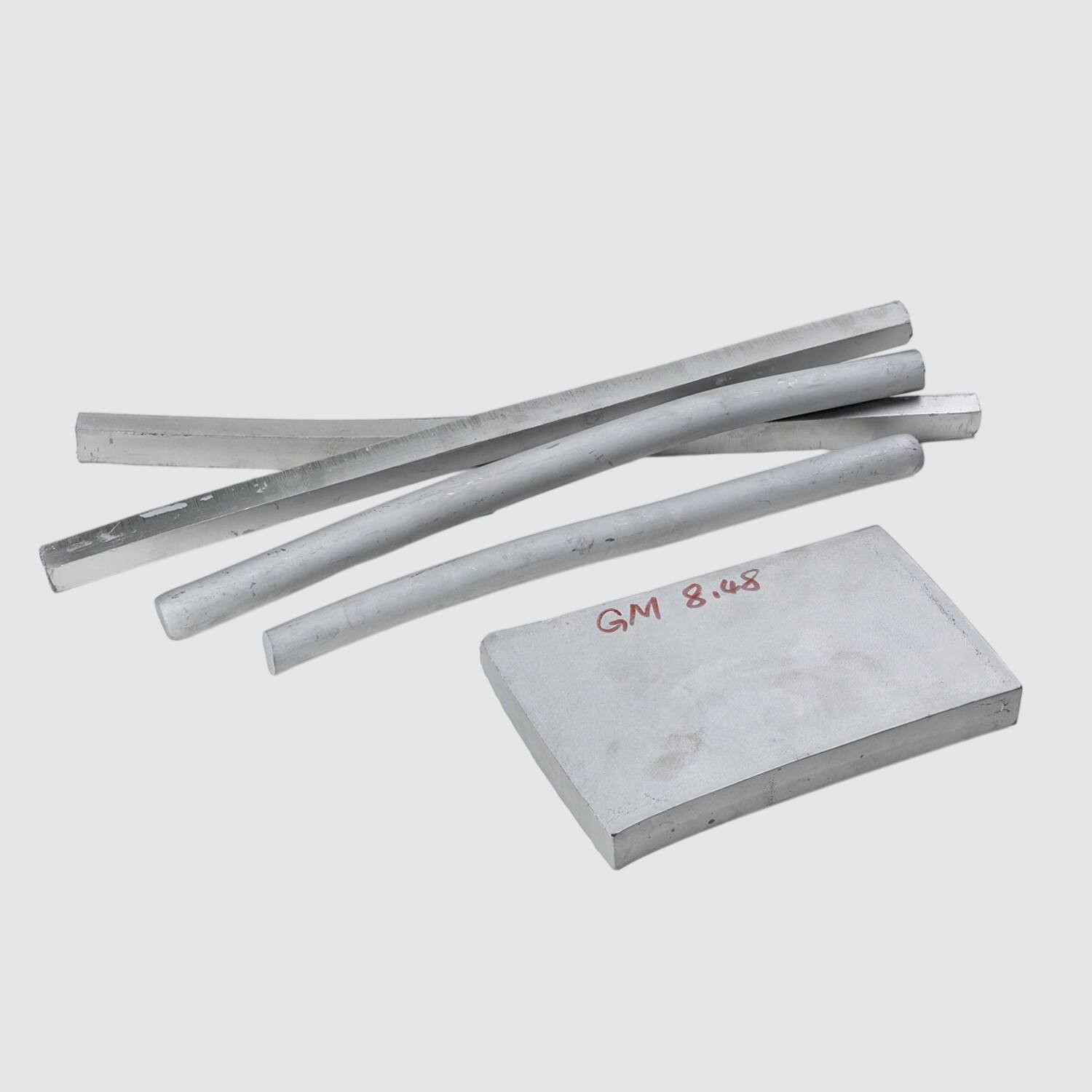
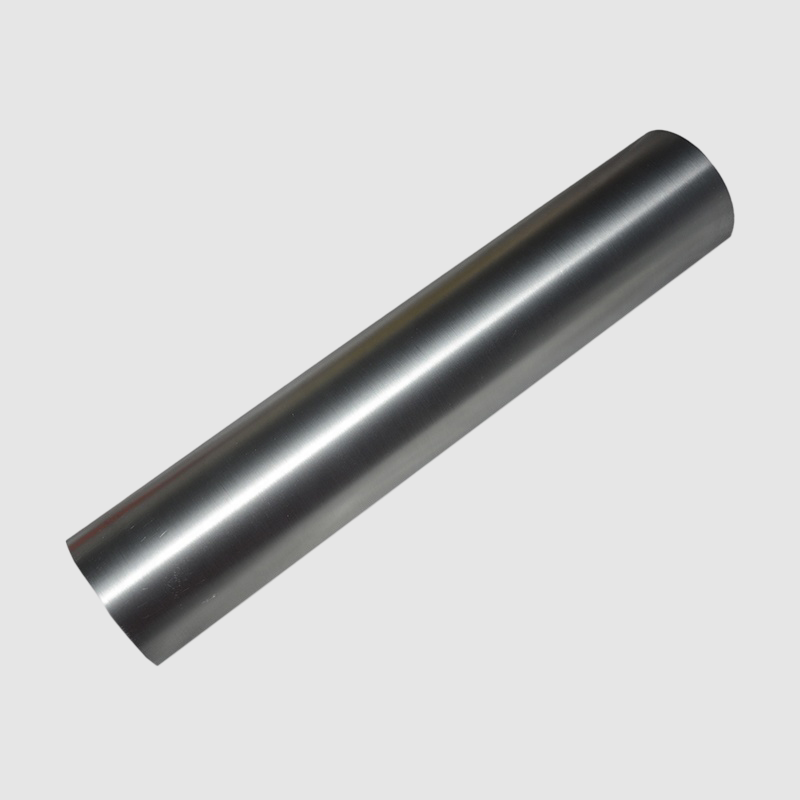
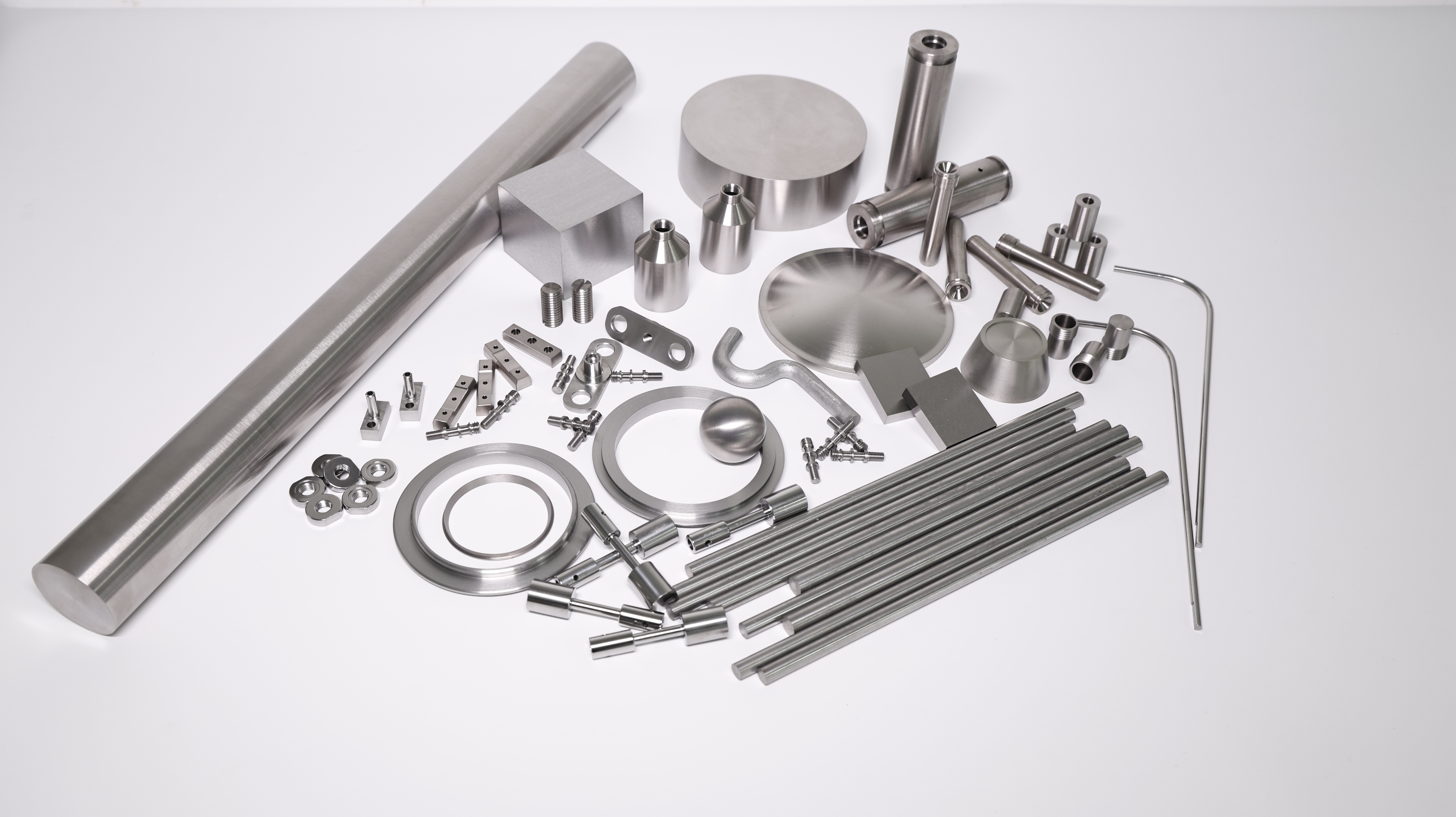
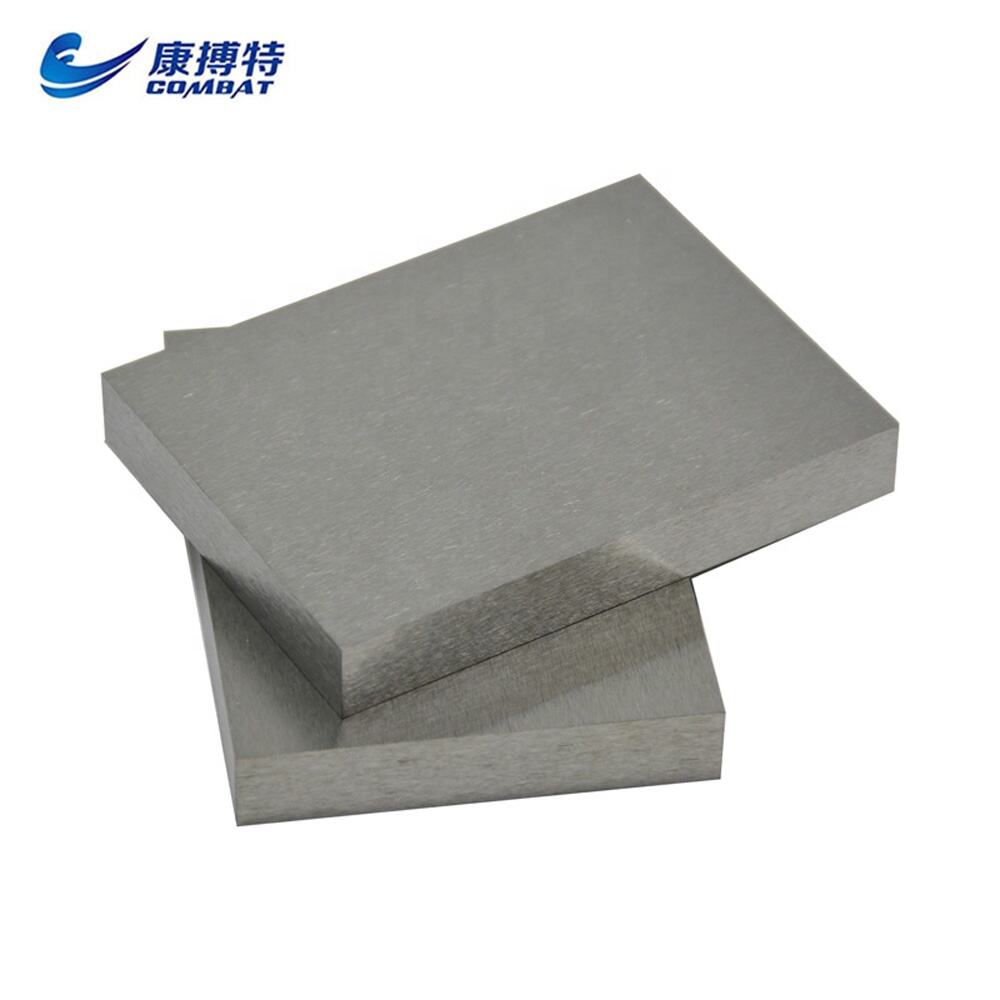
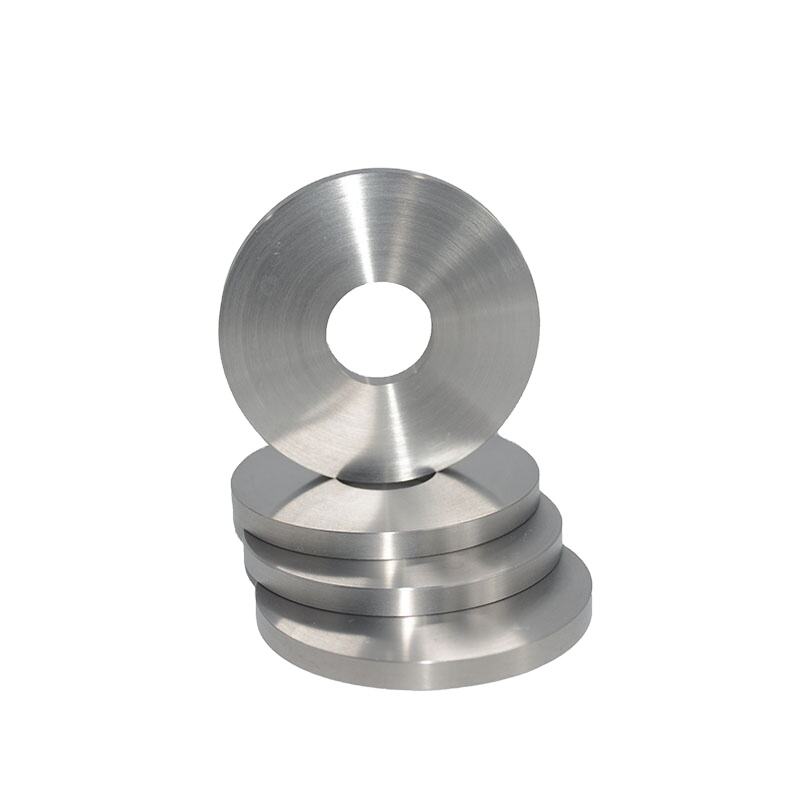
A tungsten heavy alloy supplier serves as a critical partner for industries requiring materials with exceptional density, strength, and performance characteristics. These specialized suppliers provide tungsten-based alloys that typically contain 90-97% tungsten combined with nickel, iron, copper, or cobalt to create materials with densities ranging from 16.5 to 19.0 g/cm³. The primary function of a tungsten heavy alloy supplier extends beyond simple material distribution; they offer technical consultation, custom alloy formulation, precision machining services, and quality assurance testing to meet specific application requirements. Technological features that distinguish professional suppliers include advanced powder metallurgy capabilities, sintering expertise at temperatures exceeding 1400°C, and sophisticated quality control systems ensuring consistent material properties across production batches. These suppliers maintain comprehensive inventory systems for various alloy compositions, geometries, and finished components ranging from raw billets to precision-machined parts. Applications for tungsten heavy alloys span multiple high-performance sectors including aerospace, defense, medical technology, oil and gas exploration, and industrial manufacturing. In aerospace applications, these materials serve as counterweights, balance weights, and vibration dampening components where space constraints demand maximum mass in minimal volume. Defense applications utilize tungsten heavy alloys for kinetic energy penetrators, radiation shielding, and ballast systems. Medical equipment manufacturers rely on these suppliers for radiation shielding components in diagnostic imaging and cancer treatment devices. The oil and gas industry employs tungsten heavy alloys in drilling equipment, logging tools, and downhole instrumentation where extreme density provides stability and performance in challenging environments. A qualified tungsten heavy alloy supplier maintains certifications including ISO 9001 quality management standards and often holds industry-specific approvals for aerospace or medical applications. They provide material traceability documentation, mechanical property certifications, and chemical composition analysis with each shipment, ensuring customers receive materials that meet exact specifications for their critical applications.




 EN