Tungsten Heavy Alloy: High-Density Material Solutions for Aerospace, Medical, and Industrial Applications

Get a Free Quote

Our representative will contact you soon.
Email
Name
Country/Region
Mobile/WhatsApp
Product Name
Message
0/1000

tungsten heavy alloy

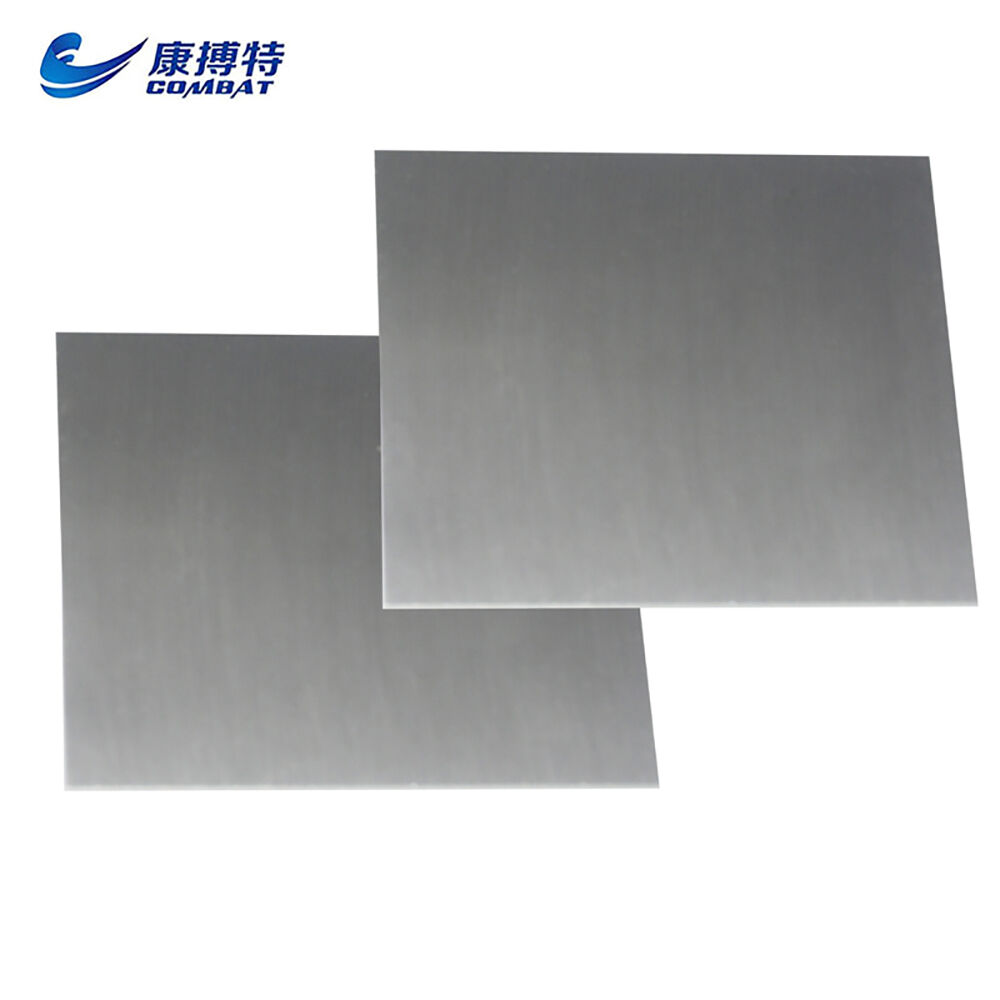
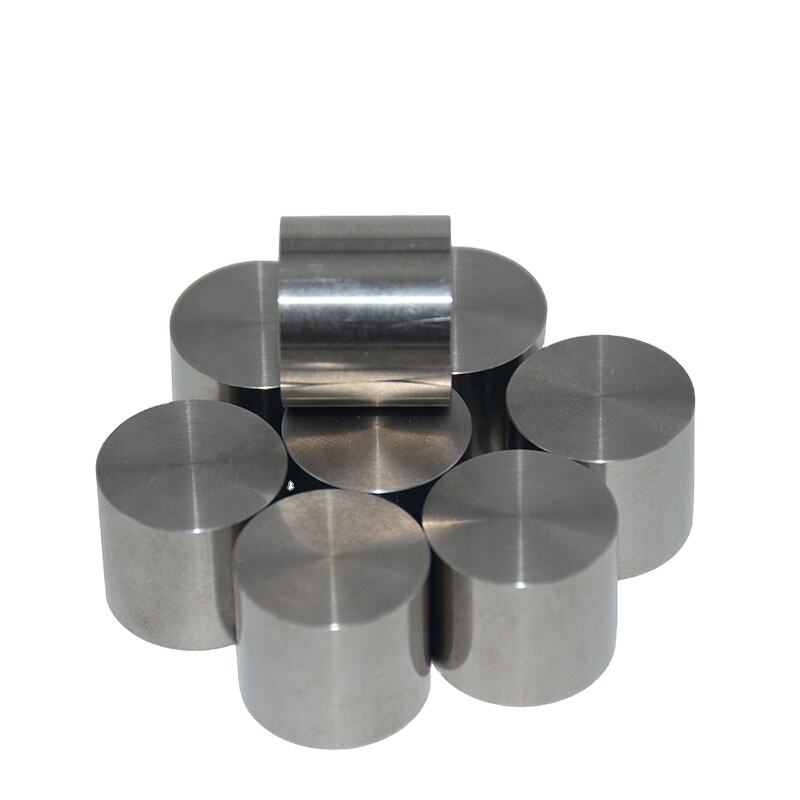
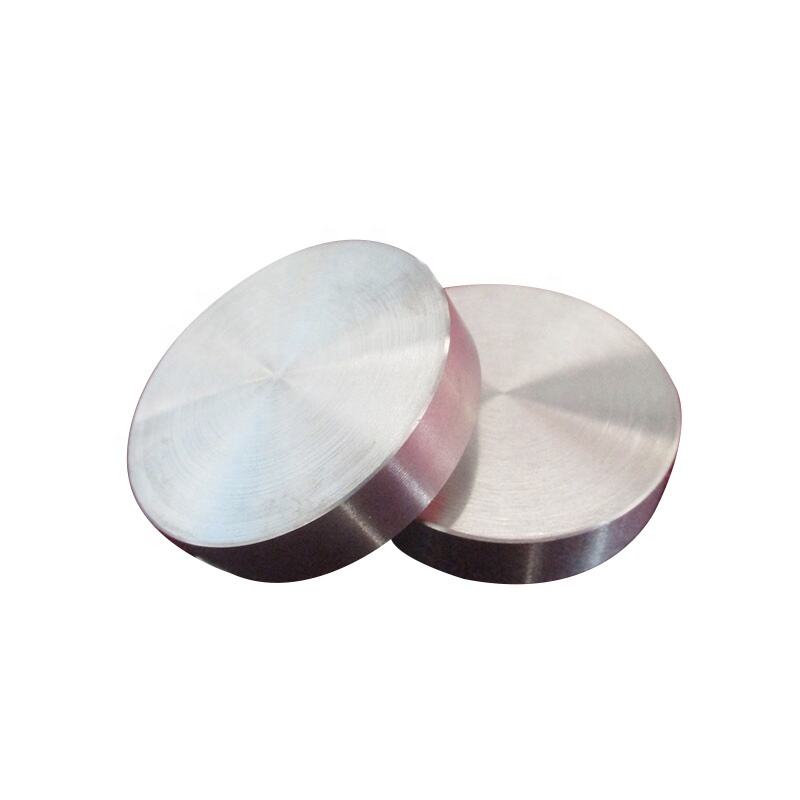
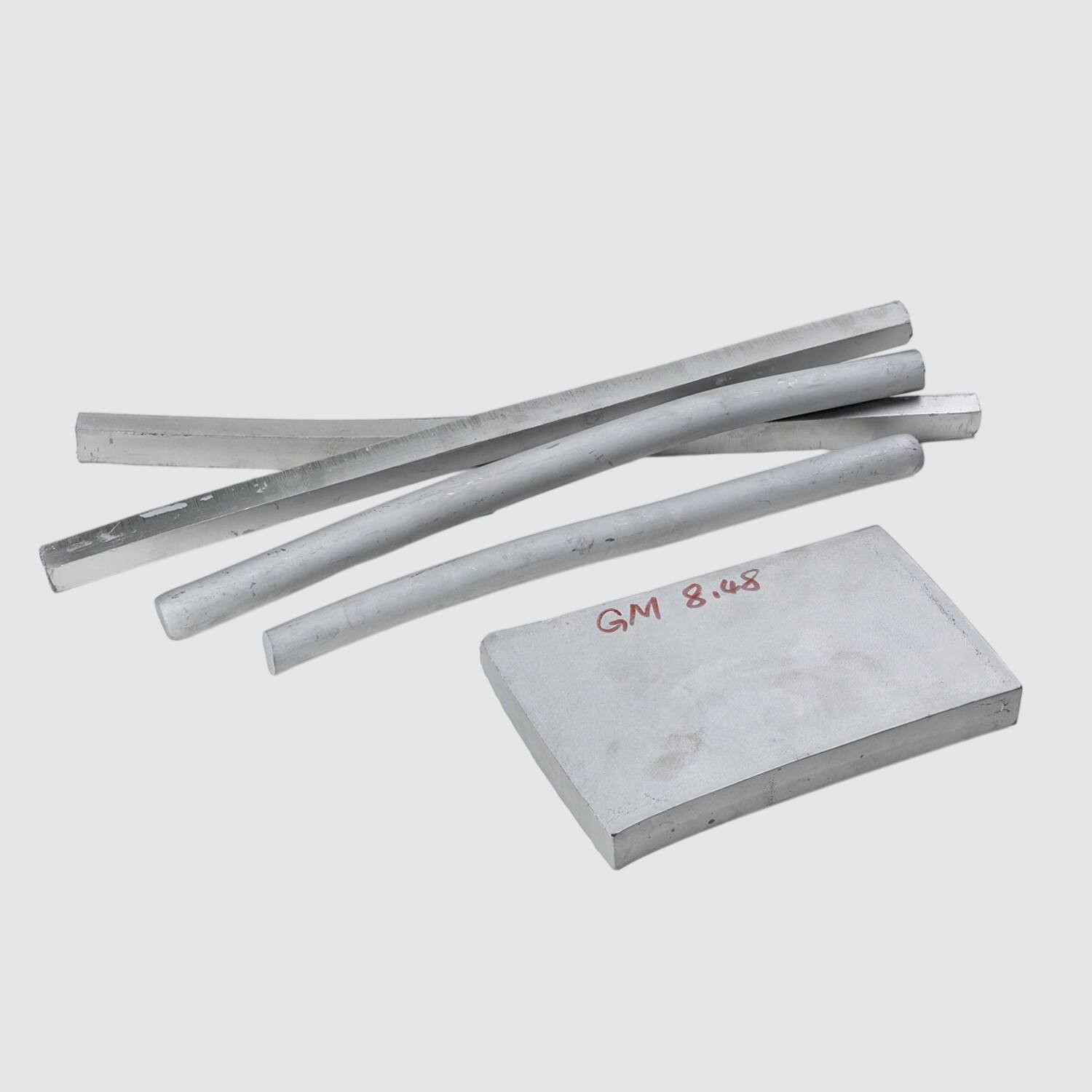
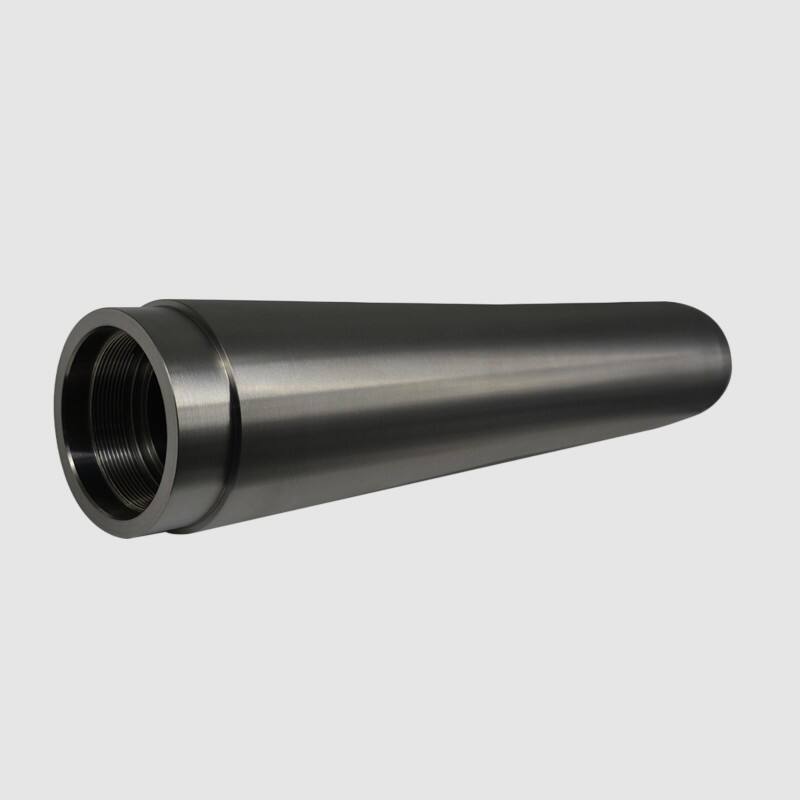
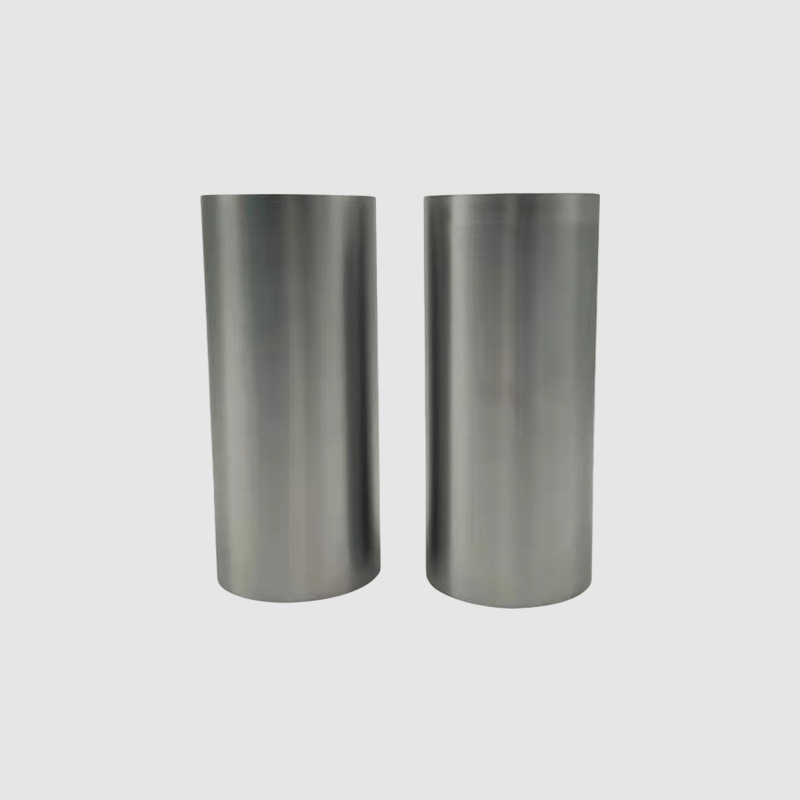
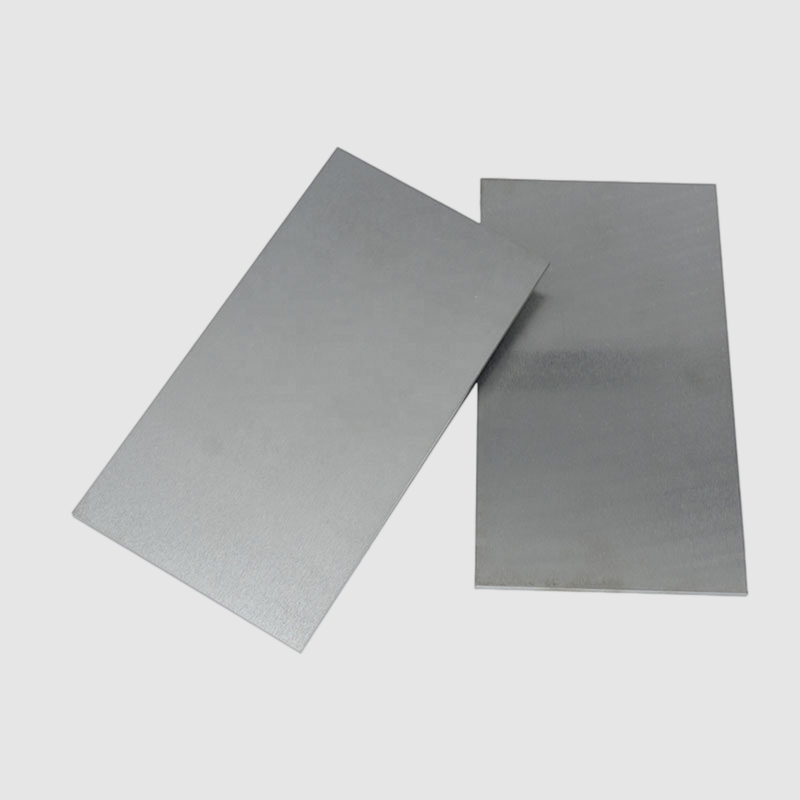
Tungsten heavy alloy represents a specialized class of materials engineered to deliver exceptional density and performance characteristics in demanding applications. This composite material consists primarily of tungsten particles, typically ranging from 90 to 97 percent by weight, combined with binding metals such as nickel, iron, or copper. The manufacturing process involves powder metallurgy techniques where tungsten powder is mixed with the binding agents, compacted, and sintered at high temperatures to create a dense, homogeneous structure. The resulting material achieves densities between 16.5 and 19.0 grams per cubic centimeter, making it nearly twice as dense as lead and significantly heavier than steel. The primary function of tungsten heavy alloy centers on applications requiring maximum mass in minimal volume, superior radiation shielding capabilities, and excellent mechanical strength. Its technological features include outstanding wear resistance, high melting point exceeding 3000 degrees Celsius, low thermal expansion coefficient, and remarkable ability to absorb kinetic energy. These properties make tungsten heavy alloy indispensable across multiple industries. In aerospace and defense sectors, it serves as counterweights in aircraft control surfaces, kinetic energy penetrators, and radiation shielding components. Medical equipment manufacturers utilize tungsten heavy alloy for radiation therapy collimators and shielding in diagnostic imaging systems. The oil and gas industry employs it in drilling equipment and logging tools where high density provides necessary weight in confined spaces. Sporting goods benefit from tungsten heavy alloy in golf club weights, fishing sinkers, and dart barrels where precise weight distribution enhances performance. Industrial applications include vibration dampening systems, high-speed rotor balancing, and precision machining tools. The material's non-magnetic properties make it suitable for sensitive electronic equipment and scientific instruments. Environmental advantages include its non-toxic nature compared to lead alternatives, supporting regulatory compliance and worker safety initiatives across various manufacturing environments.

New Product Releases

Choosing tungsten heavy alloy delivers measurable benefits that directly impact your operational efficiency and product performance. The material's exceptional density allows you to achieve required weight specifications while using significantly less physical space compared to traditional materials. This space-saving advantage proves critical in aerospace applications where every cubic centimeter matters for fuel efficiency and payload capacity. You gain immediate cost benefits through reduced material volume requirements, lower shipping expenses due to compact dimensions, and extended service life that minimizes replacement frequency. The superior strength characteristics mean your components withstand higher stress loads without deformation or failure, reducing downtime and maintenance costs in industrial settings. When you select tungsten heavy alloy for radiation shielding applications, you protect personnel and sensitive equipment more effectively than lead-based alternatives while meeting modern environmental and safety standards. The material machines cleanly and holds tight tolerances, enabling you to produce precision components that meet exacting specifications without extensive secondary operations. Your manufacturing processes benefit from tungsten heavy alloy's consistent material properties across production batches, ensuring reliable performance and reducing quality control complications. The corrosion resistance inherent in properly formulated tungsten heavy alloy extends component lifespan in harsh chemical environments, protecting your investment over years of service. You achieve better vibration dampening in rotating machinery, leading to smoother operation, reduced wear on adjacent components, and quieter performance that improves workplace conditions. In medical applications, tungsten heavy alloy provides sharper radiation beam definition, enabling more precise treatment delivery and better patient outcomes. The material's thermal stability maintains dimensional accuracy across wide temperature ranges, ensuring your components perform consistently whether in arctic conditions or high-heat industrial processes. You reduce environmental liability by choosing tungsten heavy alloy over toxic lead alternatives, simplifying waste disposal procedures and supporting corporate sustainability goals. The material's non-sparking properties enhance safety in explosive atmospheres common in oil and gas operations. Your products gain competitive advantages through improved performance characteristics that tungsten heavy alloy enables, from longer flight times in aerospace applications to more accurate measurements in scientific instruments. The investment in tungsten heavy alloy pays dividends through enhanced reliability, reduced lifecycle costs, superior performance metrics, and compliance with evolving regulatory requirements that increasingly restrict traditional heavy metal alternatives.

Tips And Tricks

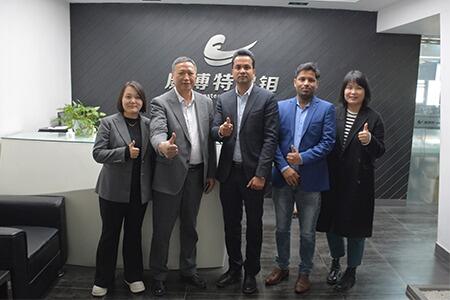
Indian Delegation Visits Youbo, Signs Molybdenum Bar and Tungsten Alloy Procurement Agreement​​

24

Apr

Indian Delegation Visits Youbo, Signs Molybdenum Bar and Tungsten Alloy Procurement Agreement​​

View More
International Ferroalloys 2025

24

Apr

International Ferroalloys 2025

View More
The Grand Opening Of The 2025 China International Powder Metallurgy, Hard Alloy And Advanced Ceramics Exhibition

24

Apr

The Grand Opening Of The 2025 China International Powder Metallurgy, Hard Alloy And Advanced Ceramics Exhibition

View More
Luoyang Combat Tungsten & Molybdenum Materials Co., Ltd. Shines at Asia Ferroalloys 2025 Conference to Forge Global Collaboration Opportunities

24

Apr

Luoyang Combat Tungsten & Molybdenum Materials Co., Ltd. Shines at Asia Ferroalloys 2025 Conference to Forge Global Collaboration Opportunities

View More

Get a Free Quote

Our representative will contact you soon.
Email
Name
Country/Region
Mobile/WhatsApp
Product Name
Message
0/1000

tungsten heavy alloy

Unmatched Density Performance for Space-Critical Applications

Unmatched Density Performance for Space-Critical Applications

Tungsten heavy alloy stands alone in delivering the highest practical density available in engineered materials, providing you with unparalleled advantages when space constraints demand maximum mass concentration. This exceptional density, reaching up to 19.0 grams per cubic centimeter in premium formulations, translates directly into smaller, more efficient designs across countless applications. Consider aerospace counterweight systems where engineers constantly battle weight and space limitations. Traditional materials like steel require substantially larger volumes to achieve equivalent mass, consuming precious space needed for fuel, payload, or control systems. Tungsten heavy alloy solves this challenge by packing the required weight into a fraction of the volume, enabling aircraft designers to optimize weight distribution without compromising other critical systems. The density advantage extends beyond simple space savings. In kinetic energy applications, the concentrated mass of tungsten heavy alloy delivers superior momentum transfer, making it the material of choice for penetrators and impact applications where performance depends on mass-to-volume ratios. Oil and gas drilling operations benefit enormously from this density characteristic. Downhole tools must provide substantial weight to maintain drilling pressure and tool stability, yet borehole diameters impose strict size limitations. Tungsten heavy alloy drill collars and weight bars deliver the necessary mass within these confined spaces, improving drilling efficiency and reducing the number of components required in the drill string. This simplification reduces assembly time, lowers failure points, and improves overall operational reliability. Medical radiation therapy equipment demonstrates another critical application where density matters. Collimators and shielding components must block harmful radiation while occupying minimal space around the treatment area. Tungsten heavy alloy provides effective shielding in compact configurations, allowing equipment designers to create more versatile treatment systems with better patient access and positioning flexibility. The material's density also contributes to superior vibration dampening in precision machinery. The concentrated mass absorbs vibrational energy more effectively than lighter materials, stabilizing high-speed rotating equipment and improving measurement accuracy in sensitive instruments. Manufacturing facilities using tungsten heavy alloy in balancing applications report measurably reduced vibration levels, leading to extended bearing life, improved surface finishes in machining operations, and quieter working environments that enhance operator comfort and safety.
Superior Mechanical Strength and Durability for Long-Term Reliability

Superior Mechanical Strength and Durability for Long-Term Reliability

Tungsten heavy alloy combines its remarkable density with exceptional mechanical properties that ensure long-term reliability in the most demanding service conditions. The material exhibits tensile strengths ranging from 600 to 1000 megapascals depending on composition and processing, providing structural integrity that withstands extreme operational stresses without permanent deformation or catastrophic failure. This strength-to-density ratio proves invaluable in applications where components must endure repeated high-stress cycles while maintaining precise dimensional tolerances. The sintered microstructure of tungsten heavy alloy creates a material that resists wear and abrasion far better than softer alternatives. In industrial tooling applications, components manufactured from tungsten heavy alloy maintain their working surfaces through millions of operational cycles, reducing replacement frequency and associated downtime costs. The material's hardness, typically ranging from 25 to 35 on the Rockwell C scale, provides excellent resistance to surface damage from impact and sliding contact. Manufacturing facilities report significant cost savings when switching from traditional materials to tungsten heavy alloy in wear-critical applications, with service life improvements often exceeding 300 percent. The high melting point of tungsten heavy alloy, above 3000 degrees Celsius for the tungsten phase, ensures dimensional stability and mechanical property retention at elevated temperatures where other materials soften or fail. This thermal stability proves essential in applications involving friction-generated heat or high-temperature processing environments. Components maintain their strength and precision even when subjected to thermal cycling that would degrade lesser materials. The material's low thermal expansion coefficient minimizes dimensional changes across temperature ranges, critical for precision instruments and assemblies requiring tight clearances. Engineers designing systems for extreme temperature variations rely on tungsten heavy alloy to maintain alignment and functionality from arctic cold to industrial heat. The ductility of properly processed tungsten heavy alloy, while lower than pure metals, provides sufficient toughness to resist brittle fracture under impact loading. This balance of hardness and toughness makes the material suitable for applications involving shock loads and dynamic stresses. Defense applications particularly benefit from this characteristic, where components must survive extreme acceleration forces and impact events. The material's fatigue resistance ensures reliable performance through countless stress cycles, essential for rotating machinery and reciprocating components. Testing demonstrates that tungsten heavy alloy maintains structural integrity through stress cycles that would initiate cracks in alternative materials, providing the reliability critical for safety-sensitive applications in aerospace, medical, and industrial sectors.
Environmental Safety and Regulatory Compliance Advantages

Environmental Safety and Regulatory Compliance Advantages

Tungsten heavy alloy offers compelling environmental and safety advantages that address growing regulatory pressures and corporate responsibility initiatives across industries. Unlike lead-based materials traditionally used for high-density applications, tungsten heavy alloy presents minimal toxicity concerns, eliminating the health risks associated with lead exposure during manufacturing, use, and disposal. This safety profile protects workers throughout the product lifecycle, from fabrication shops to end-user facilities, reducing liability exposure and supporting workplace safety programs. Regulatory agencies worldwide increasingly restrict lead usage due to its well-documented health hazards, particularly neurological effects and environmental persistence. Tungsten heavy alloy provides a compliant alternative that meets current regulations while future-proofing your products against anticipated tightening of heavy metal restrictions. Companies transitioning to tungsten heavy alloy avoid the costs and disruptions associated with forced material changes when regulations evolve. The material's stability in environmental conditions prevents the leaching and contamination issues associated with lead. Tungsten compounds exhibit low solubility in water and biological systems, minimizing environmental impact if components are damaged or improperly disposed. This characteristic proves particularly important in marine applications, groundwater monitoring equipment, and outdoor installations where material exposure to moisture is unavoidable. Manufacturing processes using tungsten heavy alloy generate less hazardous waste compared to lead-based alternatives. Machining operations produce chips and fines that can be recycled without the special handling and disposal requirements mandated for lead-contaminated materials. This simplification reduces waste management costs and supports circular economy initiatives where material recovery and reuse minimize environmental footprint. The non-toxic nature of tungsten heavy alloy enables its use in consumer products without the warning labels and usage restrictions required for lead-containing items. Sporting goods manufacturers particularly benefit from this advantage, producing fishing weights, dart components, and golf club elements that comply with consumer safety standards without performance compromises. Medical applications gain additional safety margins when using tungsten heavy alloy for radiation shielding and collimation. While the material effectively blocks harmful radiation, it poses no secondary toxicity risks if shielding integrity is compromised or during equipment maintenance and decommissioning. Healthcare facilities appreciate the reduced hazardous material handling requirements compared to lead-shielded equipment. Corporate sustainability reporting increasingly emphasizes material choices and environmental impact. Specifying tungsten heavy alloy demonstrates commitment to responsible material selection, supporting ESG goals and enhancing corporate reputation among environmentally conscious customers and investors. The material choice signals technical sophistication and forward-thinking design philosophy that differentiates your products in competitive markets where environmental credentials influence purchasing decisions.

Get a Free Quote

Our representative will contact you soon.
Email
Name
Country/Region
Mobile/WhatsApp
Product Name
Message
0/1000