tungsten alloy supplier
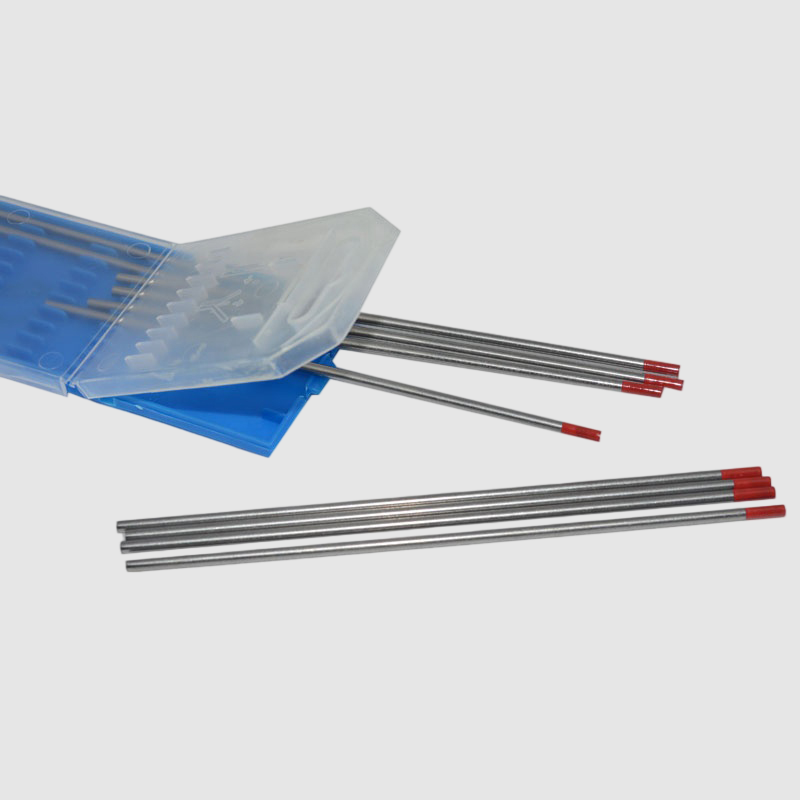
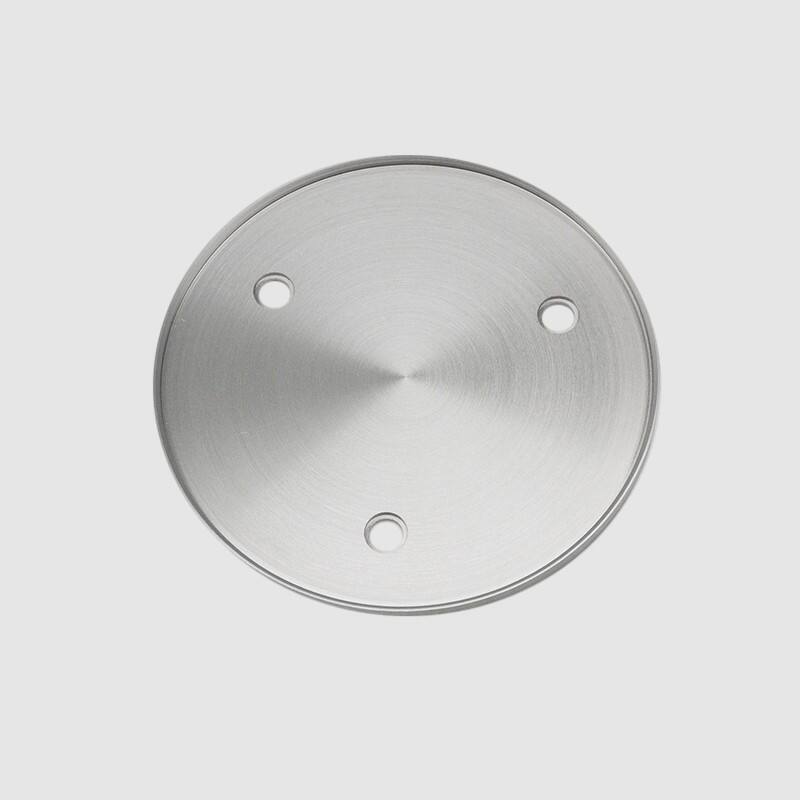
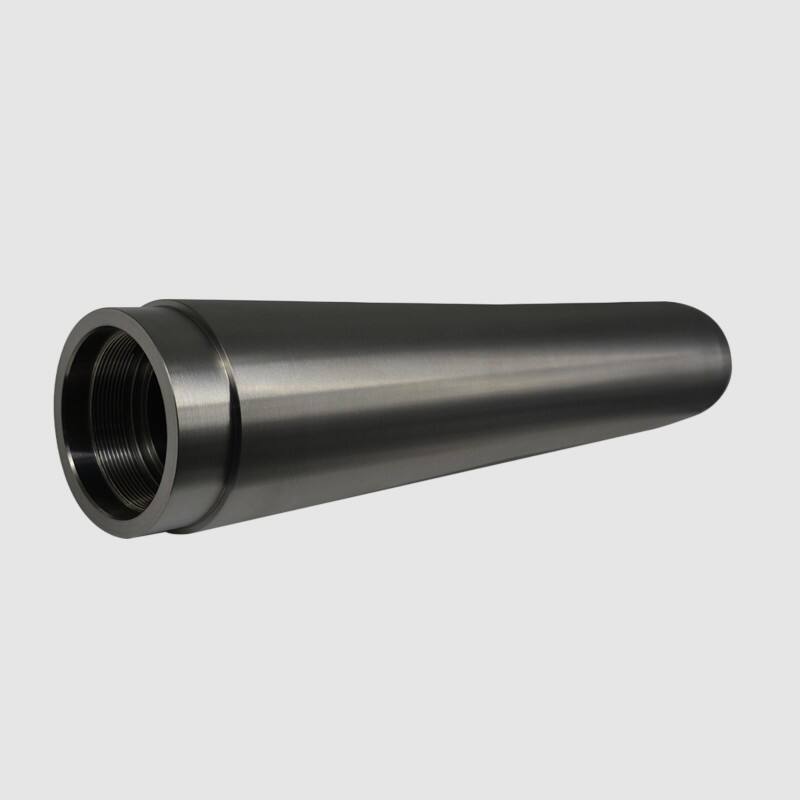
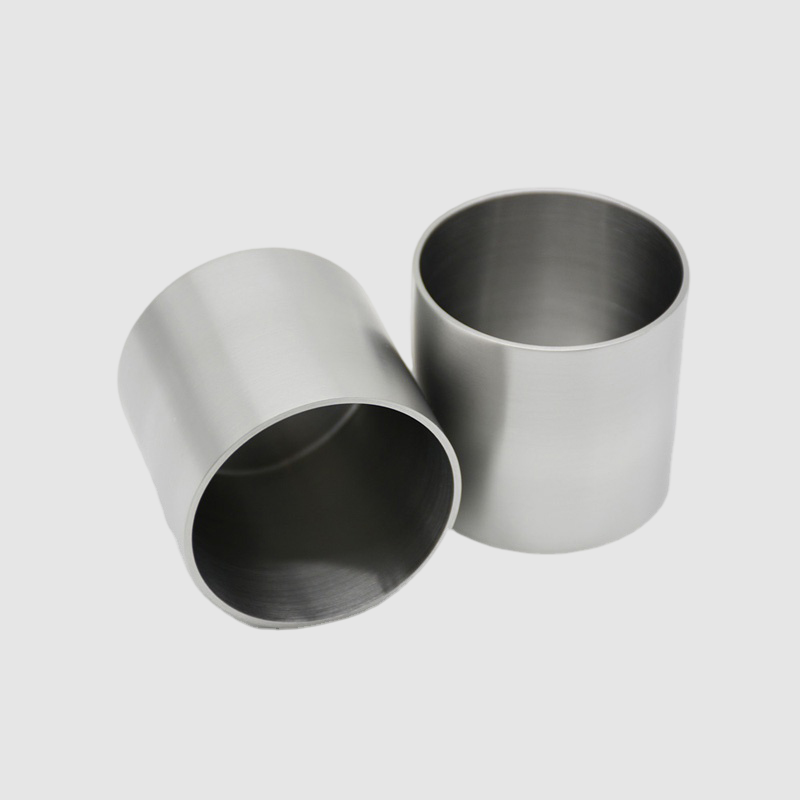
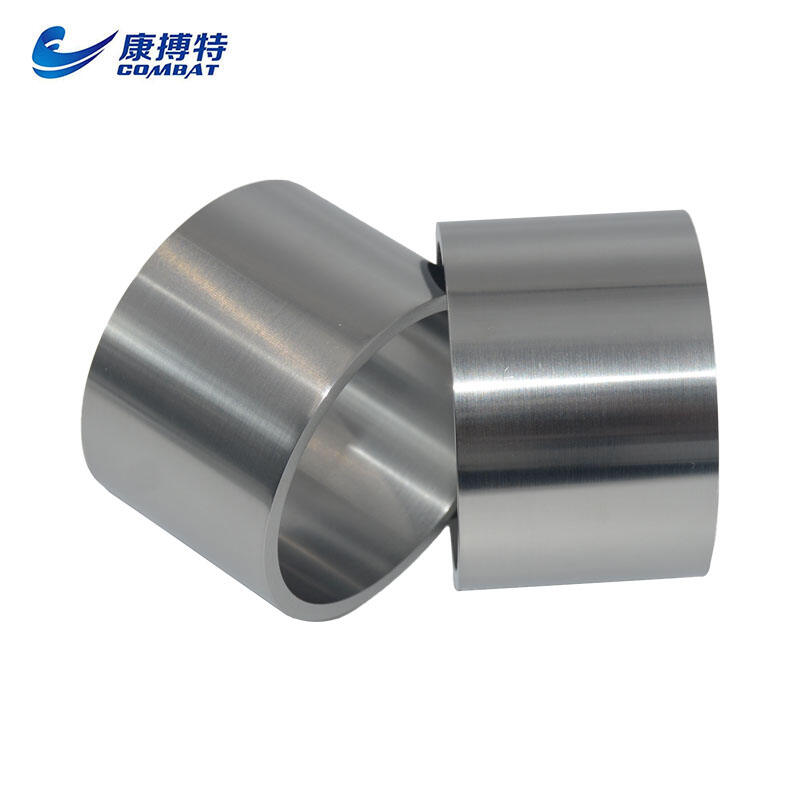
A tungsten alloy supplier serves as a critical partner for industries requiring high-performance materials that combine exceptional density, strength, and thermal properties. These specialized suppliers source, manufacture, and distribute tungsten-based alloys that typically contain 90-97% tungsten combined with elements like nickel, copper, iron, or cobalt. The primary function of a tungsten alloy supplier extends beyond simple material provision; they act as technical consultants who help clients select the optimal alloy composition for specific applications, provide custom fabrication services, and ensure consistent quality through rigorous testing protocols. Tungsten alloys exhibit remarkable characteristics including densities ranging from 16.5 to 19.0 g/cm³, which is approximately twice that of lead and 1.5 times that of depleted uranium, making them ideal for applications requiring maximum mass in minimal space. The technological features offered by a reputable tungsten alloy supplier include precision machining capabilities, heat treatment processes, and surface finishing options that enhance the material's already impressive properties. These suppliers maintain advanced manufacturing facilities equipped with specialized equipment capable of working with tungsten's high melting point of 3,422°C and its inherent brittleness in pure form. Applications for tungsten alloys span diverse sectors: aerospace components such as counterweights and gyroscope rotors, medical radiation shielding and collimators, military applications including kinetic energy penetrators and fragmentation warheads, industrial balancing weights for rotating machinery, and sporting goods like golf club weights and fishing sinkers. A professional tungsten alloy supplier understands the stringent requirements of each industry and maintains certifications such as ISO 9001, AS9100 for aerospace, and relevant military specifications. They provide comprehensive material documentation, including chemical composition analysis, mechanical property testing results, and traceability records that meet international standards. The supplier's expertise in metallurgy allows them to recommend specific alloy compositions based on factors like required density, machinability needs, corrosion resistance, and cost considerations, ensuring clients receive materials perfectly suited to their engineering challenges.


 EN