Unmatched Corrosion Resistance for Long-Term Durability
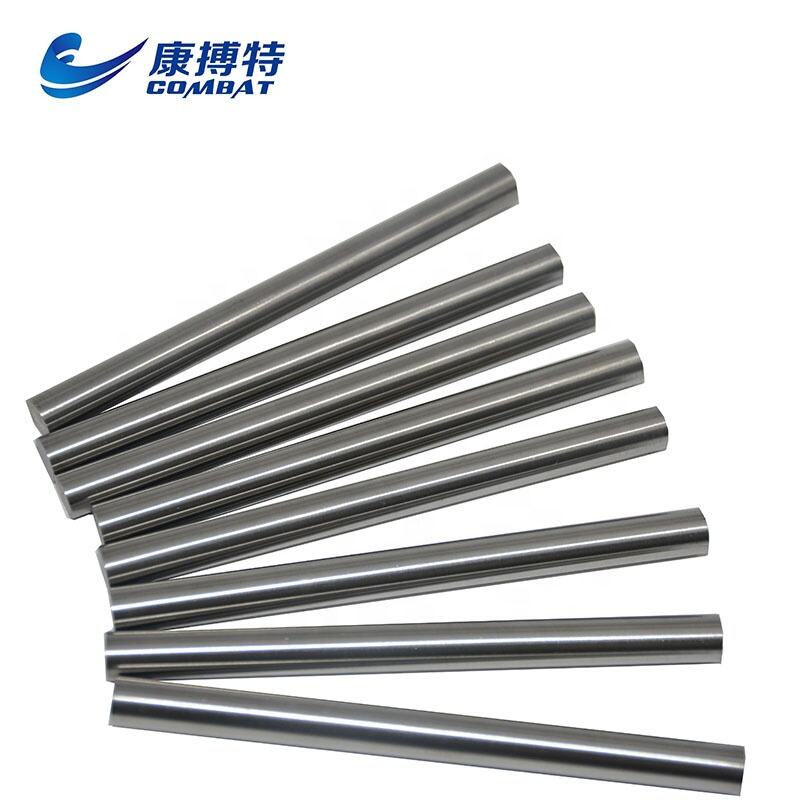
The corrosion resistance of iron bar titanium stands as its most transformative characteristic, fundamentally changing how engineers approach material selection for challenging environments. Traditional iron bars face inevitable degradation when exposed to moisture, salt, acids, or alkaline conditions. This degradation begins at the surface and progressively penetrates deeper into the material, weakening structural capacity and creating safety concerns. The iron bar titanium addresses this vulnerability through the protective properties of titanium, which forms a stable, self-healing oxide layer upon exposure to oxygen. This passive film measures only nanometers in thickness yet provides exceptional barrier protection against corrosive agents. When the surface experiences mechanical damage, the oxide layer regenerates spontaneously, maintaining continuous protection without human intervention. In marine applications, where saltwater exposure accelerates corrosion of conventional materials, the iron bar titanium demonstrates remarkable longevity. Offshore platforms constructed with this material show minimal degradation even after decades of continuous exposure to harsh oceanic conditions. The economic impact of this durability extends beyond simple material replacement costs. Corrosion-related failures often trigger cascading consequences including production shutdowns, emergency repairs, environmental contamination, and potential safety incidents. By eliminating corrosion as a primary failure mode, the iron bar titanium reduces these risks substantially. Chemical processing facilities particularly benefit from this corrosion resistance, as their operations involve exposure to aggressive substances that rapidly attack standard materials. The iron bar titanium maintains structural integrity when in contact with acids, bases, solvents, and oxidizing agents that would destroy conventional iron bars within months. This chemical stability allows plant operators to extend maintenance intervals, reduce inspection frequency, and operate with greater confidence in system reliability. The material's resistance to pitting corrosion, a particularly insidious form of degradation that creates localized holes in metal surfaces, provides additional security in critical applications. Infrastructure projects incorporating iron bar titanium report significantly reduced lifecycle costs when accounting for maintenance, inspection, and replacement expenses over multi-decade service periods.


 EN