titanium bar price
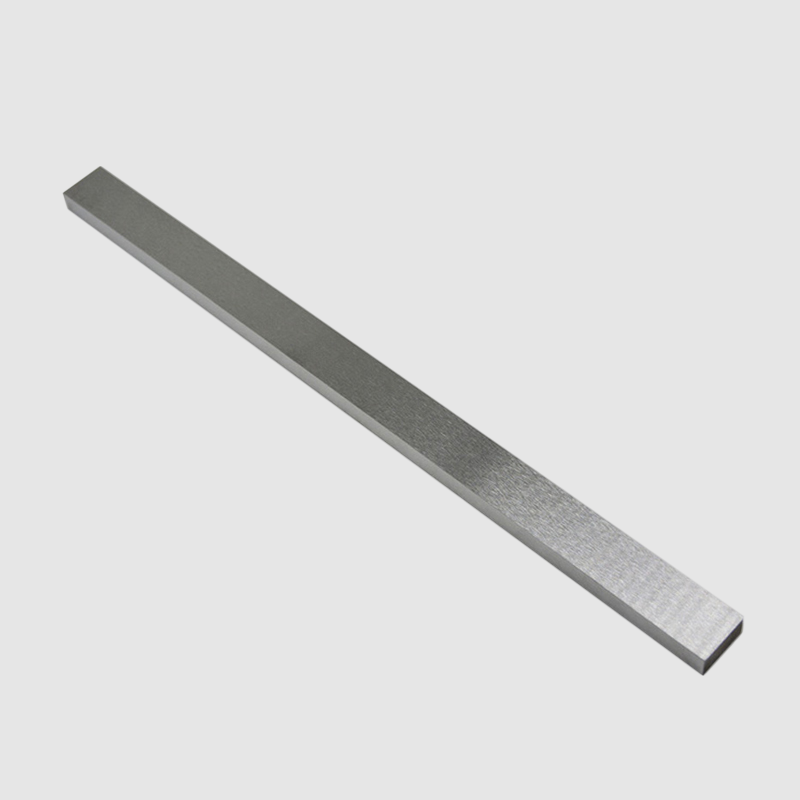
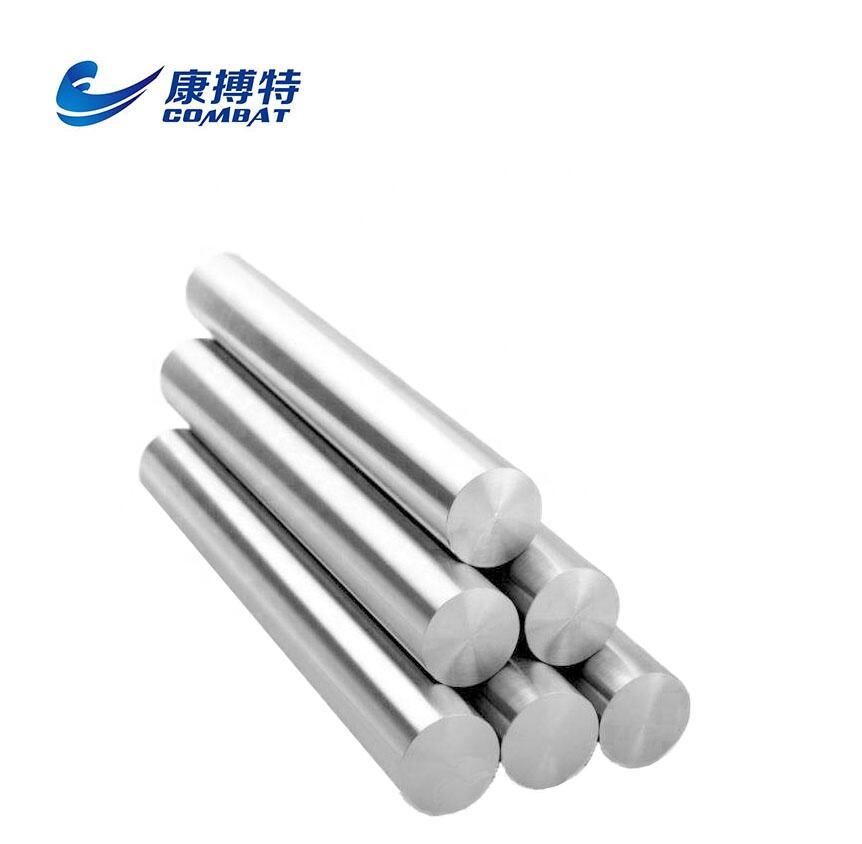
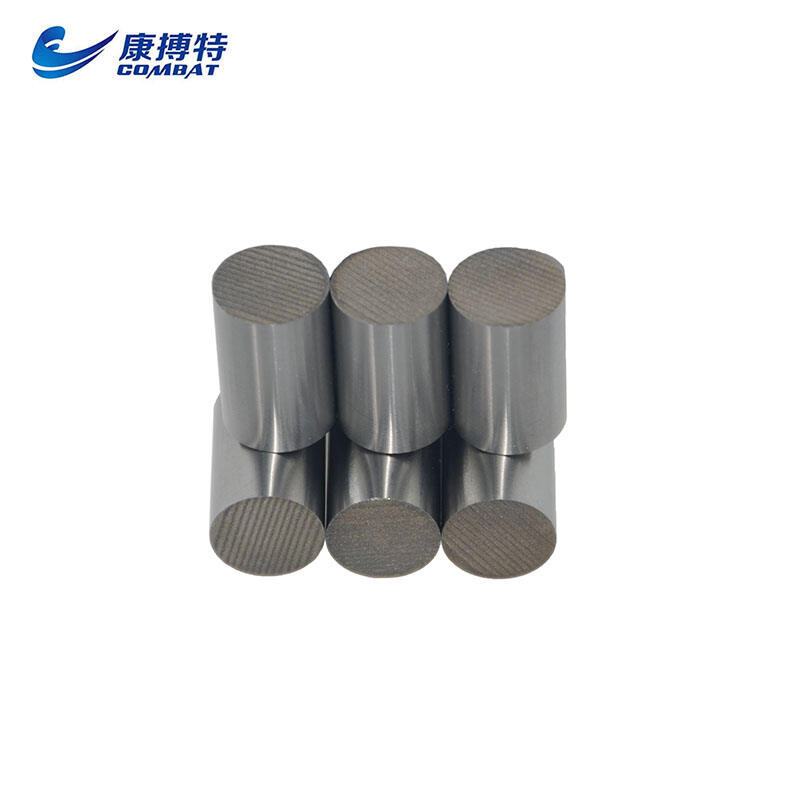
Understanding titanium bar price requires examining multiple factors that influence cost in today's industrial materials market. Titanium bars serve as essential components across aerospace, medical, marine, and chemical processing industries due to their exceptional strength-to-weight ratio and corrosion resistance. The pricing structure reflects raw material costs, manufacturing complexity, grade specifications, and market demand fluctuations. Commercial pure titanium bars typically range from lower price points, while aerospace-grade alloys command premium rates due to stringent quality requirements and certification processes. Titanium bar price varies significantly based on diameter, length, surface finish, and quantity ordered, with bulk purchases often securing favorable rates. The main functions of titanium bars include structural support in aircraft frames, surgical implant manufacturing, chemical reactor components, and marine hardware applications. Technological features encompass superior corrosion resistance in saltwater and acidic environments, biocompatibility for medical applications, non-magnetic properties for specialized equipment, and exceptional fatigue resistance under cyclic loading conditions. Manufacturing processes such as vacuum arc remelting and hot rolling contribute to the final titanium bar price while ensuring material integrity and performance characteristics. Applications span from fasteners and shafts in aerospace assemblies to bone plates and dental implants in healthcare settings. The titanium bar price reflects not only material value but also the extensive testing, certification, and traceability documentation required for critical applications. Market dynamics including titanium sponge availability, energy costs for processing, and global demand from emerging industries all influence pricing trends. Customers evaluating titanium bar price should consider total cost of ownership, including reduced maintenance expenses, extended service life, and performance advantages that often justify initial investment premiums compared to alternative materials like stainless steel or aluminum alloys.





 EN