titanium bar factory
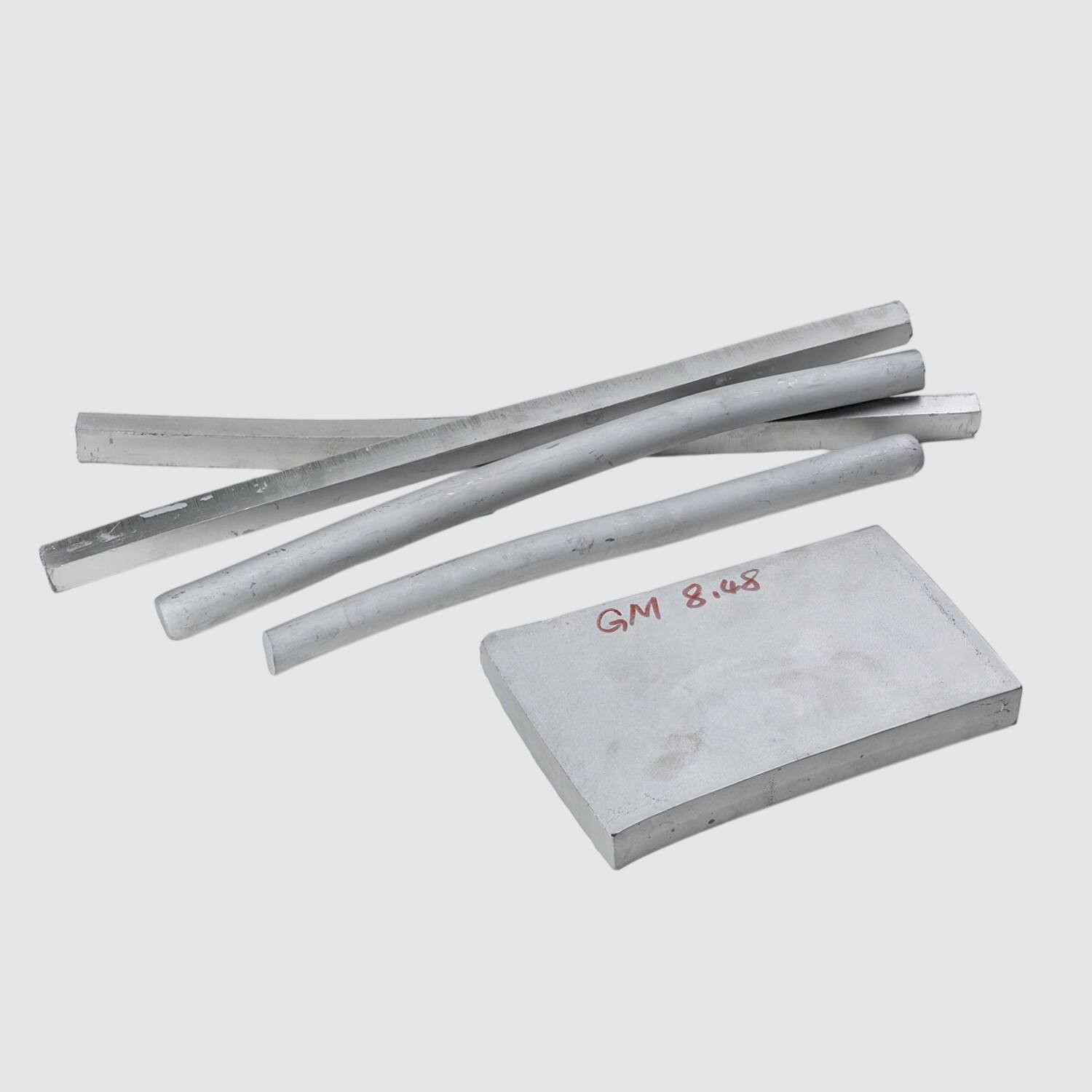
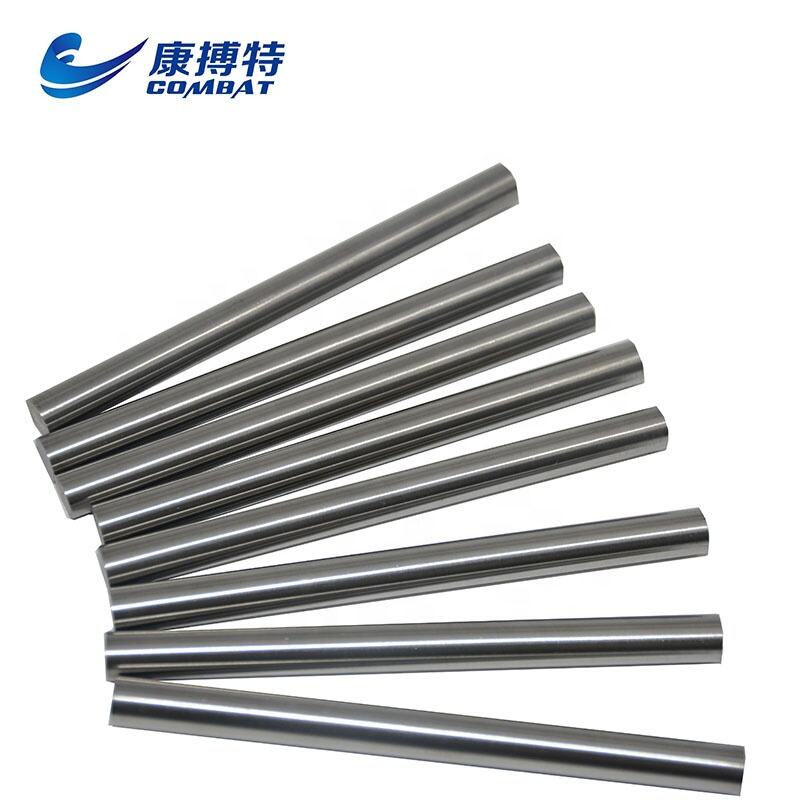
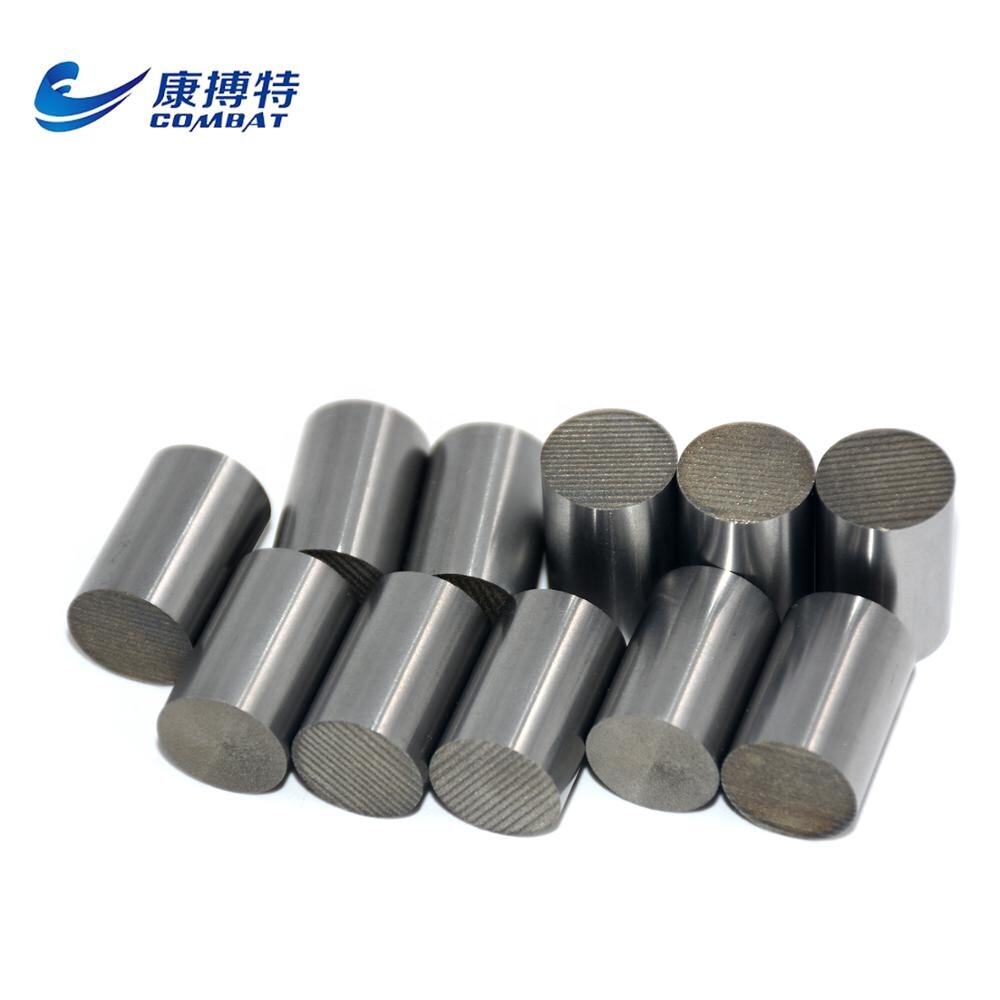
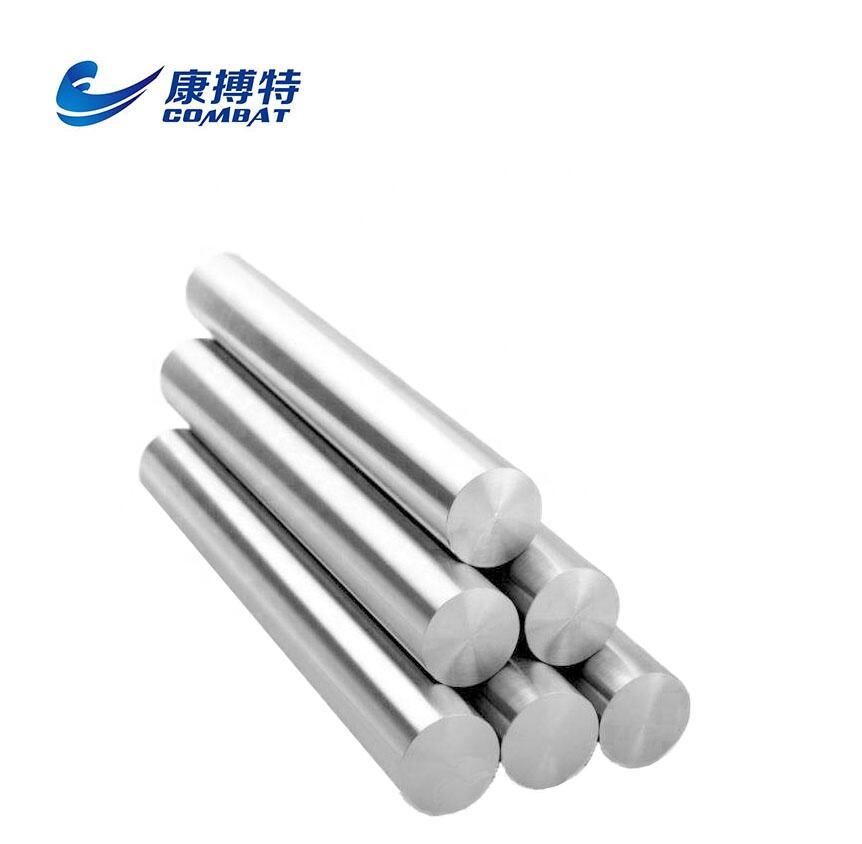
A titanium bar factory represents a specialized manufacturing facility dedicated to producing high-quality titanium bars through advanced metallurgical processes. These facilities serve as critical suppliers for industries requiring superior material performance, including aerospace, medical devices, chemical processing, and marine engineering. The primary function of a titanium bar factory involves transforming raw titanium sponge or scrap into precisely engineered bars with specific dimensions, grades, and mechanical properties. Modern titanium bar factories employ sophisticated production techniques such as vacuum arc remelting (VAR), electron beam melting (EBM), and hot rolling processes to ensure material purity and structural integrity. The manufacturing process begins with careful selection and blending of titanium raw materials, followed by melting in controlled atmospheric conditions to prevent contamination. Subsequently, the molten titanium undergoes forging and rolling operations that refine the grain structure and enhance mechanical characteristics. Quality control systems integrated throughout production monitor chemical composition, dimensional accuracy, surface finish, and mechanical properties to guarantee compliance with international standards like ASTM, AMS, and ISO specifications. Titanium bar factories typically produce various grades ranging from commercially pure titanium to complex alloys containing aluminum, vanadium, molybdenum, and other elements. These facilities maintain strict environmental controls during production since titanium reacts readily with oxygen, nitrogen, and hydrogen at elevated temperatures. Advanced titanium bar factories incorporate automated handling systems, computerized process controls, and real-time monitoring equipment to optimize production efficiency while maintaining consistent quality. The application scope of products from a titanium bar factory extends across multiple sectors where strength-to-weight ratio, corrosion resistance, and biocompatibility are paramount considerations for component selection and design implementation.





 EN