Tungsten Nickel Iron Alloy: High-Density Material Solutions for Aerospace, Medical, and Industrial Applications

Get a Free Quote

Our representative will contact you soon.
Email
Name
Country/Region
Mobile/WhatsApp
Product Name
Message
0/1000

tungsten nickel iron alloy

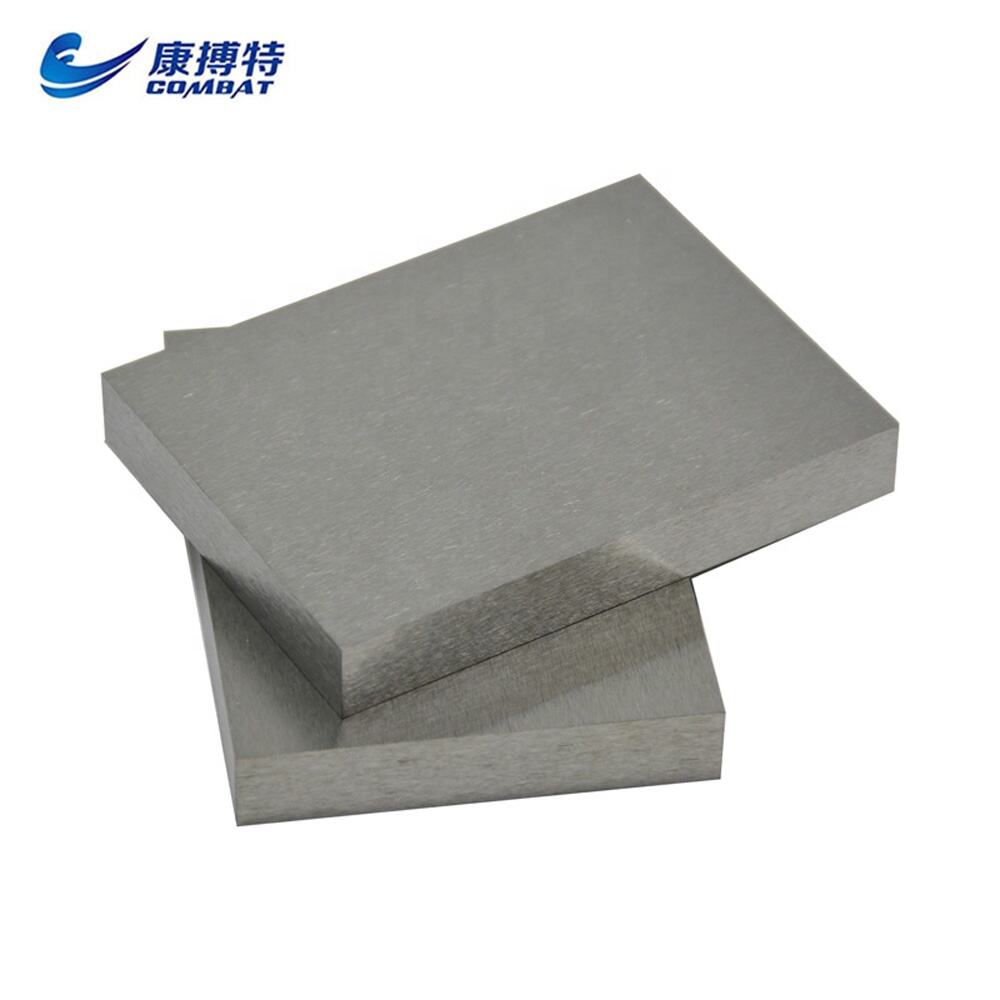
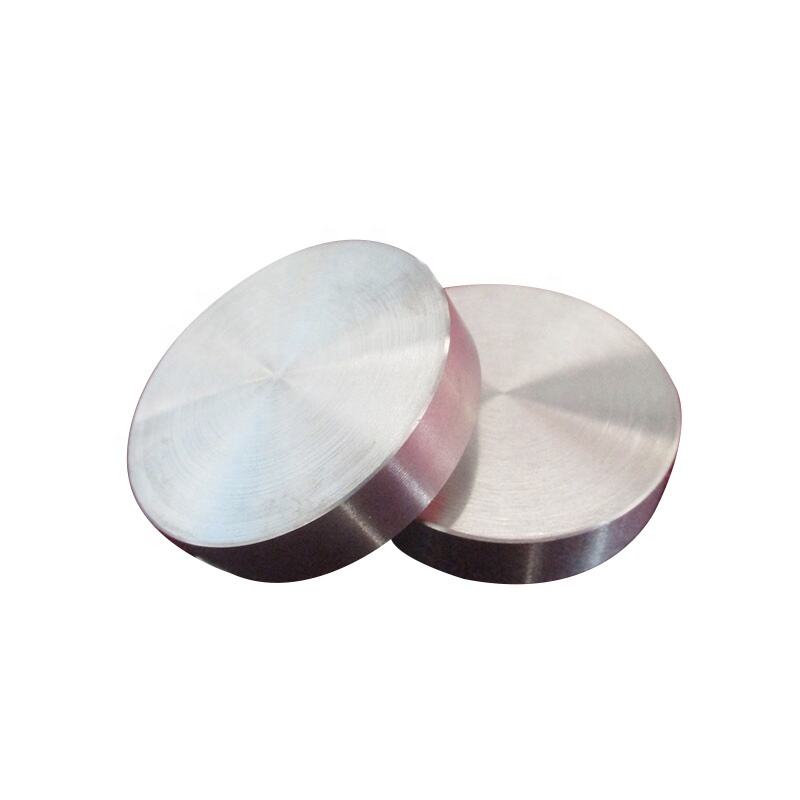
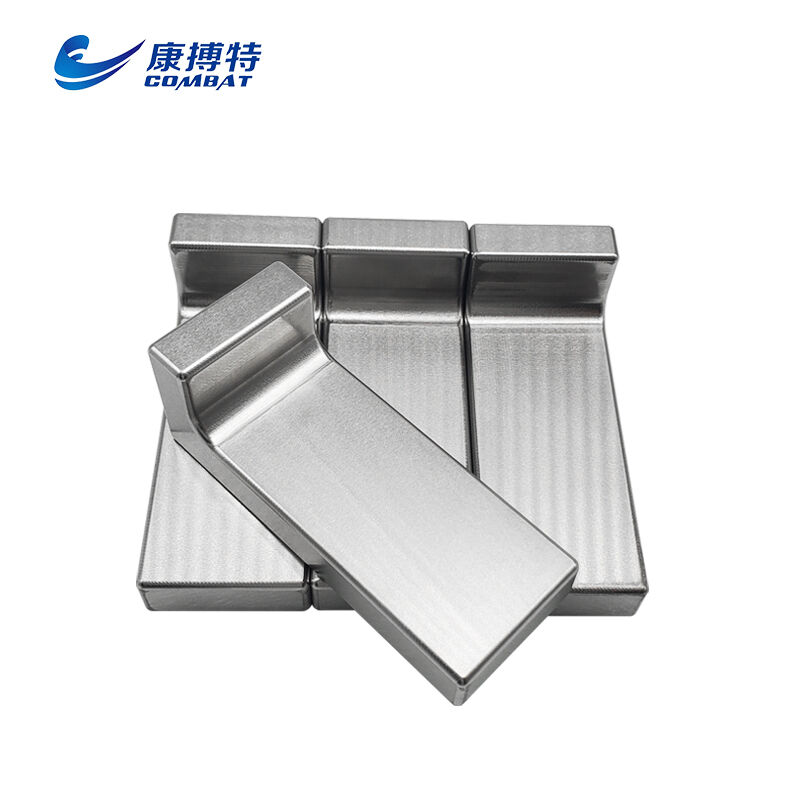
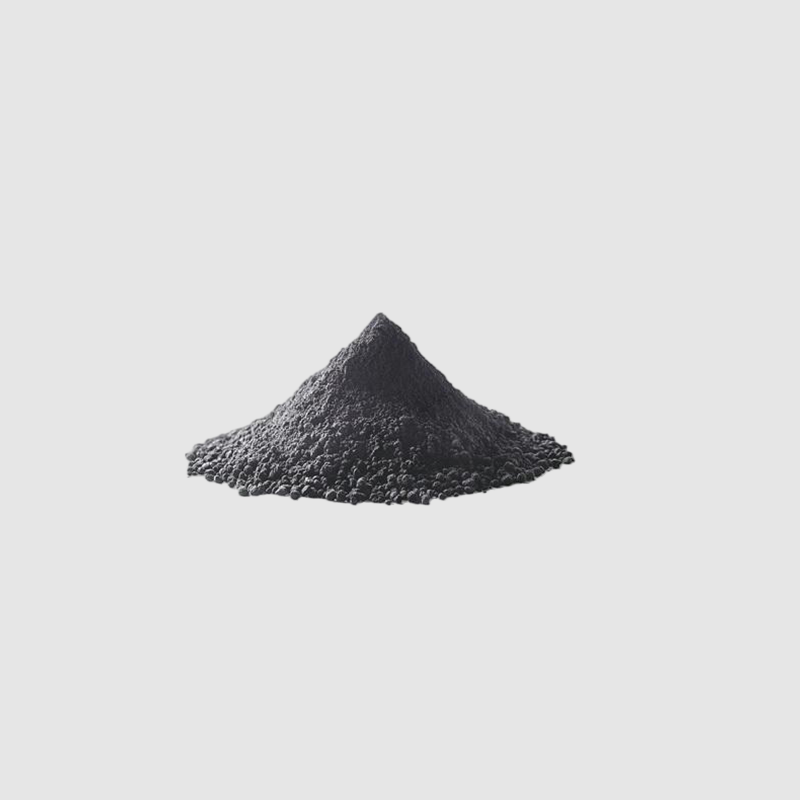
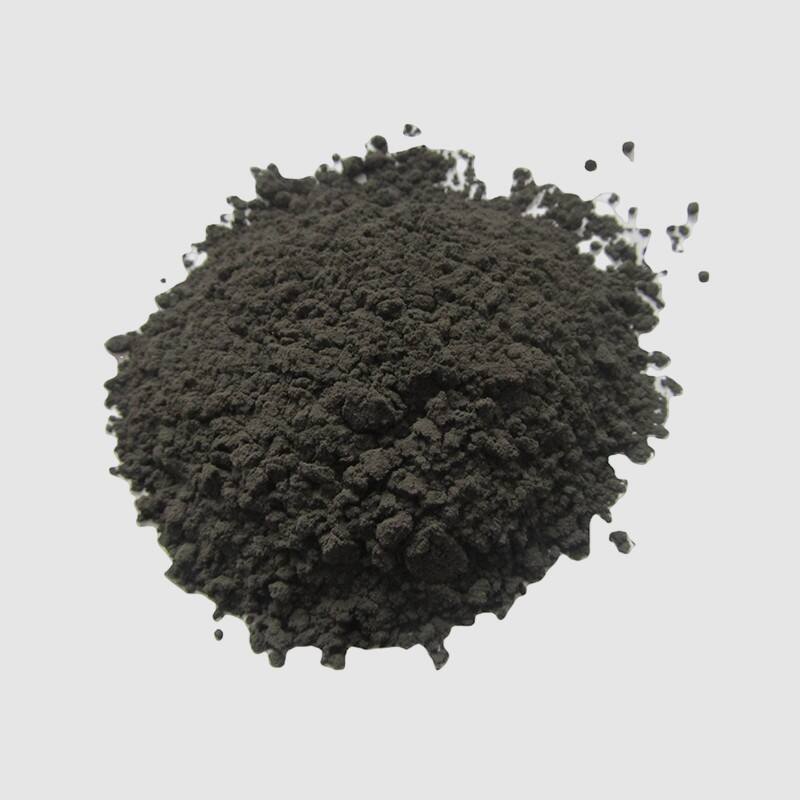
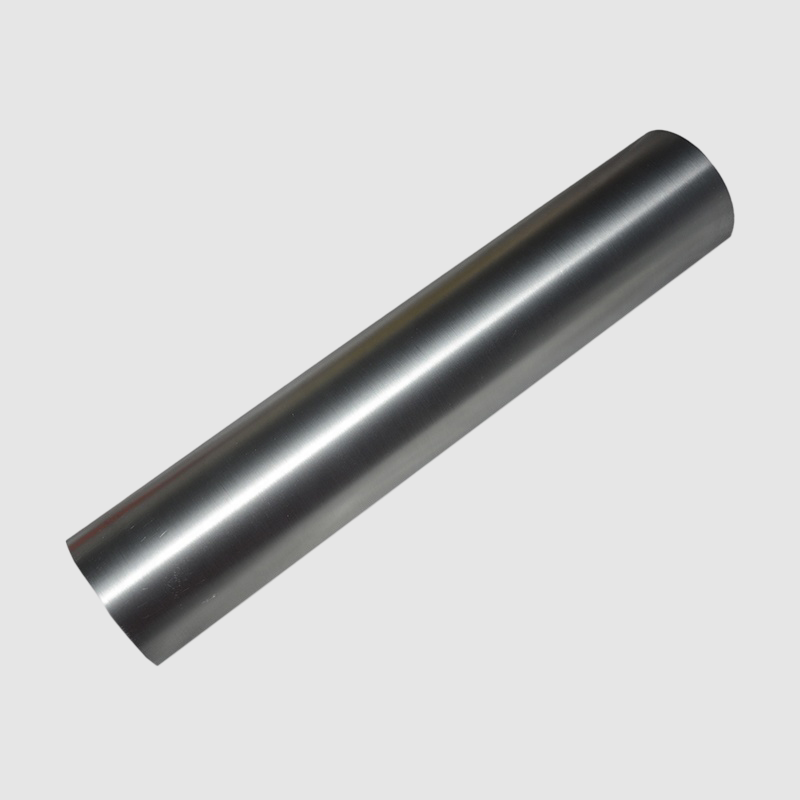
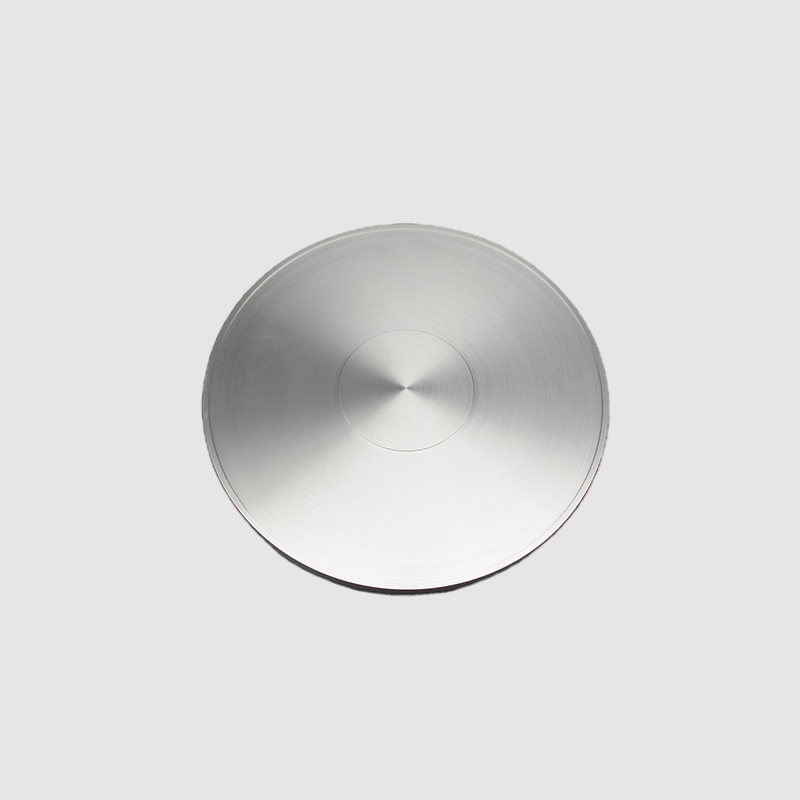
Tungsten nickel iron alloy represents a sophisticated material solution that combines the exceptional density of tungsten with the mechanical properties of nickel and iron. This high-density alloy typically consists of 90-97% tungsten, with the remaining composition made up of nickel and iron in carefully controlled ratios. The manufacturing process involves powder metallurgy techniques, where tungsten particles are blended with nickel and iron powders, then compacted and sintered at high temperatures to create a homogeneous material with remarkable properties. The resulting tungsten nickel iron alloy exhibits density values ranging from 16.5 to 18.5 g/cm³, making it significantly denser than lead while maintaining superior mechanical strength and machinability. The primary functions of this alloy include radiation shielding, counterweights, vibration damping, and kinetic energy penetrators. Its technological features encompass excellent machinability compared to pure tungsten, non-magnetic properties in specific compositions, high melting point exceeding 1400°C, and superior corrosion resistance. The alloy demonstrates remarkable tensile strength, typically ranging from 600 to 1000 MPa, combined with good ductility that allows for various fabrication processes. Applications span across aerospace, medical, military, automotive, and industrial sectors. In aerospace, tungsten nickel iron alloy serves as ballast weights and control surfaces. Medical applications include radiation shielding for X-ray and gamma-ray equipment. Military uses encompass armor-piercing projectiles and kinetic energy penetrators. The automotive industry employs this material for crankshaft balancing and vibration damping components. Industrial applications include counterweights for oil drilling equipment, high-temperature furnace components, and precision instruments requiring high-density materials with excellent dimensional stability.
Popular Products

Choosing tungsten nickel iron alloy delivers multiple practical benefits that directly impact your operational efficiency and product performance. The material offers exceptional density that allows you to achieve maximum weight in minimal space, reducing the overall size of your components while maintaining required mass specifications. This space-saving characteristic proves invaluable when designing compact systems where every cubic centimeter matters. You gain superior machinability compared to pure tungsten, enabling conventional machining operations including turning, milling, drilling, and threading without specialized equipment. This processability translates to lower manufacturing costs and faster production cycles for your projects. The alloy provides excellent mechanical strength that ensures long-term durability under demanding conditions, reducing replacement frequency and maintenance costs. You benefit from outstanding corrosion resistance that maintains material integrity in harsh environments, eliminating the need for protective coatings in many applications. The non-toxic nature of tungsten nickel iron alloy makes it an environmentally responsible alternative to lead-based materials, helping you meet increasingly stringent environmental regulations while protecting worker health and safety. You experience consistent performance across wide temperature ranges, with the material maintaining its properties from cryogenic conditions to elevated temperatures exceeding 500°C. The alloy demonstrates excellent vibration damping characteristics that reduce unwanted oscillations in rotating machinery and precision instruments, improving accuracy and extending equipment lifespan. You achieve precise dimensional control due to the material's low thermal expansion coefficient, ensuring tight tolerances remain stable during temperature fluctuations. The electromagnetic properties of tungsten nickel iron alloy can be tailored through composition adjustments, allowing you to specify magnetic or non-magnetic variants based on your application requirements. You gain design flexibility through various available forms including rods, plates, sheets, and custom-machined components. The material's high radiation absorption capacity provides effective shielding with thinner walls compared to alternative materials, optimizing space utilization in medical and nuclear applications. You benefit from excellent weldability that facilitates assembly and repair operations, extending component service life. The alloy's resistance to thermal shock prevents cracking during rapid temperature changes, ensuring reliability in cyclic heating applications. You receive consistent quality through controlled manufacturing processes that deliver predictable material properties batch after batch, simplifying your quality assurance procedures and reducing testing requirements.

Practical Tips

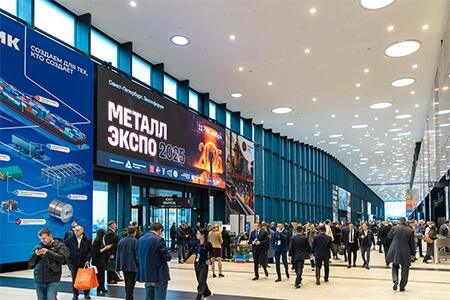
The 31st Russia International Metal and Metallurgy Industry Exhibition 2025 (Metal-Expo)

24

Apr

The 31st Russia International Metal and Metallurgy Industry Exhibition 2025 (Metal-Expo)

View More
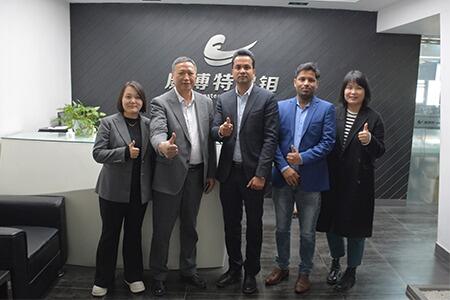
Indian Delegation Visits Youbo, Signs Molybdenum Bar and Tungsten Alloy Procurement Agreement​​

24

Apr

Indian Delegation Visits Youbo, Signs Molybdenum Bar and Tungsten Alloy Procurement Agreement​​

View More
The Grand Opening Of The 2025 China International Powder Metallurgy, Hard Alloy And Advanced Ceramics Exhibition

24

Apr

The Grand Opening Of The 2025 China International Powder Metallurgy, Hard Alloy And Advanced Ceramics Exhibition

View More
Luoyang Combat Tungsten & Molybdenum Materials Co., Ltd. Shines at Asia Ferroalloys 2025 Conference to Forge Global Collaboration Opportunities

24

Apr

Luoyang Combat Tungsten & Molybdenum Materials Co., Ltd. Shines at Asia Ferroalloys 2025 Conference to Forge Global Collaboration Opportunities

View More

Get a Free Quote

Our representative will contact you soon.
Email
Name
Country/Region
Mobile/WhatsApp
Product Name
Message
0/1000

tungsten nickel iron alloy

Unmatched Density Performance for Space-Critical Applications

Unmatched Density Performance for Space-Critical Applications

Tungsten nickel iron alloy delivers density performance that fundamentally changes how engineers approach weight-critical design challenges. With density values reaching 18.5 g/cm³, this material provides nearly 2.3 times the density of steel and 1.7 times that of lead, enabling dramatic size reductions in applications where mass concentration is essential. This exceptional density characteristic becomes particularly valuable in aerospace counterweight applications, where every gram of unnecessary material increases fuel consumption and reduces payload capacity. Aircraft manufacturers utilize tungsten nickel iron alloy for control surface balancing, achieving required moment arms with components 60% smaller than steel equivalents. The space savings extend beyond simple volume reduction, as smaller components create opportunities for improved aerodynamic profiles and additional functional integration within existing envelopes. In medical radiation shielding applications, the high density of tungsten nickel iron alloy allows for thinner protective barriers that maintain equivalent radiation attenuation while improving patient access and reducing equipment footprint. A radiation therapy room shielded with this alloy can utilize walls 40% thinner than lead alternatives, translating to significant construction cost savings and increased usable floor space. The material's density advantage proves equally important in oil and gas drilling operations, where downhole tools require maximum weight to maintain drilling pressure while navigating narrow boreholes. Tungsten nickel iron alloy drill collars and stabilizers deliver necessary weight-on-bit forces within diameter constraints that would be impossible with conventional steel components. Military applications leverage this density for kinetic energy penetrators that achieve superior armor penetration through concentrated mass delivery at high velocities. The material's ability to maintain structural integrity during high-velocity impact, combined with its density advantage, creates penetration performance unmatched by lighter alternatives. Industrial flywheel applications benefit from the concentrated mass that enables higher energy storage in smaller rotating assemblies, improving power quality systems while reducing installation space requirements. The density performance of tungsten nickel iron alloy represents not merely a material property but a fundamental enabler of advanced engineering solutions across diverse industries.
Superior Machinability Reducing Manufacturing Complexity and Cost

Superior Machinability Reducing Manufacturing Complexity and Cost

Tungsten nickel iron alloy distinguishes itself through exceptional machinability that transforms manufacturing economics compared to pure tungsten and other high-density alternatives. The carefully balanced composition of tungsten, nickel, and iron creates a material matrix that responds predictably to conventional machining operations, eliminating the need for specialized equipment or exotic tooling. Manufacturers can employ standard carbide cutting tools to achieve excellent surface finishes and tight tolerances, with tool life comparable to machining stainless steel. This machinability advantage directly reduces your production costs by enabling the use of existing machine tools and operator expertise without requiring investment in specialized capabilities. The material machines cleanly without excessive work hardening, allowing multiple machining passes without intermediate annealing treatments that would extend production cycles and increase energy consumption. Threading operations produce sharp, well-defined threads that maintain integrity under high stress loading, enabling reliable mechanical fastening in critical assemblies. Drilling operations proceed smoothly without excessive drill wander or breakthrough burring, producing clean holes suitable for precision pin locations and fastener installations. The alloy's machinability extends to complex geometries including undercuts, pockets, and intricate contours that would be prohibitively difficult or impossible with pure tungsten. This geometric freedom empowers designers to optimize component shapes for functional performance rather than accepting compromises dictated by manufacturing limitations. Turning operations achieve excellent concentricity and surface finish on cylindrical components, producing precision shafts and bushings without secondary grinding operations. Milling creates flat surfaces and complex profiles with dimensional accuracy within 0.001 inches, meeting demanding tolerance requirements for aerospace and medical applications. The material's consistent machinability across different lot numbers ensures predictable production planning and eliminates the variability that complicates scheduling and quality control with less uniform materials. Manufacturers benefit from reduced scrap rates as the forgiving nature of tungsten nickel iron alloy minimizes the risk of machining errors that would render expensive blanks unusable. The ability to machine complex features in a single setup reduces handling time and eliminates cumulative positioning errors associated with multiple setups, improving both productivity and accuracy. This superior machinability translates to faster time-to-market for new products and lower per-unit costs for production runs, providing competitive advantages that extend well beyond the material itself.
Environmental Safety and Regulatory Compliance Advantages

Environmental Safety and Regulatory Compliance Advantages

Tungsten nickel iron alloy provides critical environmental and safety advantages that address growing regulatory pressures and corporate sustainability commitments across global markets. Unlike lead-based high-density materials that have dominated traditional applications, this alloy contains no toxic heavy metals that pose health risks to manufacturing workers or end users. The non-toxic composition eliminates the need for extensive personal protective equipment during machining operations, reducing worker discomfort and improving productivity while ensuring compliance with occupational health standards. Manufacturing facilities working with tungsten nickel iron alloy avoid the costly air monitoring, blood testing, and medical surveillance programs mandated for lead exposure, significantly reducing administrative burden and liability exposure. The material generates machining chips and dust that can be handled through standard industrial hygiene practices without requiring specialized hazardous waste disposal procedures. This simplified waste management translates to lower operating costs and reduced environmental compliance risk compared to lead alternatives that require expensive disposal through licensed hazardous waste contractors. European Union RoHS directives and similar regulations worldwide increasingly restrict lead usage in consumer and industrial products, creating market access barriers for manufacturers relying on traditional lead-based materials. Tungsten nickel iron alloy provides a compliant alternative that maintains performance while ensuring unrestricted market access across jurisdictions with stringent environmental regulations. The material's corrosion resistance prevents leaching of constituents into soil or groundwater, addressing environmental concerns associated with product end-of-life disposal. Components manufactured from this alloy can be recycled through established tungsten reclamation processes, supporting circular economy initiatives and reducing demand for virgin material extraction. The absence of radioactive constituents distinguishes tungsten nickel iron alloy from depleted uranium alternatives sometimes employed in military and industrial applications, eliminating radiological safety concerns and associated handling restrictions. Medical device manufacturers particularly value this safety profile, as tungsten nickel iron alloy radiation shielding components can be installed, maintained, and eventually decommissioned without triggering radiological control requirements. The material's stable chemistry prevents degradation that could release harmful substances during high-temperature service conditions, ensuring long-term safety in furnace components and other elevated temperature applications. Corporate sustainability reporting increasingly demands documentation of hazardous material elimination and environmental impact reduction, making tungsten nickel iron alloy an attractive choice for companies seeking to demonstrate environmental leadership. The combination of performance, safety, and regulatory compliance positions this material as the responsible choice for forward-thinking organizations committed to protecting both human health and environmental quality.

Get a Free Quote

Our representative will contact you soon.
Email
Name
Country/Region
Mobile/WhatsApp
Product Name
Message
0/1000