Environmental Responsibility and Regulatory Compliance Advantages
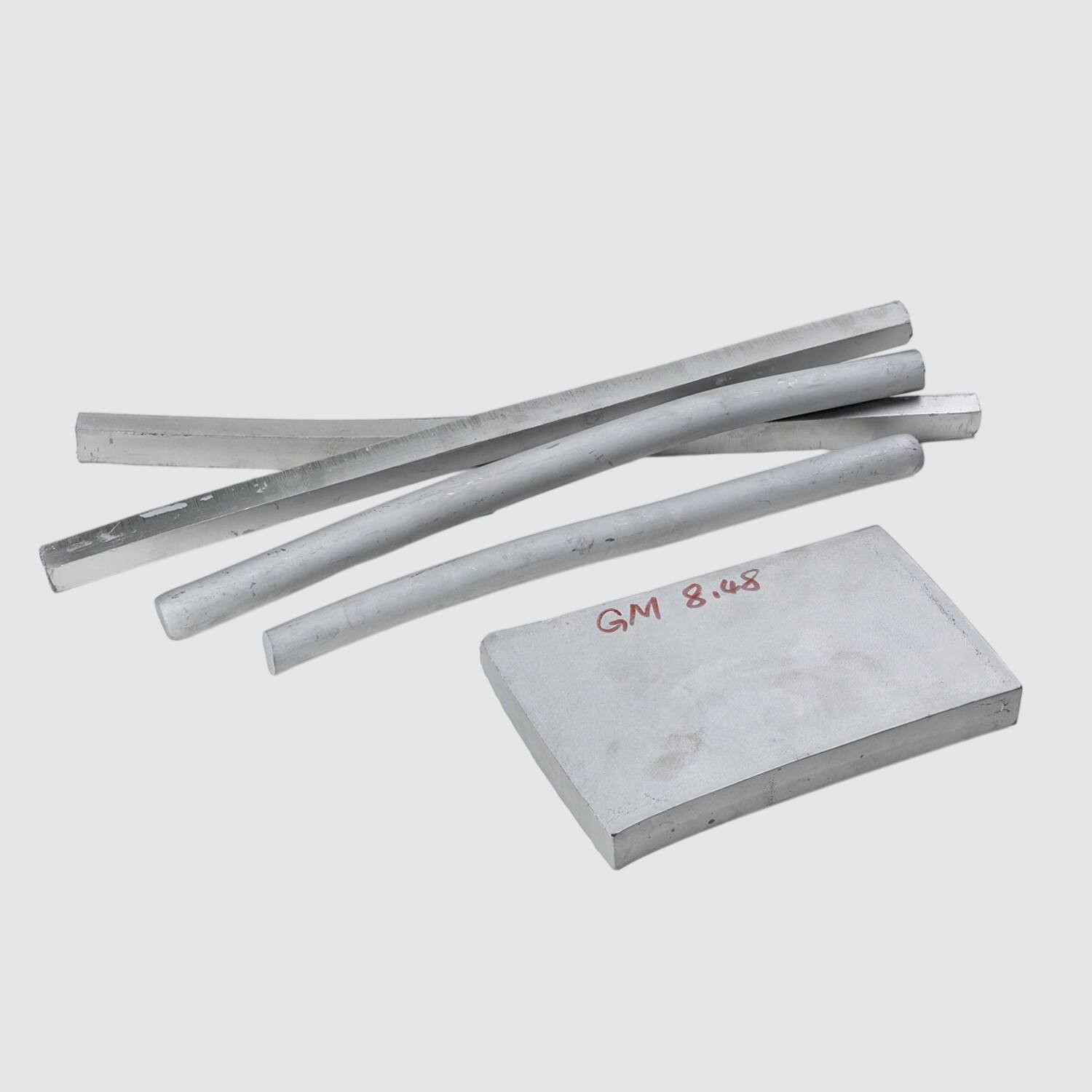
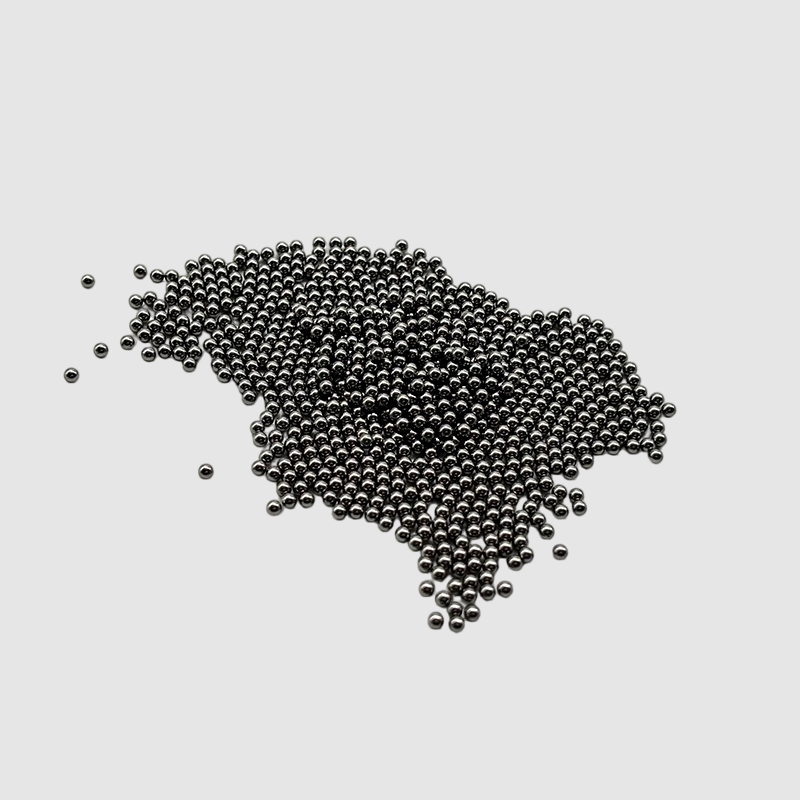
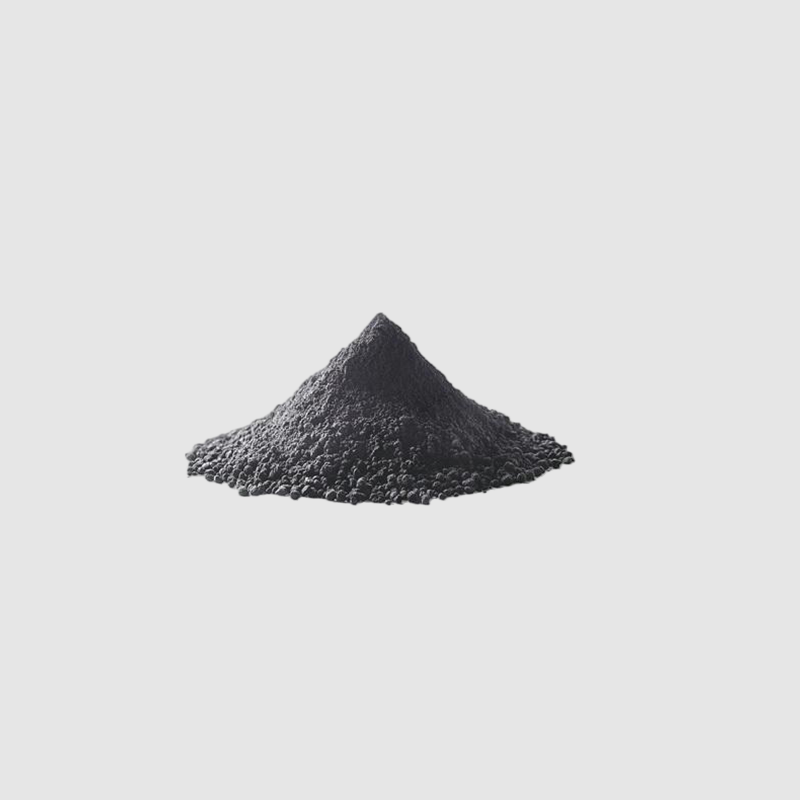
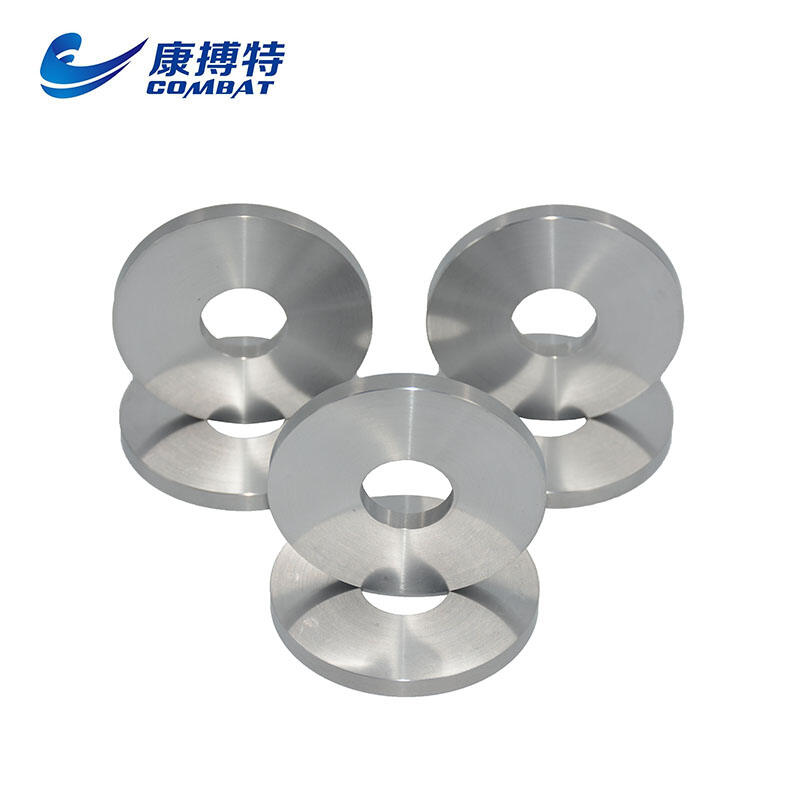
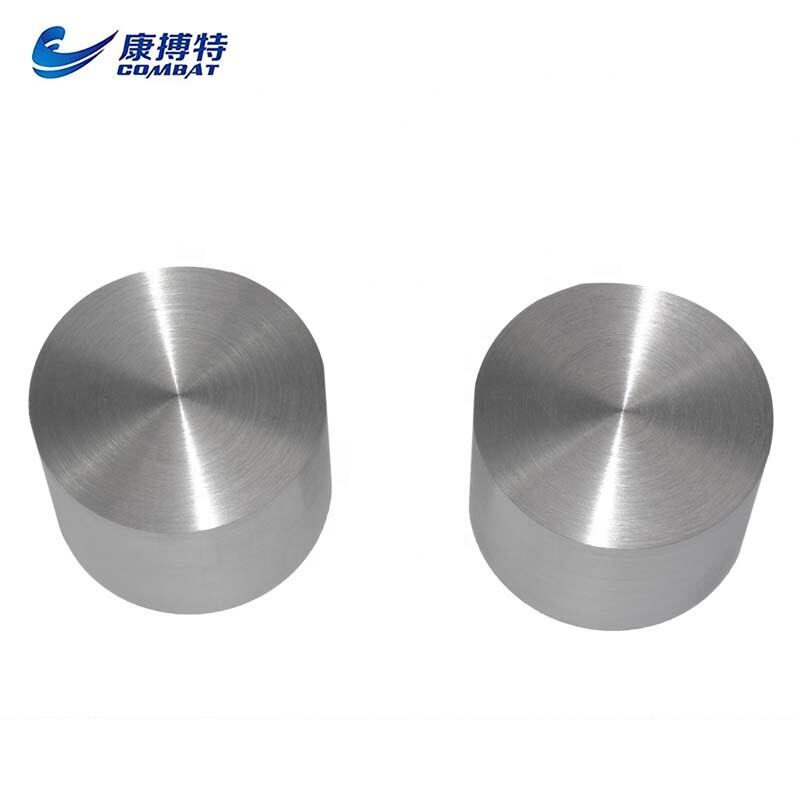
Tungsten heavy powder and parts provide environmentally responsible solutions that enable companies to meet increasingly stringent regulatory requirements while maintaining or exceeding the performance standards previously achieved with toxic alternatives. The transition away from lead-based materials has created urgent demand for high-density alternatives that do not compromise human health or environmental quality, positioning tungsten heavy powder and parts as the preferred choice for forward-thinking organizations. Unlike lead, which poses significant health risks through ingestion, inhalation, or skin contact, tungsten alloys used in these components present minimal toxicity concerns, allowing workers to handle them safely without elaborate protective measures or specialized disposal procedures. This safety advantage extends throughout the product lifecycle, from manufacturing facilities where workers produce components without exposure to neurotoxic substances, through end-use applications where consumers and operators avoid contact with hazardous materials, to eventual disposal or recycling where tungsten heavy powder and parts do not contaminate soil or water supplies. Regulatory compliance benefits emerge as governments worldwide implement restrictions on lead usage in consumer products, industrial applications, and defense materials, creating legal imperatives for material substitution that tungsten heavy powder and parts satisfy completely. The medical industry particularly values this environmental profile, as healthcare facilities must minimize toxic material usage to protect patients, staff, and surrounding communities while maintaining effective radiation shielding that tungsten components provide without compromise. Sporting goods manufacturers have embraced tungsten heavy powder and parts as they reformulate products to meet consumer demand for environmentally friendly alternatives, with fishing weights and ammunition components leading this transition toward sustainable materials. The defense sector recognizes that training ranges contaminated with lead pose long-term environmental liabilities and health risks to military personnel, driving adoption of tungsten heavy powder and parts in ammunition and other applications where lead previously dominated. Industrial applications benefit from simplified waste management procedures, as tungsten components can be recycled or disposed of without the specialized handling and documentation required for hazardous materials, reducing administrative burden and disposal costs. The importance of this environmental advantage grows as corporate sustainability initiatives and environmental, social, and governance considerations influence procurement decisions, with tungsten heavy powder and parts enabling companies to demonstrate environmental stewardship while maintaining operational effectiveness. Manufacturing processes for these materials incorporate environmental best practices, including closed-loop water systems, energy-efficient sintering operations, and waste minimization protocols that reduce the ecological footprint of production activities. Quality certifications and material traceability documentation provide customers with assurance that tungsten heavy powder and parts meet environmental standards and originate from responsible sources, supporting corporate supply chain transparency objectives. The value proposition encompasses risk mitigation, as companies using these materials avoid potential liability associated with toxic material exposure, environmental contamination, or regulatory non-compliance that could result in fines, remediation costs, or reputational damage. Forward-looking organizations recognize that investing in tungsten heavy powder and parts today positions them advantageously for future regulatory developments while demonstrating commitment to environmental responsibility that resonates with customers, employees, and stakeholders who increasingly prioritize sustainability in their decision-making processes.



 EN