Versatile Applications Across Multiple Industries
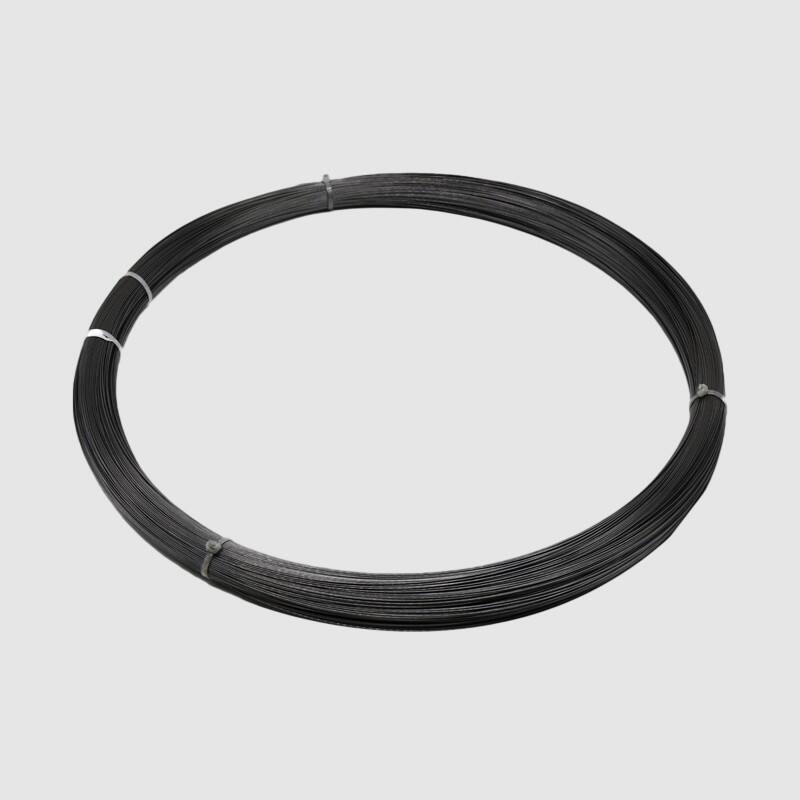
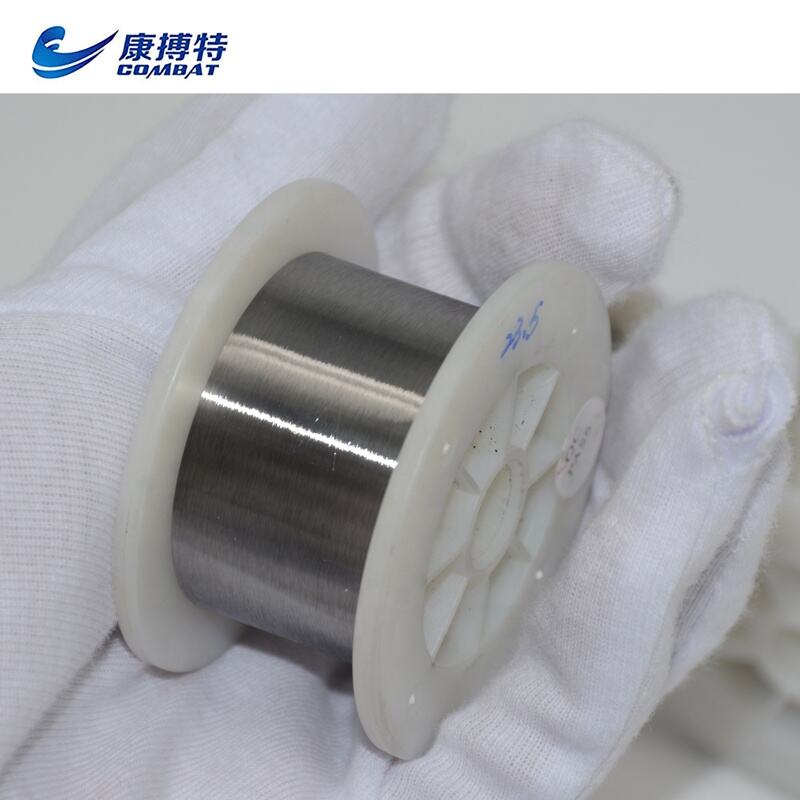
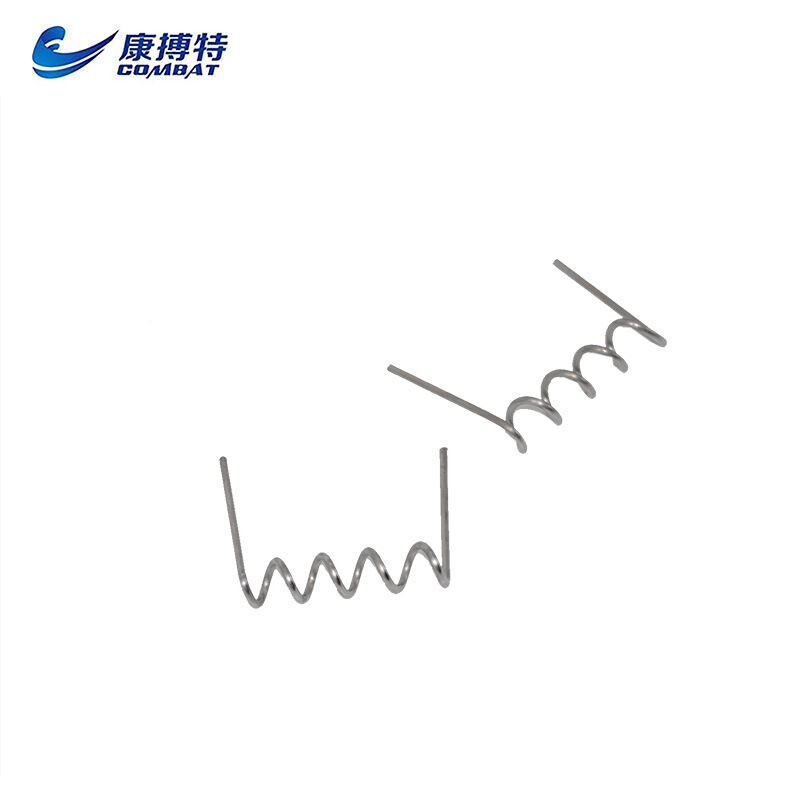
The remarkable versatility of tungsten filament wire enables its successful deployment across an extraordinarily diverse range of industries and applications, from traditional lighting to cutting-edge scientific research and industrial manufacturing. This adaptability stems from the material's unique combination of properties that satisfy demanding requirements in multiple technical domains simultaneously. Lighting manufacturers continue to specify tungsten filament wire for applications where its warm color temperature, high color rendering index, and instant-on capability provide distinct advantages over alternative technologies. The wire's spectral output characteristics closely match blackbody radiation curves, producing light quality that many users prefer for specific applications including specialty lighting, decorative fixtures, and situations where accurate color perception is critical. Industrial heating applications leverage the material's ability to generate and maintain high temperatures in controlled environments, supporting processes ranging from heat treatment and annealing to crystal growth and materials synthesis. The wire functions effectively in vacuum, inert gas, and controlled atmosphere environments, providing flexibility in process design and enabling applications that would be impossible with materials requiring specific atmospheric conditions. Scientific and research institutions utilize tungsten filament wire in electron microscopes, mass spectrometers, and various analytical instruments where its stable electron emission characteristics and thermal properties prove essential for accurate measurements and reliable operation. The aerospace and defense sectors incorporate this material in specialized sensors, high-temperature components, and systems requiring absolute reliability under extreme conditions where failure could have catastrophic consequences. Medical equipment manufacturers depend on tungsten filament wire for X-ray tube filaments and diagnostic imaging systems, capitalizing on the material's high atomic number, thermal stability, and consistent performance characteristics. The semiconductor industry employs the wire in manufacturing equipment, chemical vapor deposition systems, and processes requiring precise temperature control and contamination-free operation. Automotive applications include specialized sensors and heating elements that must withstand harsh operating environments while maintaining consistent performance throughout the vehicle's service life. The material's compatibility with various manufacturing processes, including coiling, welding, and forming operations, enables custom configurations tailored to specific application requirements. This manufacturing flexibility supports both high-volume production of standardized components and low-volume custom solutions for specialized applications, serving markets ranging from consumer products to advanced research equipment.



 EN