Superior Biocompatibility for Medical and Pharmaceutical Applications
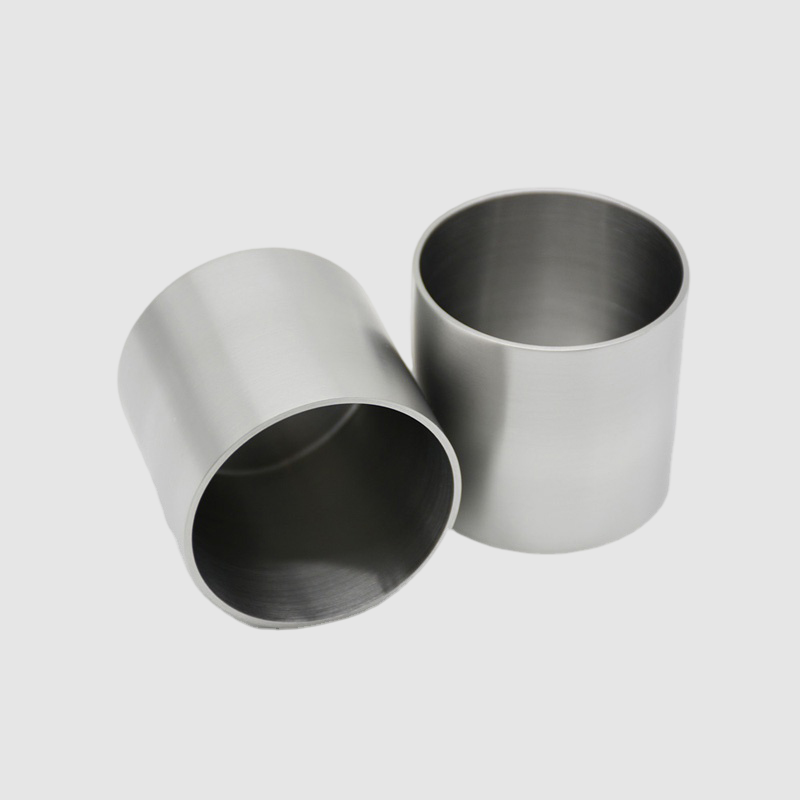
Tantalum tubing offers exceptional biocompatibility that makes it uniquely suited for medical device manufacturing, pharmaceutical processing, and biotechnology applications where material interactions with biological systems must be carefully controlled. The human body tolerates tantalum with minimal immune response, allowing direct tissue contact without triggering inflammation, rejection, or adverse cellular reactions that compromise healing and device function. Orthopedic surgeons use tantalum components in joint replacements and bone repair systems because the material integrates with natural bone tissue through osseointegration, creating stable mechanical interfaces that support long-term implant success. Cardiovascular devices incorporate tantalum tubing in stents, pacemaker leads, and catheter components that must remain inert within the bloodstream while maintaining mechanical flexibility and electrical conductivity for signal transmission. The material's radiopacity provides clear visualization under fluoroscopy and X-ray imaging, enabling precise device placement during minimally invasive procedures without requiring additional contrast agents or marker materials. Pharmaceutical manufacturers select tantalum tubing for process equipment contacting active pharmaceutical ingredients, sterile solutions, and biological products because the material neither leaches extractables into formulations nor adsorbs valuable compounds from process streams. Regulatory compliance becomes straightforward as tantalum meets USP Class VI biocompatibility requirements and FDA material standards for implantable devices without requiring extensive qualification testing for each new application. Biotechnology companies processing cell cultures, proteins, and vaccines rely on tantalum tubing to maintain product integrity throughout purification, filtration, and filling operations where metal ion contamination could denature sensitive biological molecules or reduce therapeutic efficacy. The material's smooth electropolished surface minimizes protein adhesion and bacterial colonization, supporting clean-in-place protocols that achieve validated cleanliness levels between production batches. Sterilization compatibility allows tantalum tubing to withstand repeated autoclaving, gamma irradiation, and chemical sterilization cycles without degradation, maintaining dimensional tolerances and surface characteristics essential for precision fluid handling. Medical device designers appreciate the material's combination of strength, flexibility, and biocompatibility that enables miniaturized components for minimally invasive procedures while ensuring patient safety throughout extended implantation periods. The absence of nickel, chromium, and other allergenic metals eliminates hypersensitivity concerns affecting patients with metal sensitivities who cannot tolerate conventional stainless steel implants.




 EN