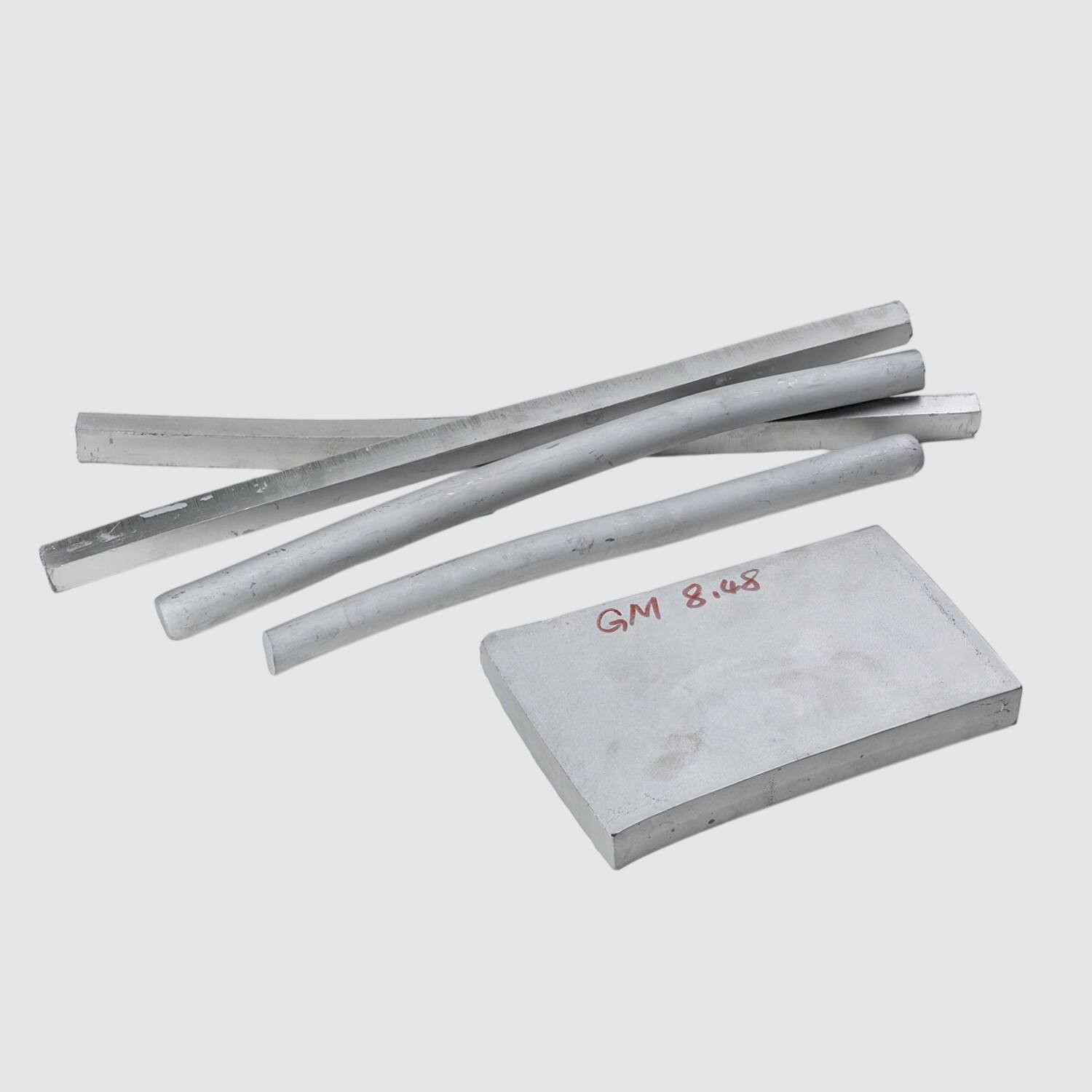
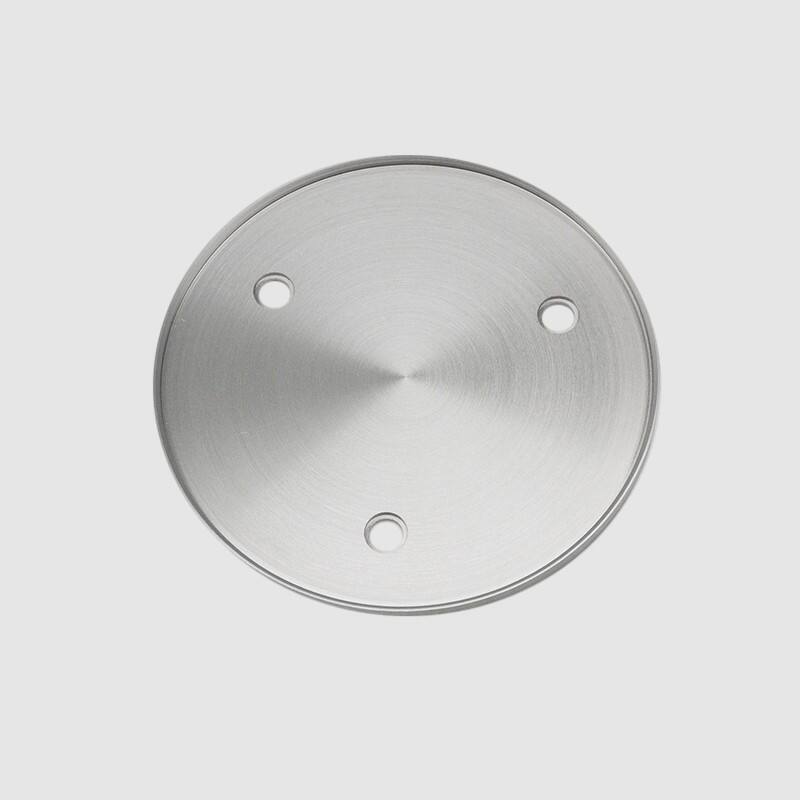
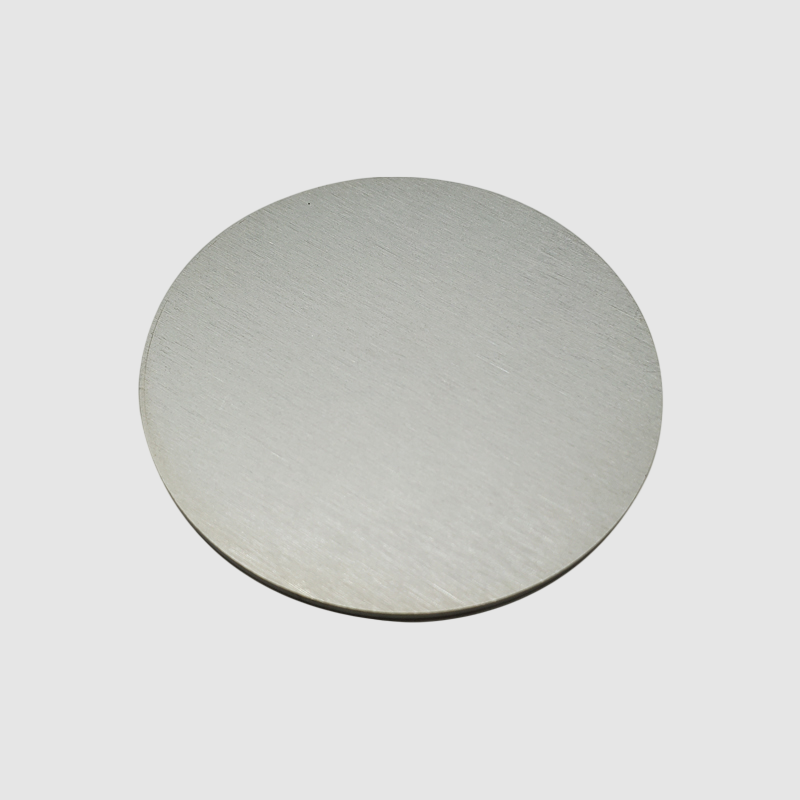
tantalum plate
Tantalum plate represents a specialized metal product manufactured from high-purity tantalum, a rare refractory metal known for its exceptional resistance to corrosion and extreme temperatures. This material serves critical roles across multiple industries where standard metals fail to meet demanding operational requirements. The tantalum plate exhibits remarkable chemical stability, remaining inert when exposed to most acids, alkalis, and corrosive substances at elevated temperatures. Manufacturing processes involve powder metallurgy techniques or electron beam melting, resulting in plates with consistent thickness, superior surface finish, and predictable mechanical properties. These plates are available in various dimensions, typically ranging from thin foils measuring 0.1mm to substantial sheets exceeding 50mm in thickness, accommodating diverse application needs. The material maintains structural integrity across temperature ranges from cryogenic conditions to beyond 2000 degrees Celsius, making it invaluable for extreme environment applications. Primary functions include serving as corrosion-resistant barriers in chemical processing equipment, acting as sputtering targets in semiconductor manufacturing, functioning as heat shields in aerospace applications, and providing biocompatible surfaces for medical implants. The tantalum plate demonstrates excellent formability, allowing fabrication into complex geometries through standard metalworking techniques including rolling, stamping, welding, and machining. Its high density of 16.6 grams per cubic centimeter contributes to effective radiation shielding properties. The material's low vapor pressure ensures minimal contamination in vacuum environments, critical for electronics manufacturing. Technological features include exceptional dielectric properties when anodized, creating stable oxide layers used in capacitor production. The tantalum plate resists attack from hydrochloric acid, sulfuric acid, nitric acid, and organic acids below their boiling points, outperforming stainless steel, titanium, and most exotic alloys. Applications span chemical processing plants, pharmaceutical manufacturing equipment, nuclear reactors, medical device production, electronics fabrication, and aerospace component manufacturing, where reliability and longevity justify the material investment.




 EN