Fine Tungsten Wire: High-Performance Material for Extreme Temperature and Precision Applications

Get a Free Quote

Our representative will contact you soon.
Email
Name
Country/Region
Mobile/WhatsApp
Product Name
Message
0/1000

fine tungsten wire

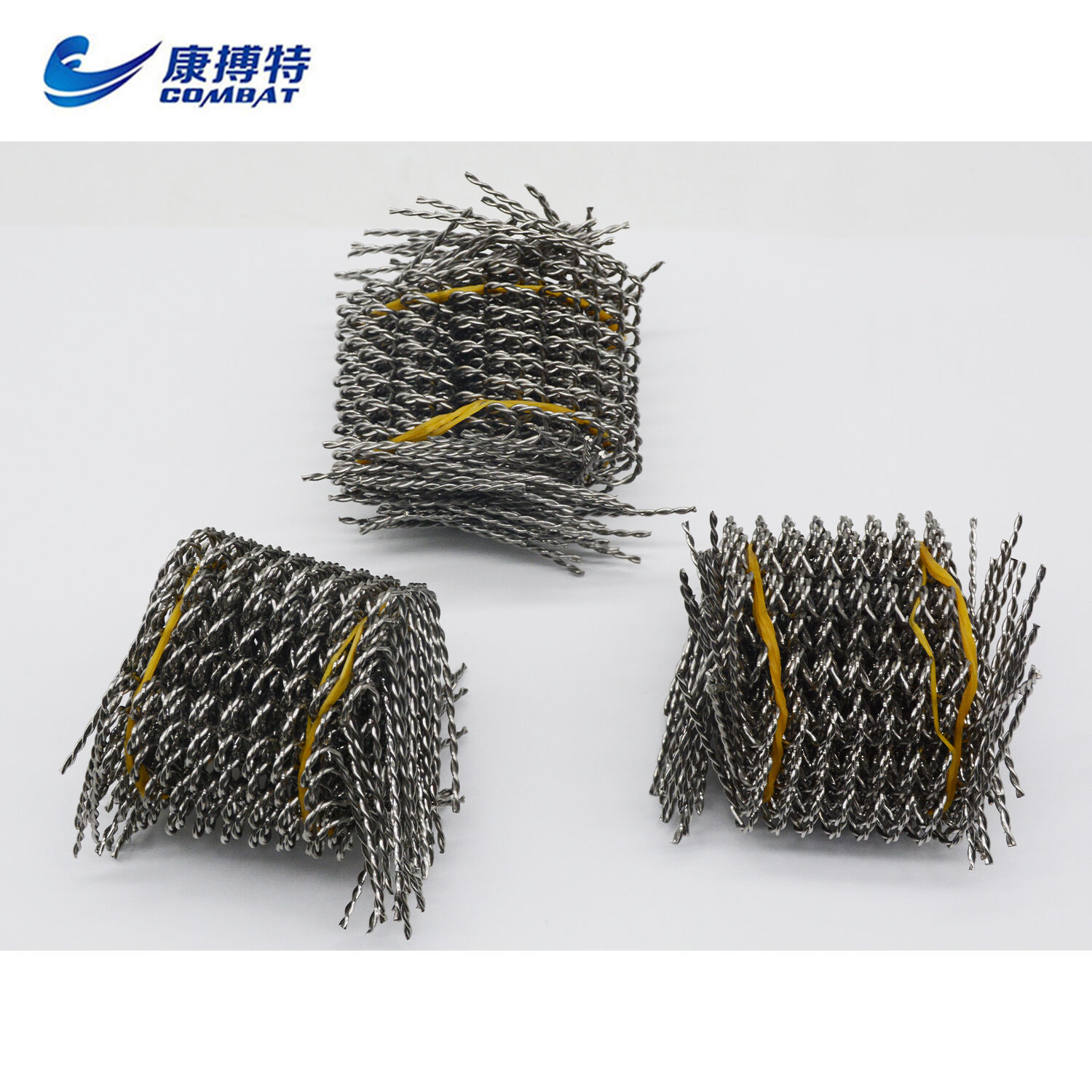
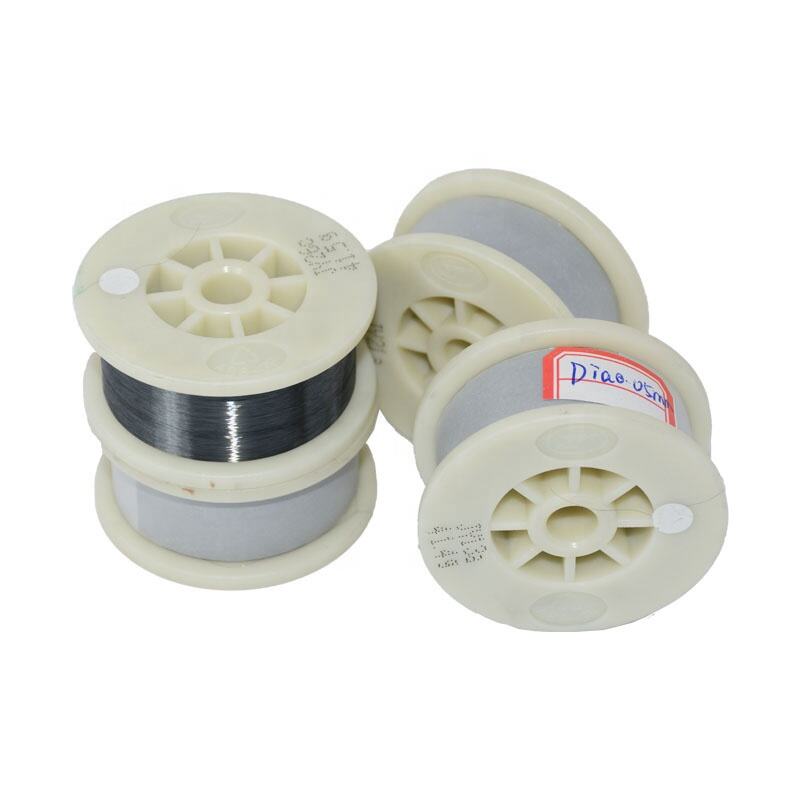
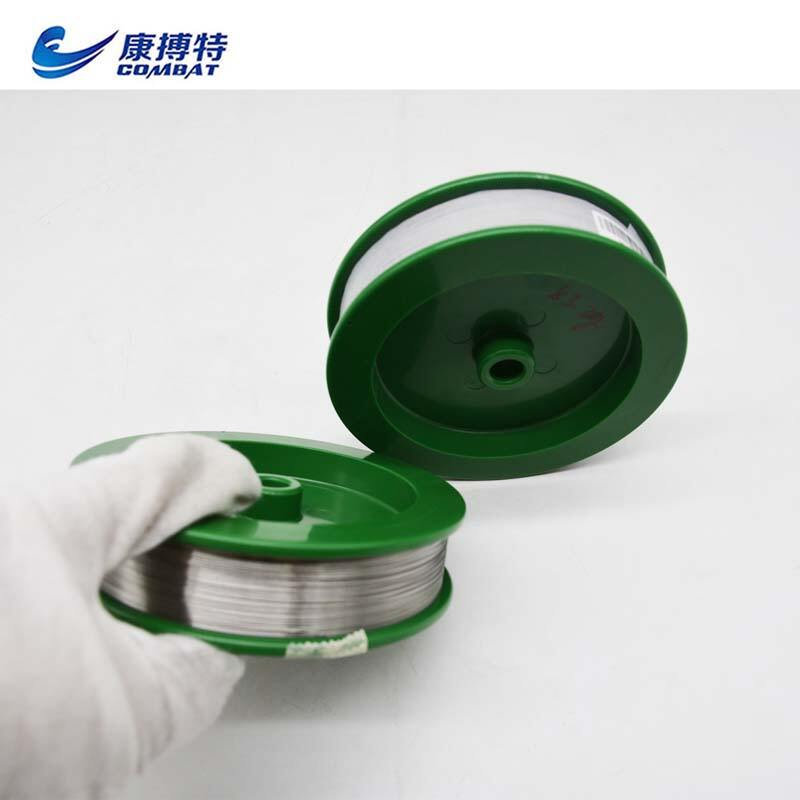
Fine tungsten wire represents a specialized metal product manufactured through precise drawing processes that reduce tungsten rod diameter to extremely thin dimensions, typically ranging from 0.01mm to 0.5mm. This material stands out in industrial applications due to tungsten's exceptional physical properties, including the highest melting point among pure metals at 3,422 degrees Celsius and remarkable density of 19.3 grams per cubic centimeter. The production of fine tungsten wire involves multiple drawing stages, each carefully controlled to maintain structural integrity while achieving the desired diameter. Manufacturers employ advanced techniques including intermediate annealing processes to relieve internal stresses and prevent brittleness. The resulting product exhibits outstanding tensile strength, often exceeding 3,500 MPa, making it suitable for demanding applications where other materials would fail. Fine tungsten wire serves critical functions across diverse industries, from electronics manufacturing to aerospace engineering. In the electronics sector, it functions as a reliable heating element in vacuum tubes, electron microscopes, and specialized lighting systems. The aerospace industry utilizes this material for high-temperature sensors and precision instruments that must withstand extreme environmental conditions. Medical device manufacturers incorporate fine tungsten wire into surgical instruments and radiation therapy equipment, capitalizing on its biocompatibility and radiopacity. The material's low thermal expansion coefficient ensures dimensional stability across temperature fluctuations, a crucial characteristic for precision applications. Additionally, fine tungsten wire demonstrates excellent electrical conductivity combined with high resistance to chemical corrosion, enabling its use in harsh chemical processing environments. The wire's surface can be treated or coated to enhance specific properties, such as improved oxidation resistance or enhanced bonding characteristics for composite materials. Modern manufacturing techniques have enabled production of ultra-fine variants with diameters below 10 micrometers, opening new possibilities in nanotechnology and microelectronics applications.

New Products

Choosing fine tungsten wire delivers multiple practical benefits that directly impact operational efficiency and product performance. The material's extraordinary heat resistance allows equipment to operate at temperatures where conventional wires would melt or degrade, extending service life and reducing replacement frequency. This translates to lower maintenance costs and minimized production downtime, particularly valuable in continuous manufacturing processes. The high tensile strength means thinner wire diameters can handle substantial mechanical loads, enabling designers to create more compact devices without sacrificing durability. This strength-to-weight ratio proves especially beneficial in aerospace and portable electronics applications where every gram matters. Fine tungsten wire maintains consistent electrical properties across wide temperature ranges, ensuring reliable performance in environments with significant thermal cycling. This stability eliminates the need for complex compensation circuits, simplifying system design and reducing component counts. The material's resistance to creep deformation under sustained stress ensures long-term dimensional accuracy in precision instruments and measurement devices. Users benefit from extended calibration intervals and improved measurement reliability. The chemical inertness of tungsten protects against corrosion in aggressive environments, eliminating concerns about contamination in sensitive processes like semiconductor manufacturing or pharmaceutical production. This characteristic also makes cleaning and sterilization procedures straightforward, supporting stringent hygiene requirements in medical applications. Fine tungsten wire's compatibility with vacuum environments makes it ideal for electron beam systems, mass spectrometers, and other analytical instruments where outgassing from materials would compromise performance. The material's high density provides effective radiation shielding in compact configurations, valuable for medical imaging equipment and nuclear instrumentation. Processing flexibility allows fine tungsten wire to be formed into complex shapes, wound into tight coils, or woven into mesh structures, accommodating diverse design requirements. The wire can be joined using specialized welding techniques or mechanical crimping, providing assembly options suited to different manufacturing workflows. Cost-effectiveness emerges from the combination of longevity, reliability, and performance, as the initial material investment is offset by reduced failure rates and extended operational periods. Supply chain stability for tungsten ensures consistent availability, supporting production planning and inventory management. The material's recyclability aligns with sustainability goals, as tungsten can be recovered and reprocessed without property degradation, contributing to circular economy initiatives while managing material costs.

Tips And Tricks

Gathering in Luoyang for Tungsten & Molybdenum, Uniting Hearts to Forge a New Dream Forward​

24

Apr

Gathering in Luoyang for Tungsten & Molybdenum, Uniting Hearts to Forge a New Dream Forward​

View More
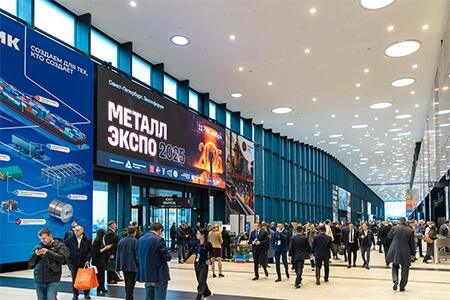
The 31st Russia International Metal and Metallurgy Industry Exhibition 2025 (Metal-Expo)

24

Apr

The 31st Russia International Metal and Metallurgy Industry Exhibition 2025 (Metal-Expo)

View More
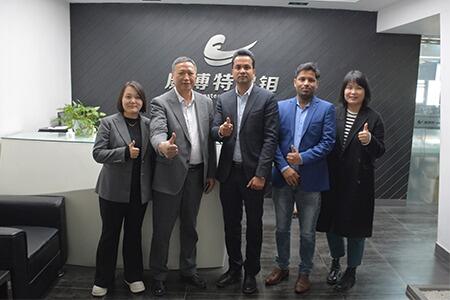
Indian Delegation Visits Youbo, Signs Molybdenum Bar and Tungsten Alloy Procurement Agreement​​

24

Apr

Indian Delegation Visits Youbo, Signs Molybdenum Bar and Tungsten Alloy Procurement Agreement​​

View More
The Grand Opening Of The 2025 China International Powder Metallurgy, Hard Alloy And Advanced Ceramics Exhibition

24

Apr

The Grand Opening Of The 2025 China International Powder Metallurgy, Hard Alloy And Advanced Ceramics Exhibition

View More

Get a Free Quote

Our representative will contact you soon.
Email
Name
Country/Region
Mobile/WhatsApp
Product Name
Message
0/1000

fine tungsten wire

Unmatched Thermal Performance for Extreme Operating Conditions

Unmatched Thermal Performance for Extreme Operating Conditions

Fine tungsten wire delivers thermal performance capabilities that surpass virtually all alternative materials, making it the definitive choice for applications involving extreme heat exposure. The material maintains structural integrity and mechanical properties at temperatures exceeding 2,000 degrees Celsius in inert atmospheres, a threshold where most metals have long since melted. This exceptional heat tolerance stems from tungsten's atomic structure and strong metallic bonding, which resist thermal disruption even under prolonged exposure. In practical terms, this means equipment incorporating fine tungsten wire can operate continuously in high-temperature zones without degradation, eliminating the frequent replacements required with inferior materials. Manufacturing facilities benefit from uninterrupted production runs, as heating elements and sensors maintain consistent performance throughout extended operating cycles. The low vapor pressure of tungsten at elevated temperatures prevents material loss through evaporation, a common failure mode in high-temperature applications using other metals. This characteristic proves particularly valuable in vacuum furnaces and electron beam systems where contamination from evaporated material would compromise process quality. Fine tungsten wire's thermal conductivity, while lower than copper or silver, remains sufficient for effective heat distribution in heating elements while its high electrical resistivity generates substantial heat from modest current flows. This combination enables efficient conversion of electrical energy to thermal energy in compact configurations. The material's thermal expansion coefficient of approximately 4.5 micrometers per meter per degree Celsius ranks among the lowest for metallic conductors, ensuring dimensional stability during thermal cycling. Precision instruments and measurement devices maintain accuracy as temperature varies, eliminating errors introduced by thermal expansion in competing materials. Engineers designing high-temperature systems appreciate the predictable behavior of fine tungsten wire across its operating range, simplifying thermal management calculations and reducing design iterations. The wire's ability to withstand rapid temperature changes without thermal shock damage supports applications with frequent heating and cooling cycles, extending component life in intermittent-use equipment. Quality control in manufacturing benefits from tungsten's consistent properties, as material performance remains uniform across production batches, supporting tight process tolerances and reproducible results.
Superior Mechanical Strength Enabling Miniaturization and Reliability

Superior Mechanical Strength Enabling Miniaturization and Reliability

The exceptional mechanical strength of fine tungsten wire opens design possibilities unavailable with conventional materials, enabling engineers to create smaller, lighter, and more reliable products. With tensile strength values reaching 4,000 MPa in cold-worked conditions, fine tungsten wire can support loads many times greater than copper or aluminum wire of equivalent diameter. This strength advantage allows designers to specify thinner wire gauges for given load requirements, reducing component size and weight while maintaining safety margins. In aerospace applications, this weight reduction directly improves fuel efficiency and payload capacity, delivering measurable operational benefits. The material's high elastic modulus of approximately 400 GPa provides excellent resistance to deflection under load, maintaining precise positioning in applications like probe tips, sensor elements, and mechanical linkages. Fine tungsten wire retains its mechanical properties across temperature extremes, unlike materials that soften significantly when heated or become brittle when cooled. This consistency ensures reliable performance in applications experiencing wide temperature swings, from cryogenic research equipment to high-temperature industrial processes. The wire's resistance to fatigue failure under cyclic loading extends service life in vibration-prone environments, reducing maintenance requirements and improving system availability. Manufacturers of precision instruments value this durability, as it supports long-term calibration stability and measurement repeatability. Fine tungsten wire's hardness, typically exceeding 400 HV on the Vickers scale, provides excellent wear resistance in applications involving sliding contact or abrasive environments. This characteristic proves beneficial in electrical contacts, wire guides, and cutting applications where softer materials would quickly degrade. The material's ductility, despite its high strength, permits forming operations including bending, coiling, and shaping without fracture when proper techniques are employed. This workability enables complex geometries that optimize performance for specific applications. Joining fine tungsten wire through resistance welding, laser welding, or specialized brazing techniques creates strong, reliable connections that maintain the wire's mechanical properties. Assembly processes benefit from established joining methods that ensure consistent quality in production environments. The combination of strength, hardness, and ductility makes fine tungsten wire suitable for applications ranging from delicate medical instruments to robust industrial heating elements, demonstrating versatility across demanding mechanical requirements.
Exceptional Electrical Properties Supporting Precision Applications

Exceptional Electrical Properties Supporting Precision Applications

Fine tungsten wire exhibits electrical characteristics that make it indispensable for applications requiring precise control, high reliability, and stable performance across varying conditions. The material's electrical resistivity of approximately 5.6 microohm-centimeters at room temperature positions it as an excellent choice for resistive heating elements, where controlled resistance generates heat efficiently from electrical current. This resistivity increases predictably with temperature, following a well-characterized temperature coefficient that enables accurate temperature sensing and control. Engineers leverage this property in resistance temperature detectors and self-regulating heating systems where the wire's resistance change provides feedback for temperature management. Fine tungsten wire maintains low contact resistance in electrical connections, ensuring efficient power transfer and minimizing energy losses in high-current applications. The material's high current-carrying capacity relative to its cross-sectional area supports compact conductor designs in space-constrained applications. In vacuum environments, fine tungsten wire serves as an ideal electron emitter, with thermionic emission properties that support stable electron beam generation in electron microscopes, X-ray tubes, and vacuum electronics. The work function of tungsten, approximately 4.5 electron volts, provides a favorable balance between emission efficiency and cathode longevity. Fine tungsten wire's low thermoelectric potential against common reference materials minimizes parasitic voltages in precision measurement circuits, improving accuracy in sensitive instrumentation. This characteristic proves particularly valuable in thermocouples and low-level signal applications where unwanted voltages would introduce measurement errors. The material's electromagnetic properties support its use in magnetic field applications, with tungsten's diamagnetic nature ensuring it does not interfere with magnetic measurements or introduce unwanted magnetic effects. Manufacturers of scientific instruments appreciate this neutrality in magnetic applications. Fine tungsten wire demonstrates excellent high-frequency electrical performance, with low skin effect losses and stable impedance characteristics that support radio frequency and microwave applications. The wire's surface can be polished to extremely smooth finishes, reducing surface scattering losses in high-frequency circuits. Electrical noise characteristics of fine tungsten wire remain low across frequency ranges, supporting low-noise amplifier designs and sensitive detection systems. The material's stability under electrical stress prevents property changes during operation, ensuring consistent performance throughout the component's service life. Quality assurance processes can verify electrical properties with high precision, supporting tight specifications in critical applications where performance variations would compromise system function.

Get a Free Quote

Our representative will contact you soon.
Email
Name
Country/Region
Mobile/WhatsApp
Product Name
Message
0/1000