Exceptional Corrosion Resistance for Long-Term Durability
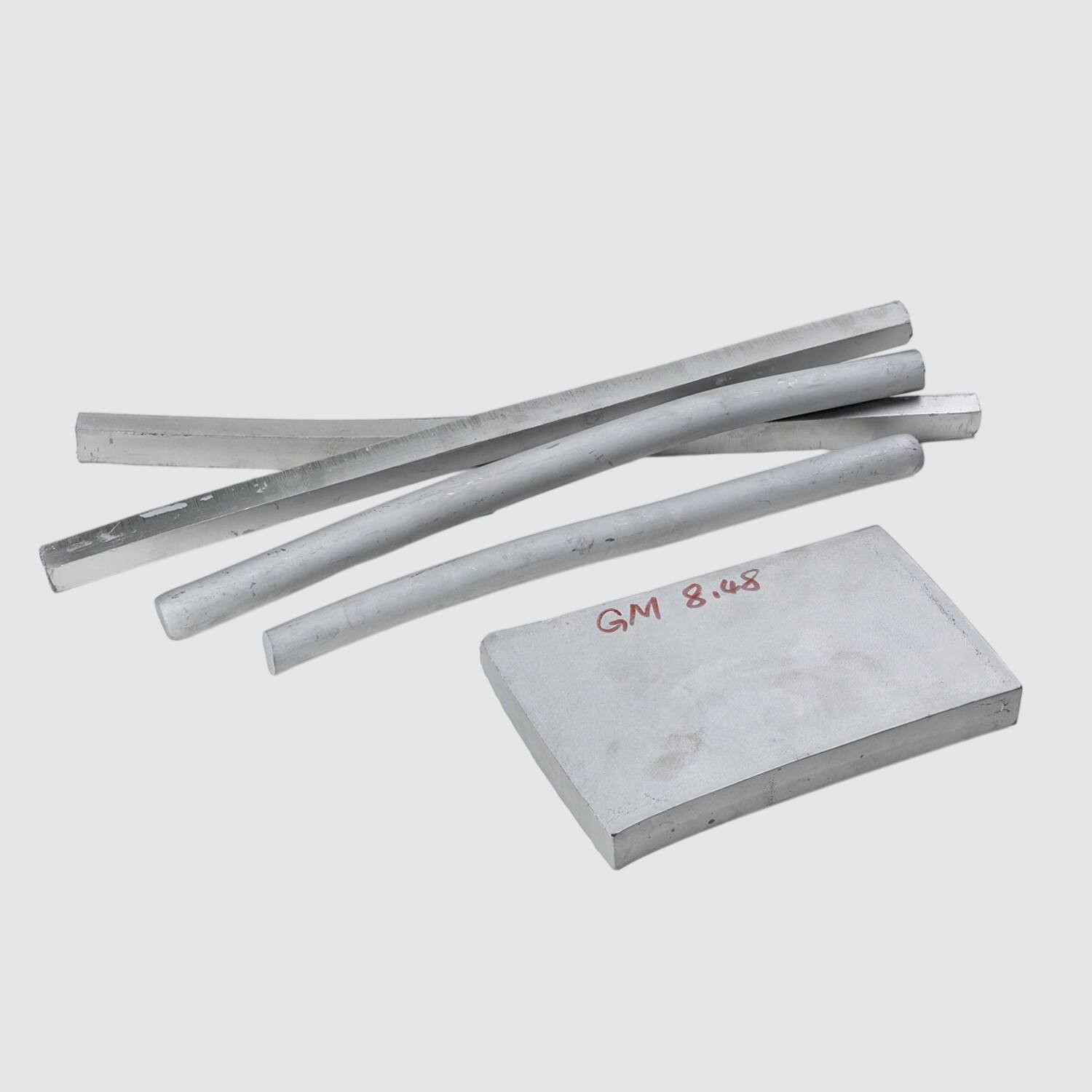
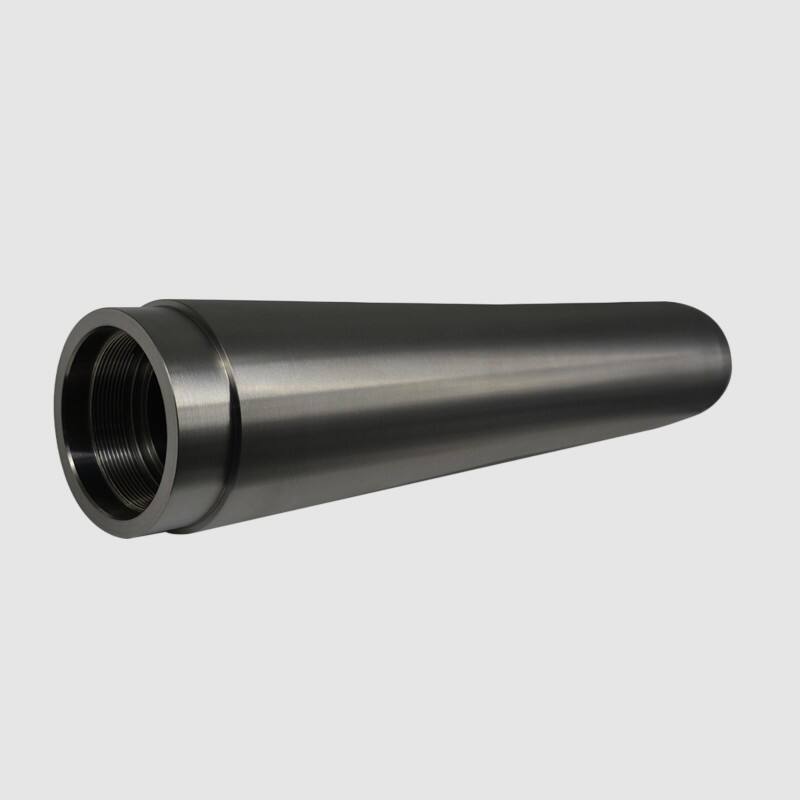
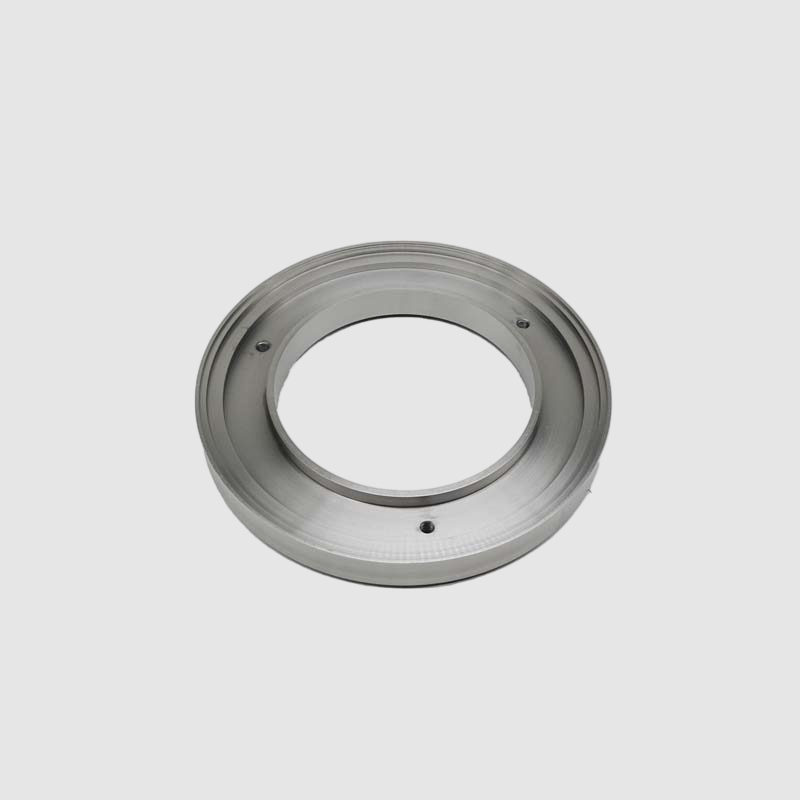
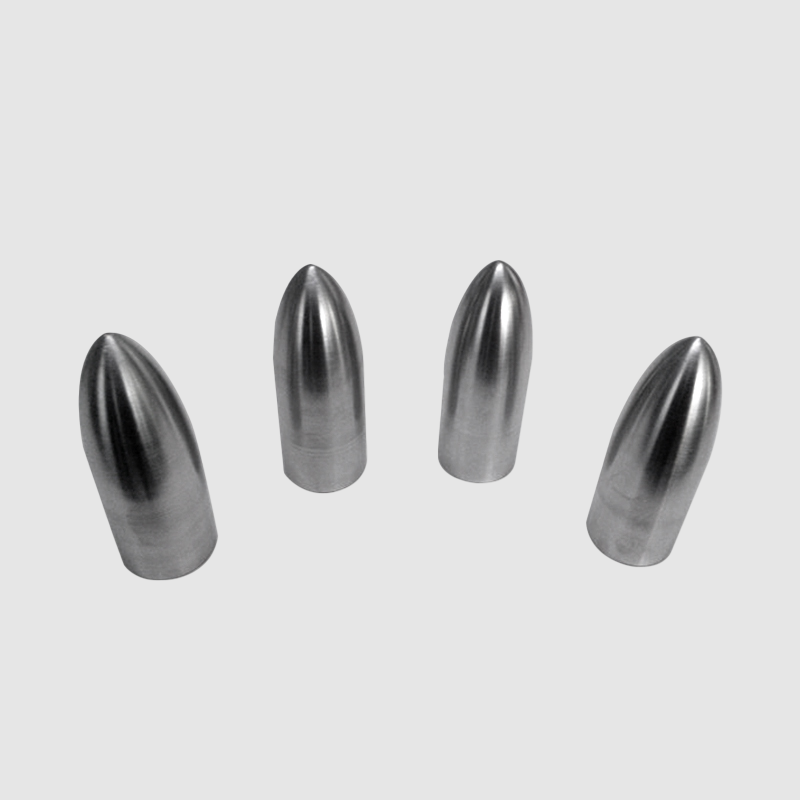
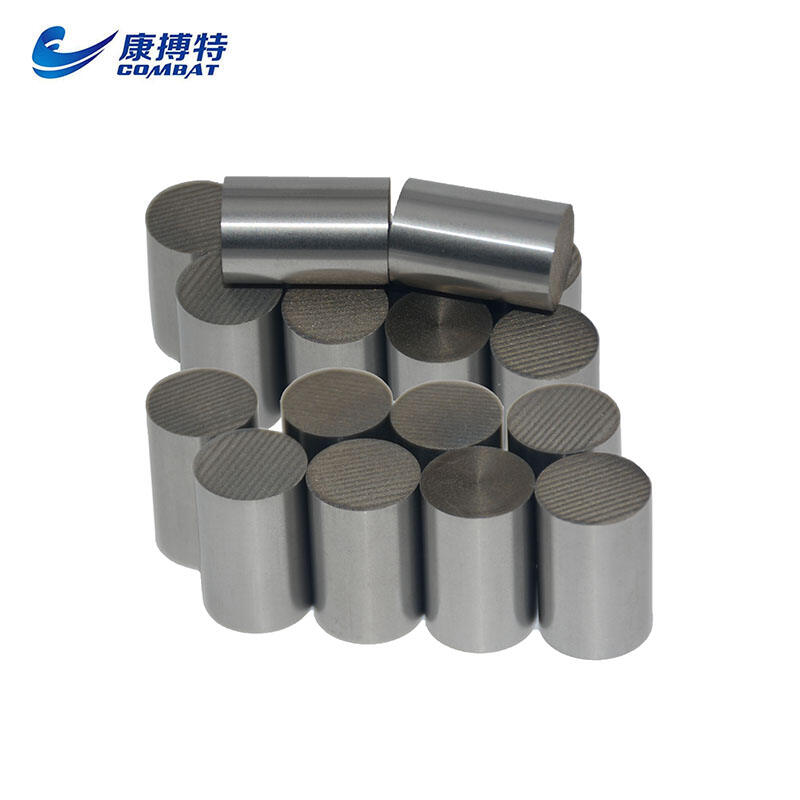
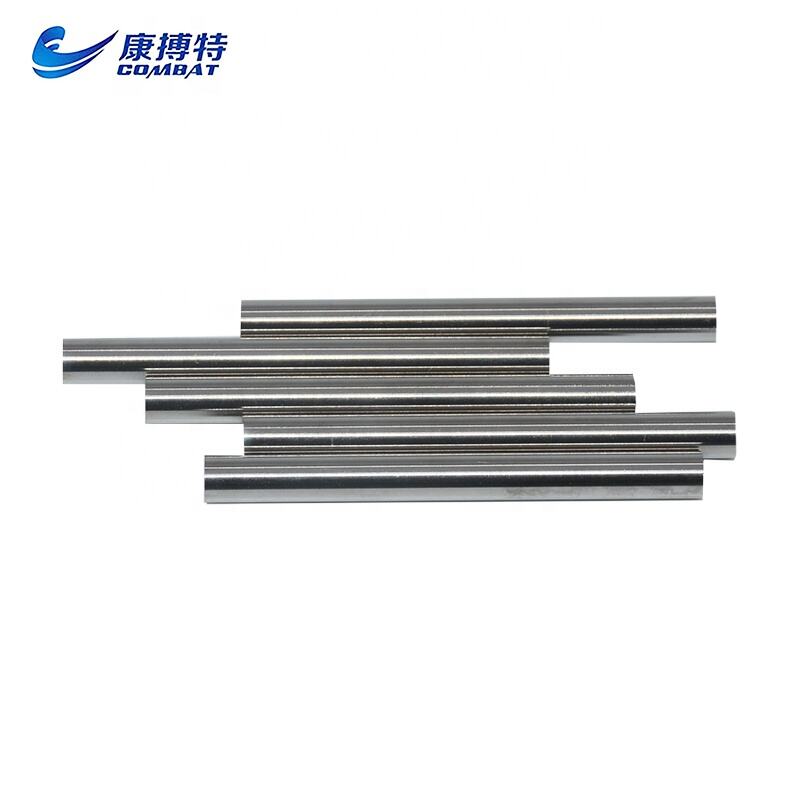
The 3mm titanium rod stands out in the marketplace due to its remarkable ability to resist corrosion in environments that would quickly degrade other metallic materials. This corrosion resistance stems from titanium's natural tendency to form a thin, stable, and self-healing oxide layer on its surface when exposed to oxygen. This protective barrier remains intact even when the rod experiences scratches or surface damage, as the oxide layer reforms almost instantaneously. In marine applications, where saltwater exposure causes rapid deterioration of steel and accelerated corrosion of aluminum, the 3mm titanium rod maintains its structural integrity indefinitely without requiring protective coatings, cathodic protection systems, or frequent inspections. Chemical processing facilities benefit enormously from this characteristic, as the rod can withstand exposure to acids, alkalis, and organic solvents that would attack stainless steel or exotic alloys. The pharmaceutical and food processing industries value this corrosion resistance because it ensures product purity by preventing metallic contamination that could occur when reactive metals leach into sensitive products. Offshore oil platforms, desalination plants, and coastal infrastructure projects specify 3mm titanium rod for critical fasteners, structural supports, and mechanical linkages where failure due to corrosion could result in catastrophic consequences or expensive emergency repairs. The economic implications of this corrosion resistance extend beyond simple material longevity. Maintenance schedules can be dramatically extended, reducing labor costs associated with inspection, surface preparation, and protective coating application. Replacement part inventories shrink because components last longer, freeing up capital and warehouse space. Unplanned downtime decreases as corrosion-related failures become rare events rather than expected occurrences. Environmental benefits also emerge, as the elimination of protective coatings means no volatile organic compounds are released during application or maintenance, and the long service life reduces the environmental impact associated with manufacturing replacement components. For architects and designers, the corrosion resistance of 3mm titanium rod enables creative applications in building facades, sculptural elements, and outdoor furniture where weathering steel or treated aluminum would eventually show degradation. The material maintains its appearance and structural properties through decades of exposure to rain, snow, ultraviolet radiation, and atmospheric pollutants, ensuring that aesthetic intentions remain realized throughout the structure's service life.


 EN