Superior Electrical Conductivity in High-Temperature Environments
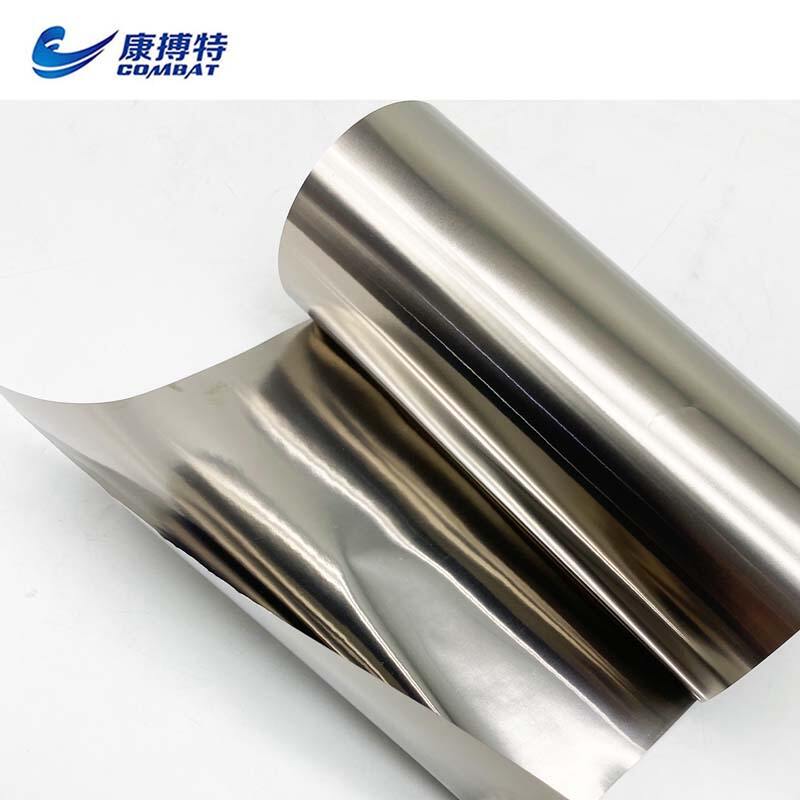
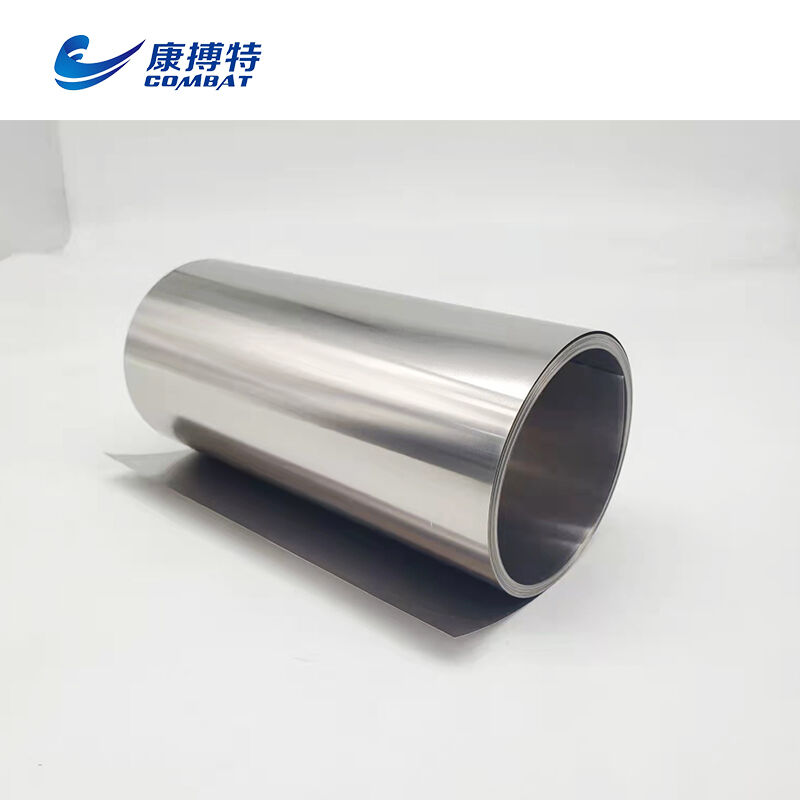
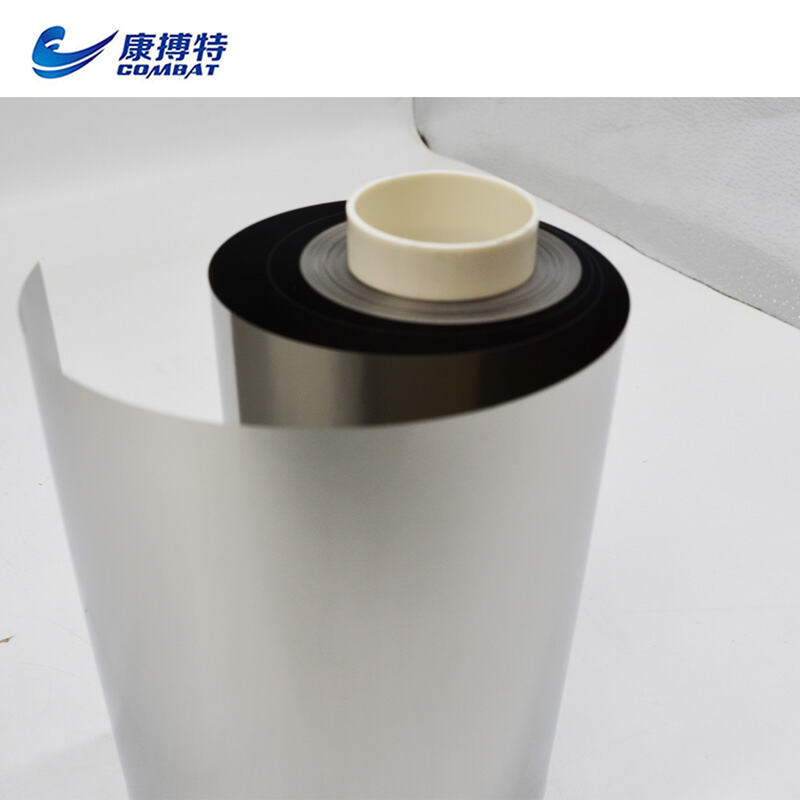
High purity tungsten foil provides a unique combination of electrical conductivity and temperature resistance that opens possibilities unavailable with conventional conductor materials. While copper and aluminum offer excellent conductivity at room temperature, their performance collapses rapidly as temperatures rise, with mechanical strength degrading and electrical resistance increasing substantially. High purity tungsten foil maintains stable electrical properties across temperature ranges where copper would melt and aluminum would vaporize, making it the material of choice for electrical contacts, heating elements, and current-carrying components in extreme environments. The practical benefits manifest immediately in vacuum tube technology, where the foil serves as grid structures and electrodes that must conduct electricity while withstanding intense heat from electron bombardment. Your manufacturing costs decrease because components last significantly longer, reducing replacement frequency and associated downtime. The material's work function and electron emission characteristics make it valuable in specialized electronic devices where precise control of electron flow is essential. High-frequency applications benefit from the foil's skin effect properties, which remain favorable even at elevated temperatures, ensuring signal integrity in communications equipment operating in harsh conditions. The purity level directly impacts electrical performance by eliminating grain boundary impurities that scatter electrons and increase resistance, resulting in more efficient current flow and reduced energy losses. When you design heating elements using high purity tungsten foil, you gain precise temperature control because the material's resistance changes predictably with temperature, enabling accurate feedback control systems. The foil's compatibility with various atmospheres means it can operate in oxidizing, reducing, or inert environments without degradation, expanding your design options beyond what reactive metals permit. Welding and joining techniques developed specifically for tungsten allow you to create complex electrical assemblies that maintain conductivity across joints and connections, ensuring reliable performance throughout the component's life. Your product reliability improves because the foil resists electromigration, a phenomenon where electrical current gradually moves metal atoms, causing failures in conductors operating at high current densities and temperatures. The material's low coefficient of thermal expansion prevents stress development at electrical connections during thermal cycling, eliminating a common failure mode in electronic assemblies. Applications in power generation equipment benefit from the foil's ability to serve as electrical contacts in high-temperature switches and circuit breakers, where conventional contact materials would weld together or erode rapidly.


 EN
EN